This interview was conducted as part of a project to capture stories of the Japanese American community of Spokane, Washington. Densho worked in collaboration with the Northwest Museum of Arts and Culture.
Thoughts on the evolution of Spokane's Japanese American community
This interview was conducted as part of a project to capture stories of the Japanese American community of Spokane, Washington. Densho worked in collaboration with the Northwest Museum of Arts and Culture.
This interview was conducted as part of a project to capture stories of the Japanese American community of Spokane, Washington. Densho worked in collaboration with the Northwest Museum of Arts and Culture.
Visiting Minneapolis while serving at Fort Snelling
This interview was conducted as part of a project to capture stories of the Japanese American community of Spokane, Washington. Densho worked in collaboration with the Northwest Museum of Arts and Culture.
Visiting Minidoka concentration camp, Idaho, during the war
This interview was conducted as part of a project to capture stories of the Japanese American community of Spokane, Washington. Densho worked in collaboration with the Northwest Museum of Arts and Culture.
Description of chick-sexing industry: "it was a fascinating career"
This interview was conducted as part of a project to capture stories of the Japanese American community of Spokane, Washington. Densho worked in collaboration with the Northwest Museum of Arts and Culture.
This interview was conducted as part of a project to capture stories of the Japanese American community of Spokane, Washington. Densho worked in collaboration with the Northwest Museum of Arts and Culture.
Description of Japanese American community in New York City postwar
This interview was conducted as part of a project to capture stories of the Japanese American community of Spokane, Washington. Densho worked in collaboration with the Northwest Museum of Arts and Culture.
The role of Christianity in the prewar Spokane community
This interview was conducted as part of a project to capture stories of the Japanese American community of Spokane, Washington. Densho worked in collaboration with the Northwest Museum of Arts and Culture.
Returning to Spokane, Washington: observing changes
This interview was conducted as part of a project to capture stories of the Japanese American community of Spokane, Washington. Densho worked in collaboration with the Northwest Museum of Arts and Culture.
Encountering a train full of Japanese Americans being transported to an concentration camp
This interview was conducted as part of a project to capture stories of the Japanese American community of Spokane, Washington. Densho worked in collaboration with the Northwest Museum of Arts and Culture.
A discriminatory encounter involving the ROTC in college
This interview was conducted as part of a project to capture stories of the Japanese American community of Spokane, Washington. Densho worked in collaboration with the Northwest Museum of Arts and Culture.
Recreational activities in high school: dances, amusement parks, fishing
This interview was conducted as part of a project to capture stories of the Japanese American community of Spokane, Washington. Densho worked in collaboration with the Northwest Museum of Arts and Culture.
Memories of basic training: experiences with issues of race and discrimination
This interview was conducted as part of a project to capture stories of the Japanese American community of Spokane, Washington. Densho worked in collaboration with the Northwest Museum of Arts and Culture.
Reaction to bombing of Pearl Harbor: a racist encounter at a movie theater
This interview was conducted as part of a project to capture stories of the Japanese American community of Spokane, Washington. Densho worked in collaboration with the Northwest Museum of Arts and Culture.
This interview was conducted as part of a project to capture stories of the Japanese American community of Spokane, Washington. Densho worked in collaboration with the Northwest Museum of Arts and Culture.
This interview was conducted as part of a project to capture stories of the Japanese American community of Spokane, Washington. Densho worked in collaboration with the Northwest Museum of Arts and Culture.
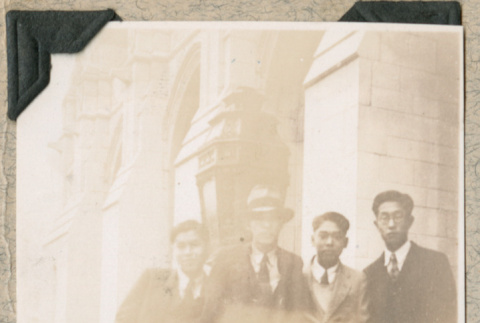
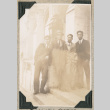
Written on album page below photograph: "Henry Yamada, Shizuo, & Myself. Columbia River Highway, 1931". However, the picture was actually taken on the steps of Suzzallo Library on the University of Washington campus. Labeled identifications may be incorrect. Pictured on right is Isamu Ito and next to him (left) is George Tokuda.
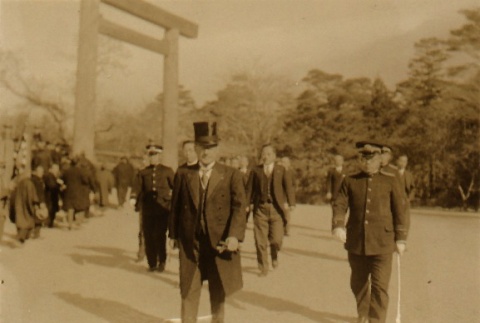
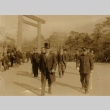
Caption on reverse [translation]: "Kodama visiting the Ise Shrine to report for his new position. January 20, 1940. Minister of home affaris, Mr. Kodama visited the Ise Shrine right after he arrived at Yamada Station at 9:09 a.m. on the 20th. The photo is Minister Kodama visitng the Ise Shrine."
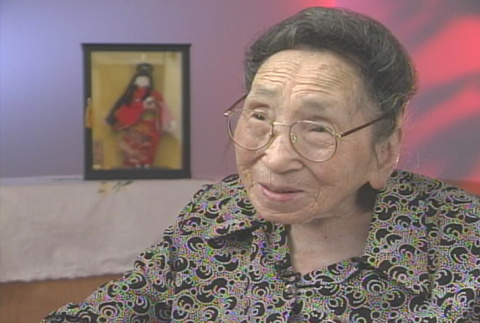
Issei female. Born 1895 in Nagano, Japan. Married Mr. Kazuyoshi Murayama, an Issei who returned to Japan temporarily for an arranged marriage. Immigrated to the U.S. in August of 1916. Worked for a wealthy family in North Dakota, then settled in Seattle. Went back to Japan in 1924, but returned to Seattle in 1925. Owned a …
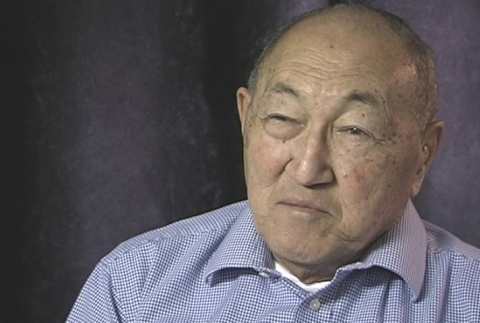
Nisei male. Born December 8, 1916, in Hawaii. Was already in the army when Japan bombed Pearl Harbor on December 7, 1941. Served with the Military Intelligence Service as a translator at the Pentagon and in Europe.
(This material is based upon work assisted by a grant from the Department of the Interior, National Park Service. …
Caption on reverse: "The Matsumotos and friend. / Washingto [sic] Heights, Tokyo, Japan / about 1954 or 1955." Left to right: Clyde Matsumoto, uknown, Ruth Matsumoto, Dawn Matsumoto, and Allen Matsumoto.
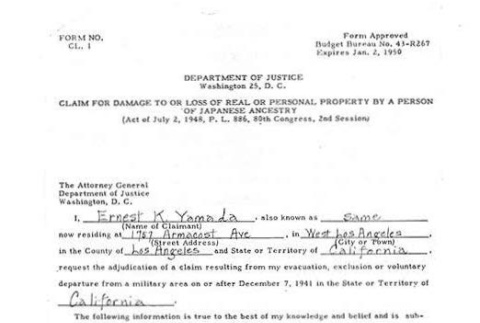
Form to Department of Justice. Claim for damage to or loss of real personal property by a person of Japanese ancestry. Ernest Yamada, applicant. See this object in the California State Universities Japanese American Digitization project site: 1949_M01
Female, child of Issei parents. Born July 5, 1923, in Fukuoka, Japan while her mother and two older Nisei brothers visited relatives. Named Mitsuye Mei Yasutake at birth. From age 3, grew up in Seattle, WA. Father employed by the U.S. Immigration and Naturalization Service as interpreter for twenty years, until separated from family on December …