
1600 items

1600 items
vh
Mary Jane Mikuriya Interview Segment 5 (ddr-densho-1000-504-5)
Mother's role in helping integrate a college dance
vh
Mary Jane Mikuriya Interview Segment 21 (ddr-densho-1000-504-21)
Experiencing both acceptance and prejudice in school
vh
Hatsuko Mary Higuchi Segment 1 (ddr-densho-1000-456-1)
Parents' family backgrounds: father an Issei, mother a Kibei
vh
Hatsuko Mary Higuchi Segment 11 (ddr-densho-1000-456-11)
Changes in the Torrance, California, community over the years
vh
Hatsuko Mary Higuchi Segment 9 (ddr-densho-1000-456-9)
Activities and dating in high school and college
vh
Hatsuko Mary Higuchi Segment 2 (ddr-densho-1000-456-2)
Incarcerated in Poston as a child, hearing very little about it after the war
vh
Hatsuko Mary Higuchi Segment 6 (ddr-densho-1000-456-6)
Childhood memories: attending Japanese language schools, social visits with friends and neighbors
vh
Hatsuko Mary Higuchi Segment 12 (ddr-densho-1000-456-12)
Attending an art workshop taught by noted Japanese American artist Henry Fukuhara
vh
Hatsuko Mary Higuchi Segment 5 (ddr-densho-1000-456-5)
Helping mother on the family's farm after father's passing
vh
Hatsuko Mary Higuchi Segment 13 (ddr-densho-1000-456-13)
Connecting with mother in her later life through artwork
vh
Hatsuko Mary Higuchi Segment 8 (ddr-densho-1000-456-8)
Coming to terms with ethnic identity after the war
vh
Hatsuko Mary Higuchi Segment 10 (ddr-densho-1000-456-10)
Becoming a teacher, finding ways to create a challenging learning experience for students
vh
Hatsuko Mary Higuchi Segment 4 (ddr-densho-1000-456-4)
Recalling difficult times after returning to California
img
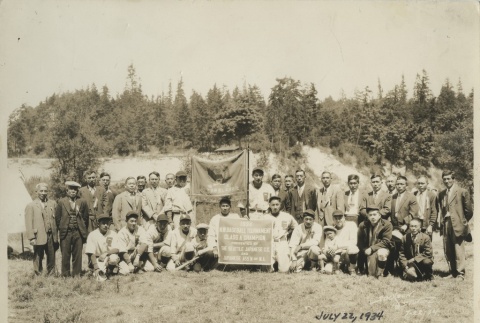
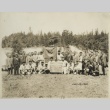
Green Lake championship baseball team (ddr-densho-136-36)
This Green Lake Baseball Team beat White River 19-18 to win the 1934 Fourth of July Baseball Tournament. Back row (L to R): Mr. Kanno, Grandpa Mochizuki, Mr. Hayashi, Mr. Kawachi, Mr. Shimizu, Mr. Ito, Mr. Fukano, Mr. Yamada, Sumio Mochizuki (utility), Naoshi Kumagai (outfield), Mr. Y. Kumasaka, Mr. Tada, Mr. Tanagi, Mr. S. Kumasaka, Mr. …
doc
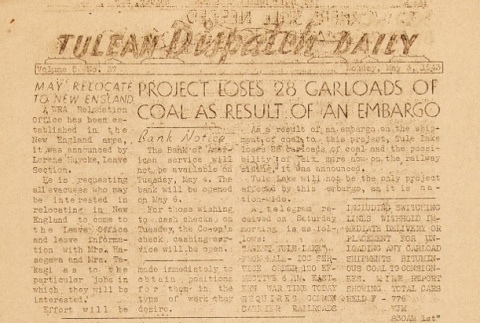
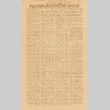
Tulean Dispatch Vol. 5 No. 37 (May 3, 1943) (ddr-densho-65-217)
Selected article titles: "May Relocate to New England" (p. 1), "Project Loses 28 Carloads of Coal As Result of An Embargo" (p. 1), "Families of Soldiers May Get Aid" (p. 1), "Call Made For Persons With Pay Due From WCCA" (p. 1), "500 Workers Still Needed by Amalgamated Sugar Co." (p. 2), "Brownie Scouts Elect Officers" …
doc
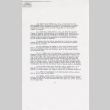
Case file for Keizaburo Koyama from the Federal Bureau of Investigation. Page 3 of 6. (ddr-one-5-100)
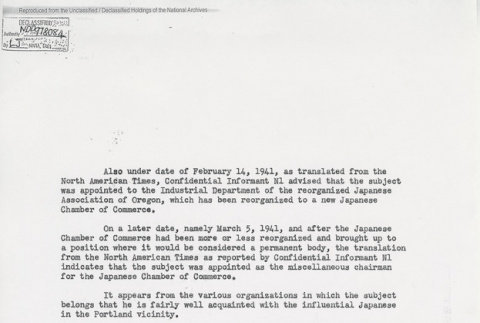
Photocopy of a declassified report on Keizaburo Koyama. Confidential Informant N1 provided another translated article from the North American Times dated February 14, 1941 which stated that Koyama was appointed to the Industrial Department of the Japanese Association of Oregon, which was reorganized as a new Japanese Chamber of Commerce. On March 5, 1941, Koyama was …

doc
Letter from Hank to Kiezie Fujii (ddr-densho-433-17)
Hank writes to Kiezie (Kimiko) Fujii thanking her for the shoes and cloth and gives her updates on where all their friends are moving to as they leave the concentration camp.
vh
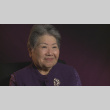
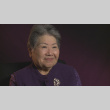
Barbara Reiko Mikami Keimi Segment 4 (ddr-densho-1000-459-4)
Memories of father being picked up by the FBI after the bombing of Pearl Harbor, visiting him at the Tuna Canyon Detention Station
vh
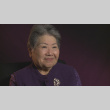
Barbara Reiko Mikami Keimi Segment 9 (ddr-densho-1000-459-9)
Leaving camp and returning to Los Angeles