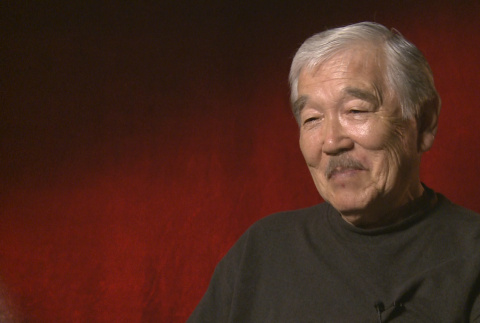
Nisei male. Born July 24, 1925, in Ketchikan, Alaska. Grew up in Ketchikan, where parents ran a store. During World War II, was removed to the Puyallup Assembly Center, Washington, and the Minidoka incarceration camp, Idaho. After leaving camp, went with family to work for a time in Idaho before eventually returning to Ketchikan.
Nisei male. Born July 24, 1925, in Ketchikan, Alaska. Grew up in Ketchikan, where parents ran a store. During World War II, was removed to the Puyallup Assembly Center, Washington, and the Minidoka incarceration camp, Idaho. After leaving camp, went with family to work for a time in Idaho before eventually returning …
Nisei male. Born July 24, 1925, in Ketchikan, Alaska. Grew up in Ketchikan, where parents ran a store. During World War II, was removed to the Puyallup Assembly Center, Washington, and the Minidoka incarceration camp, Idaho. After leaving camp, went with family to work for a time in Idaho before eventually returning to …
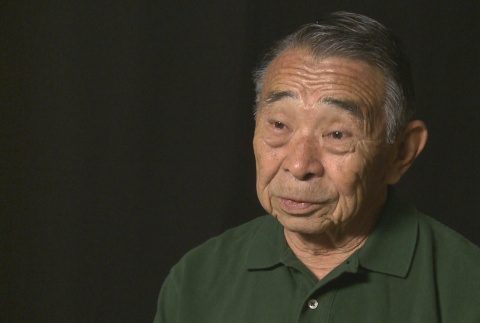
Nisei male. Born July 24, 1925, in Ketchikan, Alaska. Grew up in Ketchikan, where parents ran a store. During World War II, was removed to the Puyallup Assembly Center, Washington, and the Minidoka incarceration camp, Idaho. After leaving camp, went with family to work for a time in Idaho before eventually returning to Ketchikan.
Nisei male. Born July 24, 1925, in Ketchikan, Alaska. Grew up in Ketchikan, where parents ran a store. During World War II, was removed to the Puyallup Assembly Center, Washington, and the Minidoka incarceration camp, Idaho. After leaving camp, went with family to work for a time in Idaho before eventually returning to …
Nisei male. Born July 24, 1925, in Ketchikan, Alaska. Grew up in Ketchikan, where parents ran a store. During World War II, was removed to the Puyallup Assembly Center, Washington, and the Minidoka incarceration camp, Idaho. After leaving camp, went with family to work for a time in Idaho before eventually returning …
Nisei male. Born July 24, 1925, in Ketchikan, Alaska. Grew up in Ketchikan, where parents ran a store. During World War II, was removed to the Puyallup Assembly Center, Washington, and the Minidoka incarceration camp, Idaho. After leaving camp, went with family to work for a time in Idaho before eventually returning …
This material is based upon work assisted by a grant from the Department of the Interior, National Park Service. Any opinions, finding, and conclusions or recommendations expressed in this material are those of the author(s) and do not necessarily reflect the views of the Department of the Interior.
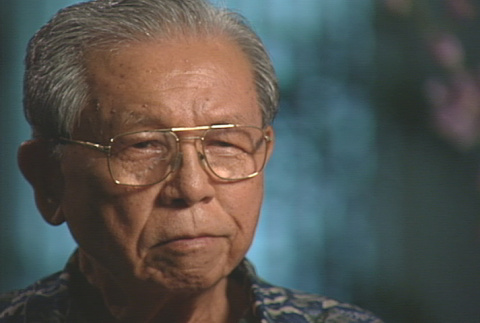
Growing up in Portland, where parents operated a hotel
This material is based upon work assisted by a grant from the Department of the Interior, National Park Service. Any opinions, finding, and conclusions or recommendations expressed in this material are those of the author(s) and do not necessarily reflect the views of the Department of the …
This material is based upon work assisted by a grant from the Department of the Interior, National Park Service. Any opinions, finding, and conclusions or recommendations expressed in this material are those of the author(s) and do not necessarily reflect the views of the Department of the …
Being with Japanese prisoners where Japan surrendered
This material is based upon work assisted by a grant from the Department of the Interior, National Park Service. Any opinions, finding, and conclusions or recommendations expressed in this material are those of the author(s) and do not necessarily reflect the views of the Department of the Interior.
Family moves to Glendale where father starts gardening business
This material is based upon work assisted by a grant from the Department of the Interior, National Park Service. Any opinions, finding, and conclusions or recommendations expressed in this material are those of the author(s) and do not necessarily reflect the views of the Department of the …
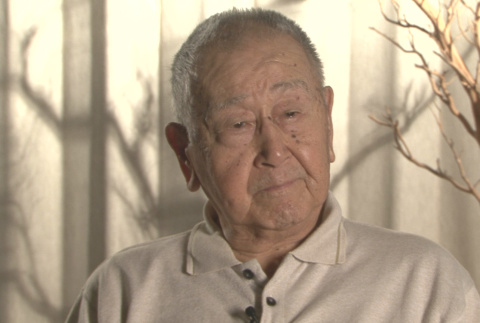
Moving to Kauai where father establishes a new church
This material is based upon work assisted by a grant from the Department of the Interior, National Park Service. Any opinions, finding, and conclusions or recommendations expressed in this material are those of the author(s) and do not necessarily reflect the views of the Department of the …
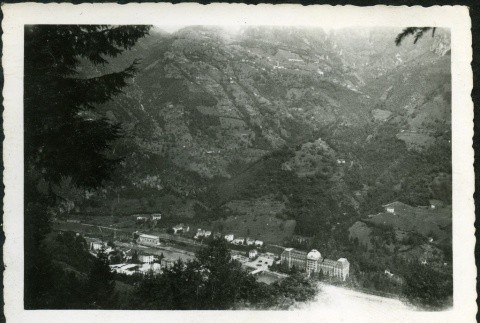
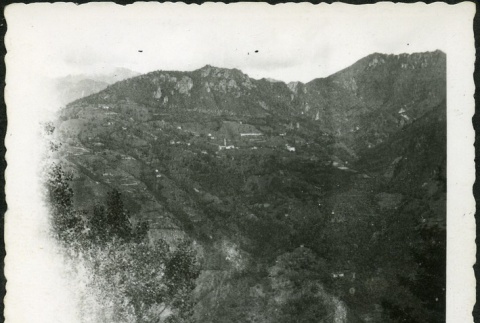
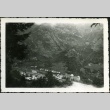
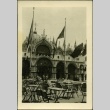
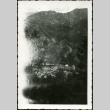
Nisei soldier's caption: San Pellogrini where our 442nd rest camp was located. If we couldn't go to some other place on pass we came here to take it easy for four days.
Nisei soldier's caption: San Pellogrini where our 442nd rest camp was located. If we couldn't go to some other place on pass we came here to take it easy for four days.
Nisei soldier's caption: San Pellogrini where our 442nd rest camp was located. If we couldn't go to some other place on pass we came here to take it easy for four days.
Nisei soldier's caption: San Pellogrini where our 442nd rest camp was located. If we couldn't go to some other place on pass we came here to take it easy for four days.
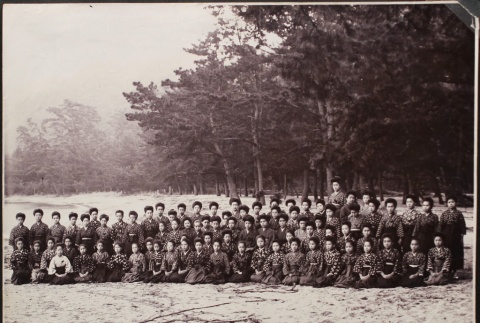
Caption by Homer Yasui: "Japanese girls school beach outing, Sumoto School, Awaji, Japan." Caption by Yuka Yasui: "Beach at Sumoto Awaji where [Shidzuyo Yasui] taught. [Shidzuyo] 2nd row. 10th from the left."
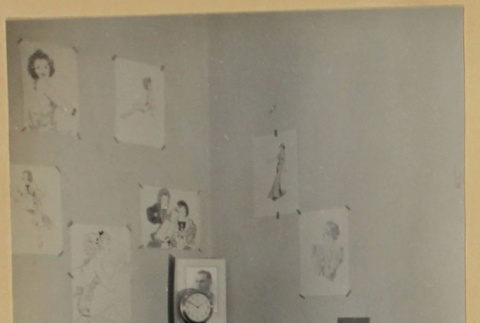
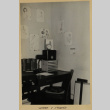
Photograph of a desk with drawings hung up on the walls. Written on the album page below the image is "Where I studied" in black ink. Identical to ddr-densho-287-319.
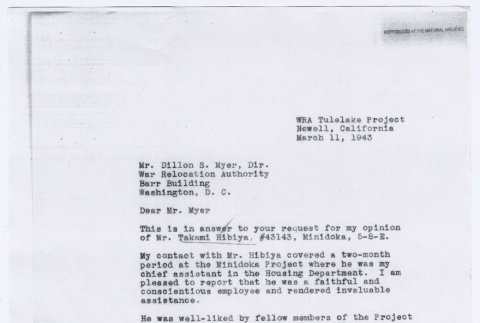
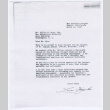
A reference letter from Lorne Huycke to Dillon S. Meyer for Takami Hibiya. Huycke speaks about his contact with Takami at the Minidoka Project, where they worked together in the Housing Department.
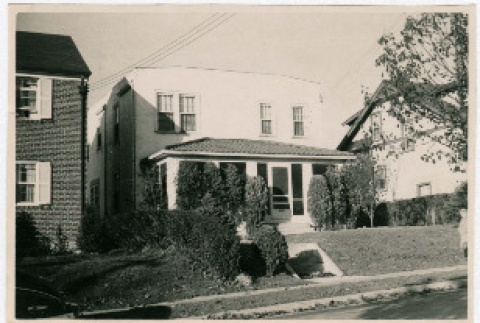
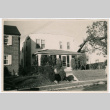
The family home consisted of 6 bedrooms where most of the Sumida family resided at one time or another. Chimata Sumida passed away while living in this house on May 13, 1947.
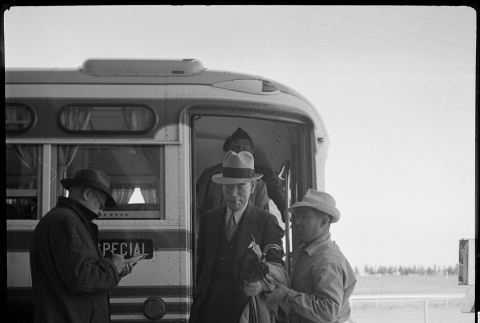
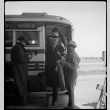
Original caption: San Bruno, Calfiornia. Evacuee of Japanese ancestry arrives at this Assembly center where he and approximately 8,000 others will remain until transferred to War Relocation Authority centers for the duration.
75 pages of people reflecting and remembering the 3 day event of Minidoka Remembered in 2003 where more than 1000 people participated. This book has images of folks who attended the event.
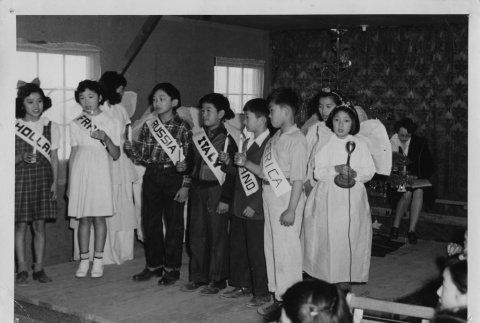
The Evelyn Dell Collection features photographs of Heart Mountain concentration camp, Wyoming, where Ms. Dell worked as a fourth grade teacher. The collection focuses on education in camp and includes photographs of students, teachers and administrators, camp facilities, and school celebrations.