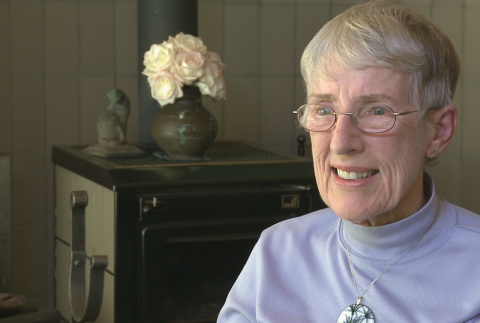
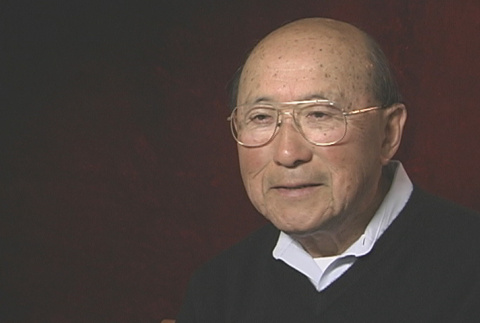
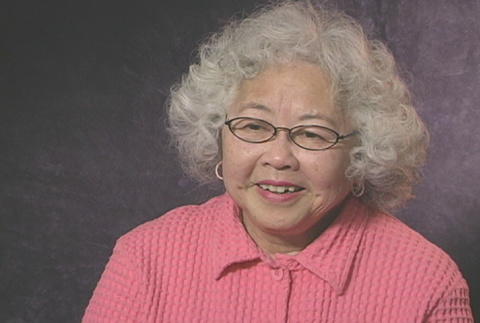
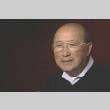
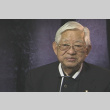
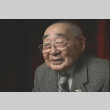
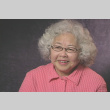
Female. Born August 8, 1925, in Vallejo, California. Due to father's career as a prominent Navy admiral, moved frequently while growing up, living in Hawaii, Cuba, California, China and Japan. Worked as an editor for the military in Washington, D.C., and Japan. While in Japan, met future husband, Lucius Horiuchi. Presently lives in Sonoma, California.
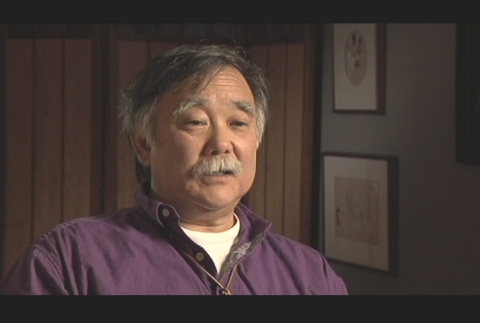
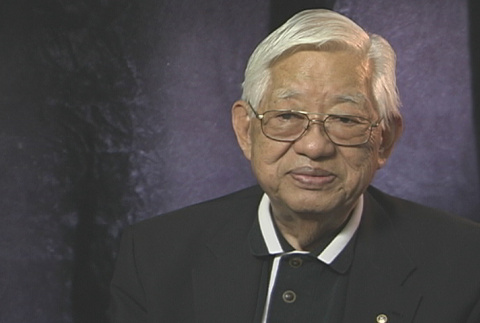
Sansei male. Born 1939 in Bainbridge Island, Washington. Incarcerated with parents at Manzanar concentration camp, California, and Minidoka concentration camp, Idaho. Returned to Bainbridge Island after end of World War II. President of the Bainbridge Island Japanese American Community (BIJAC), a community organization dedicated to the preservation of Japanese American history on Bainbridge Island.
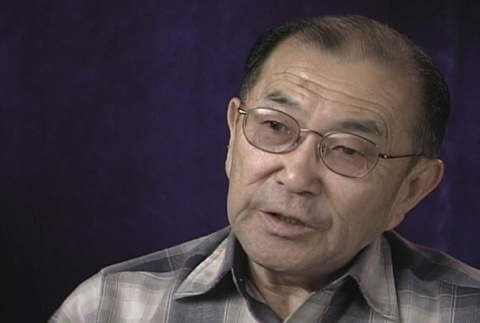
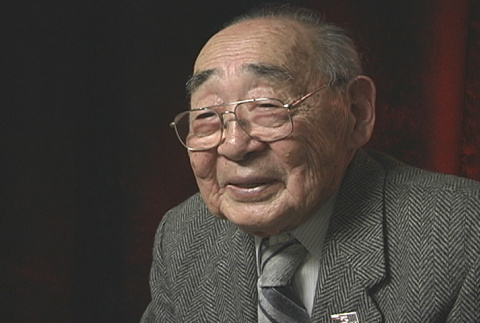
Nisei male. Born July 10, 1925, in Seattle, Washington. Grew up in the Thomas-Auburn area of Washington. Following Executive Order 9066, family was removed to the Pinedale Assembly Center, then to Tule Lake concentration camp in California. Later transferred to Minidoka concentration camp, Idaho. Volunteered as a replacement for the 100th/442nd Regimental Combat Team and trained …
Witnessing segregation Mississippi: "It was a just completely different world for us"
This interview was conducted as part of a project to capture stories of the Japanese American community of Spokane, Washington. Densho worked in collaboration with the Northwest Museum of Arts and Culture.
Memories of traveling into Spokane every weekend to attend Japanese language school
This interview was conducted as part of a project to capture stories of the Japanese American community of Spokane, Washington. Densho worked in collaboration with the Northwest Museum of Arts and Culture.
Attending Gonzaga university after being barred from volunteering for the military
This interview was conducted as part of a project to capture stories of the Japanese American community of Spokane, Washington. Densho worked in collaboration with the Northwest Museum of Arts and Culture.
Returning home, meeting a member of the "Lost Battalion" from Texas
This interview was conducted as part of a project to capture stories of the Japanese American community of Spokane, Washington. Densho worked in collaboration with the Northwest Museum of Arts and Culture.
Hearing news of Japan's attack on Pearl Harbor: "I felt vulnerable"
This interview was conducted as part of a project to capture stories of the Japanese American community of Spokane, Washington. Densho worked in collaboration with the Northwest Museum of Arts and Culture.
Changes in Spokane's Japanese American community with the influx of "voluntary evacuees"
This interview was conducted as part of a project to capture stories of the Japanese American community of Spokane, Washington. Densho worked in collaboration with the Northwest Museum of Arts and Culture.
Pulled out of rest period for the rescue of the "Lost Battalion"
This interview was conducted as part of a project to capture stories of the Japanese American community of Spokane, Washington. Densho worked in collaboration with the Northwest Museum of Arts and Culture.
Father's work upon immigration to the U.S.: railroad laborer, hotel busboy
This interview was conducted as part of a project to capture stories of the Japanese American community of Spokane, Washington. Densho worked in collaboration with the Northwest Museum of Arts and Culture.
Combat in Bruyeres: new replacement soldiers seeing battle for the first time
This interview was conducted as part of a project to capture stories of the Japanese American community of Spokane, Washington. Densho worked in collaboration with the Northwest Museum of Arts and Culture.
A squad leader uses improvised Japanese language to communicate with troops
This interview was conducted as part of a project to capture stories of the Japanese American community of Spokane, Washington. Densho worked in collaboration with the Northwest Museum of Arts and Culture.
Realizing the immense casualties after the battle of the "Lost Battalion"
This interview was conducted as part of a project to capture stories of the Japanese American community of Spokane, Washington. Densho worked in collaboration with the Northwest Museum of Arts and Culture.
Father's work in the U.S. in the family's import/export business
This interview was conducted as part of a project to capture stories of the Japanese American community of Spokane, Washington. Densho worked in collaboration with the Northwest Museum of Arts and Culture.
Feeling frustrated on the difficult train ride to Minidoka concentration camp
This interview was conducted as part of a project to capture stories of the Japanese American community of Spokane, Washington. Densho worked in collaboration with the Northwest Museum of Arts and Culture.
Coincidentally sketching a battleship upon hearing about the bombing of Pearl Harbor
This interview was conducted as part of a project to capture stories of the Japanese American community of Spokane, Washington. Densho worked in collaboration with the Northwest Museum of Arts and Culture.
Living conditions in Minidoka concentration camp, work as the camp's artist
This interview was conducted as part of a project to capture stories of the Japanese American community of Spokane, Washington. Densho worked in collaboration with the Northwest Museum of Arts and Culture.
Encountering a "color line" and housing discrimination after World War II
This interview was conducted as part of a project to capture stories of the Japanese American community of Spokane, Washington. Densho worked in collaboration with the Northwest Museum of Arts and Culture.
Observations of changes within Spokane community after the bombing of Pearl Harbor
This interview was conducted as part of a project to capture stories of the Japanese American community of Spokane, Washington. Densho worked in collaboration with the Northwest Museum of Arts and Culture.
Description of the close-knit Spokane Japanese community: shared funeral expenses
This interview was conducted as part of a project to capture stories of the Japanese American community of Spokane, Washington. Densho worked in collaboration with the Northwest Museum of Arts and Culture.
Reaction to bombing of Pearl Harbor: deciding to volunteer for the military
This interview was conducted as part of a project to capture stories of the Japanese American community of Spokane, Washington. Densho worked in collaboration with the Northwest Museum of Arts and Culture.
Thoughts on the influx of new Japanese Americans into the Spokane community
This interview was conducted as part of a project to capture stories of the Japanese American community of Spokane, Washington. Densho worked in collaboration with the Northwest Museum of Arts and Culture.
Getting married, moving out of the city into the Spokane Valley
This interview was conducted as part of a project to capture stories of the Japanese American community of Spokane, Washington. Densho worked in collaboration with the Northwest Museum of Arts and Culture.