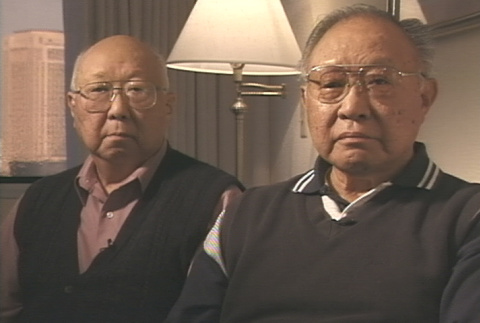
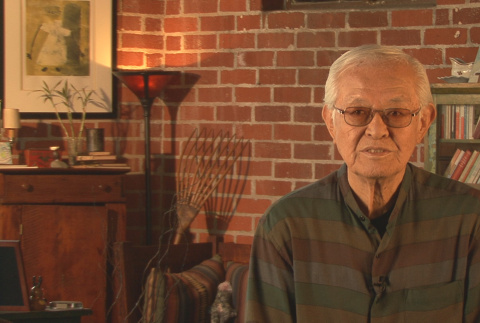
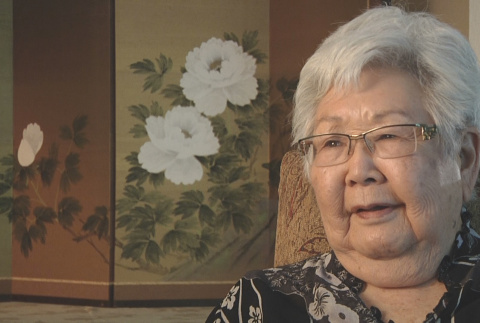
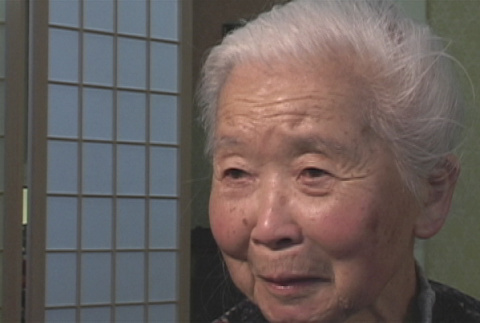
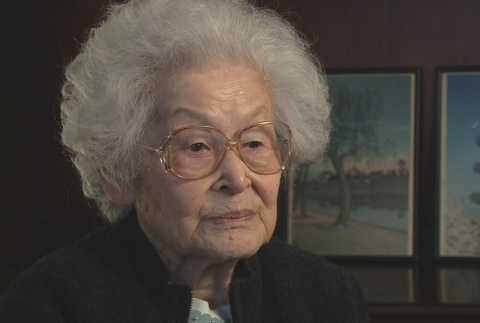
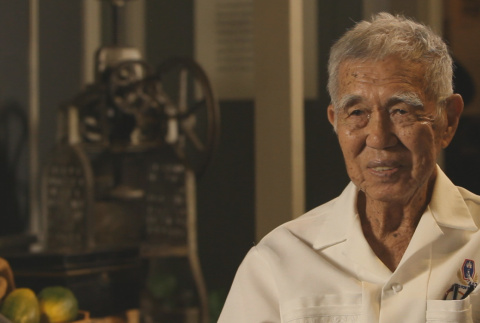
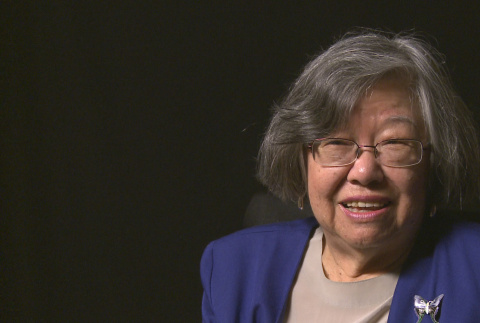
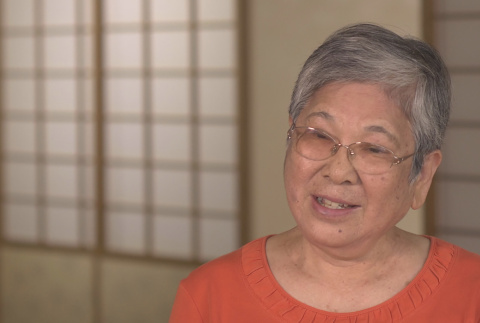
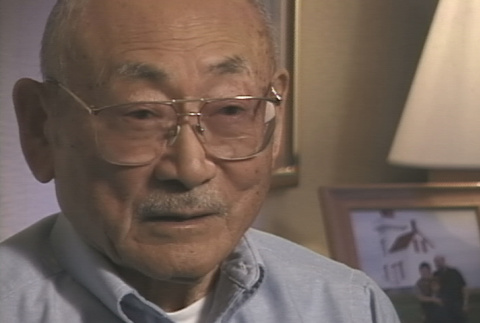
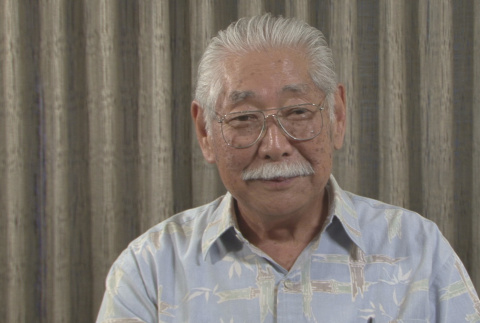
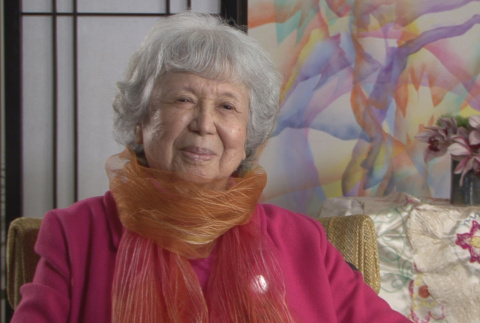
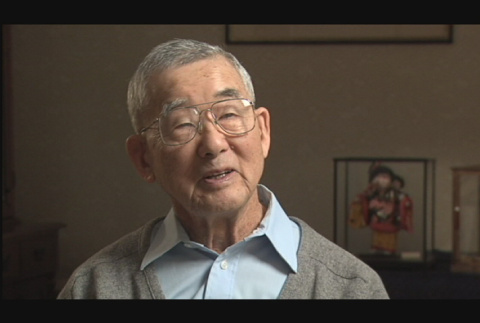
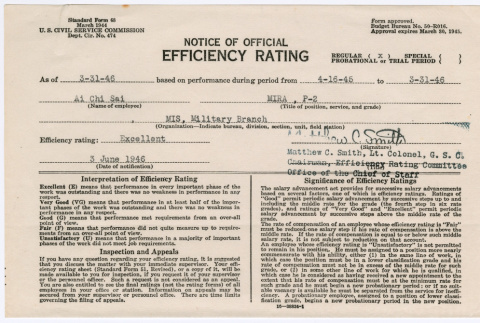
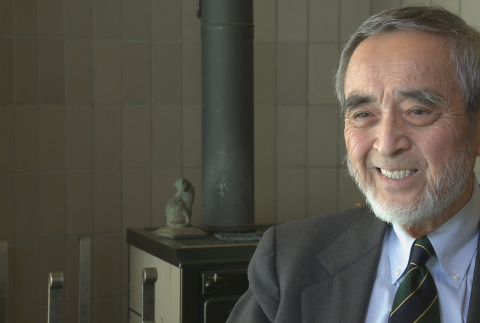
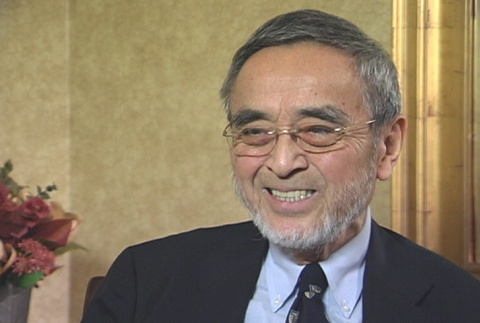
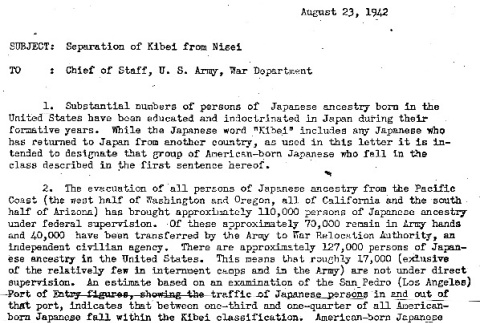
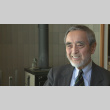
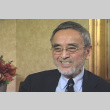
Nisei males. Harry born 1920 and Kenjiro born 1923. Both brothers served with the Military Intelligence Service during World War II.
(This material is based upon work assisted by a grant from the Department of the Interior, National Park Service. Any opinions, finding, and conclusions or recommendations expressed in this material are those of the author(s) …
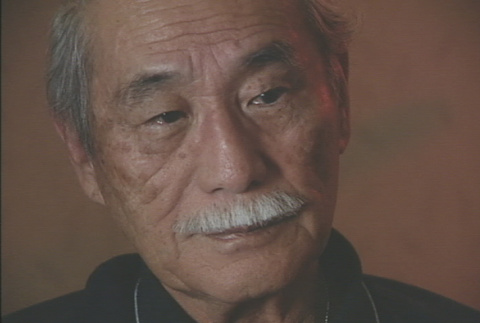
Nisei male. Born January 12, 1918, in Berkeley, California. Served in the Military Intelligence Service during World War II.
(This material is based upon work assisted by a grant from the Department of the Interior, National Park Service. Any opinions, finding, and conclusions or recommendations expressed in this material are those of the author(s) and do …
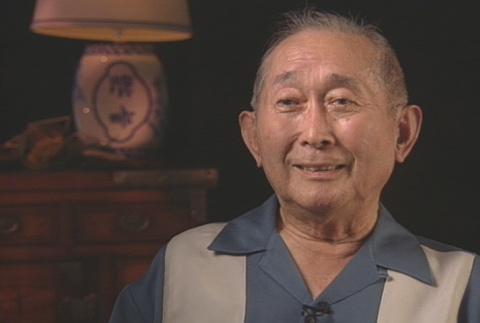
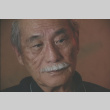
Nisei male. Born December 9, 1917. During World War II, served with the Military Intelligence Service in New Caledonia and Guadalcanal.
(This material is based upon work assisted by a grant from the Department of the Interior, National Park Service. Any opinions, finding, and conclusions or recommendations expressed in this material are those of the author(s) …
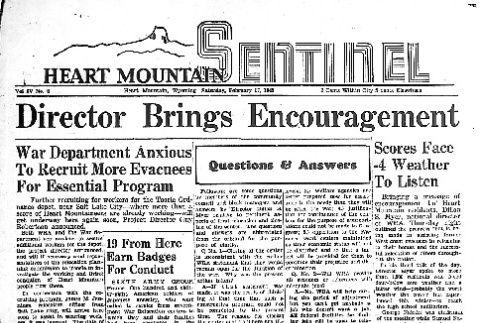
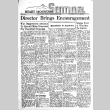
Selected article titles: "Director Brings Encouragement. Scores Face -4 Weather to Listen" (p. 1), "War Department Anxious to Recruit More Evacuees for Essential Program" (p. 1), "Hospital Admits Nisei Girl When Protests Hit Newspapers" (p. 2), "Editorial: Evacuees and the Army" (p. 4).
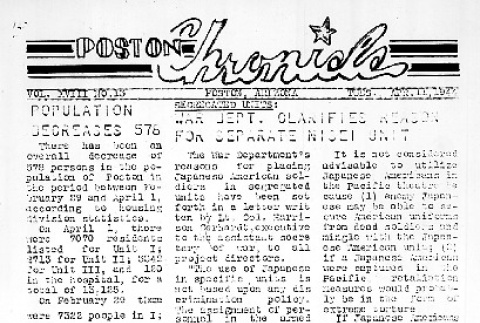
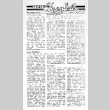
Selected article titles: "Leave Clearance: Expatriates Dockets Held Up" (p. 1), "Hearings Being Held at Tule" (p. 1), "Segregated Units: War Department Clarifies Reason for Separate Nisei Unit" (p. 1), "Deferment: Chances for Deferment Slim" (p. 1), "Seven Parolees Join Families" (p. 7).
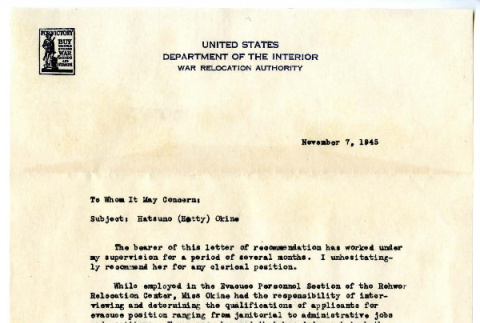
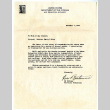
A recommendation letter for Hatsuno Hotty Okine written by Ed Bethune, United States Department of the Interior War Relocation Authority, who is her supervisor when she is employed in "the Evacuee Personnel Section of the Rohwer Relocation Center." See this object in the California State Universities Japanese American Digitization project site: oki_01_31_001
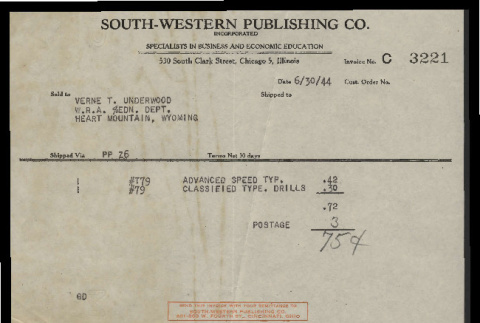
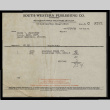
Invoice from South-Western Publishing Co. to Verne T. Underwood of the War Relocation Authority Education Department, Heart Mountain, issued on June 30, 1944. See this object in the California State Universities Japanese American Digitization project site: sac_jaac_1003
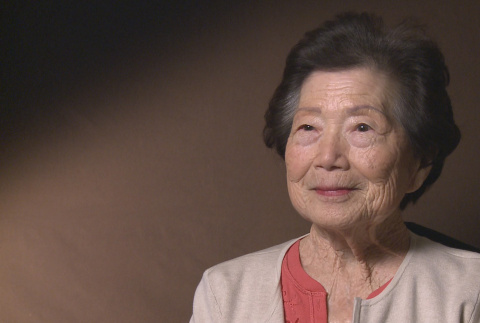
Nisei female. Born 1922 in Fresno, California, where parents owned a tofu shop. Mother passed away prior to World War II giving birth to twin girls. Married prior to the war. Removed to the Fresno Assembly Center, California, and the Jerome concentration camp, Arkansas. After leaving camp, returned to Fresno.
Nisei male. Born 1930 in Monterey, California. Grew up in the Wilmington neighborhood of Los Angeles, where father was a fisherman. During World War II, removed to the Santa Anita Assembly Center, California, and the Heart Mountain concentration camp, Wyoming. Returned to Los Angeles after the war.
Nisei female. Born March 8, 1930, in Brooks, Oregon. Grew up in Brooks, where parents ran a farm. During World War II, removed to the Tule Lake concentration camp, California, and transferred to the Minidoka concentration camp, Idaho. After the war, returned to Oregon and remained in Portland.
Nisei female. Born January 25, 1915, in Montavilla, Oregon. Grew up in Portland and attended college before World War II. During the war, removed to the Portland Assembly Center, Oregon, and the Minidoka concentration camp, Idaho. Left camp with husband and lived in New York and Washington, D.C. Eventually returned to Portland.
Nisei female. Born January 4, 1919, in Portland, Oregon. Grew up in Fairview, Oregon, where family ran a farm. Married and had a child before World War II. During the war, removed to the Portland Assembly Center, Oregon, and the Minidoka concentration camp, Idaho. After leaving camp, returned to Fairview.
Nisei male. Born April 27, 1923, in Waialua, Hawaii. Grew up in Hawaii, where father was a Buddhist priest. During World War II, served with the 442nd Regimental Combat Team in France and Italy. After the war, went to law school and eventually returned to Hawaii.
(This material is based upon work assisted by a grant …
Nisei female. Born June 15, 1925, in Sacramento, California. During World War II, removed to the Sacramento Assembly Center, California, and the Tule Lake concentration camp, California. Transferred to the Granada (Amache) concentration camp, Colorado. Left camp for Cleveland, Ohio, and worked for the War Relocation Authority. Eventually settled in Chicago, Illinois.
Issei female. Born November 28, 1932, in Okinawa, Japan. Grew up in Japan where parents ran a farm. During World War II, when the Allied forces landed in Okinawa, fled home village with a large group and hid in the jungle. After the war, returned home, married, and eventually moved to Hawaii.
Nisei male. Born August 16, 1917. Volunteered for the military in March 1941. During the war, served with the Military Intelligence Service as head of the interrogation section in New Guinea and the Philippines as well as for the war crimes trials during the occupation of Japan.
Nisei male. Born October 4, 1931, in Los Angeles, California. During World War II, removed to the Manzanar concentration camp, California. After leaving camp, returned to the Los Angeles area. Was drafted into the military and served during the Korean War. Became a teacher, and is active in Japanese American community organizations.
Nisei female. Born February 18, 1927, in Los Angeles, California. Grew up in Los Angeles. During World War II, removed to the Manzanar concentration camp, California. After leaving camp, lived for a time in Colorado before returning to California. After the war, became a teacher and an artist.
Nisei male. Born April 10, 1920, in Seattle, Washington. Moved from Seattle to Bainbridge Island, Washington, at age five. During World War II, removed to the Manzanar concentration camp, California. Volunteered for the military and served in Europe. After the war, eventually returned to Bainbridge Island and reestablished family's farm.
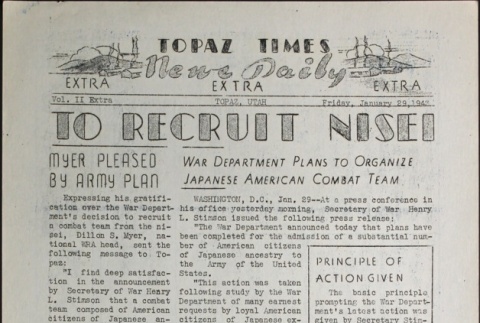
Selected article titles: "To Recruit Nisei. War Department Plans to Organize Japanese American Combat Team" (p. 1), "Myer Pleased by Army Plan" (p. 1), "Six Residents Give to JACL National Fund" (p. 1), "Principle of Action Given" (p. 1), "Nisei Soldiers Visiting City" (p. 1).
Nisei male. Born July 22, 1928, in Seattle, Washington. Grew up in Seattle before being removed to the Puyallup Assembly Center, Washington, and the Minidoka concentration camp, Idaho. Following World War II, worked for the U.S. Department of State as a foreign service officer.
Nisei male. Born July 22, 1928, in Seattle, Washington. Grew up in Seattle before being removed to the Puyallup Assembly Center, Washington, and the Minidoka concentration camp, Idaho. Following World War II, worked for the U.S. Department of State as a foreign service officer.
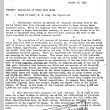
Letter written by John L. DeWitt, Lieutenant General, U.S. Army, to Chief of Staff, U.S. Army. DeWitt's conclusions: co-mingling of Kibei with Nisei is dangerous, and Kibei are a threat to national security. Recommends that the War Department institute a policy which would separate the Kibei from the Nisei, forfeit the U.S. citizenship of the Kibei, …