
405 items






405 items
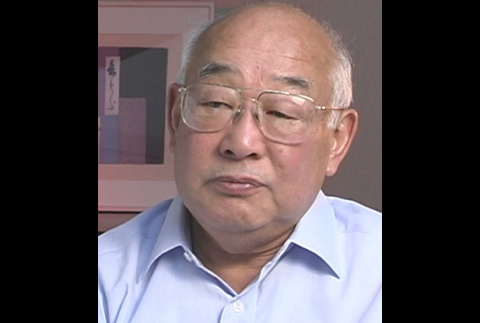
Narrator Wesley K. Watanabe
Ni-ten-gosei (Nisei/Sansei) male. Born May 20, 1935, in Tacoma, Washington. Spent early childhood in Kent, Washington, and was removed with family to the Pinedale Assembly Center at age seven. Family was incarcerated at Tule Lake concentration camp, California, and then moved to Minidoka concentration camp, Idaho. Resettled and attended grade school and high school in Chicago, …
Narrator Sue Takimoto Okabe
Nisei female. Born September 5, 1928, in Tacoma, Washington, moved with her family to Seattle at age four. At age six, began singing, taking voice lessons and performing on stage for Japanese American community events. In 1942, was incarcerated with her family at Puyallup Assembly Center and Minidoka concentration camp, Idaho, where she continued to sing …
Narrator Joe Yasutake
Nisei male. Born May 25, 1932, in Seattle, Washington. Father employed by the U.S. Immigration and Naturalization Service as interpreter for twenty years, until separated from family on December 7, 1941 and interned as an enemy alien. Removed from Seattle with mother, sister and two brothers in 1942. Attended school (fifth through sixth grades) while incarcerated …
Narrator Jim Hirabayashi
Nisei male. Born October 30, 1926, in small town of Thomas, Washington, on family farm. Attended school in Auburn, Washington, before being removed to the Pinedale Assembly Center and Tule Lake concentration camp, California. Left camp to work in Idaho, and was subsequently joined by family. Postwar, became a social anthropologist, and later became only the …
Narrator Kiyoshi Seishin Yamashita
Nisei male. Born February 14, 1920, in Kent, Washington. Grew up in the nearby town of Auburn, where parents ran a farm. Family was involved Auburn Buddhist Church. Graduated from the University of Washington in 1942 and removed to the Pinedale Assembly Center and Tule Lake concentration camp, California. Recruited out of Tule Lake to teach …

av
An Oral History with Lillie Y. McCabe, Part II (ddr-csujad-29-17)
An oral history with Lillie Y. McCabe, an incarceree at the Santa Anita Temporary Assembly Center and the Granada (Amache) incarceration camp. This interview was conducted for the Japanese American Oral History Project by California State University, Fullerton. The interview covers the Anglo reverends and ministers who helped her while she was incarcerated at Amache, how …

av
Bitter Memories: Tule Lake (ddr-densho-1024-12)
Early film that provides an overview of the wartime forced removal and incarceration of Japanese Americans on the West Coast produced by the University of California, Berkeley in 1975. Bitter Memory tells the story through narration and interviews with former inmates accompanied by archival footage from Office of War Information/War Relocation Authority (WRA) films and WRA …
Narrator Peter Irons
White male. Born 1940 in Salem, Massachusetts. Family moved frequently during his childhood due to father's employment. Strongly influenced by parents' values regarding racial tolerance and inclusion, and principles learned through Unitarian Church. While attending Antioch College in Ohio, became involved in political and social activism for civil rights. Joined the youth branch of NAACP, the …
Narrator Ronald Ikejiri
Sansei male. Born December 3, 1948, in Los Angeles, California. During World War II, parents had been incarcerated at the Tule Lake concentration camp, California. Father signed 'no-no' on the so-called 'loyalty questionnaire', renounced U.S. citizenship, and was sent to the Department of Justice camp at Bismarck, North Dakota. Family did not end up expatriating to …
vh
Joe Yasutake Interview (ddr-densho-1000-136)
Nisei male. Born May 25, 1932, in Seattle, Washington. Father employed by the U.S. Immigration and Naturalization Service as interpreter for twenty years, until separated from family on December 7, 1941 and interned as an enemy alien. Removed from Seattle with mother, sister and two brothers in 1942. Attended school (fifth through sixth grades) while incarcerated …
vh
Paul Satoh Interview (ddr-densho-1021-9)
Born in Osaka, Japan, in 1936, Paul Satoh spent a happy childhood as the only child of a chemist and a homemaker. Satoh's extended family included an uncle who had studied at the University of California, Los Angeles, and his wife, a US-born Nikkei from Hawai'i who occasionally had received a "care pack from the United …
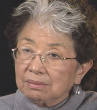
Narrator Mitsuye May Yamada
Female, child of Issei parents. Born July 5, 1923, in Fukuoka, Japan while her mother and two older Nisei brothers visited relatives. Named Mitsuye Mei Yasutake at birth. From age 3, grew up in Seattle, WA. Father employed by the U.S. Immigration and Naturalization Service as interpreter for twenty years, until separated from family on December …
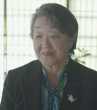
Narrator Teresa Maebori
Sansei female. Born February 13, 1945, in Caldwell, Idaho. During World War II, parents were incarcerated at the Tule Lake concentration camp, California. After leaving camp, moved to Auburn, Washington, where father's family had a pottery business and mother was a dressmaker. Teresa grew up in Auburn and graduated from the University of Washington. Served in …
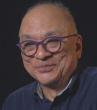
Narrator Frank Abe
Sansei male. Born 1951 in Cleveland, Ohio. During World War II, father was incarcerated the Pomona Assembly Center, California, and the Heart Mountain concentratin camp, Wyoming. Mother came to the United States from Japan in 1950. Frank grew up in Cleveland, where his parents owned a boarding house. Earned a B.A. in theater directing from the …

vh
Donald K. Tamaki Interview (ddr-densho-1021-10)
Born in 1951, Donald K. Tamaki spent his formative years in the era of the African American and Asian American civil rights movements. He studied at the Asian American Studies program at University of California, Berkeley, and became a lawyer inspired by the significant social and political changes of the 1970s. In the early 1980s, he …
vh
Mitsuye May Yamada Interview (ddr-densho-1000-137)
Female, child of Issei parents. Born July 5, 1923, in Fukuoka, Japan while her mother and two older Nisei brothers visited relatives. Named Mitsuye Mei Yasutake at birth. From age 3, grew up in Seattle, WA. Father employed by the U.S. Immigration and Naturalization Service as interpreter for twenty years, until separated from family on December …
Narrator Hideo Hoshide
Nisei male. Born September 25, 1917, in Tacoma, Washington. Grew up in Tacoma except for living in Japan for several years at age four. Attended the University of Washington in Seattle, majoring in Political Science, Far Eastern Studies, with a minor in journalism. Prior to World War II, worked as sports editor for community newspaper, The …
Narrator John Kanda
Nisei male. Born July 10, 1925, in Seattle, Washington. Grew up in the Thomas-Auburn area of Washington. Following Executive Order 9066, family was removed to the Pinedale Assembly Center, then to Tule Lake concentration camp in California. Later transferred to Minidoka concentration camp, Idaho. Volunteered as a replacement for the 100th/442nd Regimental Combat Team and trained …

vh
An Oral History with Sumiye Takeno, Part II - Segment 1 (ddr-csujad-29-60-1)
An oral history with Sumiye Takeno, a current resident of Denver, Colorado. This interview was conducted for the Japanese American Oral History Project by California State University, Fullerton. The purpose of this interview was to gather information regarding Takeno's incarceration and resettlement experience during World War II. Specifically, the interview covers her childhood in Florin, California, …

vh
An Oral History with Sumiye Takeno, Part I - Segment 1 (ddr-csujad-29-59-1)
An oral history with Sumiye Takeno, a current resident of Denver, Colorado. This interview was conducted for the Japanese American Oral History Project by California State University, Fullerton. The purpose of this interview was to gather information regarding Takeno's incarceration and resettlement experience during World War II. Specifically, the interview covers her childhood in Florin, California, …
Narrator Geri Handa
Geri Handa was born in San Jose, California, in 1948, and studied in the early 1970s at the School of Social Welfare at the University of California, Los Angeles, with a focus on community organizing and social services for seniors. She joined Asians for Community Actions in San Jose and worked at Keiro Nursing Home in …
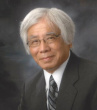
Narrator Paul Satoh
Born in Osaka, Japan, in 1936, Paul Satoh spent a happy childhood as the only child of a chemist and a homemaker. Satoh's extended family included an uncle who had studied at the University of California, Los Angeles, and his wife, a US-born Nikkei from Hawai'i who occasionally had received a "care pack from the United …
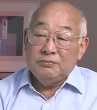
Narrator Tomio Moriguchi
Ni-ten-gosei (Nisei/Sansei) male. Born April 16, 1936, in Tacoma, Washington. During World War II, was incarcerated with his family at the Tule Lake concentration camp, California. After the war, resettled in Seattle's Nihonmachi, where his father reestablished the family business, Uwajimaya, selling Japanese foodstuff and other items. Worked at Uwajimaya throughout his childhood -- along with …

vh
Kathy Yamaguchi Interview (ddr-densho-1021-1)
Kathy Yamaguchi (pseudonym) was born in 1948 as a Sansei daughter of a homemaker and a gardener, who had met in the incarceration camp in Topaz, Utah. Yamaguchi calls her father an "assimilationist" who mostly associated with non-Asians, and she feels that she, too, did not have a lot of Japanese American friends when she was …