
2184 items
2184 items
vh
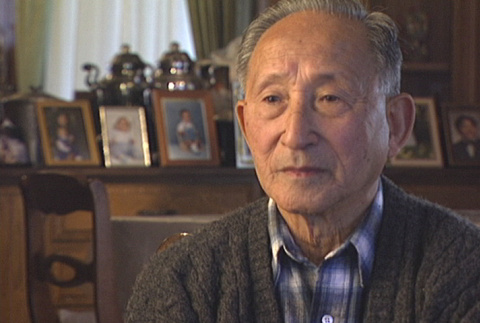
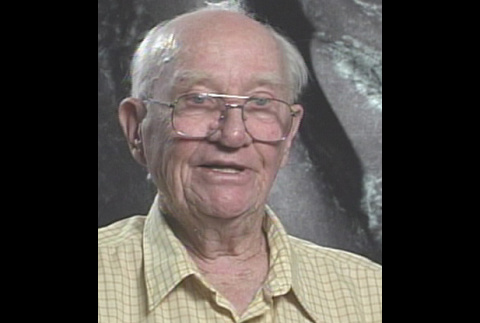
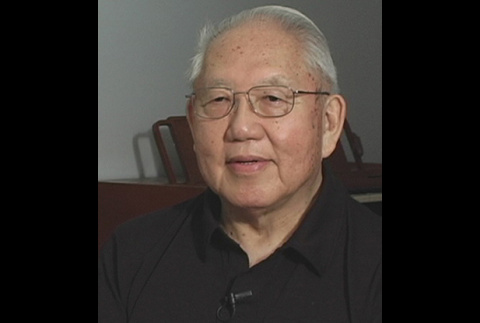
Harry Ueno Interview Segment 2 (ddr-densho-1002-7-2)
Returning to the United States in 1923, working in a lumber mill
This interview was conducted by sisters Emiko and Chizuko Omori for their 1999 documentary, Rabbit in the Moon, about the Japanese American resisters of conscience in the World War II incarceration camps. As a result, the interviews in this collection are typically not …
vh
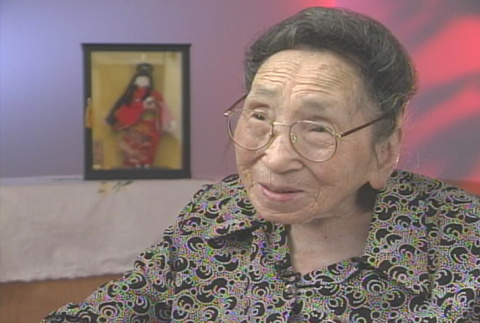
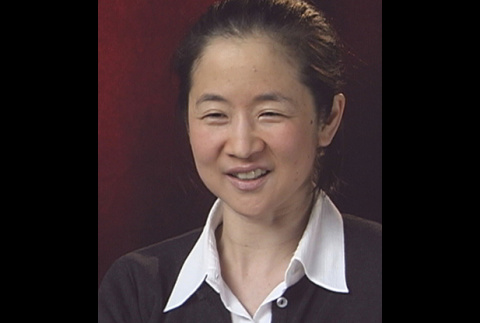
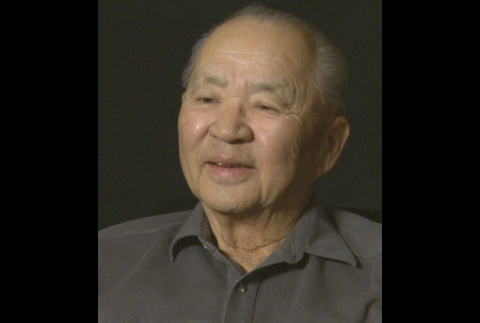
Take Murayama Interview Segment 2 (ddr-densho-1000-110-2)
Meeting husband through an arranged marriage, preparing to immigrate to the United States (Japanese language)
This interview was conducted in Japanese. It was translated so as to convey Mrs. Murayama's way of speaking as closely as possible. For example, there are instances in which she makes grammatical errors. These mistakes are conveyed through similar grammatical errors …
Collection
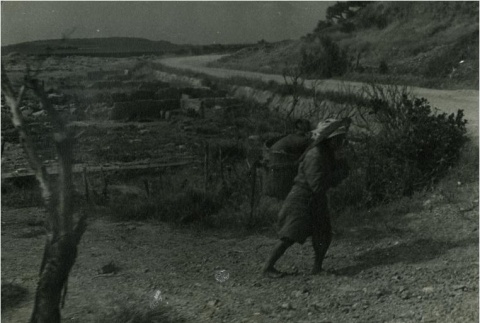
Akira Nakamura Family Collection (ddr-densho-179)
This collection contains photographs and documents belonging to Mr. Akira Nakamura, who served in the U.S. Military Intelligence Service during World War II. In 1945, he was selected to serve in Okinawa interrogating Japanese prisoners of war. The collection includes photographs of Okinawan civilians and U.S. soldiers. Also included are drawings and calligraphy given to Mr. …
doc
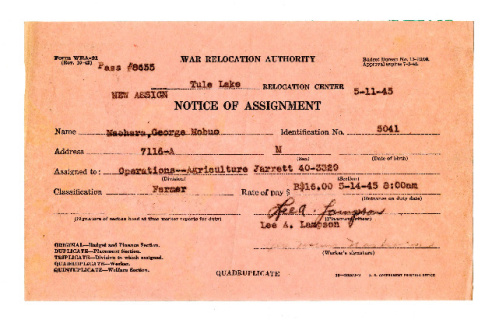
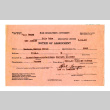
Notice of assignment, Form WRA-21, George Naohara (ddr-csujad-38-566)
A notice of assignment, Form WRA-21, issued by Lee A. Lampson, Tule Lake Relocation Center, War Relocation Authority. It notifies George Nobuo Naohara of a farmer's position assigned. See this object in the California State Universities Japanese American Digitization project site: nao_05_13_019
doc
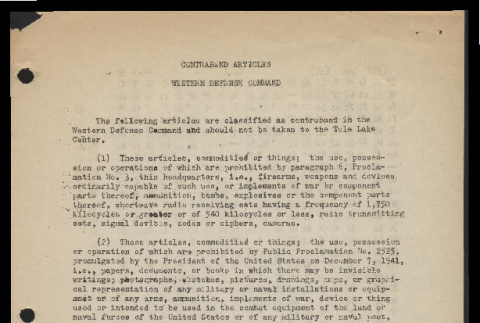
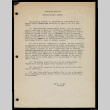
Contraband articles: Western Defense Command (ddr-csujad-55-864)
List and description of items classified by the Western Defense Command as contraband. See this object in the California State Universities Japanese American Digitization project site: sac_jaac_0866
doc
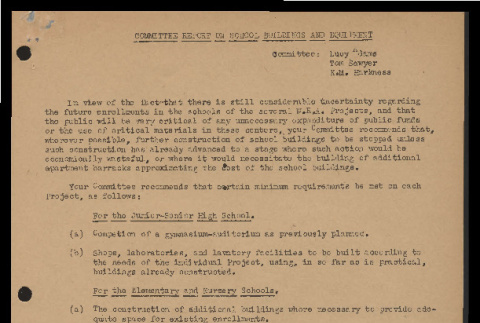
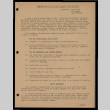
Committee report on school buildings and equipment (ddr-csujad-55-1729)
Report and recommendations on school buildings and equipment at Poston incarceration camp. Covers Junior-Senior high school, elementary school, and nursery schools. See this object in the California State Universities Japanese American Digitization project site: sac_jaac_1731
doc
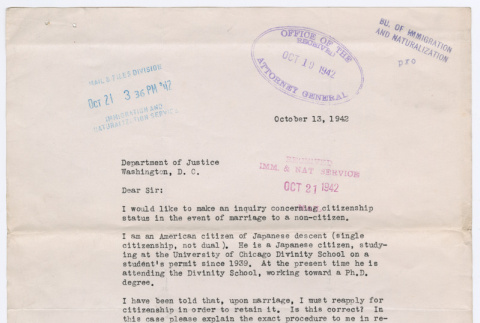
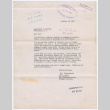
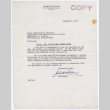
Letter from Ryo Morikawa to Department of Justice (ddr-densho-446-74)
Query regarding citizenship status in the event of marrying a non-citizen
doc
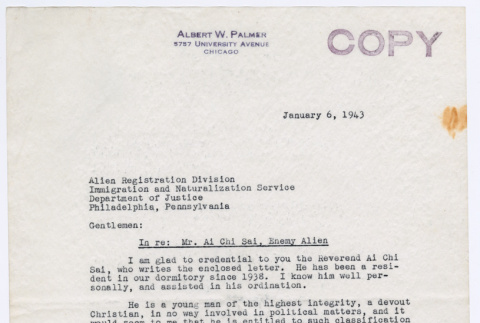
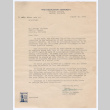
Letter from Albert W. Palmer to Alien Registration Division (ddr-densho-446-80)
AWP vouches for Ai Chih Tsai and requests that he should be reclassified as a Formosan-Chinese.
doc
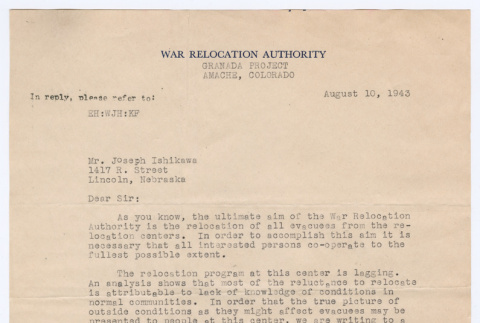
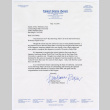
Letter from Willis Hanson to Joseph Ishikawa (ddr-densho-468-129)
Request for information about Ishikawa's experience with war relocation program
doc
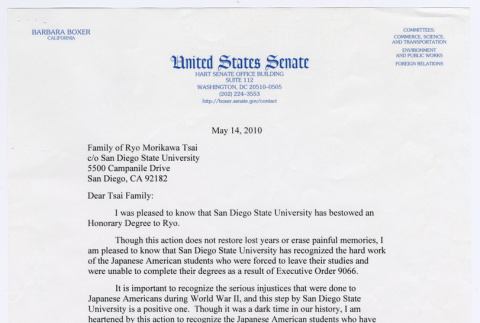
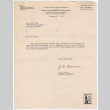
Letter from Senator Barbara Boxer to family of Ryo Morikawa Tsai (ddr-densho-446-364)
Congratulatory letter from Senator Barbara Boxer
doc
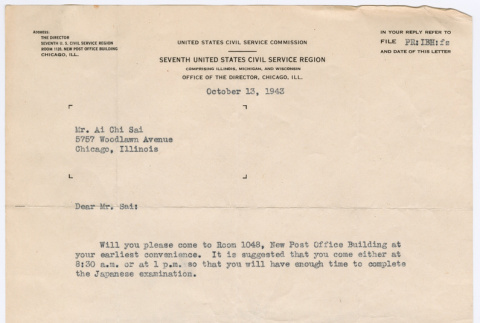
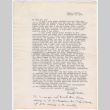
Letter from J. A. Connor to Ai Chih Tsai (ddr-densho-446-87)
Invitation to meeting in New Post Office Building for Japanese examination
doc
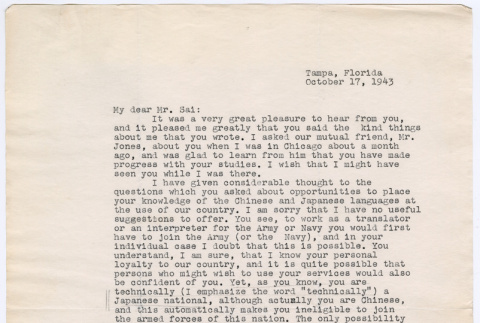
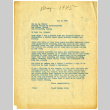
Letter from Donald W. Riddle to Ai Chih Tsai (ddr-densho-446-88)
Response to Ai Chih Tsai: Since Tsai can't join US military as translator due to "Japanese citizenship", perhaps US Department of State will employ him. Advises Tsai to complete studies.
doc
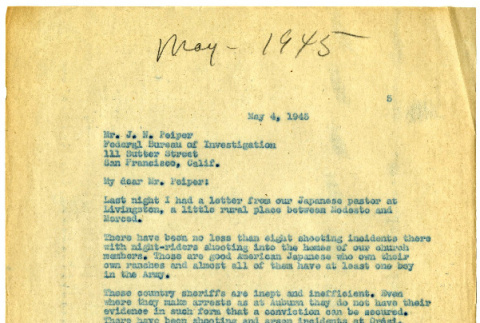
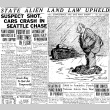
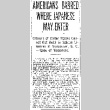
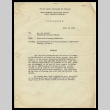
Letter from Frank Herron Smith to J. H. Peiper, Federal Bureau of Investigation, May 4, 1945 (ddr-csujad-21-1)
Smith urges FBI action be taken to stop injustices done to Japanese American citizens during World War II. Letter mentions correspondence from a Japanese pastor in Livingston, California, near Modesto and Merced, describing "no less than eight shooting incidents in which night-riders have shot into the homes of our church members." Smith also describes shooting and …
doc
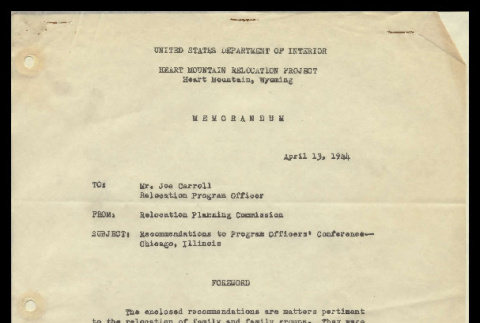
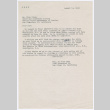
Memo from Robert Y. Kodama, Executive Sec'y, Relocation Planning Commission, United States Department of the Interior to Mr. Joe Carroll, Relocation Program, April 13, 1944 (ddr-csujad-55-933)
Memorandum of understanding from Robert Kodama, Executive Secretary of the Relocation Planning Commission, to Joe Carroll regarding recommendations to the Program Officers conference. Covers Liberalizing Egress and Ingress to the Centers for the Evacuees, Increase of Subsistence Allowance for Grants, Community Adjustment Advisor Should Work Hand in Hand with an Evacuee Staff Member, Evacuee Public Relations …
doc
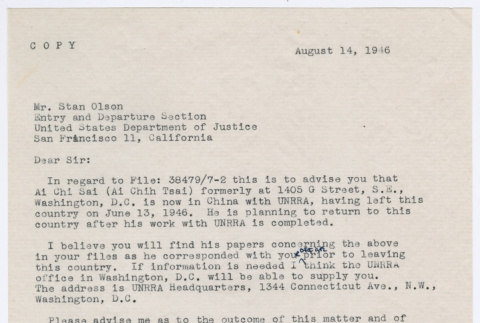
Letter from Ryo Tsai to Stan Olson (ddr-densho-446-227)
Ai Chih Tsai is in China with UNRRA. He left US on June 13, 1946. His Chinese citizenship was granted May 1946.
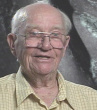
Narrator Charles Olds
White male. Born 1913 in Karuizawa, Japan, to missionary parents. Attended Canadian school in Kobe, Japan, before coming to the United States with his older brother. He attended the University of Chicago School of Social Work, then volunteered to work for the War Relocation Authority (WRA). He later worked as a relocation officer in the concentration …
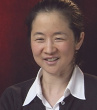
Narrator Julie Otsuka
Sansei female. Born May 15, 1962, in Palo Alto, California. Mother was a Nisei who was incarcerated during World War II, and father was a Japanese immigrant who came to the United States in 1950. Grew up in Palo Alto, California, before studing art at Yale University. Later moved to New York, giving up art and …
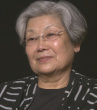
Narrator Ruth Y. Okimoto
Nisei female. Born April 15, 1936, in Tokyo, Japan. Brought to the United States with parents at the age of one, and grew up in San Diego, California, where father was a minister. During World War II, removed to the Santa Anita Assembly Center, California, and the Poston concentration camp, Arizona. After the war, forged connections …
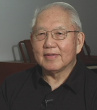
Narrator Robert A. Nakamura
Nisei/Sansei male. Born July 5, 1936, in Venice, California. During World War II, removed to the Manzanar concentration camp, California. After leaving camp, lived for a time in Denver before returning to Los Angeles. After the war, became a pioneering filmmaker. Founder of Visual Communications, the oldest community-based media arts center in the United States. Along …
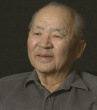
Narrator Yoshimitsu Suyematsu
Nisei male. Born May 30, 1927, on Bainbridge Island, Washington. Grew up on Bainbridge, where parents ran a strawberry farm. During World War II, removed to the Manzanar concentration camp, California, then transferred to the Minidoka concentration camp, Idaho. After leaving camp, returned to Bainbridge for a time and then volunteered for the military, serving in …
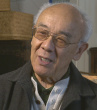
Narrator Hiroshi Terry Terakawa
Nisei male. Born January 3, 1929, in Kyoto, Japan. Came to United States as a young child with parents. Moved frequently as a child due to father's role as a Buddhist minister, living in places like Walnut Grove and Marysville, California. During World War II, was living in Salt Lake City. Drafted into the army and …
Narrator Susumu Nakanishi
Shin-Issei male. Born September 10, 1926, in Hyogo, Japan. Grew up in Japan, where parents farmed. During World War II, exempted from the draft due to higher education status. Attended Doshisha University in Kyoto, learning English from an influential missionary. Moved to the United States and attended Lehigh University in Pennsylvania, then studied at the University …
doc
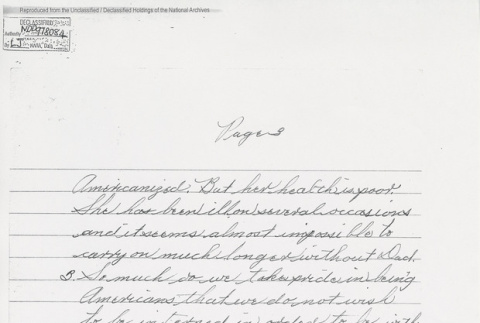
Letter from William K. Koyama from the Minidoka Concentration Camp to the United States Attorney Carl C. Donaugh asking him to parole his father, Keizaburo Koyama. Page 3 of 4. (ddr-one-5-167)
Photocopy of a declassified letter written by Keizaburo Koyama's son, William, to the United States Attorney Carl C. Donaugh asking him to release his father to the Minidoka War Relocation Center. William continues that his mom is in poor health and may not live much longer without being reunited with her husband. He does not wish …