
104 items
104 items
vh
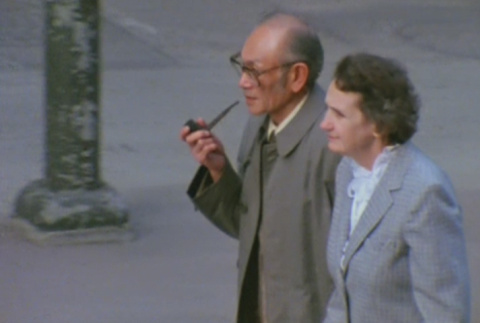
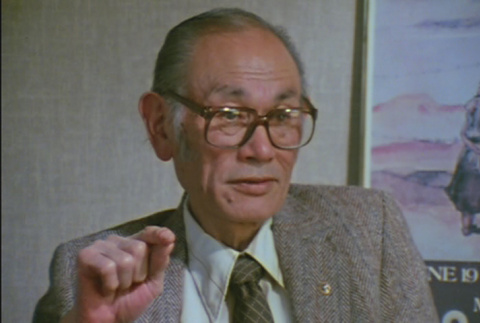
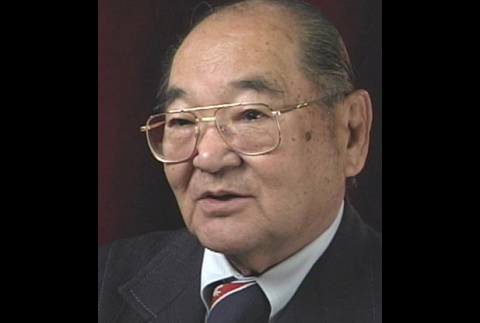
Fred Korematsu - Kathryn Korematsu Interview (ddr-densho-1012-8)
This interview centers on the experiences of Fred Korematsu, a Nisei who challenged the constitutionality of Executive Order 9066, which authorized the mass removal of Japanese Americans during World War II. Mr. Korematsu lost his initial legal case in 1944, but in the early 1980s, his case was reopened after the discovery of a crucial document …
vh
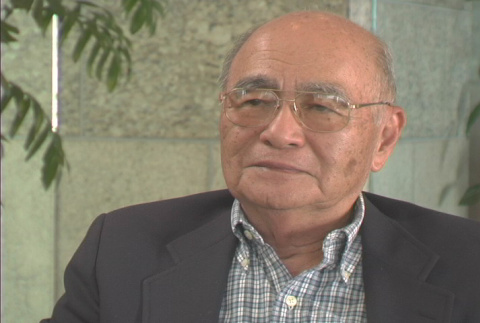
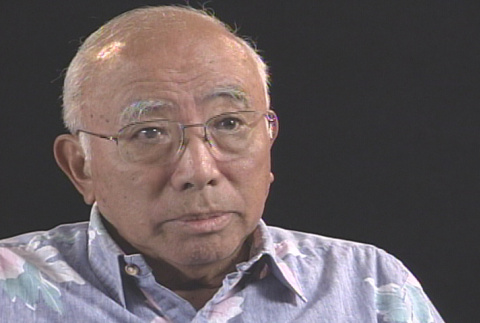
Richard Kosaki Interview Segment 17 (ddr-janm-13-1-17)
Discussion of differences between Hawaii and the mainland U.S. during World War II, and the Hawaiian spirit of aloha
This material is based upon work assisted by a grant from the Department of the Interior, National Park Service. Any opinions, finding, and conclusions or recommendations expressed in this material are those of the author(s) and do …
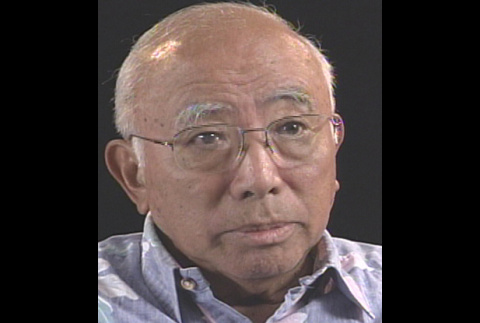
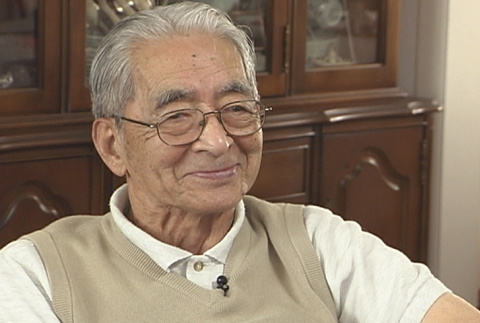
Narrator Joe Yasutake
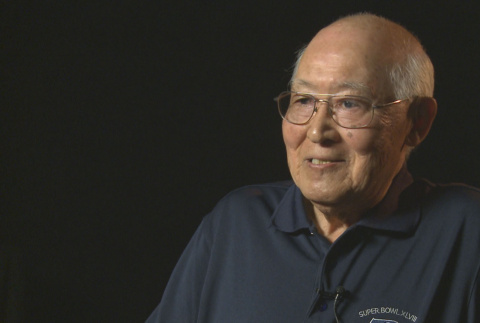
Nisei male. Born May 25, 1932, in Seattle, Washington. Father employed by the U.S. Immigration and Naturalization Service as interpreter for twenty years, until separated from family on December 7, 1941 and interned as an enemy alien. Removed from Seattle with mother, sister and two brothers in 1942. Attended school (fifth through sixth grades) while incarcerated …
doc
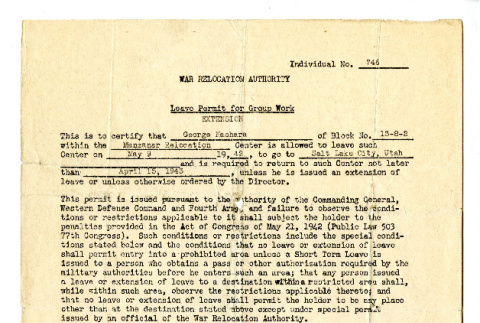
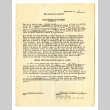
Leave permit for group work, George Naohara (ddr-csujad-38-555)
A leave permit for group work extension issued by Henry Harris Jr., Relocation Officer, War Relocation Authority, the U.S. Department of the Interior. It certifies that George Nobuo Naohara is allowed to leave the Manzanar camp in California on May 9, 1942 for Salt Lake City, Utah until April 15, 1943. Special conditions are noted in …
vh
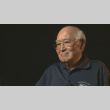
Frank Saburo Sato Interview I (ddr-densho-1000-445)
Nisei male. Born March 16, 1929, in Puyallup, Washington. Grew up in the Sumner, Washington, area, where parents had a produce business. During World War II, removed with family to the Puyallup Assembly Center, Washington, and the Minidoka concentration camp, Idaho. After the war, attended the University of Washington and the University of Southern California. Established …
vh
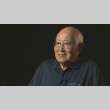
Frank Saburo Sato Interview II (ddr-densho-1000-446)
Nisei male. Born March 16, 1929, in Puyallup, Washington. Grew up in the Sumner, Washington, area, where parents had a produce business. During World War II, removed with family to the Puyallup Assembly Center, Washington, and the Minidoka concentration camp, Idaho. After the war, attended the University of Washington and the University of Southern California. Established …
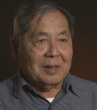
Narrator Tokio Yamane
Kibei male. Born Born September 2, 1922, in Hawaii. Moved with family to Hiroshima at age three, then returned to the Fresno area of the U.S. for high school. During World War II, was sent to the Fresno Assembly Center, California, and the Jerome concentration camp, Arkansas. While at Jerome, refused to answer the so-called "loyalty …
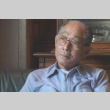
Narrator Ron Wakabayashi
Sansei male. Born November 13, 1944, in Reno, Nevada, where parents had resettled after leaving the concentration camps in Topaz, Utah, and Rohwer, Arkansas, during World War II. Grew up in East Los Angeles. Involved in a number of community social service organizations in Los Angeles, such as Oriental Concern and the Asian American Drug Abuse …
vh
Tokio Yamane Interview Segment 2 (ddr-densho-1000-432-2)
Looking back on the World War II experience: blaming individuals, not the U.S. government (Japanese language)
This interview was conducted in Japanese. The transcript is a translation of the original interview. This material is based upon work assisted by a grant from the Department of the Interior, National Park Service. Any opinions, finding, and conclusions or …
Collection
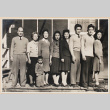
Sumida Family Collection (ddr-densho-379)
The Sumida Family Collection contains material about Chimata and Masako Murakami Sumida and their six children, Alice Yuriko Endo, Grace Rayko Nagai, Emmy Ito, Marshall Masaru Sumida, Theodore Tetsuro Sumida, Marjorie Yohko Matsumoto, and their families. Before World War II, Chimata Sumida owned a music store located in Los Angeles’ Japanese Town that sold music, instruments, …
doc
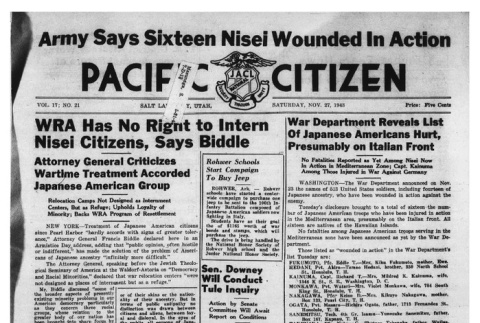
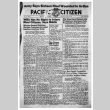
The Pacific Citizen, Vol. 17 No. 21 (November 27, 1943) (ddr-pc-15-46)
Selected article titles: "WRA Has No Right to Intern Nisei Citizens, Says Biddle. Attorney General Criticizes Wartime Treatment Accorded Japanese American Group. Relocation Camps Not Designed as Internment Centers, But as Refuge; Upholds Loyalty of Minority; Backs WRA Program of Resettlement" (p. 1), "War Department Reveals List Of Japanese Americans Hurt, Presumably on Italian Front" (p. …
vh
Ronald Ikejiri Interview (ddr-densho-1000-461)
Sansei male. Born December 3, 1948, in Los Angeles, California. During World War II, parents had been incarcerated at the Tule Lake concentration camp, California. Father signed 'no-no' on the so-called 'loyalty questionnaire', renounced U.S. citizenship, and was sent to the Department of Justice camp at Bismarck, North Dakota. Family did not end up expatriating to …
vh
Sam Ogo Interview (ddr-densho-1000-193)
Nisei male. Born September 1, 1919, in Millwood, Washington, where father worked for SP&S railroad. After serious injury, father quit the railroad and moved family to Spokane, Washington, where they operated numerous hotels. Sent to Japan with siblings in 1933 to attend school. Was only one in the family to return to the U.S. three years …
Narrator Sam Ogo
Nisei male. Born September 1, 1919, in Millwood, Washington, where father worked for SP&S railroad. After serious injury, father quit the railroad and moved family to Spokane, Washington, where they operated numerous hotels. Sent to Japan with siblings in 1933 to attend school. Was only one in the family to return to the U.S. three years …
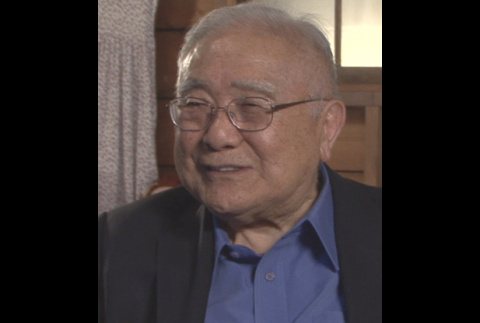
Narrator Yoshihiro Uchida
Nisei male. Born April 1, 1920, in Calexico, California. Grew up in the Orange County area. Drafted into the army during World War II, while family was removed to the Poston concentration camp, Arizona. Father and brothers were all transferred to Department of Justice camps, and eventually went to Japan. After military service, Mr. Uchida returned …
doc
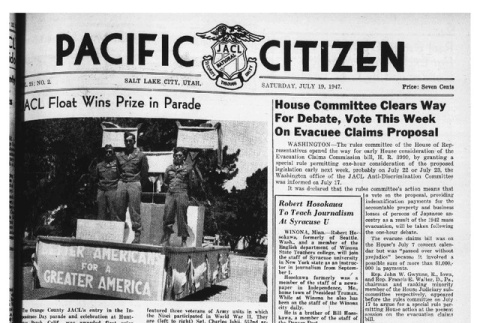
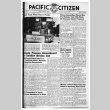
The Pacific Citizen, Vol. 25 No. 2 (July 19, 1947) (ddr-pc-19-29)
Selected article titles: "House Committee Clears Way For Debate, Vote This Week On Evacuee Claims Proposal" (p. 1), "Senate Passes Amendment to Soldier Brides Act. Will Permit Entry Into U.S. of 'Ineligible Alien' Spouses of American Servicemen" (p. 1), "JACL Committee in Japan Discusses Assistance to Nisei" (p. 1), "Real Estate Operator's Plan For Exclusion of …
vh
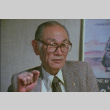
Fred Korematsu Interview (ddr-densho-1012-1)
Nisei male. Born January 30, 1919, in Oakland, California. Mr. Korematsu was working as a welder in San Francisco when Japan bombed Pearl Harbor on December 7, 1941. After Executive Order 9066 was issued in 1942, he decided to resist the evacuation orders, and was not removed with his family. He was arrested in May of …
vh
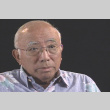
Joe Yasutake Interview (ddr-densho-1000-136)
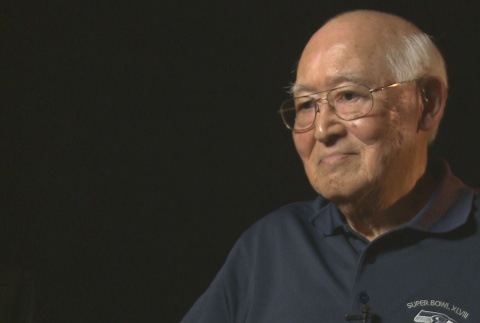
Nisei male. Born May 25, 1932, in Seattle, Washington. Father employed by the U.S. Immigration and Naturalization Service as interpreter for twenty years, until separated from family on December 7, 1941 and interned as an enemy alien. Removed from Seattle with mother, sister and two brothers in 1942. Attended school (fifth through sixth grades) while incarcerated …
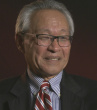
Narrator Ronald Ikejiri
Sansei male. Born December 3, 1948, in Los Angeles, California. During World War II, parents had been incarcerated at the Tule Lake concentration camp, California. Father signed 'no-no' on the so-called 'loyalty questionnaire', renounced U.S. citizenship, and was sent to the Department of Justice camp at Bismarck, North Dakota. Family did not end up expatriating to …
Narrator Frank Sato
Nisei male. Born March 16, 1929, in Puyallup, Washington. Grew up in the Sumner, Washington, area, where parents had a produce business. During World War II, removed with family to the Puyallup Assembly Center, Washington, and the Minidoka concentration camp, Idaho. After the war, attended the University of Washington and the University of Southern California. Established …
Collection
Digital Library of Japanese American Incarceration Films (ddr-densho-1024)
The Digital Library of Japanese American Incarceration Films includes over 100 films and videos about the forced removal and incarceration of Japanese Americans on the West Coast during World War II. With footage spanning over eighty years, from the 1940s to the present, this library includes a wide range of projects that represent diverse viewpoints on …
vh
Gordon Hirabayashi Interview (ddr-densho-1012-2)
Nisei male. Born April 23, 1918, in Seattle, Washington. Spent most of his childhood in Thomas, Washington, where his parents were part of a Christian farming co-op. Attended the University of Washington where he was active in the Young Men's Christian Association (YMCA), the conscientious objector movement, and became a Quaker. At the outbreak of World …
vh
Paul Bannai Interview I (ddr-densho-1000-128)
Nisei male. Born July 4, 1920 in Delta, Colorado. Grew up in small mining and farming towns in Colorado, Utah and Arizona, until his family moved to Boyle Heights in the Los Angeles, California area. After graduating from high school, he tested discrimination and employment practices and eventually succeeded in obtaining a job at a bank. …
vh
Paul Bannai Interview II (ddr-densho-1000-150)
Nisei male. Born July 4, 1920 in Delta, Colorado. Grew up in small mining and farming towns in Colorado, Utah and Arizona, until his family moved to Boyle Heights in the Los Angeles, California area. After graduating from high school, he tested discrimination and employment practices and eventually succeeded in obtaining a job at a bank. …
Narrator Paul Bannai
Nisei male. Born July 4, 1920, in Delta, Colorado. Grew up in small mining and farming towns in Colorado, Utah and Arizona, until his family moved to Boyle Heights in the Los Angeles, California area. After graduating from high school, he tested discrimination and employment practices and eventually succeeded in obtaining a job at a bank. …