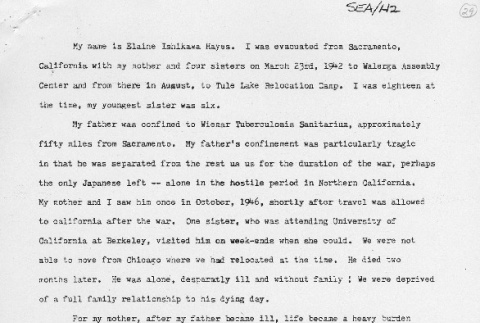
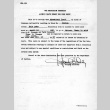
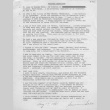
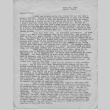
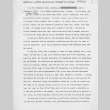
Written testimony of Elaine Ishikawa Hayes. Incarcerated at the Sacramento Assembly Center and the Tule Lake concentration camp, California. This testimony was presented at the CWRIC hearing in Seattle, Washington, on Wednesday, September 9, 1981, in the section titled "Discrimination and Psychological Impact."
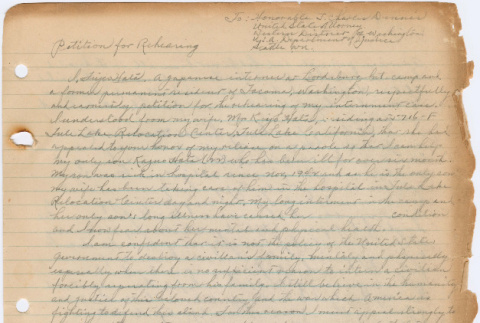
Fujio Hata requests a rehearing from Judge J. Charles Dennis in Seattle, Washington to reconsider his request of parole from Lordsburg U.S. Army Internment Camp so that he could be reunified with his family incarcerated at Tule Lake Concentration Camp. His son was sick and being treated at Tule Lake Hospital. Fujio Morikawa kept a journal …
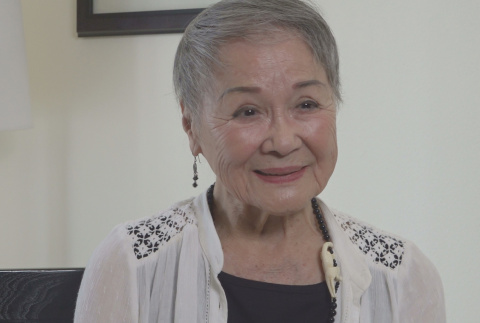
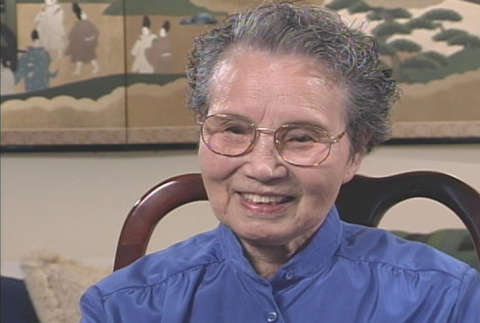
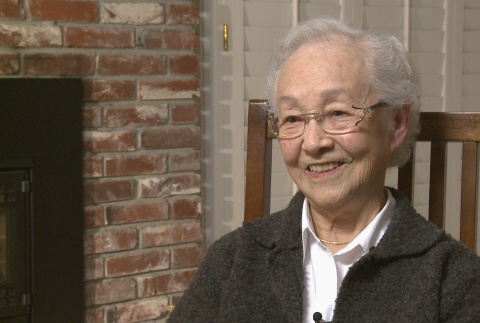
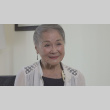
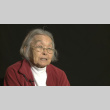
Nisei female. Born August 4, 1930, in Bellevue, Washington. Grew up in Bellevue, where parents ran a farm. During World War II, removed to the Pinedale Assembly Center and Tule Lake concentration camp, California. After leaving camp, returned to Seattle, Washington, and eventually established a career as a flight attendant.
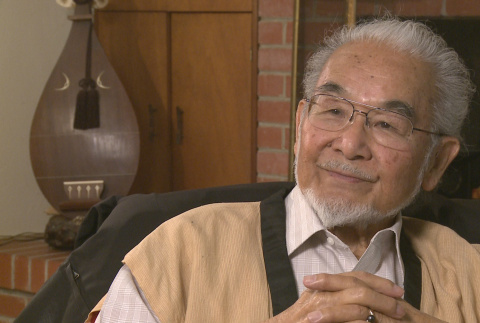
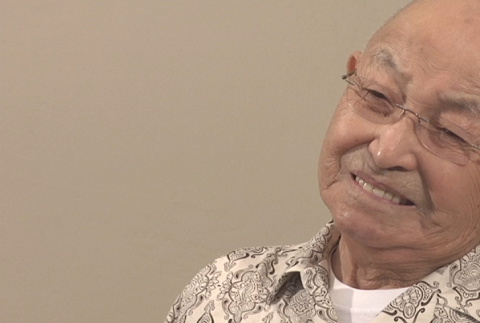
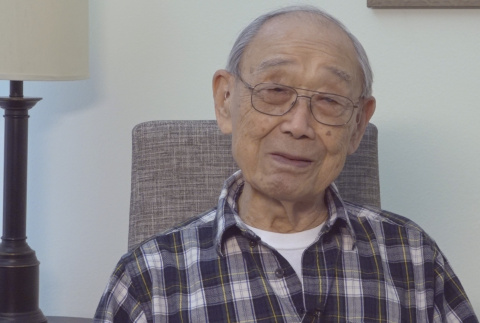
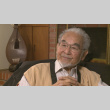
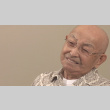
Nisei male. Born April 14, 1924, in San Francisco, California. Went to Japan with family at a very young age before returning to San Francisco. During World War II, removed to the Santa Anita Assembly Center, California, and the Topaz concentration camp, Utah. Answered "no-no" on the so-called "loyalty questionnaire" and transferred to Tule Lake concentration …
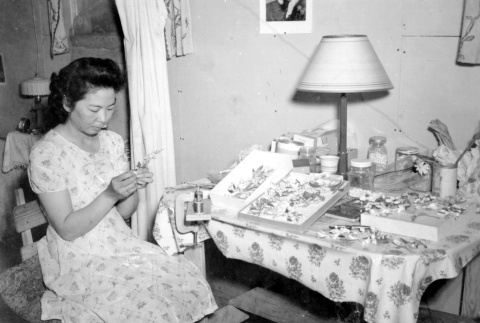
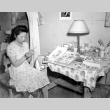
Peggie Yorita making jewelry from shells found within the confines of the Tule Lake concentration camp. Making jewelry was a popular pastime for the Japanese Americans. Tule Lake was drained in the early 1900s. The camp was located on the old lake bed. As a result, shells were available for people to fashion into jewelry for …
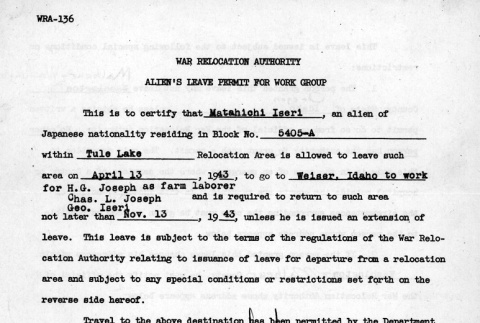
In April 1943, Matahichi Iseri and his family were granted permits to leave the Tule Lake concentration camp to go to Weiser, Idaho, as part of the seasonal work leave program. Because he was an Issei, Matahichi Iseri had to apply for a special permit.
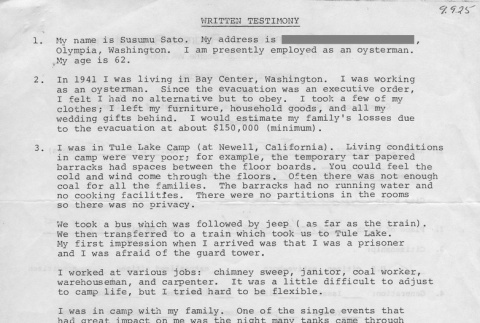
Written testimony of Susumu Sato of Olympia, Washington. Incarcerated in the Tule Lake concentration camp, California. This testimony was presented at the CWRIC hearing in Seattle, Washington, on Wednesday, September 9, 1981, in the section titled "Evacuation Impact and Redress." Personal information excised by Densho.
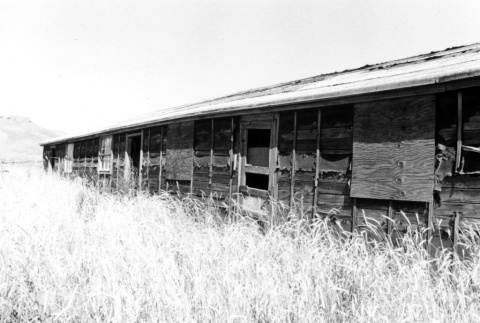
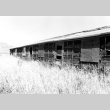
Local farmers now own a few barracks from the Tule Lake concentration camp. The buildings are used for storage, have been made into homes and garages, or are abandoned, like this one. The exterior of the barracks have remained almost untouched since World War II.
Problems at Tule Lake concentration camp, California: scorpions, ticks and sagebrush
During this interview, Mrs. Kurosu alternately speaks in both English and Japanese. As a result, the English translation of the transcript contains [Jpn.] and [Eng.], which indicate whether the original dialogue was spoken in Japanese or English.
Climate differences between Tule Lake concentration camp, California, and Heart Mountain
During this interview, Mrs. Kurosu alternately speaks in both English and Japanese. As a result, the English translation of the transcript contains [Jpn.] and [Eng.], which indicate whether the original dialogue was spoken in Japanese or English.
Water and primitive facilities at Tule Lake concentration camp, California
During this interview, Mrs. Kurosu alternately speaks in both English and Japanese. As a result, the English translation of the transcript contains [Jpn.] and [Eng.], which indicate whether the original dialogue was spoken in Japanese or English.
Sansei female. (Mother and father born in Hawaii.) Born February 1925 in Peru. Spent prewar childhood in Peru and Hawaii. Father picked up by the FBI and detained after bombing of Pearl Harbor. Was incarcerated at Jerome concentration camp, Arkansas, and Tule Lake concentration camp, California. Renounced citizenship in order to stay with parents, and was …
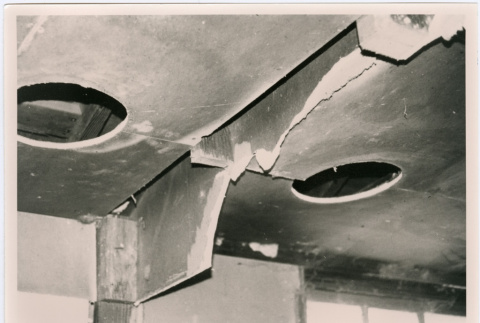
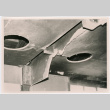
A series of photographs taken by Harry Gamble and his team at Manzanar and Tule Lake concentration camps as part of their research. This research was then used to lobby for Tule Lake and not Manzanar be the camp to be designated a National Historic Landmark. The stoves were located back to back in adjoining apartments …
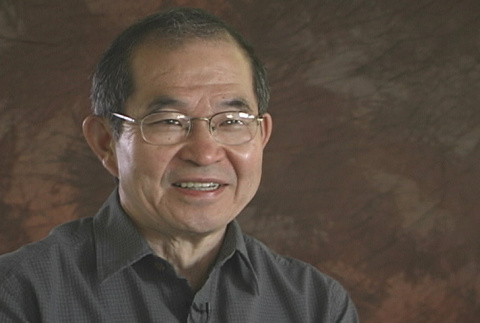
Nisei male. Born May 1, 1924, in Clarksburg, California. Grew up in Clarksburg, where parents ran a farm. During World War II, removed to the Tule Lake concentration camp, California. Served in the military during the war. Returned to the Sacramento area and reestablished farming business.
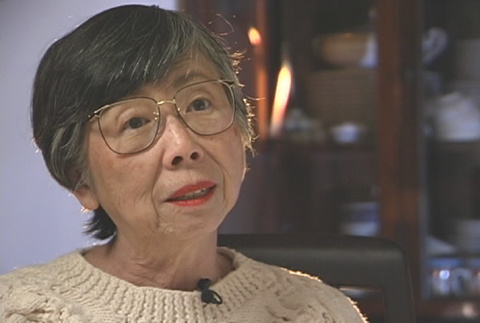
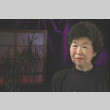
Nisei female. Born October 3, 1919, in Fresno, California. Grew up in Watsonville, California, helping on family's strawberry farm. After the bombing of Pearl Harbor, was removed to the Salinas Assembly Center and the Tule Lake concentration camp, California. After World War II, returned to Watsonville.
Ni-ten-gosei (half Nisei, half Sansei) female. Born June 3, 1932, in Seattle, Washington. Incarcerated at the Puyallup Assembly Center, Washington; Minidoka concentration camp, Idaho; and Tule Lake segregation center, California. Returned to Seattle after the war and stayed temporarily at the Seattle Japanese Language School.
Nisei female. Born August 29, 1921, in Seattle, Washington. Spent prewar years in Burlington, Washington. Was just starting college when incarcerated at Tule Lake concentration camp, California. Left camp early because of illness and married a Nisei GI, Harvey Watanabe. Lived in Midwest for duration of war and resettled in Seattle, Washington following the war.
Nisei female. Born November 29, 1919, in Venice, California. Married in Venice prior to World War II, and had a child only a few days after the bombing of Pearl Harbor on December 7, 1941. Removed to the Santa Anita Assembly Center, California, and Jerome concentration camp, Arkansas. Transferred with family to the Tule Lake concentration …
Nisei female. Born May 12, 1925, in Spreckels, California. Moved frequently with family as a child, eventually settling in Gilroy, California. After the bombing of Pearl Harbor, removed to the Salinas Assembly Center, California, and the Poston concentration camp, Arizona. Following father's desire to repatriate to Japan, transferred to Tule Lake concentration camp, California, when it …
Nisei male. Born December 28, 1924, in Hood River, Oregon. Grew up in Hood River, where father and uncles ran a store. During World War II, removed to the Pinedale Assembly Center, California, and the Tule Lake concentration camp, California. After leaving camp, attended college in Denver and Philadelphia. Eventually became a physician and returned to …
Ni-ten-gosei (Nisei/Sansei) male. Born May 20, 1935, in Tacoma, Washington. Spent early childhood in Kent, Washington, and was removed with family to the Pinedale Assembly Center at age seven. Family was incarcerated at Tule Lake concentration camp, California, and then moved to Minidoka concentration camp, Idaho. Resettled and attended grade school and high school in Chicago, …
Memories of the trip from Tule Lake, California to Heart Mountain concentration camp, Wyoming
During this interview, Mrs. Kurosu alternately speaks in both English and Japanese. As a result, the English translation of the transcript contains [Jpn.] and [Eng.], which indicate whether the original dialogue was spoken in Japanese or English.
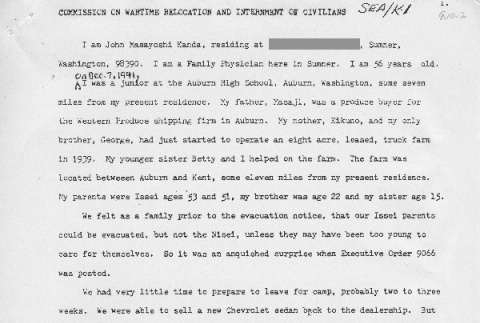
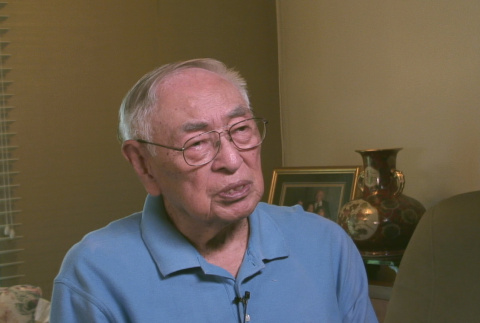
Written testimony of John Masayoshi Kanda of Auburn, Washington. Incarcerated in the Pinedale Assembly Center and Tule Lake concentration camp, California. This testimony was presented at the CWRIC hearing in Seattle, Washington, on Thursday, September 10, 1981, in the section titled "Impact on Japanese American Veterans." Personal information excised by Densho.
Nisei male. Born July 19, 1924, in San Francisco, California. At a young age, family moved to Ocean Park, California, where father ran a concession stand in an amusement park. After the bombing of Pearl Harbor, removed with family to the Manzanar concentration camp, California. While in camp, had numerous jobs, including as part of the …