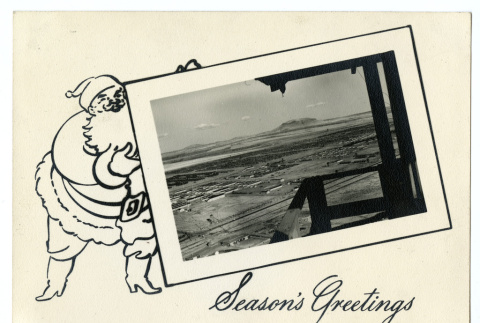
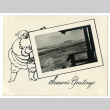
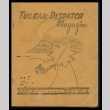
Christmas greeting card featuring Santa Claus presenting a photo of the Tule Lake incarceration camp buildings and landscape from what appears to be a guard tower. Card reads "Season's greetings." See this object in the California State Universities Japanese American Digitization project site: tos_01_001_015
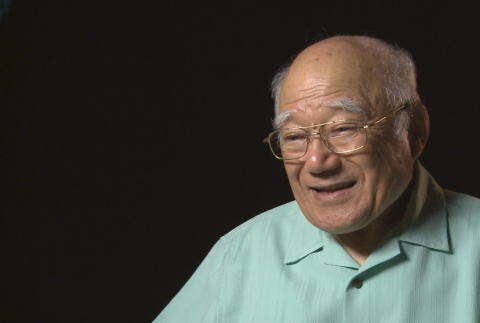
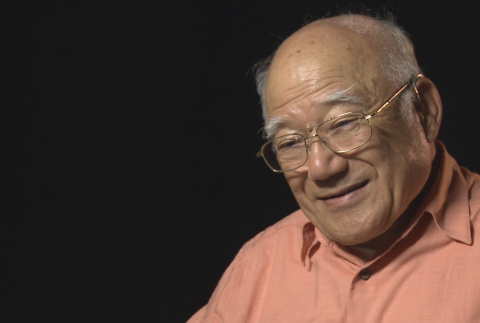
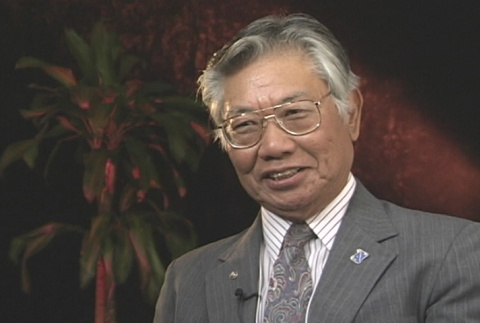
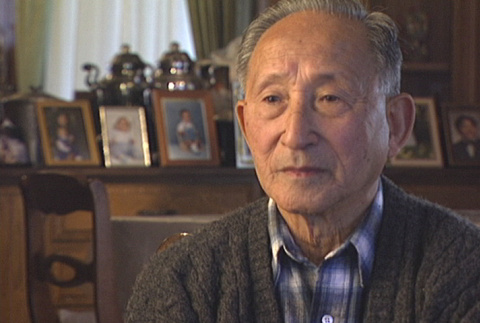
Nisei male. Born January 27, 1923, in Seattle, Washington. Grew up in Seattle, Washington. Finished high school in Bellingham, Washington, where family moved for father's oyster business. During World War II, removed to the Tule Lake concentration camp, California. Left camp and lived in Chicago briefly before returning to the Samish Bay area near Bellingham to …
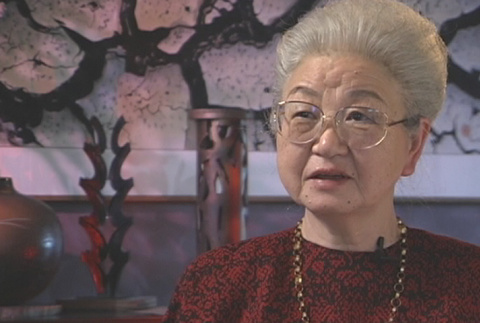
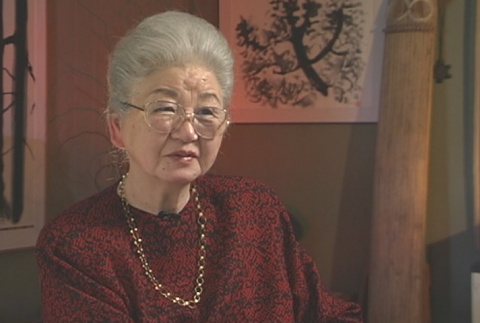
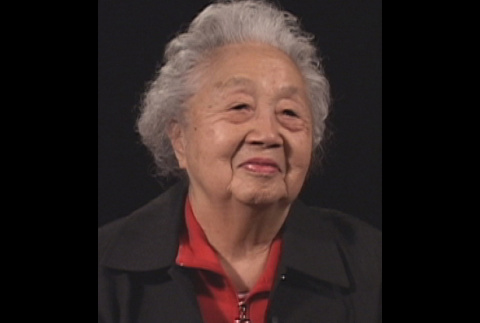
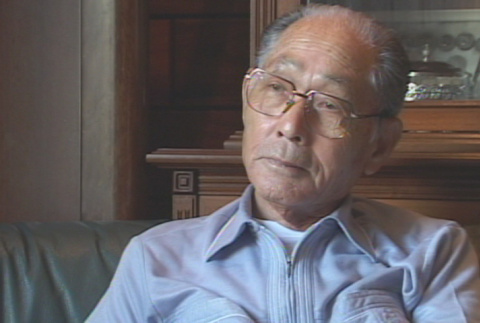
Kibei female. Born May 23, 1924, in the Hollywood area of Los Angeles, California. Sent to Japan to live with a relative when thirteen months old. Returned to United States and mother when twelve years old. Incarcerated at Sacramento Assembly Center and Tule Lake concentration camp, both in California. Resettled in Sacramento, California. Married George Tsutakawa, …
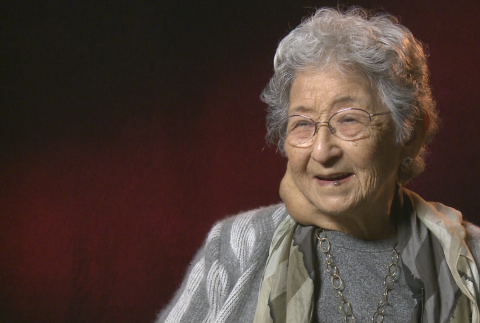
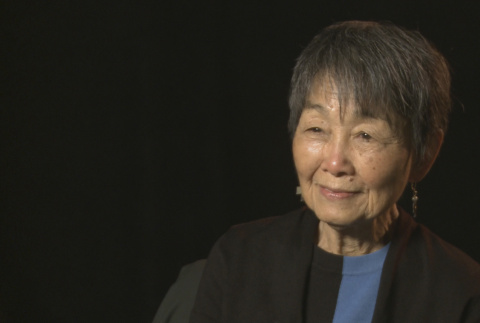
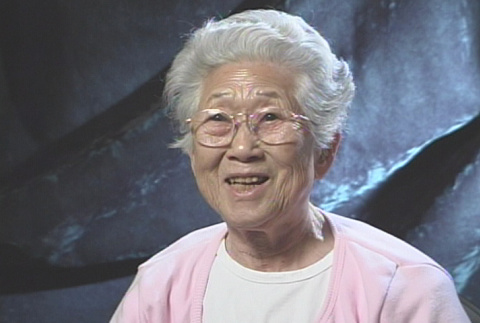
Nisei female. Born August 22, 1918, in Thomas, Washington. Grew up in Thomas, where parents ran a grocery store and farm. After the bombing of Pearl Harbor, removed to the Pinedale Assembly Center and Tule Lake concentration camp, California. Married in camp, and went to work in Weiser, Idaho, and Ontario, Oregon. After the war, returned …
Nisei male. Born January 27, 1923, in Seattle, Washington. Grew up in Seattle, Washington. Finished high school in Bellingham, Washington, where family moved for father's oyster business. During World War II, removed to the Tule Lake concentration camp, California. Left camp and lived in Chicago briefly before returning to the Samish Bay area near Bellingham to …
Kibei female. Born May 23, 1924, in the Hollywood area of Los Angeles, California. Sent to Japan to live with a relative when thirteen months old. Returned to United States and mother when twelve years old. Incarcerated at Sacramento Assembly Center and Tule Lake concentration camp, both in California. Resettled in Sacramento, California. Married George Tsutakawa, …
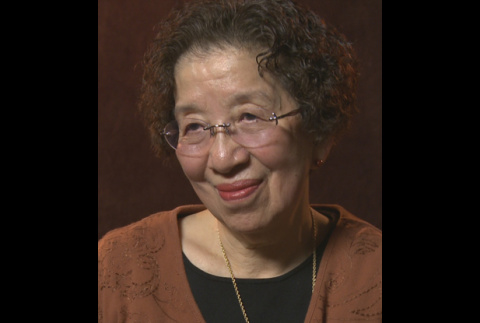
Nisei female. Born May 13, 1922, in Chico, California. Grew up in Chico, where parents ran a produce store. Was in college when Japan bombed Pearl Harbor, and was removed with her family to the Tule Lake concentration camp, California. Left camp to attend school in Syracuse, New York, and become a public health nurse. Later …
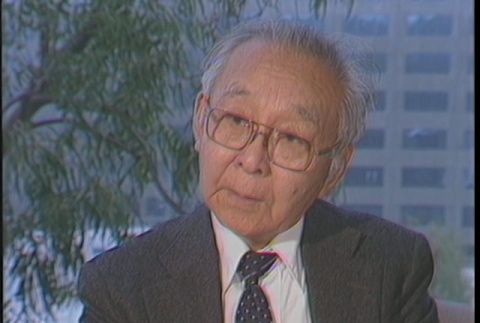
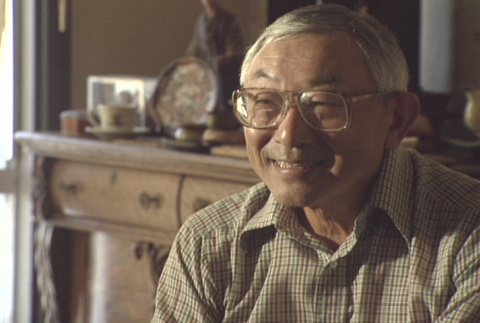
Morimitsu discusses evacuation, his family's internment at Tule Lake, anti-Japanese sentiment after Pearl Harbor, being recruited by the military, and camp attitudes towards recruitment. Loni Ding can be heard asking questions in the background. Original title: 58B, II VFW #1, VFW - Art Morimitsu, Feb. 15, 1987. Interview continues at ddr.densho.org/ddr-densho-1007-1750/
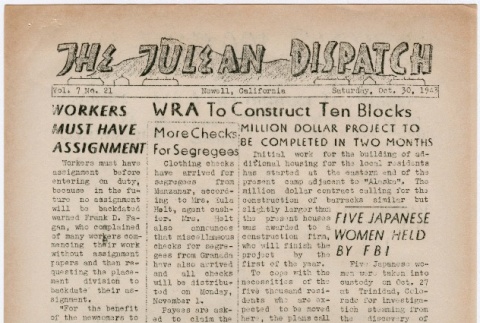
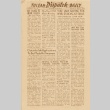
Selected article titles: "Occupants of Twenty-one Barracks to Move" (p. 1), "WRA to Construct Ten Blocks. Million Dollar Project to be Completed in Two Months" (p. 1), "More Checks for Segregees" (p. 1), "Five Japanese Women Held by F.B.I." (p. 1), "Impartial View of Japanese Problem Sought in Survey" (p. 2), "Tule Lake Buddhists to Reorganize …
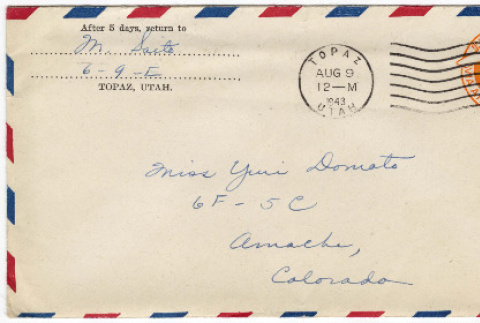
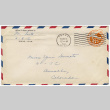
Letter to Yuriko Domoto Tsukada from Margaret Saito in which Margaret details her time in Tule Lake, her reason for transferring to Topaz and her desire to relocate to Philadelphia. Margaret also provides details about several mutual friends and her family, and asks about Yuri's. Item tied together with all objects between ddr-densho-356-321 and ddr-densho-356-413.
Report chronicling the first six months Tule Lake camp including the establishment of community activities, employment, schools, and barracks infrastructure. Describes challenges of adjusting to life in camp often using direct quotations from incarcerees to express struggles amid social and cultural groups as well as conflicts and strikes. Several events are also described including a description …
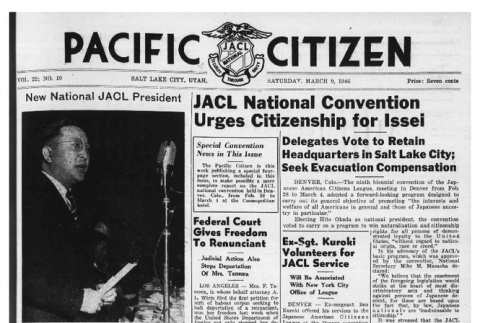
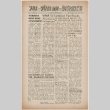
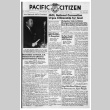
Selected article titles: "JACL National Convention Urges Citizenship for Issei. Delegates Vote to Retain Headquarters in Salt Lake City; Seek Evacuation Compensation" (p. 1), "Restrictions on Hawaii, U.S. Mainland Travel Lifted for Oriental American Veterans" (p. 1), "247 Renunciants at Tule Lake Join 1000 Others in Filing Petition to Regain U.S. Rights" (p. 3), "Report Renunciant …
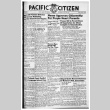
Selected article titles: "Report 40 Persons Stricken With Arsenic Poisoning from Soy Sauce in Los Angeles" (p. 1), "House Approves Citizenship For Purple Heart Parents. Passes Bill to Permit Stays Of Deportation for Aliens Ineligible to Naturalization" (p. 1), Food Poisoning Cases Reported in Salt Lake City" (p. 1), "25 Persons Ill of Poisoning in San …
Nisei female. Born in Hood River, Oregon. Grew up in Hood River, where parents owned and operated orchards. During World War II, removed to the Pinedale Assembly Center and Tule Lake concentration camp, California. Transferred briefly to the Heart Mountain concentration camp, Wyoming. Lived for a short time in Salt Lake City after leaving camp, then …
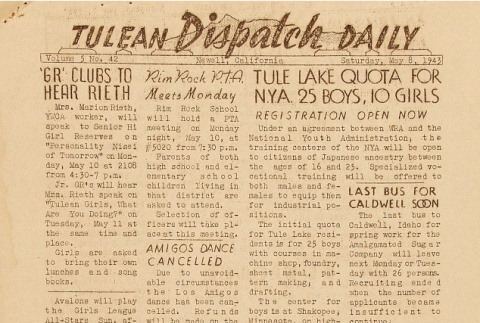
Selected article titles: "Delegates Meet With Director for Draft Discussion. Merritt Leaves for Washington With Local Citizens' Message" (p. 1), "Seven Boys Held on Unauthorized Leave" (p. 1), "First Manzanar Group in Tule After 36-Hour Trip" (p. 1), "House Passes Bill Aimed at Disloyals" (p. 1), "Responsibility to U.S. Told Delegates" (p. 1), "Lift Curfew Law …
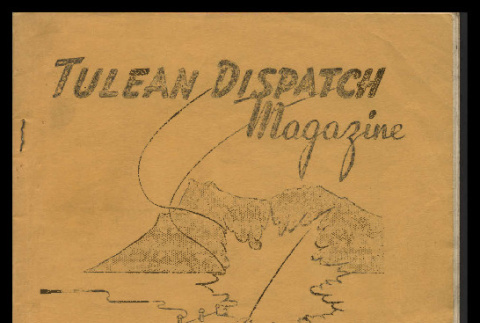
Monthly publication at Tule Lake incarceration camp including stories, poems, commentary and creative writing. Current issue includes "Nisei America" by Riley O'Suga, "What Makes Peter Run?" by Frances Okomoto, "Haiku and Painting" by Ken Yasuda, "Tule in Rhyme" by Iku Wada, "Ramblings" by Eugene Okada, "It's the Little Things of Life" by Sachiko Higashi, "Looking Back" …
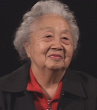
Nisei female. Born January 2, 1929, in Bellevue, Washington. Grew up in Bellevue before being removed to the Pinedale Assembly Center and Tule Lake concentration camp, California, during World War II. After leaving camp, returned to Bellevue.
This interview was conducted at the Voices of Japanese American Redress Conference, held on the UCLA campus and sponsored by the UCLA Asian American Studies Center and the UCLA School of Public Policy and Social Research. Because of the full conference schedule, our interviews were limited to one hour. The interviews …
Daily life in the Tule Lake stockade (Japanese language)
This interview was conducted in Japanese. The transcript is a translation of the original interview. This material is based upon work assisted by a grant from the Department of the Interior, National Park Service. Any opinions, finding, and conclusions or recommendations expressed in this material are those …
The physical layout of the Tule Lake stockade (Japanese language)
This interview was conducted in Japanese. The transcript is a translation of the original interview. This material is based upon work assisted by a grant from the Department of the Interior, National Park Service. Any opinions, finding, and conclusions or recommendations expressed in this material are …
Forming youth groups in Tule Lake Segregation Center (Japanese language)
This interview was conducted in Japanese. The transcript is a translation of the original interview. This material is based upon work assisted by a grant from the Department of the Interior, National Park Service. Any opinions, finding, and conclusions or recommendations expressed in this material are …
Life in Tule Lake, giving birth to a son in camp (Japanese language)
This interview was conducted in Japanese. It was translated so as to convey Mrs. Terasaki's way of speaking as closely as possible. For example, there are instances in which she makes some grammatical errors. These mistakes are conveyed through similar grammatical errors in …
Deciding to resist the draft registration; memories of the "segregation" period in Tule Lake concentration camp
This interview was conducted by sisters Emiko and Chizuko Omori for their 1999 documentary, Rabbit in the Moon, about the Japanese American resisters of conscience in the World War II incarceration camps. As a result, the interviews in this …
Reuniting with wife and children in Tule Lake; thoughts on the atomic bombings of Hiroshima and Nagasaki
This interview was conducted by sisters Emiko and Chizuko Omori for their 1999 documentary, Rabbit in the Moon, about the Japanese American resisters of conscience in the World War II incarceration camps. As a result, the interviews in …