Photographs and intake form for Shizuo Kai, an incarceree transferred to Tule Lake Camp from Jerome Camp. See this object in the California State Universities Japanese American Digitization project site: sjs_sch_0066
Selected article titles: "Exchange Ship Reaches Japan Safely, Nov. 14" (p. 1), "One Person Caught in Canteen Entry" (p. 1), "Two Editorial Reprints: Let's Make Ourselves Clear" (p. 2), "The Tule Lake Riot" (p. 2), "Utah Governor Protects Nisei Rights in Speech" (p. 3).
Selected article titles: "Second Film on Outside Scheduled. Showings Open Tonight" (p. 1), "Gripsholm Picks Up 89" (p. 1), "First Group Arrives at Tule Lake; Tuleans Reach Denson This Week" (p. 1), "Intend to Relocate?" (p. 1), "Conservation of Gas for Vehicles Urged" (p. 6).
Selected article titles: "Closing Date Told" (p. 1), "Topaz To Close Nov. 1. Myer Urges Residents to Plan Relocation Now" (p. 1), "Tule Lake Co-op Offers Reward on Information Regarding Theft" (p. 2), "Aliens Ineligible to Lease Commercial Property in Calif." (p. 4).
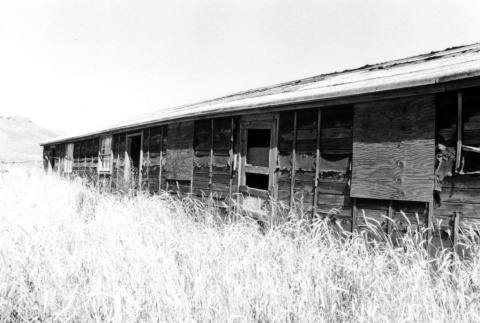
Local farmers now own a few barracks from the Tule Lake concentration camp. The buildings are used for storage, have been made into homes and garages, or are abandoned, like this one. The exterior of the barracks have remained almost untouched since World War II.
Pamphlet covering the War Relocation Authority's segregation program at Tule Lake incarceration camp. See this object in the California State Universities Japanese American Digitization project site: sac_jaac_0369
Certificate acknowledging that an incarceree has completed registration at Tule Lake incarceration camp. See this object in the California State Universities Japanese American Digitization project site: sac_jaac_1635
Notice to Sadaye [Sadae] Hirota ordering her "internment" at the Tule Lake Segregation Center. See this object in the California State Universities Japanese American Digitization project site: sac_jaac_1905
Ayris Tsujikawa autograph memory book signed by her friends at Tule Lake, California. See this object in the California State Universities Japanese American Digitization project site: sac_jaac_2809
Nisei female. Born March 28, 1928, in Clarksburg, California. Grew up in the Sacramento area prewar. During World War II, was removed with family to the Tule Lake concentration camp, California. After leaving camp, worked in Utah and Los Angeles before eventually returning to Sacramento.
Nisei female. Born April 29, 1925, in Clarksburg, California. Grew up in the communities of Clarksburg and Courtland before the war. During World War II, removed to the Marysville Assembly Center and Tule Lake concentration camp, California. After leaving camp, returned to the Clarksburg area.
Toshio Oku prints the weekly newspaper at Tule Lake using a mimeograph machine. See this object in the California State Universities Japanese American Digitization project site: tos_01_001_022
Nisei female. Born in San Juan Bautista, California. During World War II, removed with her husband to the Manzanar concentration camp, California. As a result of husband's response to the so-called "loyalty questionnaire," transferred to Tule Lake. After leaving camp, resettled in Philadelphia, Pennsylvania.
Selected article titles: "Co-op Asks for Addresses of Members for Refunds" (p. 1), "Accommodations are Made for Incoming Evacuees" (p. 1), "Encouraging Letters from Chicago" (p. 2), "'Being Free... Wonderful'" (p. 2), "Inside View: Tule Lake Packing Shed Scene of Much Activity" (p. 3).
Selected article titles: "36 Leave Tule Lake Center in May; 81 Since January" (p. 1), "May Complete the Irrigation System in June" (p. 1), "Procedure Streamlined: Changes Aid Resettlement of Paroled Enemy Aliens" (p. 2), and "More Sentenced for Violation of Regulations" (p. 2).
Original WRA caption: This is one of three Canteens under the Tule Lake Co-operatives, Inc., in which all kinds of merchandise is sold to residents of the center for their well-being. Not luxury items but articles of clothing, drugs, cosmetics, stationery, etc.
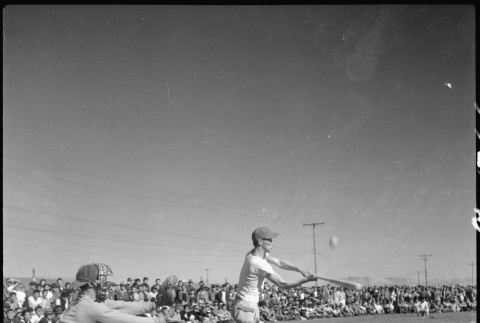
Original WRA caption: The 1944 league baseball season got under way at the Tule Lake center on April 19. Project Director Ray R. Best tossed out the first ball. Nearly half of the 17,000 residents of the center were present for the opening game.
This material is based upon work assisted by a grant from the Department of the Interior, National Park Service. Any opinions, finding, and conclusions or recommendations expressed in this material are those of the author(s) and do not necessarily reflect the views of the Department of the Interior.
This material is based upon work assisted by a grant from the Department of the Interior, National Park Service. Any opinions, finding, and conclusions or recommendations expressed in this material are those of the author(s) and do not necessarily reflect the views of the Department of the Interior.
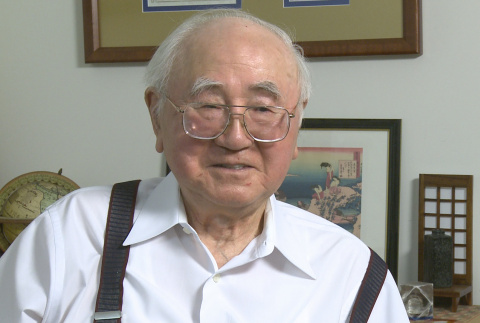
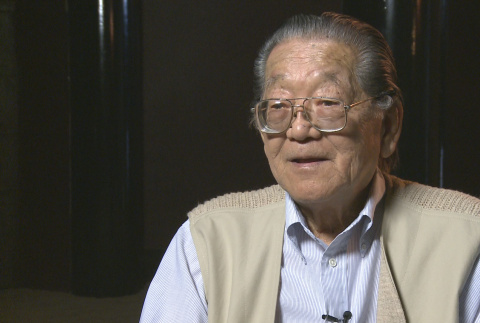
Father's participation in the Hoshidan at Tule Lake
This material is based upon work assisted by a grant from the Department of the Interior, National Park Service. Any opinions, finding, and conclusions or recommendations expressed in this material are those of the author(s) and do not necessarily reflect the views of the Department of the Interior.
This material is based upon work assisted by a grant from the Department of the Interior, National Park Service. Any opinions, finding, and conclusions or recommendations expressed in this material are those of the author(s) and do not necessarily reflect the views of the Department of the …
This material is based upon work assisted by a grant from the Department of the Interior, National Park Service. Any opinions, finding, and conclusions or recommendations expressed in this material are those of the author(s) and do not necessarily reflect the views of the Department of the Interior.
This material is based upon work assisted by a grant from the Department of the Interior, National Park Service. Any opinions, finding, and conclusions or recommendations expressed in this material are those of the author(s) and do not necessarily reflect the views of the Department of the Interior.
Conflicts at Tule Lake during the segregation period
This material is based upon work assisted by a grant from the Department of the Interior, National Park Service. Any opinions, finding, and conclusions or recommendations expressed in this material are those of the author(s) and do not necessarily reflect the views of the Department of the Interior.
This material is based upon work assisted by a grant from the Department of the Interior, National Park Service. Any opinions, finding, and conclusions or recommendations expressed in this material are those of the author(s) and do not necessarily reflect the views of the Department of the Interior.