
2211 items
2211 items


vh
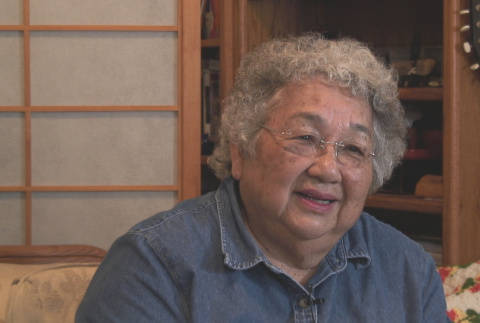
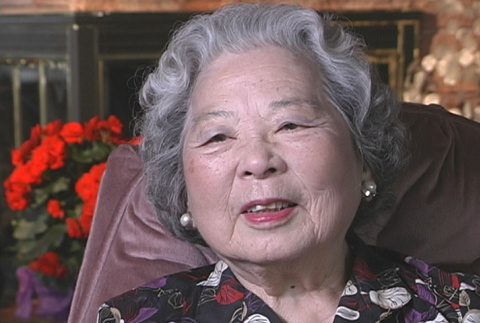
Tokio Hirotaka - Toshio Ito - Joe Matsuzawa Segment 27 (ddr-densho-1000-23-27)
The journey by train to Tule Lake
vh
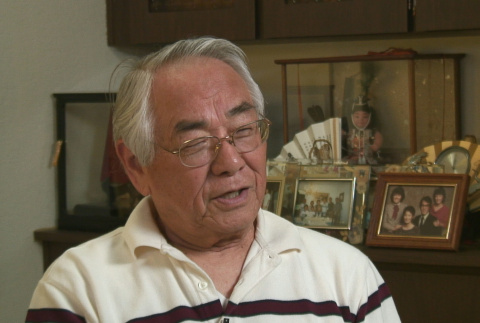
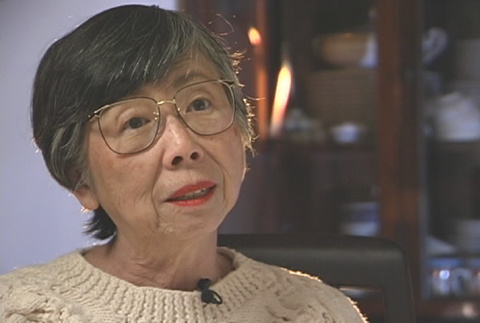
Tokio Hirotaka - Toshio Ito - Joe Matsuzawa Segment 30 (ddr-densho-1000-23-30)
Mr. Hirotaka's living arrangements in Tule Lake

vh
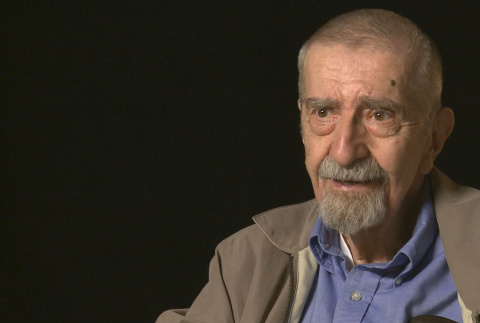
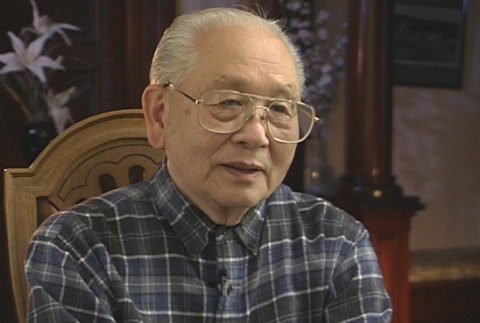
Eddie Owada Interview Segment 16 (ddr-manz-1-37-16)
Transferring to Tule Lake, finding work there

vh
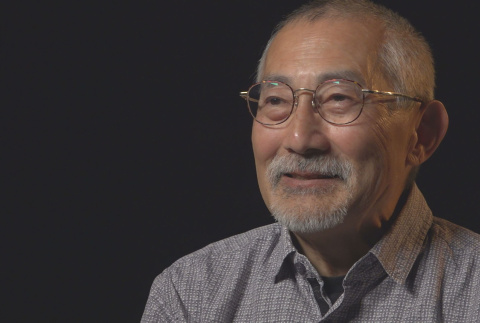
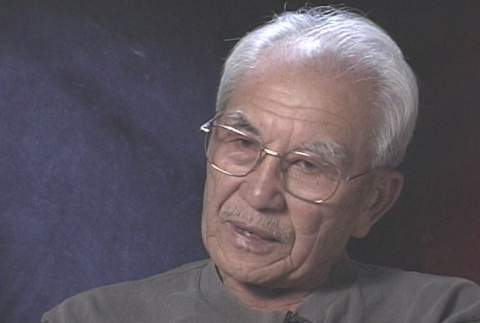
Michiko Wada Interview Segment 13 (ddr-manz-1-162-13)
Attending Japanese language school at Tule Lake

vh
Marion I. Masada Interview Segment 29 (ddr-manz-1-155-29)
Getting involved with the Tule Lake pilgrimages
vh
Osamu Mori Interview Segment 15 (ddr-manz-1-93-15)
Transferring to Tule Lake, participating in judo


vh
Stanley N. Shikuma Interview II Segment 9 (ddr-densho-1000-520-9)
Evolving themes of the Tule Lake pilgrimages

vh
Peggie Nishimura Bain Interview Segment 37 (ddr-densho-1000-170-37)
Shell collecting and crafting in Tule Lake
vh
Peggie Nishimura Bain Interview Segment 32 (ddr-densho-1000-170-32)
First impressions of Tule Lake concentration camp


vh
Bill Nishimura Interview Segment 11 (ddr-densho-1000-119-11)
Reflections upon returning to Tule Lake for the pilgrimage
This interview took place at the 2000 Tule Lake Pilgrimage in Klamath Falls, Oregon.
img
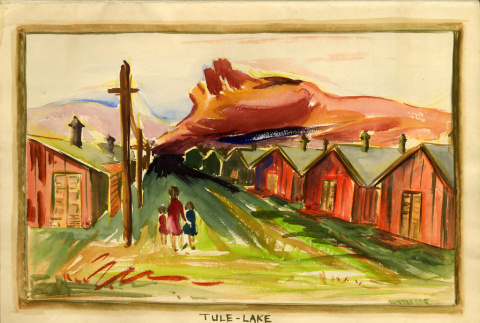
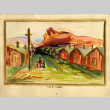
Tule Lake scrapbook painting (ddr-csujad-26-55)
Watercolor painting depicting three figures, two children and one adult, walking towards a road lined with barracks and electrical poles. The painting depicts a mountainous landscape in the background. "Watanabe" is signed in the lower right corner. Tule Lake scrapbook (ucsb_mei_0053), page 3. See this object in the California State Universities Japanese American Digitization project site: …
doc
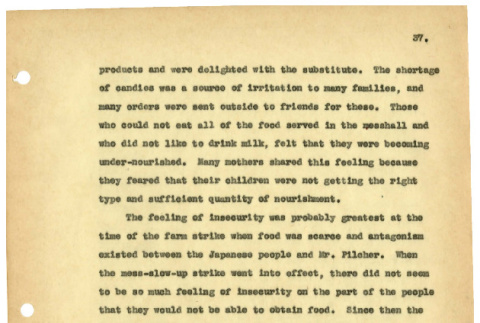
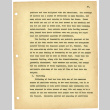
Messhalls in Tule Lake (ddr-csujad-26-23)
Report describing the mess halls of Tule Lake including: administrative organization, operations, personnel, duties, conflicts, wages, food procurement and distribution, food preparation, schedules, sample menus, dietary accommodations, food rationing and shortages, seating capacity, seating arrangements and systems, utensils, and incarceree attendance. The report analyzes workers and incarceree behaviors, status, mental faculties, disposition, religion, age, and gender. …
doc
Broadcast affair Tule Lake (ddr-csujad-26-18)
Chronological account of an Office of War Information visit to Tule Lake to ask incarcerees to broadcast about the conditions of the incarceration camp in response to reported propaganda broadcasts on Tokyo radio. Report describes conditions under which the broadcast would have been made, details of meetings, and arguments for and against the broadcast. Report compiled …
img
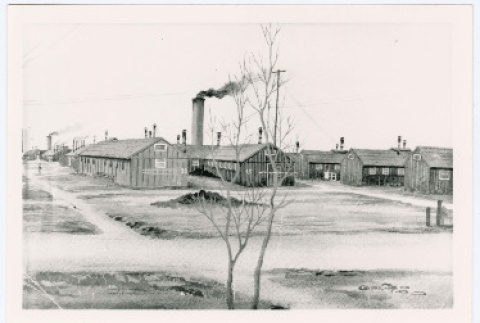
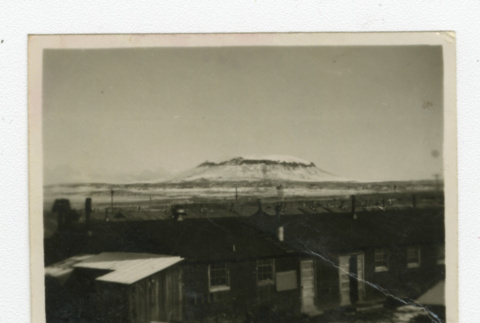
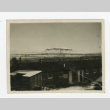
Barracks at Tule Lake (ddr-csujad-44-59)
A photograph of barracks at Tule Lake. See this object in the California State Universities Japanese American Digitization project site: csumb_ms15_0059
img
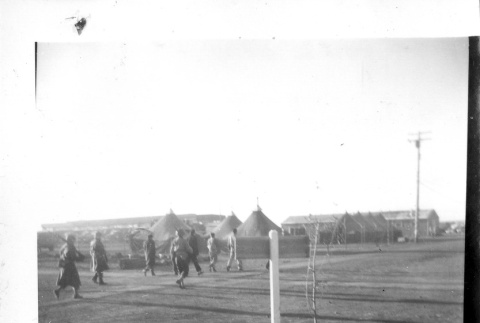
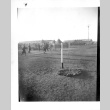
Incarcerees of Tule Lake (ddr-csujad-13-16)
The photograph depicts people walking in the distance towards some structures in the Tule Lake incarceration camp. The caption on back of photograph reads, "Japs just about to enter stockade under guard." See this object in the California State Universities Japanese American Digitization project site: tul_01_01_011
doc
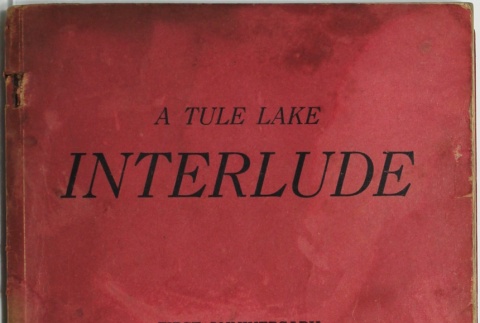
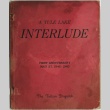
A Tule Lake Interlude (ddr-densho-291-1)
This collection of poems and stories related to life in Tule Lake was published on concentration camp's first anniversary.
img
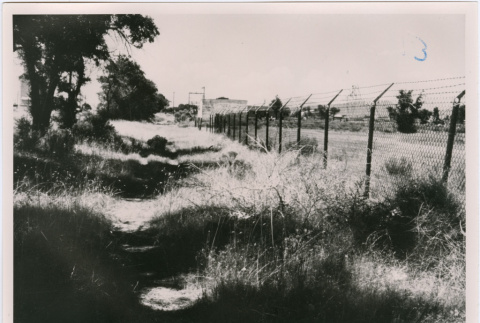
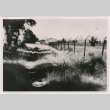
Tule Lake boundary fence (ddr-densho-345-91)
A series of photographs taken by Harry Gamble and his team at Manzanar and Tule Lake concentration camps as part of their research. This research was then used to lobby for Tule Lake and not Manzanar be the camp to be designated a National Historic Landmark.
The western boundary fence of Tule Lake concentration camp that …
img
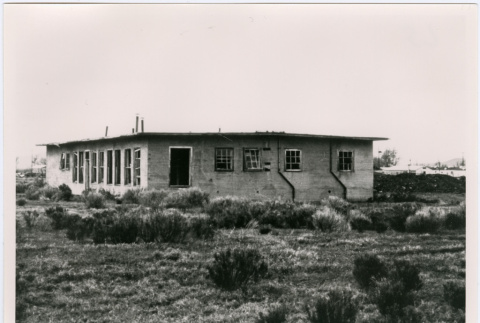
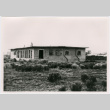
Jail at Tule Lake (ddr-densho-345-134)
A series of photographs taken by Harry Gamble and his team at Manzanar and Tule Lake concentration camps as part of their research. This research was then used to lobby for Tule Lake and not Manzanar be the camp to be designated a National Historic Landmark.
img
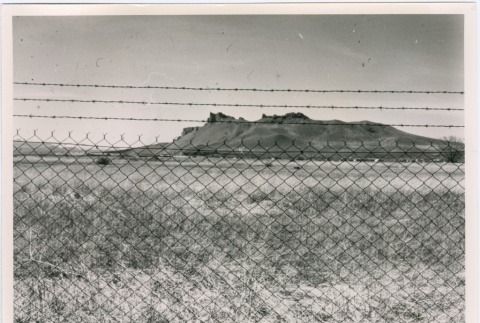
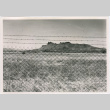
View from Tule Lake (ddr-densho-345-92)
A series of photographs taken by Harry Gamble and his team at Manzanar and Tule Lake concentration camps as part of their research. This research was then used to lobby for Tule Lake and not Manzanar be the camp to be designated a National Historic Landmark.
The view from behind the original eastern boundary fence looking …