
1098 items

![Procurement and Shoe Rationing [Department] (ddr-csujad-26-106)](https://ddr.densho.org/media/cache/f3/2c/f32c2e41ac6313b3bdc118a6c63032ef.jpg)

![[Call troops in new outbreak], newspaper article on Tule Lake protests, November 5, 1943 (ddr-csujad-2-37)](https://ddr.densho.org/media/cache/ea/29/ea295ed7535bc9180d02b08e4bcd390d.jpg)
![[Minutes of the meeting of the Co-ordinating Committee and the Project Director and Colonel Austin, January 10, 1944] (ddr-csujad-2-32)](https://ddr.densho.org/media/cache/ad/f6/adf68eec02f82e3cf98933f1471ccd89.jpg)
![[Informal meeting of the Co-ordinating Committee and the Project Director and members of the Advisory Council, January 19, 1944] (ddr-csujad-2-36)](https://ddr.densho.org/media/cache/d9/3b/d93bb7b3d64394299542e8d6a4a867f0.jpg)
![[Minutes of the joint meeting of the advisory council and the Co-ordinating Committee of the Tule Lake Center, February 8,1944] (ddr-csujad-2-20)](https://ddr.densho.org/media/cache/18/b3/18b33746e01663ad2743010b64dc0fbd.jpg)
![Marriage affidavit [in Japanese] (ddr-csujad-12-25)](https://ddr.densho.org/media/cache/21/9e/219e6dc34b566c7cd6aab638ddc917ed.jpg)
1098 items
img
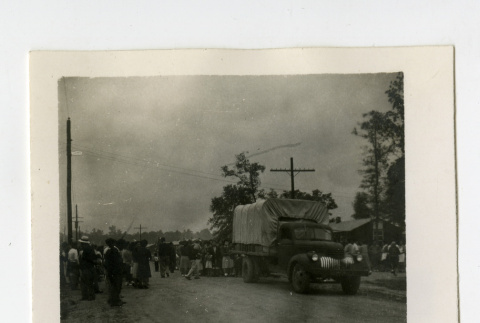
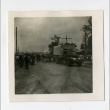
Covered truck leaving Jerome camp for Tule Lake camp (ddr-csujad-38-86)
Photographed are a covered truck and incarcerees presumably in the Jerome incarceration camp in Arkansas. It was probably taken when the volunteers were leaving for the Tule Lake camp in California. A photo from "George Naohara photo album" (csudh_nao_0001), page 21. See this object in the California State Universities Japanese American Digitization project site: nao_01_21_001
img
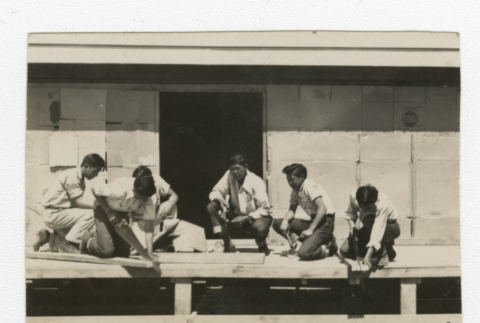
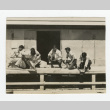
Nisei men with saws and hammers working on platform outside barrack (ddr-csujad-44-49)
A photograph of six Nisei men doing construction while incarcerated at Tule Lake, California. They are kneeling and crouching on a raised wooden deck outside a barrack. Two of them are using hand saws to cut boards. Two are holding hammers. See this object in the California State Universities Japanese American Digitization project site: csumb_ms15_0049
img
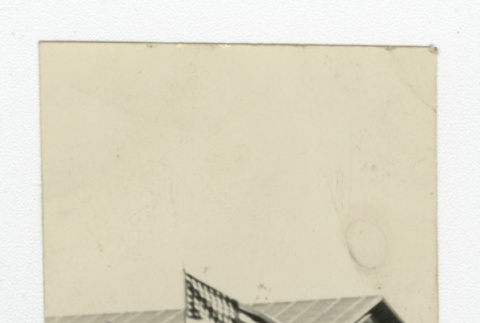
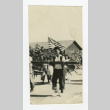
Nisei woman carrying a beam (ddr-csujad-44-50)
A photograph of a Nisei woman walking while carrying a beam at Tule Lake, California. Two other people are walking behind her, each carrying a chair. Another person behind her is carrying an American flag. A barrack is in the background. See this object in the California State Universities Japanese American Digitization project site: csumb_ms15_0050
img
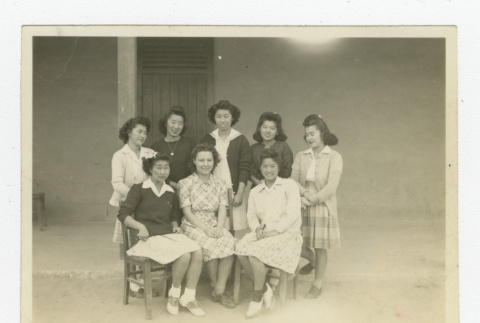
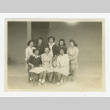
Nisei female students with a teacher in front of barrack (ddr-csujad-44-39)
A group photograph of Nisei female students posing outside in front of a barrack at Tule Lake, California, with their teacher. Three of them, including a Caucasian teacher, are seated in chairs with the rest of them standing in a row behind them. See this object in the California State Universities Japanese American Digitization project site: …
img
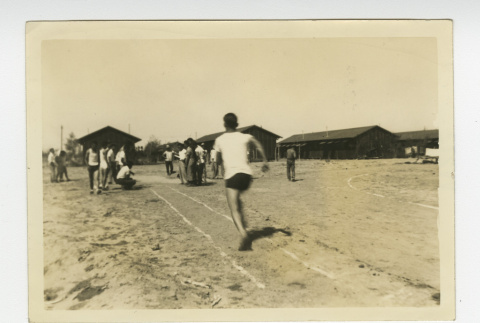
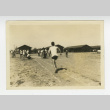
Man running on dirt track (ddr-csujad-44-13)
A photograph of a man running on a dirt track at Tule Lake, California. The man is running away from the camera towards two crowds of people gathered at the end of the track. Beyond the groups of people is a row of barracks. See this object in the California State Universities Japanese American Digitization project …
img
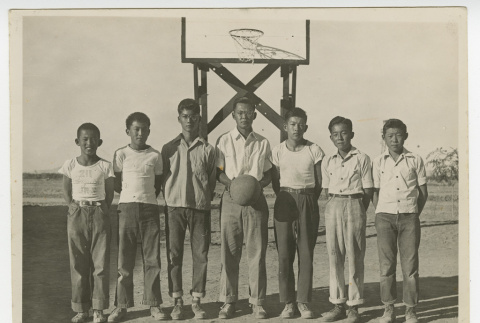
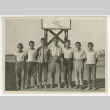
Nisei men's basketball team (ddr-csujad-44-2)
A photograph of seven young Nisei men and boys, incarcerated at Tule Lake, California, standing in a line in front of a basketball goal. The young man in the middle is holding a basketball. They are presumably the basketball team members. See this object in the California State Universities Japanese American Digitization project site: csumb_ms15_0002
img
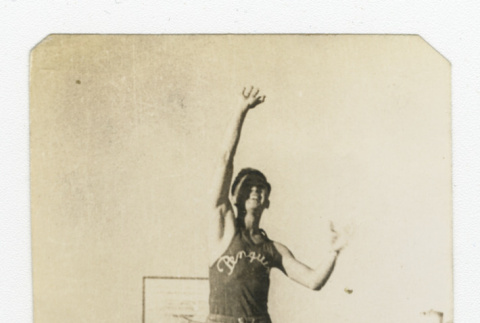
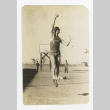
Nisei man performing jump shot (ddr-csujad-44-54)
A photograph of a Nisei man incarcerated at Tule Lake, California. He is wearing a basketball uniform and jumping in mid-air with arm raised in a jump shot position. In the background is a basketball goal and two men looking on. See this object in the California State Universities Japanese American Digitization project site: csumb_ms15_0054
img
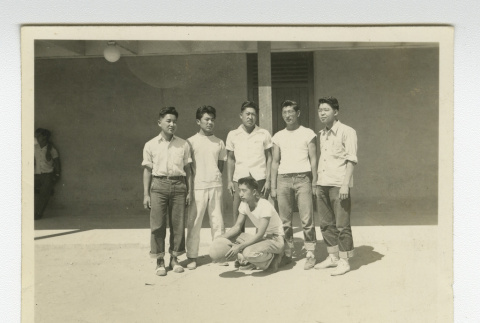
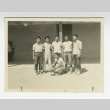
Nisei men's basketball team in front of barrack (ddr-csujad-44-20)
A photograph of six young Nisei men posing in front of a barrack at Tule Lake, California. They are presumably basketball team members. Five young men are standing in a row and one young man is crouching in front of them, holding a basketball. See this object in the California State Universities Japanese American Digitization project …
img
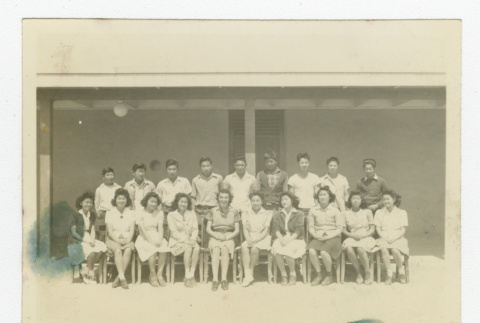
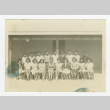
Large group of Nisei students with a teacher in front of barrack (ddr-csujad-44-41)
A large group photograph of young Nisei men and women incarcerated at Tule Lake, California, with their teacher. The group is posing in two rows outside a barrack. The front row is women seated in chairs and the back row is men standing. See this object in the California State Universities Japanese American Digitization project site: …

av
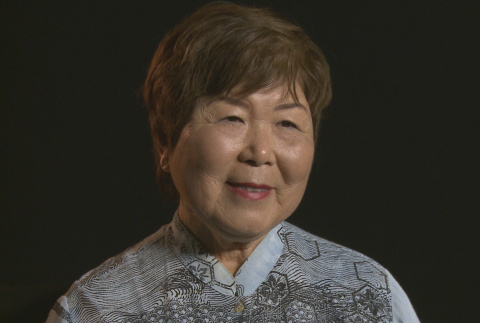
An oral history with Ken Hayashi (ddr-csujad-29-26)
An oral interview with Ken Hayashi, an incarceree at the Pinedale Assembly Center and the Tule Lake incarceration camp. The interview was conducted for the Japanese American Oral History Project by California State University, Fullerton. Transcript is found in item: csufccop_jaoh_0100. See this object in the California State Universities Japanese American Digitization project site: 1323.1_T01
vh
Nancy Kyoko Oda Interview (ddr-densho-1000-463)
Sansei female. Born May 20, 1945, at the Tule Lake concentration camp, California. Shortly after birth, parents returned to the Los Angeles, California, area, where they had been living before World War II. Grew up in the Boyle Heights neighborhood of Los Angeles, and was involved in judo along with father, who was a judo instructor. …
![Procurement and Shoe Rationing [Department] (ddr-csujad-26-106)](https://ddr.densho.org/media/cache/55/fa/55fa2cde6e1970231d2a24d835ef95fe.jpg)
img
Procurement and Shoe Rationing [Department] (ddr-csujad-26-106)
Letter from David O'Kane describing provenance and donating the included photo of the Procurement an Shoe Rationing Department at Tule Lake camp to Special Collections at Cal State Hayward. The photo features a group of five Japanese American women with five Caucasian men and women. The verso of the photo reads, "This was taken just before …
doc
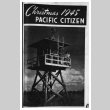
The Pacific Citizen, Vol. 21 No. 25 (December 22, 1945) (ddr-pc-17-51)
Selected article titles: "WRA Will Assist Returned Evacuees to Find Permanent Location on Pacific Coast" (p. 3), "California Attorney General Says Sheriff Attempted to Prevent Evacuee Employment" (p. 3), "Rehearings May Be Held for Tule Lake Group" (p. 3), "The Future of the Nisei is His Own by Dillon S. Myer" (p. 9), "Nisei Assisted in …
![[Call troops in new outbreak], newspaper article on Tule Lake protests, November 5, 1943 (ddr-csujad-2-37)](https://ddr.densho.org/media/cache/56/ac/56ac536e0ce0a757cb7507684b849494.jpg)
doc
[Call troops in new outbreak], newspaper article on Tule Lake protests, November 5, 1943 (ddr-csujad-2-37)
Newspaper article about protests at Tule Lake Camp in November, 1943 which led to martial law being in place for three months. Describes thousands of incarcerees protesting and the US army sent in for assistance. See this object in the California State Universities Japanese American Digitization project site: sjs_sch_0037
![[Minutes of the meeting of the Co-ordinating Committee and the Project Director and Colonel Austin, January 10, 1944] (ddr-csujad-2-32)](https://ddr.densho.org/media/cache/58/c5/58c5e61aad070b9124519272b68b8846.jpg)
doc
[Minutes of the meeting of the Co-ordinating Committee and the Project Director and Colonel Austin, January 10, 1944] (ddr-csujad-2-32)
Meeting minutes between incarceree-led Tule Lake Camp government and Camp Director Raymond Best and Commander of Military Police Colonel Verne Austin. Discusses farm worker unrest and release of prisoners from army stockades. See this object in the California State Universities Japanese American Digitization project site: sjs_sch_0032
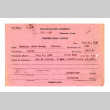
doc
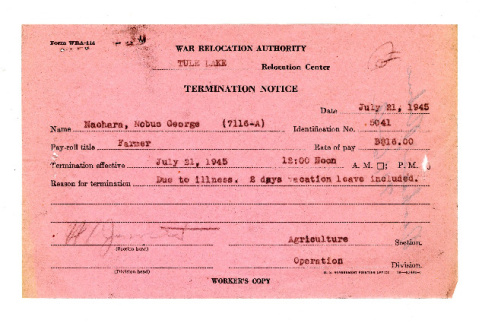
Termination notice, Form WRA-114, George Naohara (ddr-csujad-38-567)
A notice of termination, Form WRA-114, issued by "Tule Lake Relocation Center," War Relocation Authority. It notifies George Nobuo Naohara of the termination date and reason from his farmer's position. See this object in the California State Universities Japanese American Digitization project site: nao_05_13_020
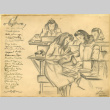
img
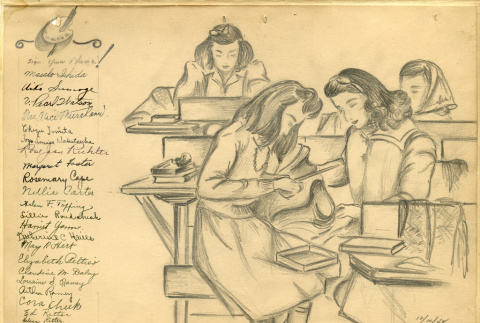
Tule Lake scrapbook illustrated page (ddr-csujad-26-65)
Scrapbook page featuring a pencil drawn illustration of women together at desks, reading and working on a possible art project. The page includes several signatures and is from "Tule Lake scrapbook" (ucsb_mei_0053). See this object in the California State Universities Japanese American Digitization project site: mei_03_20_013
![[Informal meeting of the Co-ordinating Committee and the Project Director and members of the Advisory Council, January 19, 1944] (ddr-csujad-2-36)](https://ddr.densho.org/media/cache/6c/28/6c281c17fbfb4a629e5fdf37cdb82053.jpg)
doc
[Informal meeting of the Co-ordinating Committee and the Project Director and members of the Advisory Council, January 19, 1944] (ddr-csujad-2-36)
Meeting minutes between incarceree led Tule Lake Camp government and the Advisory Council. Discussion on issues and concerns with Motor Pool jobs, farm work, and a donation from the Japanese Red Cross. See this object in the California State Universities Japanese American Digitization project site: sjs_sch_0036
![[Minutes of the joint meeting of the advisory council and the Co-ordinating Committee of the Tule Lake Center, February 8,1944] (ddr-csujad-2-20)](https://ddr.densho.org/media/cache/51/85/5185f52cad60827e42f3af2185f0b094.jpg)
doc
[Minutes of the joint meeting of the advisory council and the Co-ordinating Committee of the Tule Lake Center, February 8,1944] (ddr-csujad-2-20)
Meeting minutes of incarceree-led Tule Lake Camp government and camp advisory council. Describes efforts led to release prisoners from army stockades and plans for new building construction including a civic center. See this object in the California State Universities Japanese American Digitization project site: sjs_sch_0020
![Marriage affidavit [in Japanese] (ddr-csujad-12-25)](https://ddr.densho.org/media/cache/eb/1d/eb1dcddf96cc9ecd08faa6f39a64dc03.jpg)
doc
Marriage affidavit [in Japanese] (ddr-csujad-12-25)
Marriage affidavit for Tsugitada Kanamori and Kazuko Miyamoto. Signed by Sasaki, Buddhist priest, and Yoshikazu Tamura and Sotaro Nishikawa, witnesses. Tsugitada and Kazuyo married in the Tule Lake incarceration camp. See this object in the California State Universities Japanese American Digitization project site: tsu_01_07_006

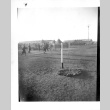
img
Landscape (ddr-csujad-13-5)
A landscape photograph depicts the area surrounding the Tule Lake incarceration camp. The caption on back of photograph reads, "View from hill tops and surrounding Tulelake Camp in Calif. (43)." See this object in the California State Universities Japanese American Digitization project site: tul_01_01_032
img
Incarcerees of Tule Lake (ddr-csujad-13-16)
The photograph depicts people walking in the distance towards some structures in the Tule Lake incarceration camp. The caption on back of photograph reads, "Japs just about to enter stockade under guard." See this object in the California State Universities Japanese American Digitization project site: tul_01_01_011
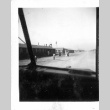
img
Photograph from Inside a Vehicle (ddr-csujad-13-10)
A photograph taken from inside a vehicle at the Tule Lake incarceration camp. Caption on back of photograph reads, "Japs walking on their streets during disturbance. Nov 43. Tulelake Calif." See this object in the California State Universities Japanese American Digitization project site: tul_01_01_005
doc
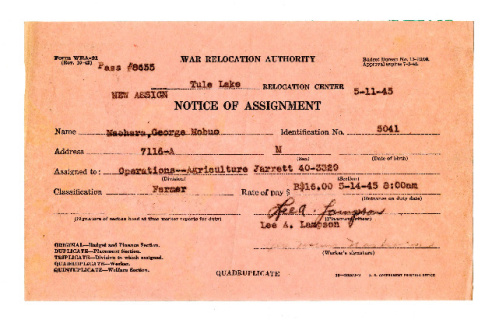
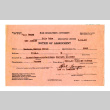
Notice of assignment, Form WRA-21, George Naohara (ddr-csujad-38-566)
A notice of assignment, Form WRA-21, issued by Lee A. Lampson, Tule Lake Relocation Center, War Relocation Authority. It notifies George Nobuo Naohara of a farmer's position assigned. See this object in the California State Universities Japanese American Digitization project site: nao_05_13_019
doc
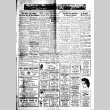
Colorado Times Vol. 31, No. 4333 (July 7, 1945) (ddr-densho-150-47)
Selected article titles: "Nisei Nurse Finds Soldiers She Serves Have No Race Prejudice"; "Methodist Confab Held in Oakland"; "500 Combat Vets in Hospital Protest VFW Rejecting Nisei"; "Nisei Soldier Fears He Must Face Battle at Home"; "Relocation Ups and Downs in Southern California"; "Burglary Reported at Tule Lake"; "Dr. George Iki Joins Inter-racial Clinic in Los …