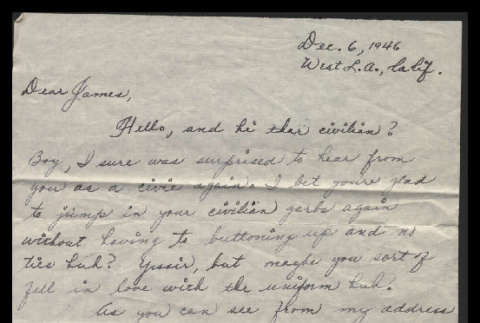
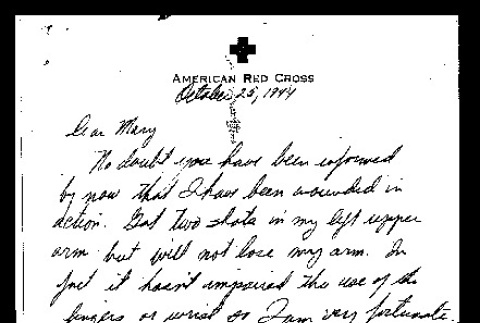
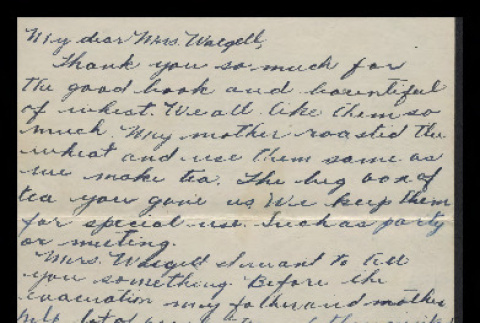
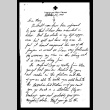
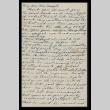
Correspondence from Leo Uchida to James Waegell regarding Uchida's experience in the army during World War II, mutual friends, and general updates. See this object in the California State Universities Japanese American Digitization project site: sac_jaac_2441
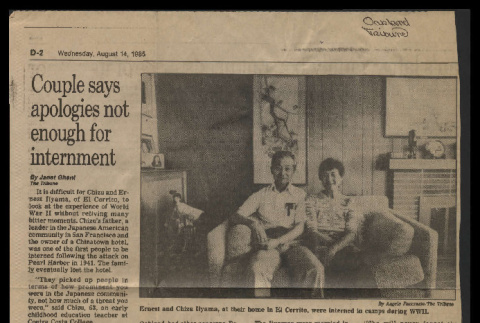
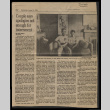
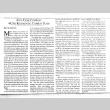
Newspaper clipping from "Oakland tribune" about former incarcerees, Ernest and Chizu Iiyama. Covers the Iiyama's experience in camp and life after incarceration. See this object in the California State Universities Japanese American Digitization project site: sac_jaac_2629
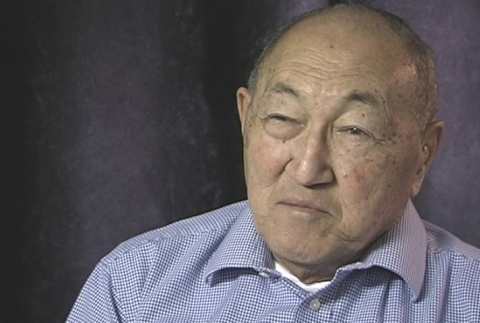
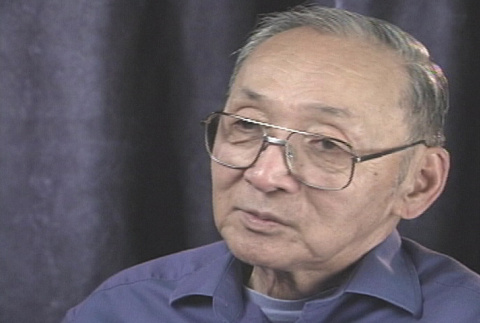
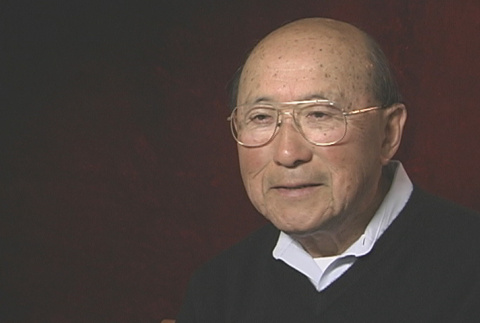
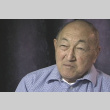
This interview was conducted as part of a project to capture stories of the Japanese American community of Spokane, Washington. Densho worked in collaboration with the Northwest Museum of Arts and Culture.
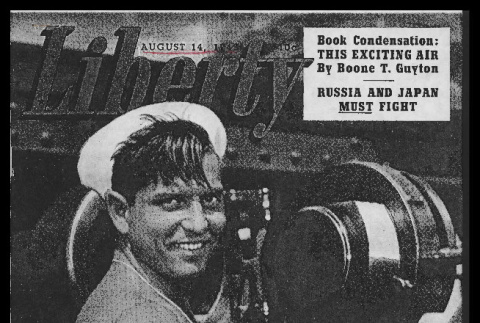
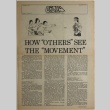
Clipping from the magazine "Liberty" detailing one Japanese-American woman's experience of being removed from the west coast military zone during World War II and incarcerated in Heart Mountain incarceration camp before relocating to Denver, Colorado with her family. See this object in the California State Universities Japanese American Digitization project site: sac_jaac_2221
Correspondence from Frank Okusako to Mary Yamasnira describing Okusako's experience of being wounded in action and current health status. See this object in the California State Universities Japanese American Digitization project site: sac_jaac_0244
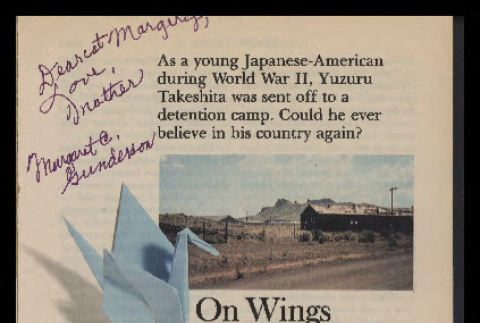
Article published in Reader's Digest describing Yuzuru John Takeshita's experience in the Tule Lake incarceration camp, his teacher Margaret Gunderson, and post-incarceration events. See this object in the California State Universities Japanese American Digitization project site: sac_jaac_0263
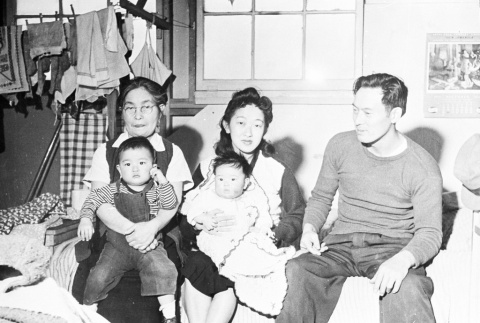
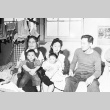
Dorothy and Jack Yamaguchi, pictured in the middle and to the far right, with their children and the children's grandmother, were from Seattle, Washington. The Yamaguchis returned to Seattle after World War II and worked to help preserve Japanese American history. They developed a slide show and accompanying book called This Is Minidoka, which they used …
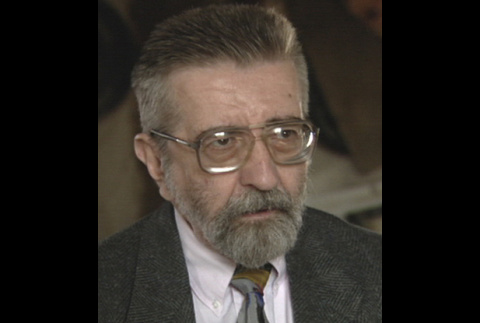
Sansei male. Born 1953 in Seabrook, New Jersey, where parents lived and worked following their incarceration experience during World War II. Grew up in Seabrook, participating in Japanese American community activities. Enrolled in the West Point military academy and spent military career in the armor corps, then became a deputy program executive for the army as …
White male. Born December 1, 1927, in New York City, New York. Charles Phelps Taft Professor Emeritus of History, University of Cincinnati. Served as a consultant to the Commission on Wartime Relocation and Internment of Civilians from 1981 to 1983. Has researched and written numerous books about the Japanese American experience, including Prisoners Without Trial: Japanese …
Impact of incarceration experience on personal identity: "It was a real fight internally, trying to be Japanese American, but at the same time, be more American"
As a teenager prior to World War II, began keeping scrapbooks with newspaper articles and memorabilia, a lifetime habit.
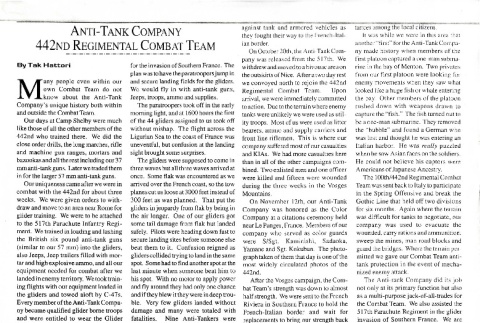
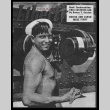
An article about Anti-Tank Company. It describes the uniqueness and experience of the Anti-tank Company during WWII. The shorter version or draft of this article is found in item: csudh_ike_0061. See this object in the California State Universities Japanese American Digitization project site: ike_02_02_003
Handwritten correspondence from Ruth Takagi to Margaret Waegell discussing her family and feelings regarding the forced evacuation experience. Takagi also requests supplies and food items. See this object in the California State Universities Japanese American Digitization project site: sac_jaac_00075
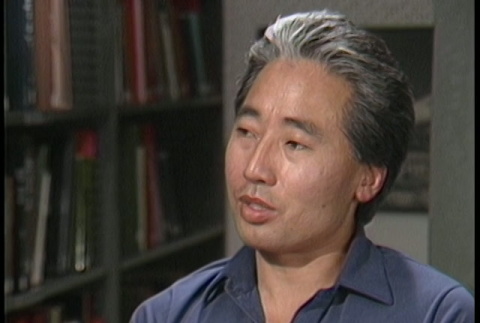
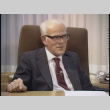
Dizer discusses the differences between Nisei and Japanese nationals, his thoughts on Japanese/Nisei "ethnocentrism", his experience with Japanese work and social life, his advice for his Japanese and American peers, and his views on racial discrimination. Loni Ding can be heard asking questions in the background. Original title: 195, II JA #12, Bill Dizer, Fri. Jan. …
Sansei male. Born 1953 in Seabrook, New Jersey, where parents lived and worked following their incarceration experience during World War II. Grew up in Seabrook, participating in Japanese American community activities. Enrolled in the West Point military academy and spent military career in the armor corps, then became a deputy program executive for the army as …
This interview was conducted as part of a project to capture stories of the Japanese American community of Spokane, Washington. Densho worked in collaboration with the Northwest Museum of Arts and Culture.
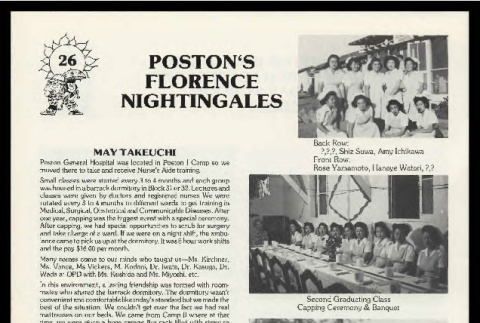
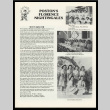
Essay describing the author's experience in Nurses Aide training at Poston incarceration camp. Includes black and white photographs of Nurses Aides in training. From the Poston II Reunion Program. See this object in the California State Universities Japanese American Digitization project site: sac_jaac_1869
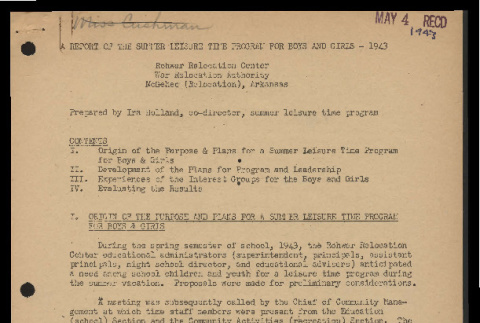
Report on the summer leisure program for children at Rohwer incarceration camp. Covers purpose and plans of the program, development of plans for program and leadership, experience of interest groups, and evaluation. See this object in the California State Universities Japanese American Digitization project site: sac_jaac_1694
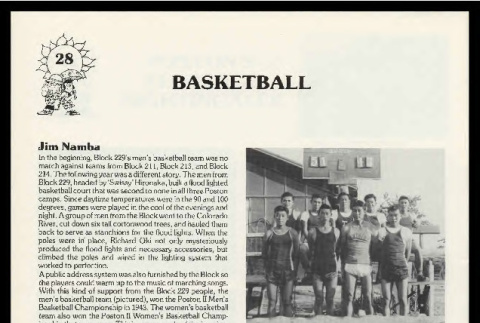
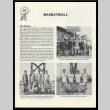
Essay reflecting on the author's experience forming a basketball team at Poston incarceration camp. Includes three black and white photographs of basketball teams. From the Poston II Reunion Program. See this object in the California State Universities Japanese American Digitization project site: sac_jaac_1870
This interview was conducted as part of a project to capture stories of the Japanese American community of Spokane, Washington. Densho worked in collaboration with the Northwest Museum of Arts and Culture.
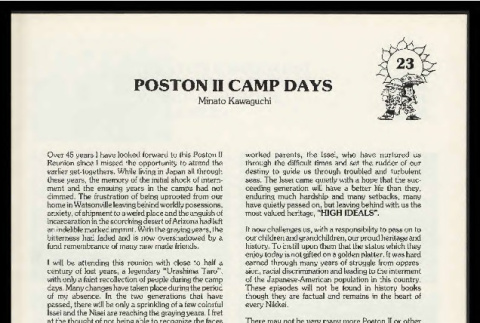
Essay by Minato Kawaguchi reflecting on her experience of being incarcerated, attending the reunion, and pointing out the importance of passing on awareness about the injustices to future generations. From the Poston II Reunion Program. See this object in the California State Universities Japanese American Digitization project site: sac_jaac_1867
Gary discusses the decision the DB Boys made to refuse to serve, the decision to intern the Japanese American population, the importance of the Kibei to the DB Boys, his experience in Japan and his connection to his heritage, and his father's court martial. Loni Ding can be heard asking questions behind the camera. Original title: …
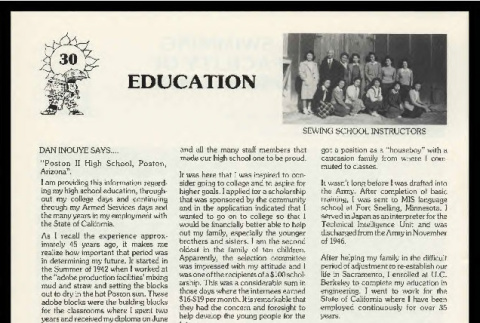
Essay by Dan Inouye describing his experience graduating from Poston II school, going on to higher education, service in the armed forces, and later, employment by the State of California. From the Poston II Reunion Program. See this object in the California State Universities Japanese American Digitization project site: sac_jaac_1872
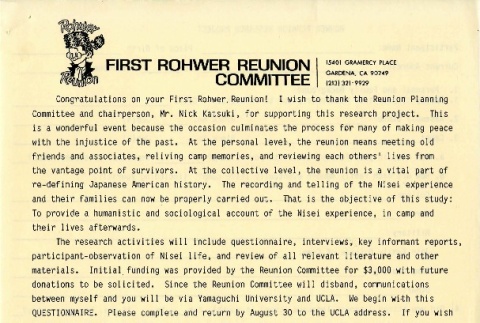
Questionnaire with a return-envelope for the Rohwer Research Project, a study of the Nisei experience and their families in camp and afterwards conducted by Charles Choy Wong, Project Director of Rohwer Research Project, Asian American Studies Center UCLA. Also includes the event schedule and dinner table seating chart for the first Rohwer Reunion. See this object …