Topics
Facilities
Format
Genre
Usage

Use <Ctrl> or (⌘) keys to select multiple terms

116 items
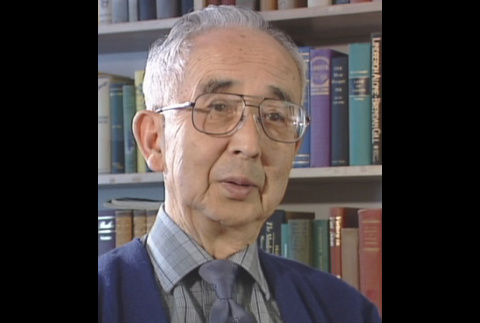
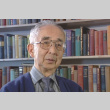
Shosuke Sasaki Segment 16 (ddr-densho-1000-78-16)
vh Shosuke Sasaki Segment 16 (ddr-densho-1000-78-16)
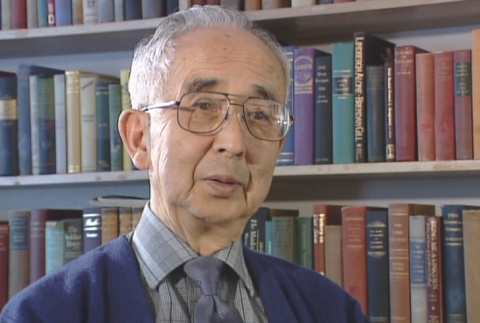
Struggle for resources and leadership in camp, and the plot to murder Jimmy Sakamoto
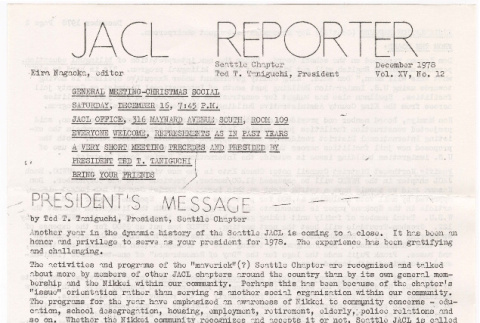
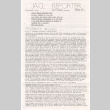
Seattle Chapter, JACL Reporter, Vol. XV, No. 12, December 1978 (ddr-sjacl-1-219)
doc Seattle Chapter, JACL Reporter, Vol. XV, No. 12, December 1978 (ddr-sjacl-1-219)
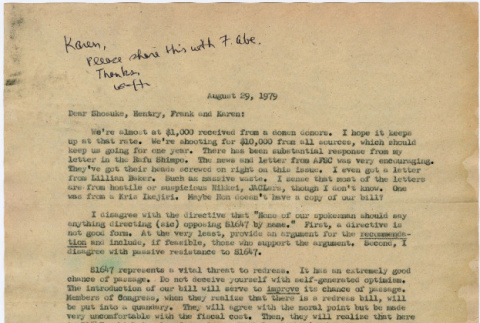
Newsletter covering the following topics: Installation January 19th, Bush Garden, Ellison Onizuka Keynote, $12.50/person; Day of Remembrance Recap, ?Large Community Turnout? 300 cars, speakers Mayor Royer, Gordon Hirabayashi, Monica Sone, Shosuke Sasaki, Min Masuda MC.
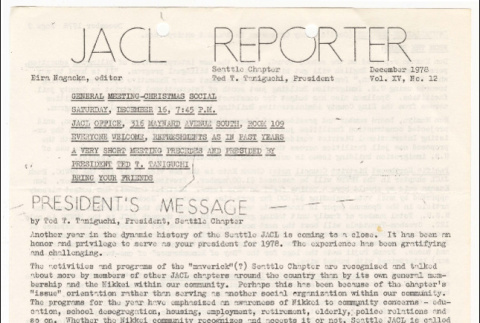
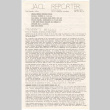
Seattle Chapter, JACL Reporter, Vol. XV, No. 12, December 1978 (ddr-sjacl-1-274)
doc Seattle Chapter, JACL Reporter, Vol. XV, No. 12, December 1978 (ddr-sjacl-1-274)
Newsletter covering the following topics: Installation January 19th, Bush Garden, Ellison Onizuka Keynote, $12.50/person; Day of Remembrance Recap, ?Large Community Turnout? 300 cars, speakers Mayor Royer, Gordon Hirabayashi, Monica Sone, Shosuke Sasaki, Min Masuda MC.

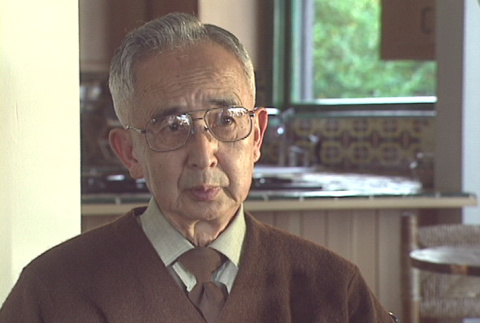
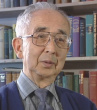
Narrator Shosuke Sasaki
Issei male. Born March 26, 1912, in Yamaguchi-ken, Japan. Immigrated to United States in 1919. Lived in Pomeroy, Washington, and Seattle, Washington, before World War II. Incarcerated at the Puyallup Assembly Center, Washington and the Minidoka concentration camp, Idaho. Resettled in New York. As a member of the Newspaper Guild, led effort to eliminate pejorative use …
Seattle Evacuation Redress Committee (ddr-densho-10-12)
img Seattle Evacuation Redress Committee (ddr-densho-10-12)
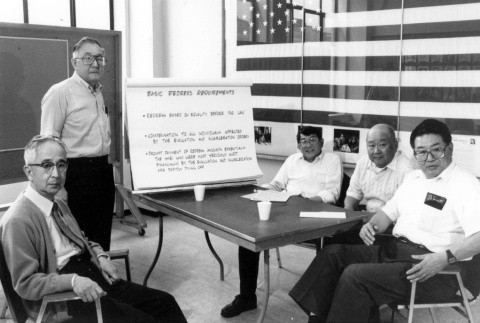
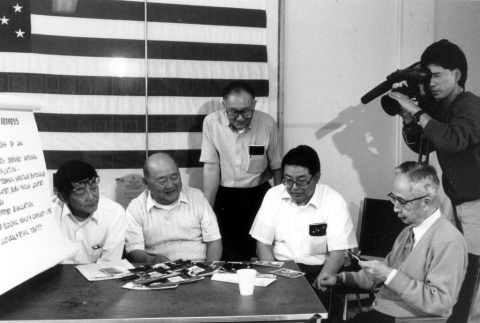
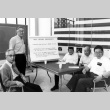
The Seattle Evacuation Redress Committee was formed in 1973. The original committee members were photographed during a video session on the redress movement. Left to right: Shosuke Sasaki, Henry Miyatake, Chuck Kato, Mike Nakata, and Ken Nakano.
Shosuke Sasaki Collection (ddr-densho-274)
Collection Shosuke Sasaki Collection (ddr-densho-274)
This collection consists of documents from the personal collection of Mr. Shosuke Sasaki, an Issei who immigrated to the U.S. in 1919. During World War II he was incarcerated in Minidoka, Idaho, and later worked for Standard & Poor's financial institution for many years. His papers document his work with Minidoka's Welfare Department, as well as …
Shosuke Sasaki Interview Segment 2 (ddr-densho-1002-2-2)
vh Shosuke Sasaki Interview Segment 2 (ddr-densho-1002-2-2)
Difficulty of losing father at an early age

This interview was conducted by sisters Emiko and Chizuko Omori for their 1999 documentary, Rabbit in the Moon, about the Japanese American resisters of conscience in the World War II incarceration camps. As a result, the interviews in this collection are typically not life histories, instead primarily …

Shosuke Sasaki Interview Segment 8 (ddr-densho-1002-2-8)
vh Shosuke Sasaki Interview Segment 8 (ddr-densho-1002-2-8)
Working for a ditch repair crew in Minidoka

This interview was conducted by sisters Emiko and Chizuko Omori for their 1999 documentary, Rabbit in the Moon, about the Japanese American resisters of conscience in the World War II incarceration camps. As a result, the interviews in this collection are typically not life histories, instead primarily …

Shosuke Sasaki Interview Segment 10 (ddr-densho-1002-2-10)
vh Shosuke Sasaki Interview Segment 10 (ddr-densho-1002-2-10)
Frustration with the registration questions involving renouncing allegiance to Japan

This interview was conducted by sisters Emiko and Chizuko Omori for their 1999 documentary, Rabbit in the Moon, about the Japanese American resisters of conscience in the World War II incarceration camps. As a result, the interviews in this collection are typically not life histories, …

Shosuke Sasaki Interview Segment 3 (ddr-densho-1002-2-3)
vh Shosuke Sasaki Interview Segment 3 (ddr-densho-1002-2-3)
Growing up with sister as the only people of Japanese ancestry in a small town

This interview was conducted by sisters Emiko and Chizuko Omori for their 1999 documentary, Rabbit in the Moon, about the Japanese American resisters of conscience in the World War II incarceration camps. As a result, the interviews in this collection …
Shosuke Sasaki Interview Segment 13 (ddr-densho-1002-2-13)
vh Shosuke Sasaki Interview Segment 13 (ddr-densho-1002-2-13)
Working in the Minidoka fire department

This interview was conducted by sisters Emiko and Chizuko Omori for their 1999 documentary, Rabbit in the Moon, about the Japanese American resisters of conscience in the World War II incarceration camps. As a result, the interviews in this collection are typically not life histories, instead primarily focusing on …

Shosuke Sasaki Interview Segment 4 (ddr-densho-1002-2-4)
vh Shosuke Sasaki Interview Segment 4 (ddr-densho-1002-2-4)
Attending the University of Washington prewar, deciding to major in banking and finance

This interview was conducted by sisters Emiko and Chizuko Omori for their 1999 documentary, Rabbit in the Moon, about the Japanese American resisters of conscience in the World War II incarceration camps. As a result, the interviews in this collection are typically …

Shosuke Sasaki Interview Segment 1 (ddr-densho-1002-2-1)
vh Shosuke Sasaki Interview Segment 1 (ddr-densho-1002-2-1)
Family background: born in Japan; father's unorthodox arrival in the United States

This interview was conducted by sisters Emiko and Chizuko Omori for their 1999 documentary, Rabbit in the Moon, about the Japanese American resisters of conscience in the World War II incarceration camps. As a result, the interviews in this collection are typically not …

Shosuke Sasaki Interview Segment 16 (ddr-densho-1002-2-16)
vh Shosuke Sasaki Interview Segment 16 (ddr-densho-1002-2-16)
Becoming an American citizen

This interview was conducted by sisters Emiko and Chizuko Omori for their 1999 documentary, Rabbit in the Moon, about the Japanese American resisters of conscience in the World War II incarceration camps. As a result, the interviews in this collection are typically not life histories, instead primarily focusing on issues surrounding …

Shosuke Sasaki Interview Segment 14 (ddr-densho-1002-2-14)
vh Shosuke Sasaki Interview Segment 14 (ddr-densho-1002-2-14)
Thoughts about the incarceration in retrospect: "it should never have happened"

This interview was conducted by sisters Emiko and Chizuko Omori for their 1999 documentary, Rabbit in the Moon, about the Japanese American resisters of conscience in the World War II incarceration camps. As a result, the interviews in this collection are typically not life …

Shosuke Sasaki Interview Segment 11 (ddr-densho-1002-2-11)
vh Shosuke Sasaki Interview Segment 11 (ddr-densho-1002-2-11)
Leaving camp in 1944 for employment on the East Coast

This interview was conducted by sisters Emiko and Chizuko Omori for their 1999 documentary, Rabbit in the Moon, about the Japanese American resisters of conscience in the World War II incarceration camps. As a result, the interviews in this collection are typically not life histories, …

Shosuke Sasaki Interview Segment 6 (ddr-densho-1002-2-6)
vh Shosuke Sasaki Interview Segment 6 (ddr-densho-1002-2-6)
Thoughts on the Japanese American Citizens League and the organization's involvement in the World War II incarceration

This interview was conducted by sisters Emiko and Chizuko Omori for their 1999 documentary, Rabbit in the Moon, about the Japanese American resisters of conscience in the World War II incarceration camps. As a result, the interviews in …

Shosuke Sasaki Interview Segment 15 (ddr-densho-1002-2-15)
vh Shosuke Sasaki Interview Segment 15 (ddr-densho-1002-2-15)
Feeling somber upon hearing of Japan's defeat

This interview was conducted by sisters Emiko and Chizuko Omori for their 1999 documentary, Rabbit in the Moon, about the Japanese American resisters of conscience in the World War II incarceration camps. As a result, the interviews in this collection are typically not life histories, instead primarily focusing …

Shosuke Sasaki Interview Segment 12 (ddr-densho-1002-2-12)
vh Shosuke Sasaki Interview Segment 12 (ddr-densho-1002-2-12)
Involvement in a plot to murder a Nisei in camp

This interview was conducted by sisters Emiko and Chizuko Omori for their 1999 documentary, Rabbit in the Moon, about the Japanese American resisters of conscience in the World War II incarceration camps. As a result, the interviews in this collection are typically not life histories, …

Shosuke Sasaki Interview Segment 7 (ddr-densho-1002-2-7)
vh Shosuke Sasaki Interview Segment 7 (ddr-densho-1002-2-7)
Memories of Minidoka concentration camp, Idaho: two instances of "escaping" from camp

This interview was conducted by sisters Emiko and Chizuko Omori for their 1999 documentary, Rabbit in the Moon, about the Japanese American resisters of conscience in the World War II incarceration camps. As a result, the interviews in this collection are typically not …

Shosuke Sasaki Interview Segment 9 (ddr-densho-1002-2-9)
vh Shosuke Sasaki Interview Segment 9 (ddr-densho-1002-2-9)
Helping to set up a rationing office in camp

This interview was conducted by sisters Emiko and Chizuko Omori for their 1999 documentary, Rabbit in the Moon, about the Japanese American resisters of conscience in the World War II incarceration camps. As a result, the interviews in this collection are typically not life histories, instead …

Shosuke Sasaki Interview Segment 5 (ddr-densho-1002-2-5)
vh Shosuke Sasaki Interview Segment 5 (ddr-densho-1002-2-5)
Thoughts on the bombing of Pearl Harbor, memories of anti-Japanese sentiment in the American press

This interview was conducted by sisters Emiko and Chizuko Omori for their 1999 documentary, Rabbit in the Moon, about the Japanese American resisters of conscience in the World War II incarceration camps. As a result, the interviews in this collection …

Seattle Evacuation Redress Committee (ddr-densho-10-13)
img Seattle Evacuation Redress Committee (ddr-densho-10-13)
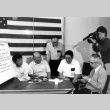
The Seattle Evacuation Redress Committee was formed in 1973. The original committee members were filmed for a video on the redress movement. Left to right: Chuck Kato, Mike Nakata, Henry Miyatake, Ken Nakano, and Shosuke Sasaki. Videographer Dean Hayasaka stands behind Sasaki.
API