
10000 items
10000 items
img
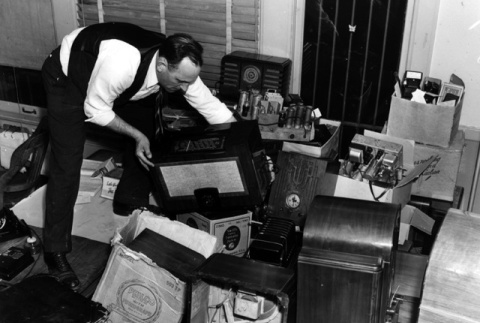
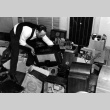
Man stacking confiscated radios (ddr-densho-36-31)
Shortly after the bombing of Pearl Harbor, Japanese Americans were ordered by government officials to surrender their cameras and radios, ostensibly to prevent their use in treasonable activities. It is important to note that there are no documented cases of Japanese Americans taking part in such activities.
img
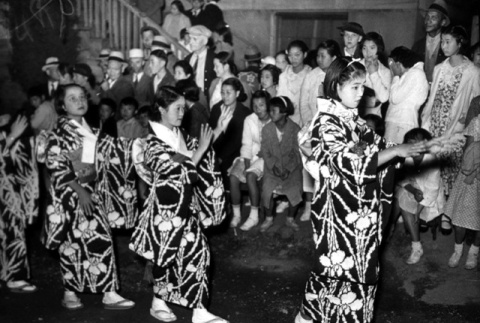
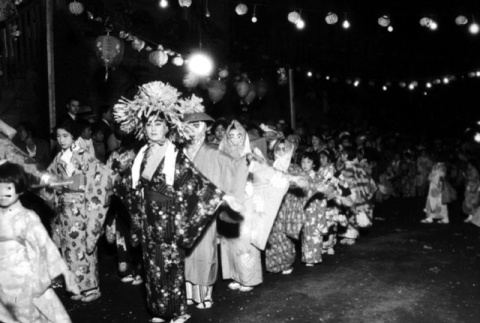
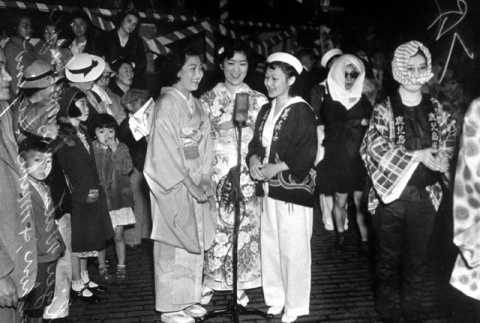
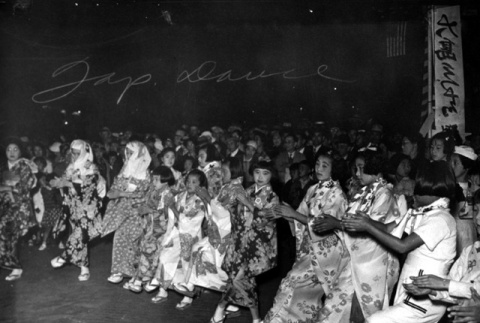
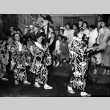
Bon Odori (ddr-densho-36-60)
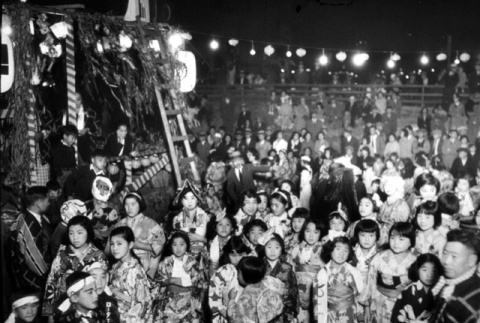
Before World War II, the Bon Odori festival took place on Main Street in Seattle's Nihonmachi, or Japantown.
img
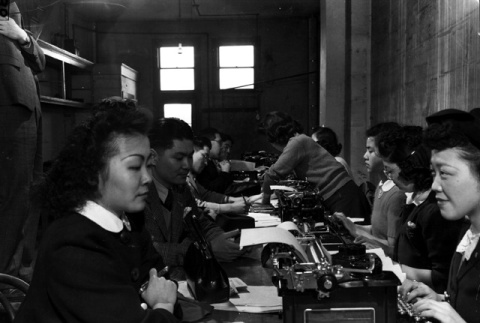
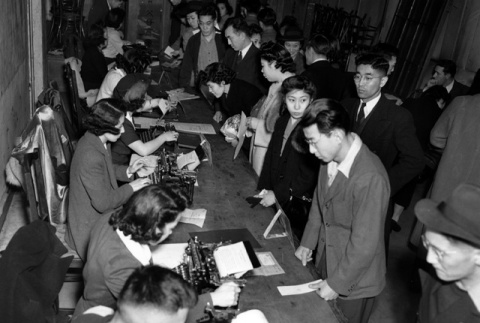
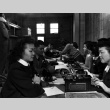
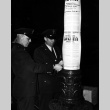
JACL mass removal registration (ddr-densho-36-30)
The Seattle chapter of the JACL conducted emergency "evacuation" registration on or about March 14, 1942.
img
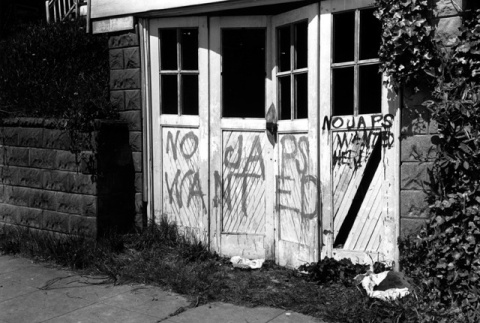
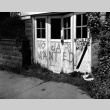
Racial epithet (ddr-densho-36-7)
This racial epithet was painted on the garage door of a Japanese American. The photo may have been taken during the resettlement period.
img
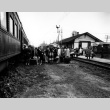
En route to Manzanar Assembly Center (ddr-densho-36-8)
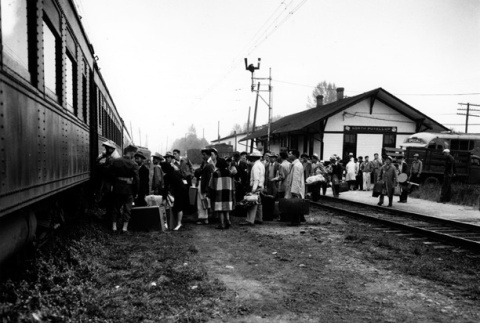
Japanese Americans from Bainbridge Island, Washington are being transported to the Manzanar Assembly Center, California. Manzanar Assembly Center became a WRA incarceration camp on June 1, 1942.
img
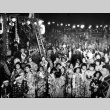
Bon Odori (ddr-densho-36-62)
Before World War II, the Bon Odori festival took place on Main Street in Seattle's Nihonmachi, or Japantown.
img
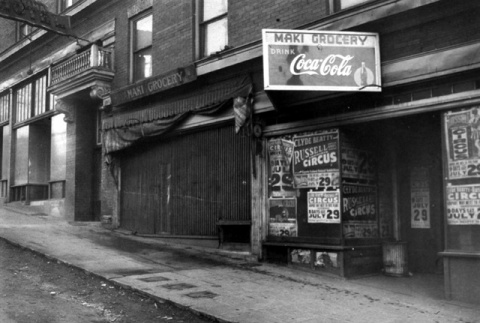
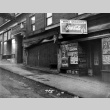
Nihonmachi (Japantown) after mass removal (ddr-densho-36-52)
The Maki Grocery was located at 605 Main Street in Seattle's Nihonmachi. The store was owned by Kiyoichi Maki.
img
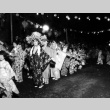
Bon Odori (ddr-densho-36-58)
Before World War II, the Bon Odori festival took place on Main Street in Seattle's Nihonmachi, or Japantown.
img
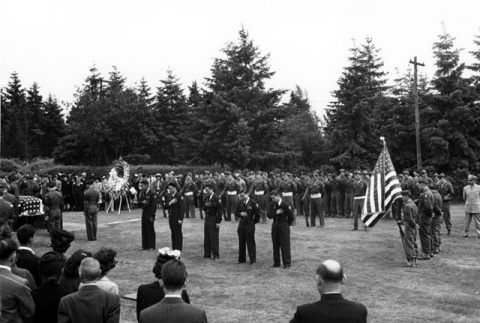
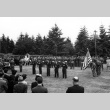
Funeral service for a Nisei soldier (ddr-densho-36-2)
Funeral service for a Nisei soldier at the Washelli Cemetery.
img
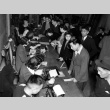
JACL mass removal registration (ddr-densho-36-29)
The Seattle chapter of the JACL conducted emergency "evacuation" registration on or about March 14, 1942.
img
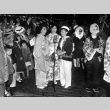
Bon Odori (ddr-densho-36-64)
Before World War II, the Bon Odori festival took place on Main Street in Seattle's Nihonmachi, or Japantown.
img
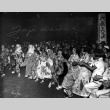
Bon Odori (ddr-densho-36-61)
Before World War II, the Bon Odori festival took place on Main Street in Seattle's Nihonmachi, or Japantown.
img
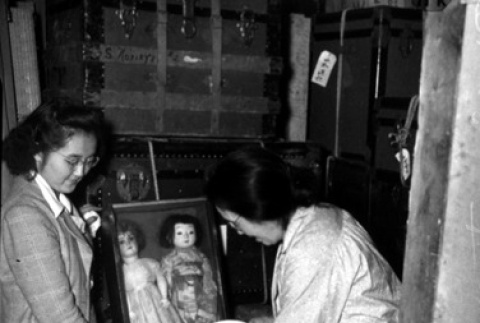
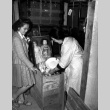
Packing items for the mass removal (ddr-densho-36-50)
This mother and daughter pack their belongings in preparation for mass removal.
img
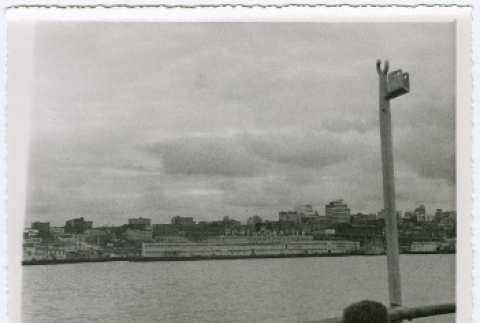
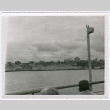
Port Seattle skyline (ddr-densho-378-1114)
Photograph of the Seattle skyline and a large "Port of Seattle" sign atop a large building or pier, likely taken from onboard a boat or ferry. Inscribed on the back "July 19 - 54."
img
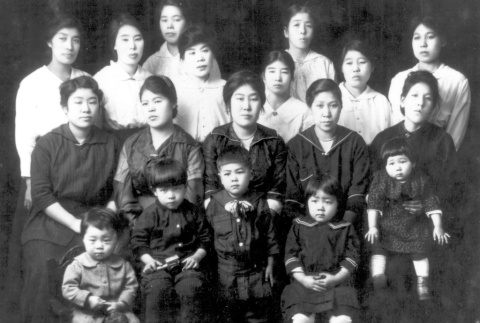
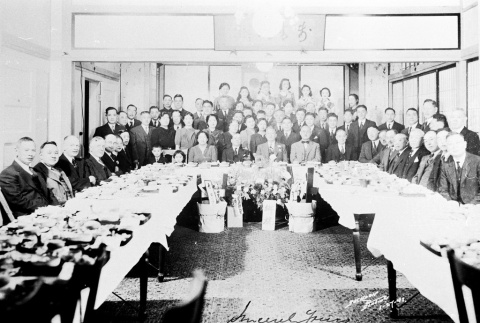
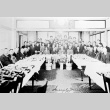
Group photograph in a Japantown restaurant (ddr-densho-39-26)
Original museum description: 2 co. of sepia colored photograph, group picture of a gathering of primarily Japanese immigrants at what appears to be Maneki Restaurant in Seattle, dated 1-27-41, photo taken by Jackson Studio. (Info from original museum description)
img
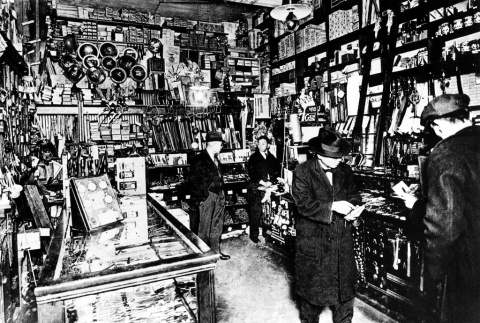
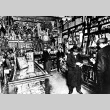
Tashiro's Hardware Store (ddr-densho-39-2)
Tashiro's Hardware Store, established in 1917, was a prominent business located on Prefontaine Avenue in the heart of Seattle's Nihonmachi. Kanjiro Tashiro (without hat) sold Japanese folding knives before opening his hardware store in Seattle. During World War II, he stored his inventory at Northcoast Importing. After the war, Tashiro reopened his business and continued to …
img
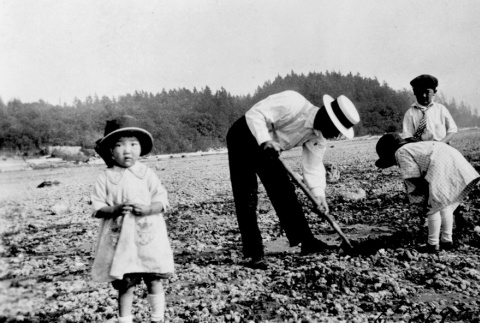
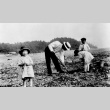
Family digging clams on Puget Sound (ddr-densho-39-1)
Clam digging was a favorite pastime for Seattle's Japanese American community. This is the Takakoshi family. Left to right: Fumiko, Sumijiro, Katsumi and Shizuko Takakoshi.
img
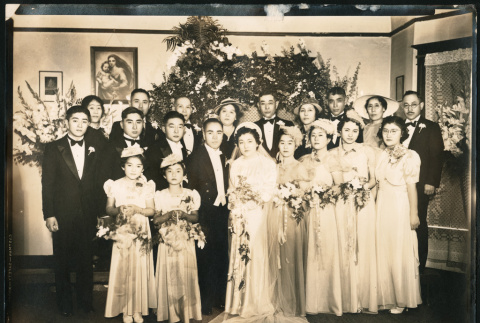
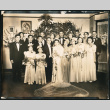
Wedding party (ddr-densho-395-12)
A wedding party stands in front of an arch of greenery. Seiso and Kimiko Bitow are on the back row, first and second from the right. On the bottom right corner of the photograph is a mark for Takano Studio, Seattle.
img
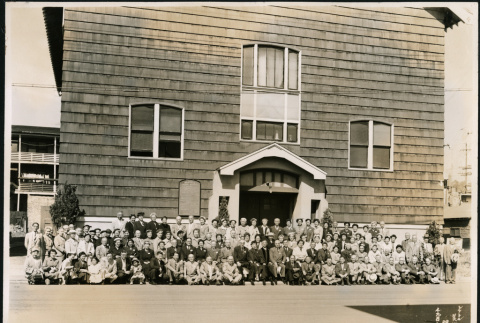
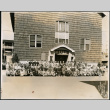
Seattle Japanese Methodist Episcopal Church group photograph (ddr-densho-395-57)
A group photograph outside of the Seattle Japanese Methodist Episcopal Church (renamed Blaine Memorial United Methodist Church in 1956). Seiso Bitow is on the back row, sixth from the left.
img
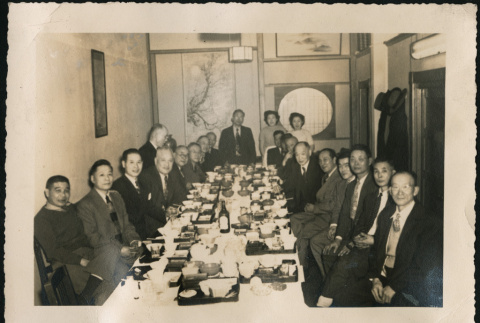
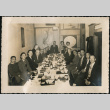
Group dines at Bush Garden restaurant (ddr-densho-395-67)
A group of men and women sit around a dinner table, likely at the Bush Garden restaurant according to accompanying materials.
img
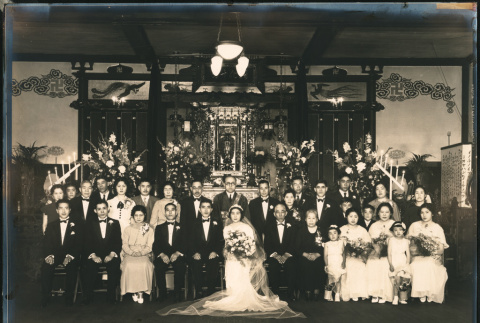
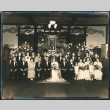
Wedding party sits in front of a shrine (ddr-densho-395-6)
A wedding party sits in front of a shrine, possibly at the Seattle Betsuin Buddhist Temple. Seiso Bitow stands in the center, next to the priest.
img
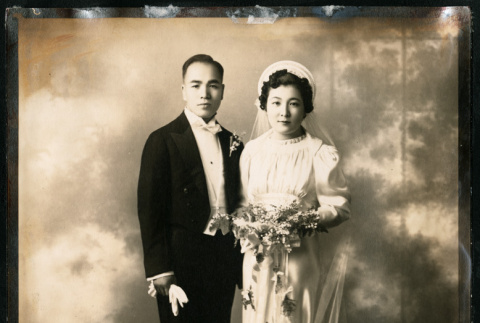
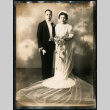
Bride and groom (ddr-densho-395-21)
A bride and groom pose for the camera in their wedding attire. The groom is in white tie attire and holds his gloves in his hands. The bride wears a dress with ruching details and a long veil attached to a headpiece.
img
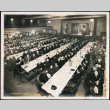
Attendees fill a banquet hall (ddr-densho-395-100)
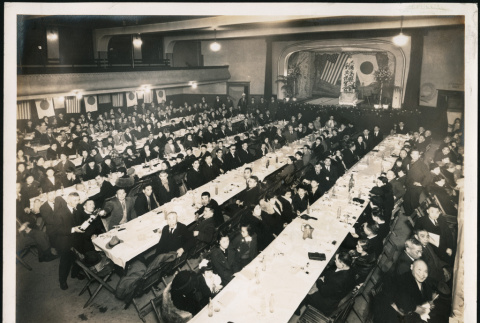
Attendees crowd into a large room decorated with American and Japanese flags and lined with banquet tables. Accompanying materials indicate that the venue is "possibly Nippon Kan Theater" but is more likely Washington Hall.