
1008 items









1008 items
vh
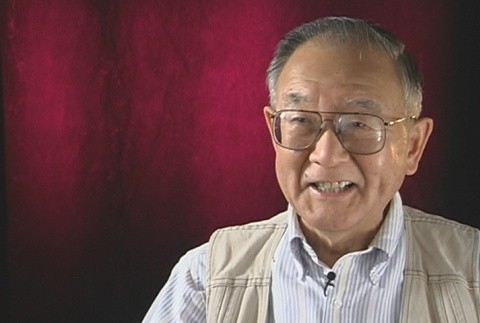
Henry Miyatake Interview V (ddr-densho-1000-57)
Nisei male. Born April 28, 1929, in Seattle, Washington. Incarcerated at Puyallup Assembly Center and Minidoka concentration camp, Idaho. Had some key childhood experiences with discrimination that made him a self-described, "independent thinker," and later, an influential figure in the Japanese American community. While a teenager in camp, he wrote and defended an essay criticizing the …
vh
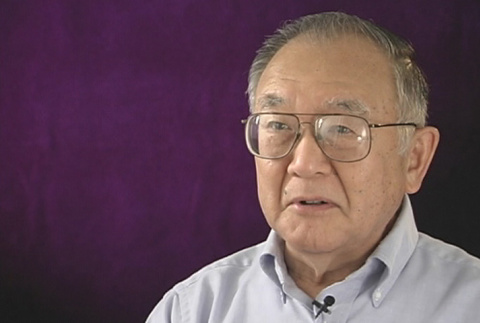
Henry Miyatake Interview III (ddr-densho-1000-55)
Nisei male. Born April 28, 1929, in Seattle, Washington. Incarcerated at Puyallup Assembly Center and Minidoka concentration camp, Idaho. Had some key childhood experiences with discrimination that made him a self-described, "independent thinker," and later, an influential figure in the Japanese American community. While a teenager in camp, he wrote and defended an essay criticizing the …
vh
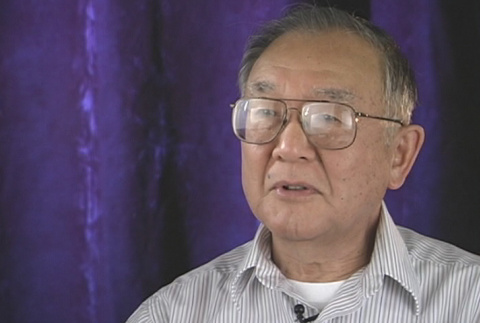
Henry Miyatake Interview VI (ddr-densho-1000-58)
Nisei male. Born April 28, 1929, in Seattle, Washington. Incarcerated at Puyallup Assembly Center and Minidoka concentration camp, Idaho. Had some key childhood experiences with discrimination that made him a self-described, "independent thinker," and later, an influential figure in the Japanese American community. While a teenager in camp, he wrote and defended an essay criticizing the …
vh
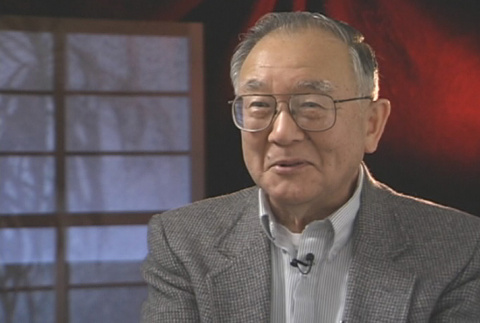
Henry Miyatake Interview II (ddr-densho-1000-54)
Nisei male. Born April 28, 1929, in Seattle, Washington. Incarcerated at Puyallup Assembly Center and Minidoka concentration camp, Idaho. Had some key childhood experiences with discrimination that made him a self-described, "independent thinker," and later, an influential figure in the Japanese American community. While a teenager in camp, he wrote and defended an essay criticizing the …
Narrator Toru Sakahara
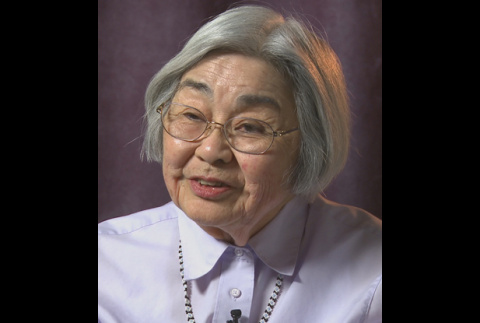
Nisei male. Born September 19, 1916, in Fife, Washington. During World War II, incarcerated at Puyallup Assembly Center, Washington, and Minidoka concentration camp, Idaho. Resettled during the war to Salt Lake City, Utah, and returned to Seattle after the end of World War II. Mr. Sakahara worked on behalf of individuals filing claims for restitution under …
Narrator Aya Uenishi Medrud
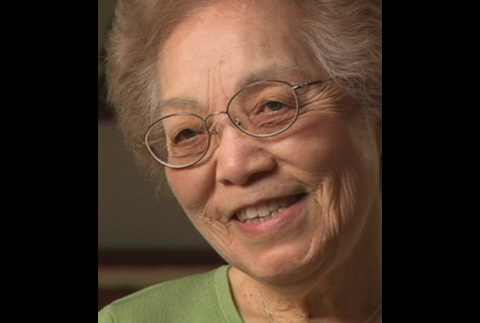
Nisei female. Born April 9, 1925, in Malden, Washington. Grew up in Seattle, Washington, before being removed with family to the Puyallup Assembly Center, Washington, and the Minidoka concentration camp, Idaho. From Minidoka, relocated with family to Utica, New York. Worked in Japan for the U.S. Army of Occupation, and for the Tokyo General Army Hospital …

Narrator Sumi Okamoto
Nisei female. Born January 7, 1920, in Seattle, Washington. Spent childhood in Spokane, Washington, where father worked for the Alaska Junk Company. Attended Irving Grade School and Lewis & Clark High School. Wedding took place on December 7, 1941, the day of Japan's attack on Pearl Harbor. Husband passed away in 1946, and Ms. Okamoto worked …
Narrator James Nishimura
Nisei male. Born February 6, 1930, in Seattle, Washington. Following the bombing of Pearl Harbor, was removed to the Puyallup Assembly Center, Washington, and Minidoka concentration camp, Idaho. While in camp, was allowed to leave to attend high school for one year in the nearby town of Eden, Idaho. After leaving camp, Mr. Nishimura moved to …

Narrator Roy Nakagawa
Nisei male. Born December 28, 1916, in Missoula, Montana. Spent early part of childhood in Montana, where parents ran a farm. Moved with family to Seattle, Washington, finished school, and attended the University of Washington. Moved to the Los Angeles area for work. During World War II, removed to the Poston concentration camp, Arizona. After leaving …

Narrator Miyoko Kaneta
Nisei female. Born December 16, 1926, in El Centro, California. Grew up in various places in California, where parents owned a barbershop. After the bombing of Pearl Harbor, removed with her family to the Poston concentration camp, Arizona. After leaving camp, resettled in Hazelton, Idaho, and Oakland, California, before moving to Seattle, Washington. After the war, …
Narrator David Sakura
Sansei male. Born March 28, 1936, in Seattle, Washington. Grew up in Eatonville, Washington, where father worked for a lumber company. During World War II, removed with family to the Puyallup Assembly Center, Washington, and the Minidoka concentration camp, Idaho. Father served in the U.S. Army during the war. After leaving camp, lived in public housing …
img
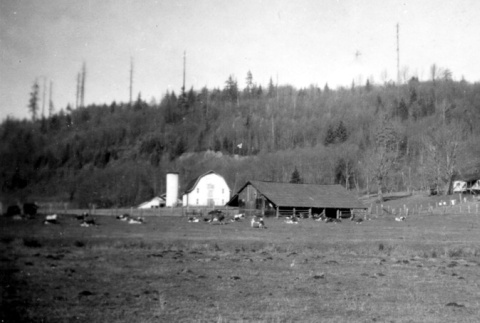
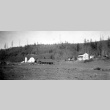
Dairy farm (ddr-densho-46-2)
Kamezo and Miye Nakashima were from Saga-ken, Japan. They settled in Days, Washington in the early 1900s. Their 1,300-acre farm was largely self-sustaining and the Nakashimas purchased only dry goods. Produce such as corn, potatoes, lettuce, and fruit were grown on the farm. The property line of the farm extended far beyond the tree line shown …

Narrator Ben Uyeno
Nisei male. Born November 30, 1918, in Yakima, Washington. Spent two years of childhood in Japan. Returned to Seattle and became an active participant in Japanese American community life. Was attending the University of Washington when World War II started. Avoided incarceration with the help of the Friends (a Quaker organization), which hid him and helped …
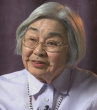
Narrator Kazuko Uno Bill
Nisei female. Born June 5, 1921, in Seattle, Washington. Raised in South Park, Washington where family operated a small produce farm. Attended Cleveland High School and the University of Washington. Was in senior year of college on December 7, 1941. Father picked up by FBI following the bombing of Pearl Harbor and sent to Missoula internment …

Narrator Bob Santos
Male of Filipino and Native American descent. Born 1934 in Seattle, Washington. Grew up in the Chinatown/International District area of Seattle. In the 1950s, became involved in civil rights activist causes. Served as Executive Director of the International District Improvement Association (InterIm) from 1972 to 1989. In 1982, founded the Minority Executive Director's Coalition along with …
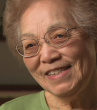
Narrator Yukiko Takahashi
Nisei female. Born April 20, 1922. Grew up on Bainbridge Island, Washington. Was working as a maid in Seattle when Japan bombed Pearl Harbor on December 7, 1941. During the war, removed to the Manzanar concentration camp, California, and transferred to the Minidoka concentration camp, Idaho.

Narrator Martha Nishitani
Nisei female. Born February 27, 1920, in Seattle, Washington. Family owned and operated the Oriental Gardens, the first nursery in Lake City. Incarcerated at Puyallup Assembly Center, Washington, and Minidoka concentration camp, Idaho. An award-winning modern dancer who established the Martha Nishitani Modern Dance School and Martha Nishitani Modern Dance Company, she also choreographs for modern …

Narrator Victor Ikeda
Nisei male. Born February 4, 1927, in Seattle, Washington. Grew up in Seattle's Japantown area, where parents operated a hotel. After the bombing of Pearl Harbor, removed to the Puyallup Assembly Center, Washington, and the Minidoka concentration camp, Idaho. Left camp to attend school in Minnesota, was drafted, and trained in the Military Intelligence Service Language …

Narrator Stanley N. Shikuma
Sansei male. Born December 2, 1953, in Brogan, Oregon. Grew up primarily in the Watsonville, California, area, where parents ran a farm. Exposed at an early age to activism and organized labor. Attended Stanford University and then moved to Seattle, Washington, and earned a nursing credential. Has joined and led several prominent Seattle-area taiko (Japanese drum) …

Narrator Sharon Maeda
Sansei female. Born February 16, 1945, in Milwaukee, Wisconsin, where parents had resettled after leaving the Minidoka concentration camp, Idaho, during World War II. Moved at an early age to Portland, Oregon, and then Seattle, Washington. Attended the University of Washington where she was active in student groups. Got involved in numerous political campaigns supporting Asian …
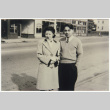
Collection
Tokuda Family Collection (ddr-densho-383)
The Tokuda Collection consists of three accessions. Accession 1 of the Tokuda collection contains a photograph album of George Tokuda's from his time as a student at the University of Washington in Seattle. Other subjects in the album include summers working in Alaska, and friends and family growing up in Mukilteo. This collection also includes other …
img
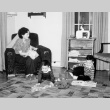
WRA resettlement image (ddr-densho-7-7)
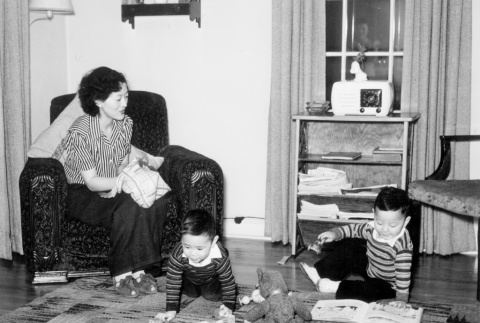
Original WRA caption: Here is a corner view of the spacious living room in the home of the Kaneko and the Isoda families who have resettled in Milwaukee. Mrs. Tei Kaneko is opening her knitting bag while on the floor (left to right) are Robin Isoda, 2-1/2 -year-old son of Mr. and Mrs. Georg[e] Isoda, and …
img
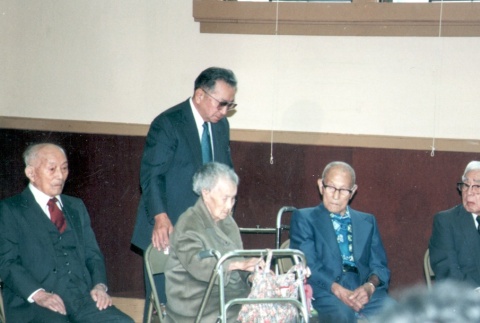
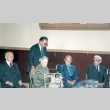
Issei waiting to receive their redress checks (ddr-densho-10-11)
Four Issei, all at least 100 years of age, waiting to receive their redress checks at the Nisei Veterans Hall in Seattle, Washington. Left to right: Mr. Katsuo, Ms. Wakamatsu, Mr. Ishimitsu, and Mr. Nakagawa. The fifth Issei recipient, Mr. Frank Yatsu, is not pictured. The man standing behind Ms. Wakamatsu is unidentified. The Civil Liberties …

doc
Seattle Chapter, JACL Reporter, Vol. 41, No. 9, September 2004 (ddr-sjacl-1-521)
Newsletter covering the following topics: Response to Michelle Malkin who released a book ?In Defense of Internment: The Case for Racial Profiling?; Report on Aki Kurose Beautification Day; NHAW selects Japanese Language School as site; Bill Tashima recaps Honolulu Convention: Sara Cardinelli, PNWDC Oratorical Contest entrant, Seattle introduces two resolutions-one calling for opposing Constitutional Amendment banning …

doc
Letter from Minoru Yasui to Homer Yasui, 21 June 1962 (ddr-ohs-2-454)
A typed letter from Minoru Yasui to Homer Yasui, dated June 21, 1962. Minoru discusses travel plans for an upcoming West Coast trip and family visit, proposing to meet Homer's family at Long Beach, Washington, in early August. He gives updates on relatives, including Toshio Fujikura's visit and the declining health of their uncle Renichi Fujimoto …