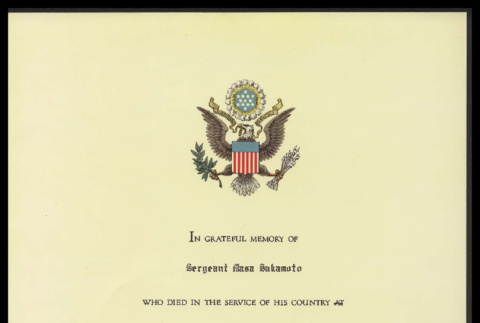
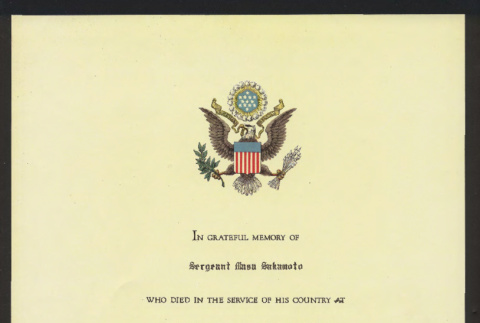
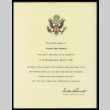
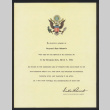
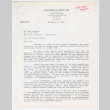
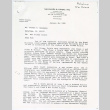
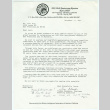
Certificate honoring the memory of Sergeant Masu Sakamoto and his service in the armed forces during World War II. See this object in the California State Universities Japanese American Digitization project site: sac_jaac_2576
Certificate signed by Franklin D. Roosevelt, in grateful memory of Sergeant Masa Sakamoto who died in the service of his country in the European Area, March 3, 1945. See this object in the California State Universities Japanese American Digitization project site: sac_jaac_2839
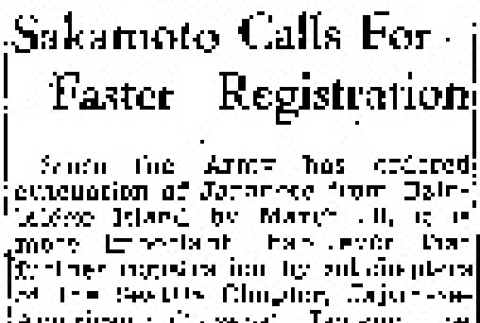
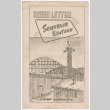
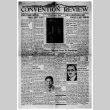
Selected article titles: "Minidoka Previewed" (p. 2), "What Makes This Center Run? J.J. McGovern, Gentleman Farmer" (p. 2), "Editorial: Our Coming Home by James Sakamoto" (p. 10).
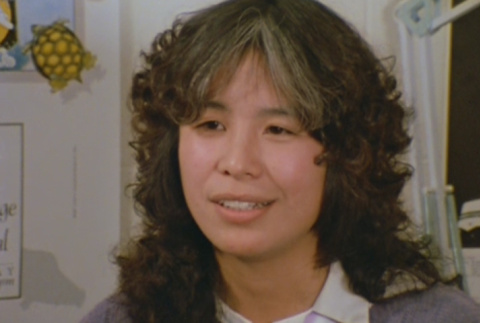
First learning about the World War II incarceration experience (audio only)
This interview is audio-only. It contains raw footage used by Steven Okazaki in his 1985 film Unfinished Business.
This material is based upon work assisted by a grant from the Department of the Interior, National Park Service. Any opinions, finding, and conclusions or recommendations …
This interview is audio-only. It contains raw footage used by Steven Okazaki in his 1985 film Unfinished Business.
This material is based upon work assisted by a grant from the Department of the Interior, National Park Service. Any opinions, finding, and conclusions or recommendations expressed in this material are those of …
Talking to Nisei parents about their wartime experiences (audio only)
This interview is audio-only. It contains raw footage used by Steven Okazaki in his 1985 film Unfinished Business.
This material is based upon work assisted by a grant from the Department of the Interior, National Park Service. Any opinions, finding, and conclusions or recommendations expressed …
Growing up Sansei: coming to terms with ethnic identity (audio only)
This interview is audio-only. It contains raw footage used by Steven Okazaki in his 1985 film Unfinished Business.
This material is based upon work assisted by a grant from the Department of the Interior, National Park Service. Any opinions, finding, and conclusions or recommendations …
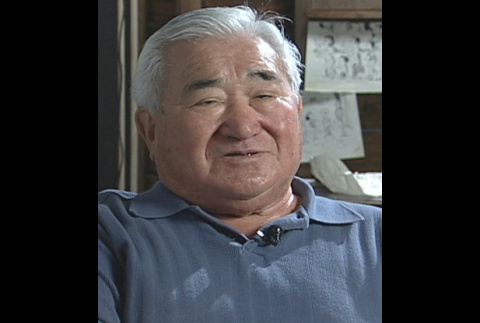
Nisei male. Born April 18, 1924, in Mayfield, California. Spent prewar childhood years in Alviso, California. After the bombing of Pearl Harbor in 1941, moved with family to Stockton, California, in an attempt to avoid mass removal. Despite this, was removed to the Stockton Assembly Center, California, and the Rohwer concentration camp, Arkansas. Resettled in Colorado …
Present-day exterior shots of the Sakamoto Barbershop
This interview was conducted by the Japanese American Museum of San Jose, and is part of a project entitled "Lasting Stories: The Resettlement of San Jose Japantown," a collaborative project between the Japanese American Museum of San Jose and Densho.
Positive aspects of owning the Sakamoto Barbershop
This interview was conducted by the Japanese American Museum of San Jose, and is part of a project entitled "Lasting Stories: The Resettlement of San Jose Japantown," a collaborative project between the Japanese American Museum of San Jose and Densho.
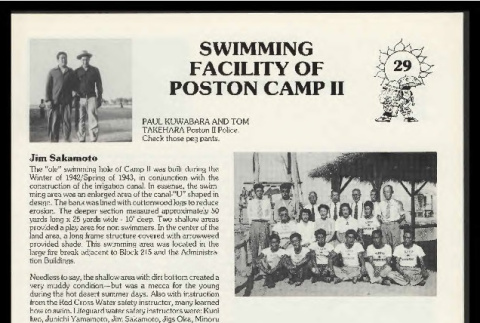
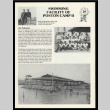
Essay describing the construction and use of the swimming facilities at Poston incarceration camp. Includes black and white photographs. From the Poston II Reunion Program. See this object in the California State Universities Japanese American Digitization project site: sac_jaac_1871