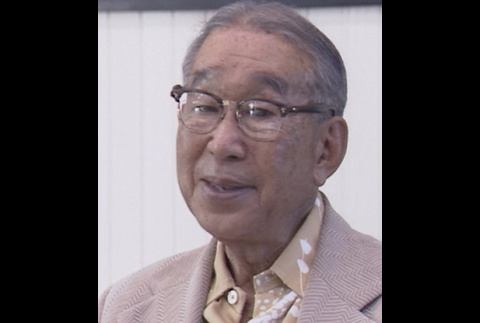
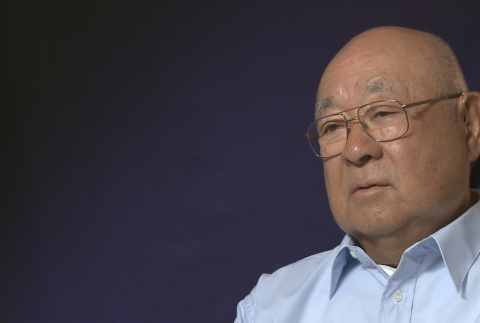
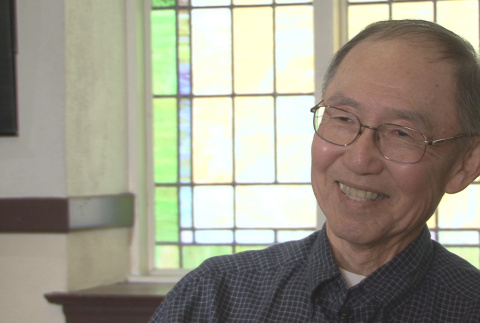
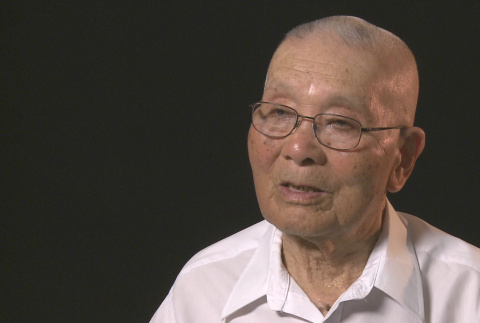
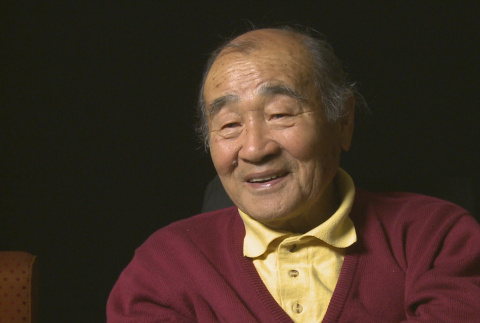
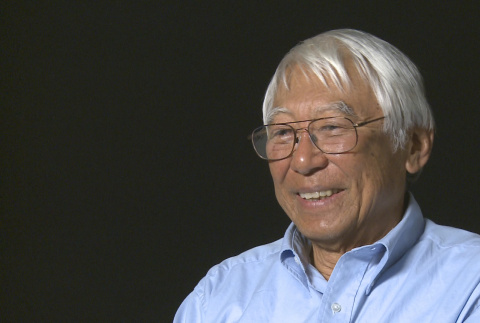
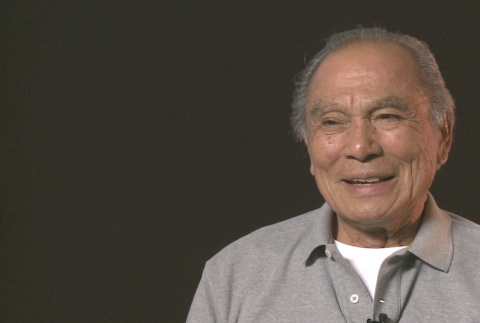
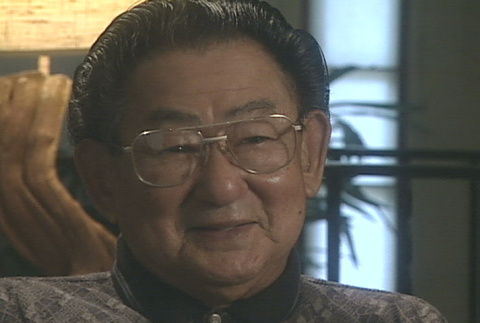
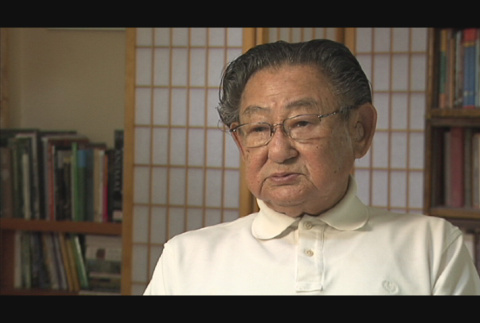
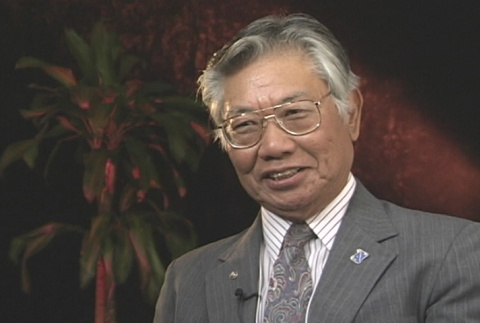
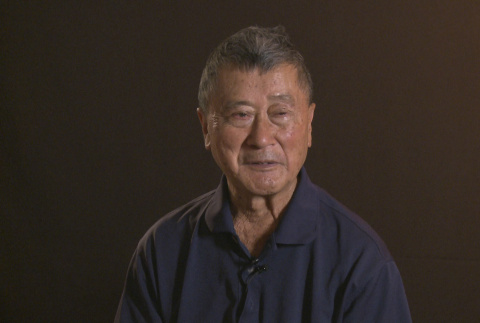
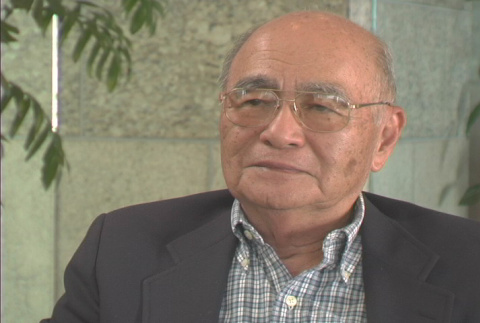
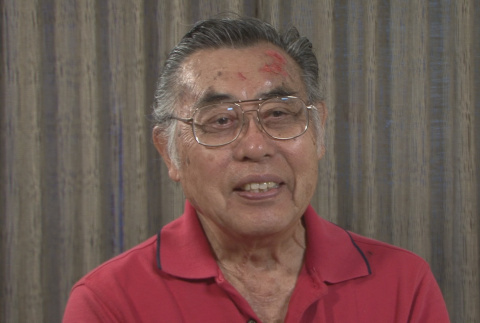
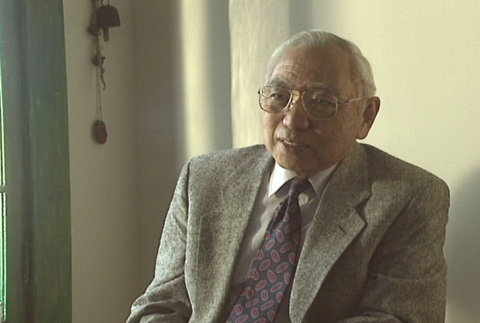
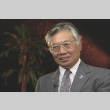
Kibei male. Grew up in Kona, Hawaii. After the bombing of Pearl Harbor, volunteered for the Military Intelligence and was an instructor at the language school in Camp Savage, heading the Oral Language Division.
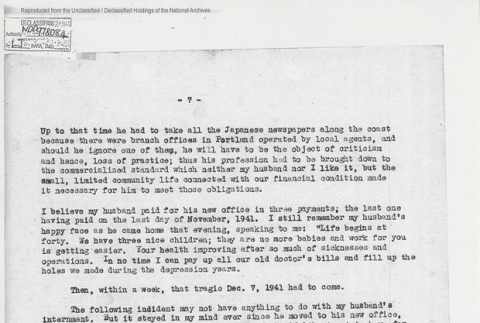
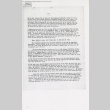
Photocopy of a typed letter from Teru Koyama to Edward J. Ennis concerning the rehearing of Keizaburo Koyama's case. Dr. Koyama felt forced to buy subscriptions to numerous Japanese language newsletter as he would have been blacklisted by members of the community had he not done so. Now that his business was becoming successful, he felt …
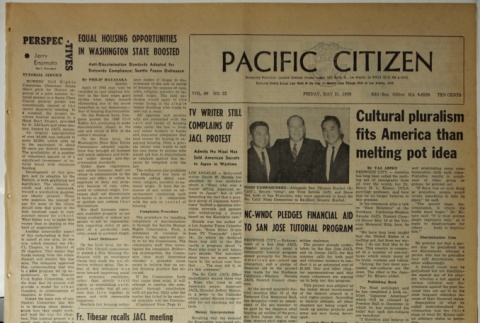
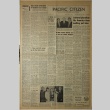
Selected article titles: "Equal housing opportunities in Washington state boosted" (p. 1), "Fr. Tibesar recalls JACL meeting day after Pearl Harbor incident" (p. 1), "TV writer still complains of JACL protest. Admits no Nisei has sold American secrets to Japan in wartime" (p. 1), "Cultural pluralism fits America than melting pot idea" (p. 1), "Inouye warns …
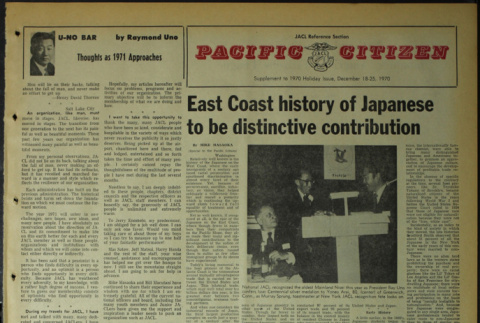
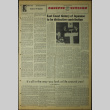
Selected article titles: "East Coast history of Japanese to be distinctive contribution" (p. 1), "National Constitution Japanese American Citizens League" (p. 2), "JACL chapter presidents" (p. 4), "JACL Bowling Tournament Champions" (p. 7), "The JACL Story: For Better Americans in a Greater America" (p. 9), "Heart Mountain WRA Camp residents sound off before a Dies Committee …
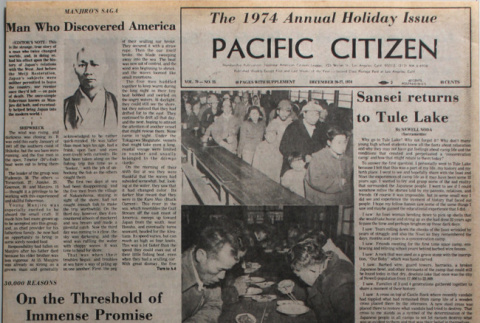
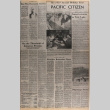
Holiday issue organized into sections A 1-12, B 1-12, C 1-12, and D 1-12. Selected article titles: "Sansei Returns to Tule Lake" (pp. A-1, A-3), "Fears in Tule Lake: Evacuees Remember Them" (pp. A-1, A-3-A-4), "Seattle Nihonmachi: Beat of the '20s and '30s" (pp. B-1, B-9-B-10), "Giri: Righteous Way: Inside Tanforan, Topaz" (pp. B-4, B-8-B-9), and …
Nisei male. Born June 22, 1926, in Oakland, California. Grew up in Oakland and Berkeley, California. After the bombing of Pearl Harbor, removed with family to the Tanforan Assembly Center, California, and Topaz concentration camp, Utah. Signed "no-no" on the so-called "loyalty questionnaire" in 1943 because of mother's wish to have the family move to Japan. …
Nisei male. Born July 27, 1935, in Los Angeles, Califonia. Grew up in Los Angeles' Little Tokyo neighborhood prior to World War II. After the bombing of Pearl Harbor, removed with family to the Manzanar concentration camp, California. After leaving camp, returned to Los Angeles and attended school. Became involved in gang activity in L.A. in …
Kibei Nisei male. Born October 4, 1915, in Stockton, California. As a young child, sent to Japan to live with grandparents and attend school. Returned to California at age eighteen, and drafted into the U.S. military. Discharged from the army after Japan bombed Pearl Harbor. Removed to the Tanforan Assembly Center, Washington, and the Topaz concentration …
Nisei male. Born October 7, 1922, in Japan, while parents were visiting family. Came to the U.S. at three months old, and grew up in Terminal Island, California. After the bombing of Pearl Harbor, picked up along with Issei father and taken to Fort Lincoln (Bismarck), North Dakota. Transferred from Fort Lincoln to the Santa Anita …
Nisei male. Born October 3, 1923, in Los Angeles, California. Grew up in Los Angeles, where parents owned and operated a produce store. After the bombing of Pearl Harbor, removed to the Pomona Assembly Center, California, and the Heart Mountain concentration camp, Wyoming. While in Heart Mountain, decided to resist the draft, and attended meetings of …
Nisei male. Born February 13, 1929, in Seattle, Washington. Grew up in Hollywood, California, and was living there when Japan bombed Pearl Harbor in 1941. Removed to the Manzanar concentration camp, California. Parents signed "no-no" on the so-called "loyalty questionnaire" and the family was transferred to the Tule Lake concentration camp, California, then designated as a …
Kibei male. Born November 9, 1919, in Thomas, Washington. Went to Japan at age twelve, attended school, and returned to the U.S. as a high school student. Enlisted in the army just prior to the bombing of Pearl Harbor, and was eventually recruited for the Military Intelligence Service. Selected as one of fourteen Japanese Americans to …
Kibei male. Born November 9, 1919, in Thomas, Washington. Went to Japan at age twelve, attended school, and returned to the U.S. as a high school student. Enlisted in the army just prior to the bombing of Pearl Harbor, and was eventually recruited for the Military Intelligence Service. Selected as one of fourteen Japanese Americans to …
Nisei male. Born January 25, 1912, in San Jose, California. Grew up in San Jose, working on family's extensive farmholdings, and graduating from San Jose Teachers College. After the bombing of Pearl Harbor, was removed to Santa Anita Assembly Center, California, and Heart Mountain concentration camp, Wyoming. While at Heart Mountain, became the agriculture superintendent, and …
Keige Kaku was a U.S.-born citizen who served in the U.S. Army. After the bombing of Pearl Harbor, he was abruptly discharged and sent to Poston. Outraged by the betrayal, Keige refused to answer the infamous “loyalty questionnaire” and was sent to Tule Lake. He ultimately renounced his citizenship and was deported to Japan, where Henry …
This interview was conducted at the Voices of Japanese American Redress Conference, held on the UCLA campus and sponsored by the UCLA Asian American Studies Center and the UCLA School of Public Policy and Social Research. Because of the full conference schedule, our interviews were limited to one hour. The interviews therefore …
Living in Japan as a teenager when Japan bombed Pearl Harbor: "I was just caught in the situation"
This material is based upon work assisted by a grant from the Department of the Interior, National Park Service. Any opinions, finding, and conclusions or recommendations expressed in this material are those of the author(s) and do not …
The aftermath of the bombing of Pearl Harbor: volunteering as supply clerk at a first aid station, handing out gas masks
This material is based upon work assisted by a grant from the Department of the Interior, National Park Service. Any opinions, finding, and conclusions or recommendations expressed in this material are those of the author(s) …
Mother has a nervous breakdown and father is picked up by the FBI after the bombing of Pearl Harbor
This material is based upon work assisted by a grant from the Department of the Interior, National Park Service. Any opinions, finding, and conclusions or recommendations expressed in this material are those of the author(s) and do …
Personal as well as community reactions to the bombing of Pearl Harbor
This interview was conducted by sisters Emiko and Chizuko Omori for their 1999 documentary, Rabbit in the Moon, about the Japanese American resisters of conscience in the World War II incarceration camps. As a result, the interviews in this collection are typically not …
Memories of hearing about the bombing of Pearl Harbor: a question over citizenship
This interview was conducted by sisters Emiko and Chizuko Omori for their 1999 documentary, Rabbit in the Moon, about the Japanese American resisters of conscience in the World War II incarceration camps. As a result, the interviews in this collection are typically …
Encountering prejudice after the bombing of Pearl Harbor, thoughts on anti-Japanese propaganda
This interview was conducted by sisters Emiko and Chizuko Omori for their 1999 documentary, Rabbit in the Moon, about the Japanese American resisters of conscience in the World War II incarceration camps. As a result, the interviews in this collection are typically not …
Being questioned by the FBI following the bombing of Pearl Harbor
This interview was conducted by sisters Emiko and Chizuko Omori for their 1999 documentary, Rabbit in the Moon, about the Japanese American resisters of conscience in the World War II incarceration camps. As a result, the interviews in this collection are typically not life …
Gathering in a local pool hall to discuss the bombing of Pearl Harbor
This interview was conducted by sisters Emiko and Chizuko Omori for their 1999 documentary, Rabbit in the Moon, about the Japanese American resisters of conscience in the World War II incarceration camps. As a result, the interviews in this collection are typically …
Experiencing hostility and discrimination in high school after the bombing of Pearl Harbor
This interview was conducted by sisters Emiko and Chizuko Omori for their 1999 documentary, Rabbit in the Moon, about the Japanese American resisters of conscience in the World War II incarceration camps. As a result, the interviews in this collection are typically …