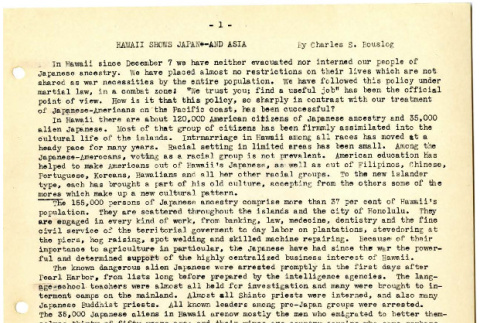
This is an article by Charles S. Bouslog from the magazine "Asia and the Americas," vol. 43, no. 2 (February 1943) which describes the life of the people of Japanese ancestry in Hawaii after the attack on Pearl Harbor on December 7, 1941. See this object in the California State Universities Japanese American Digitization project site: …
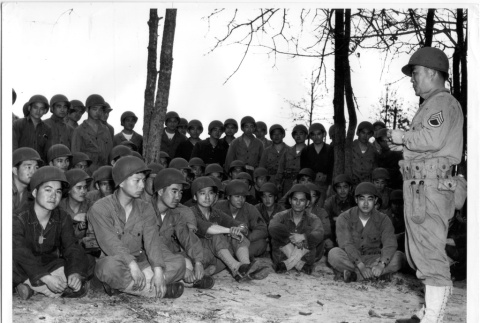
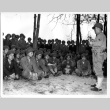
Original caption: Japanese-Americans in Army Train to Avenge Pearl Harbor: 100th Infantry Battalion Officers and some of the enlisted men are of Japanese ancestry. American citizens, born in the Hawaiian Islands of unquestioned loyalty and patriotism. Formerly part of the Hawaiian National Guard: S/Sgt. Harry Mijamoto, who was a professional boxer in his days as a …
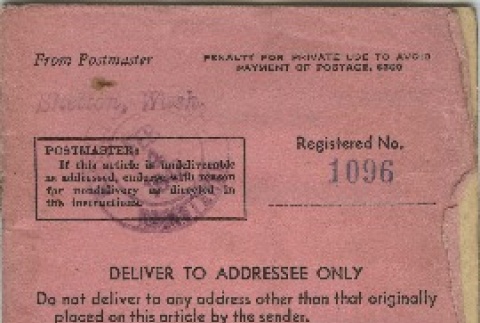
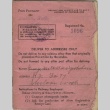
After the bombing of Pearl Harbor on December 7, 1941, Issei were required to carry identification documents because of their alien status. (Issei were barred from becoming naturalized citizens until 1952.) This document belonged to George Mitsutaro Yoshihara, a permanent U.S. resident since 1902. The identification certificate was the same size as an American passport and …
Selected article titles: "San Jose Hostel Prepare to Open"; "Ickes Explains Policy"; "Deportation Unlikely for Issei Indigents"; "Say 4000 Repatriates"; "Expatriation List Growing"; "Resettlement Urged by Utah's Jurist"; "Arrest 2 on Charge of Misrepresentation"; "Introduce Bill on Segregation"; "Want Ads Today"; "Report Government Has Turned Down Suggestions Made by W.R.A. Evacuees"; "Posthumous Honor"; "Recover $12,000 Buried …
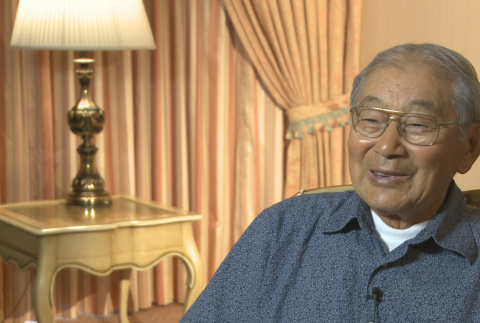
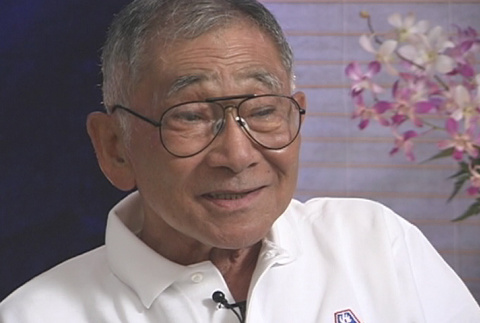
Nisei male. Born February 4, 1927, in Seattle, Washington. Grew up in Seattle's Japantown area, where parents operated a hotel. After the bombing of Pearl Harbor, removed to the Puyallup Assembly Center, Washington, and the Minidoka concentration camp, Idaho. Left camp to attend school in Minnesota, was drafted, and trained in the Military Intelligence Service Language …
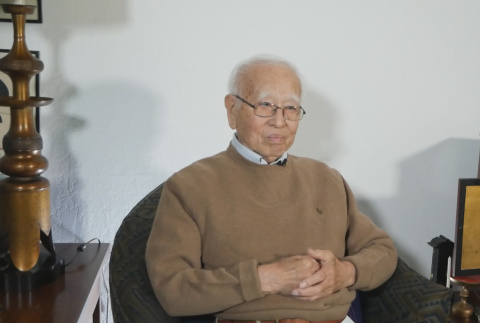
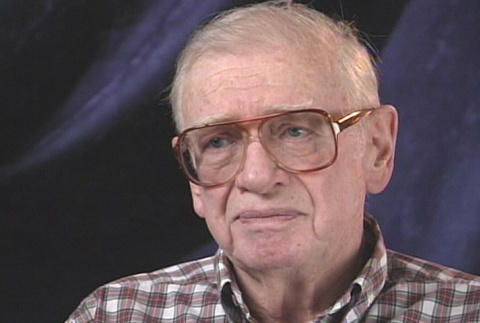
Sansei male. Born January 29, 1932, in Florin, California. Grew up in Sacramento, California, where father ran a farm. After the bombing of Pearl Harbor, returned with family to Florin. Removed to the Marysville Assembly Center, California, and the Tule Lake concentration camp, California. After the so-called "loyalty questionnaire" in 1943, transferred to the Jerome concentration …
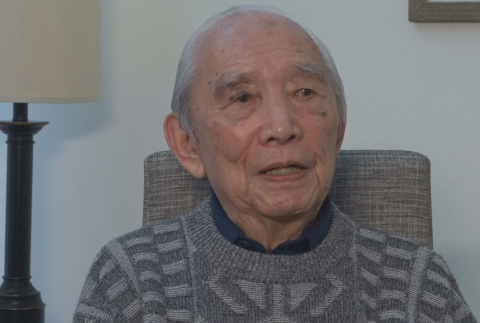
Nisei male. Born July 27, 1923, in Lindsay, California. Following the bombing of Pearl Harbor, moved with family to Idaho for "voluntary evacuation," where they worked harvesting sugar beets for the U&I Sugar Company. Volunteered for the army during World War II. Served with the 522nd Field Artillery Battalion, and was present at the liberation of …
Sansei male. Born July 7, 1945, in the Tule Lake concentration camp, California. Parents were from Hawaii, but father was picked up by the FBI following the bombing of Pearl Harbor, and mother went to rejoin him on the mainland. After leaving camp, lived briefly in New York City before returning to Hawaii, where parents separated. …
Nisei male. Born February 28, 1925, in San Francisco, California. Grew up in San Francisco, where parents had a grocery store business. After the bombing of Pearl Harbor, moved to Iowa to attend college and avoid the mass incarceration. Attended college in Nebraska and Michigan. Drafted into the Military Intelligence Service and served in Japan during …
Nisei male. Born February 4, 1927, in Seattle, Washington. Grew up in Seattle's Japantown area, where parents operated a hotel. After the bombing of Pearl Harbor, removed to the Puyallup Assembly Center, Washington, and the Minidoka concentration camp, Idaho. Left camp to attend school in Minnesota, was drafted, and trained in the Military Intelligence Service Language …
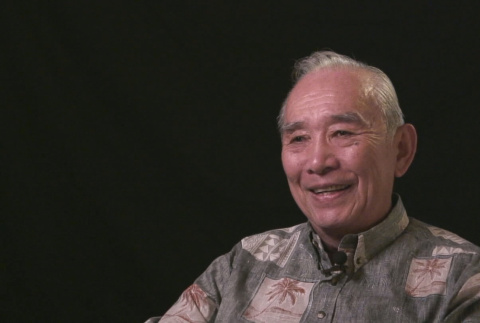
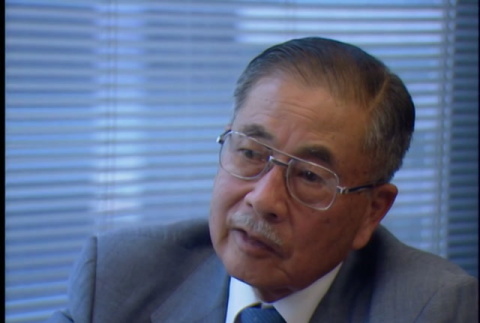
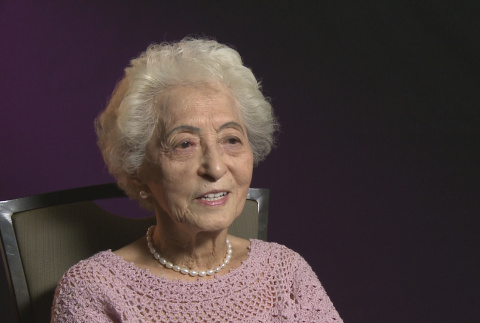
Aiso discusses loyalty to the US, his family's internment at Manzanar, his (and the Nisei's in general) response to Pearl Harbor, and his role in the military. Video starts at 0:26. Loni Ding can be heard asking questions behind the camera. Interview ends at 18:30; rest of tape is b-roll of Aiso reading. Original title: 75, …
Select article titles: "Defining, discussing: Asian Americans from around the country gather for a national symposium in Los Angeles to discuss relevant issues facing them in today's society" (p. 1), "Bush supports compromise civil rights bill" (p. 1), "3 teens held in Phoenix temple killings" (p. 1), "JACL seeks repeal of United Nations resolution" (p. 1), …
This is the article "Little Kauai in the War" by Stella M. Jones from the magazine, "Asia and the Americas" vol. 43, no. 2 (February 1943), which describes how the northern Hawaiian island of Kauai entered the war after the attack on Pearl Harbor. See this object in the California State Universities Japanese American Digitization project …
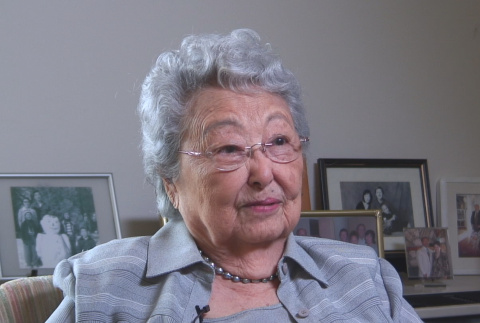
Nisei female. Born January 2, 1909, in Los Angeles, California. Grew up in California, attending the University of Southern California before World War II and graduating with a degree in pharmacy. Married and was living in Terminal Island, California, when Japan bombed Pearl Harbor on December 7, 1941. After being removed from Terminal Island, moved to …
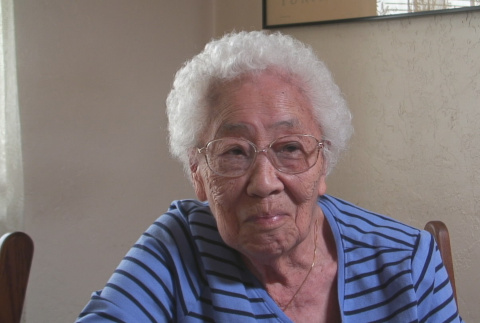
Nisei female. Born November 29, 1919, in Venice, California. Married in Venice prior to World War II, and had a child only a few days after the bombing of Pearl Harbor on December 7, 1941. Removed to the Santa Anita Assembly Center, California, and Jerome concentration camp, Arkansas. Transferred with family to the Tule Lake concentration …
Nisei male. Born September 15, 1921, in San Francisco, California. Grew up in San Francisco, and was attending the University of California at Berkeley when Japan bombed Pearl Harbor on December 7, 1941. Removed with family to the Pomona Assembly Center, California, and the Heart Mountain concentration camp, Wyoming. While in Heart Mountain, served as scoutmaster …
Nisei female. Born October 14, 1916, in Gardena, California. Following the bombing of Pearl Harbor, removed to the Santa Anita Assembly Center, California, and the Jerome concentration camp, Arkansas. In response to the so-called "loyalty questionnaire," transferred to Tule Lake segregation center with family, and expatriated to Japan. Worked in Japan for the U.S. government and …
Nisei male. Born November 12, 1933, in Honolulu, Hawaii. Grew up in Honolulu, and was nine years old when Japan bombed Pearl Harbor. Father was arrested by the FBI, and family went to the concentration camp at Jerome, Arkansas, to reunite with him. Transferred to Tule Lake, California, following the so-called "loyalty questionnaire." After the war, …