
1379 items
1379 items
vh
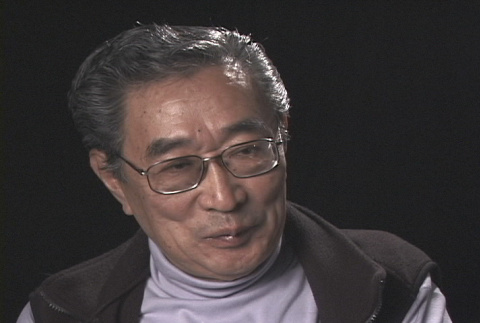
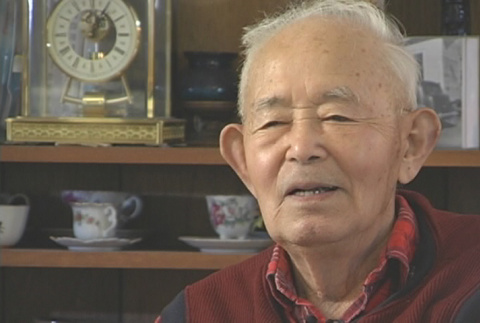
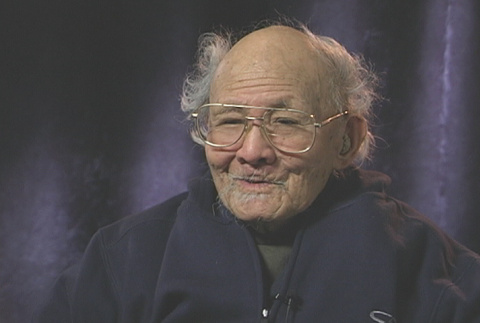
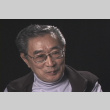
Frank Isamu Kikuchi Interview (ddr-manz-1-5)
Nisei male. Born 1925, and during childhood lived in various places in the Midwest, Seattle, Washington, and Los Angeles, California. Was a high school student when Japan bombed Pearl Harbor on December 7, 1941. Removed to the Manzanar concentration camp, California, and after camp returned to Los Angeles.
vh
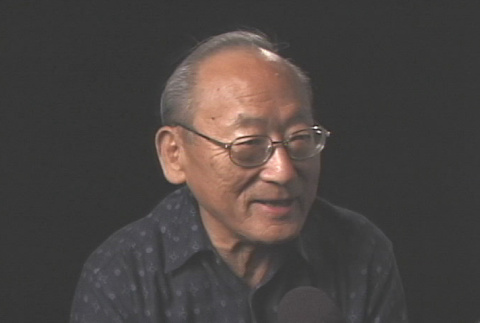
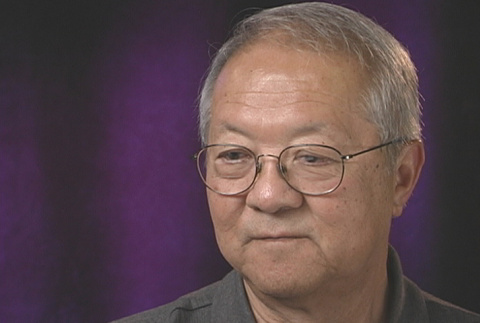
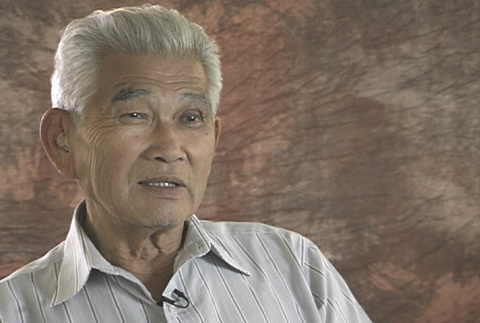
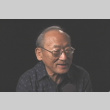
Bo T. Sakaguchi Interview (ddr-manz-1-8)
Nisei male. Born 1925 and raised in North Hollywood, California. Removed to Manzanar concentration camp, California, following the bombing of Pearl Harbor. Attended high school in camp, then left in 1945 to attend college. Drafted into the army, then lived and worked in various locations after World War II.
vh
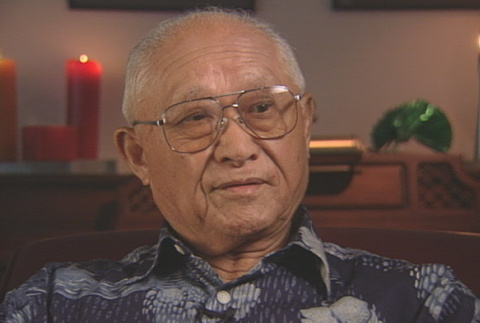
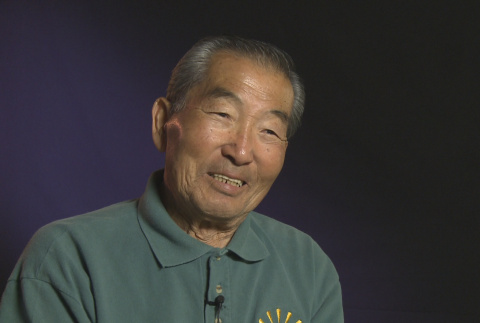
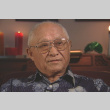
Walter Tanaka Interview (ddr-densho-1004-6)
Nisei male. Born February 19, 1918, in Watsonville, California. Drafted into the military before the bombing of Pearl Harbor. Volunteered for the Military Intelligence Service and interrogated Japanese POWs in Australia during the war. After the war, served as a linguist and interpreter in Japan during the U.S. occupation.
vh
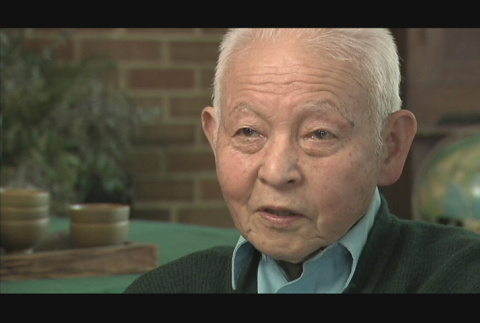
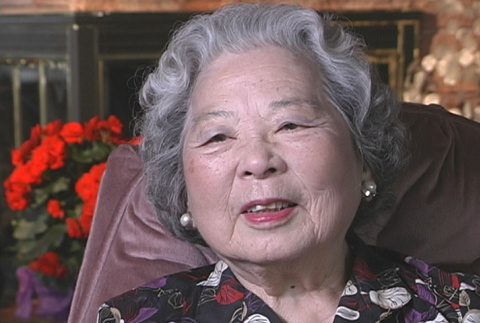
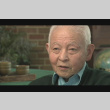
Tatsukichi Moritani Interview (ddr-densho-1001-2)
Nisei male. Born October 24, 1916, in Bainbridge Island, Washington. After the bombing of Pearl Harbor, was removed to Manzanar concentration camp, California. Left camp to work in Chicago before eventually returning to Bainbridge Island. Worked for the Washington State Ferries for forty years until retirement in 2005.
img
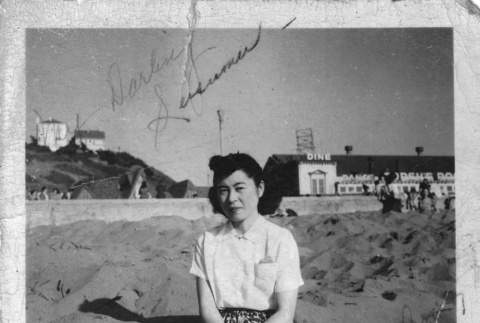
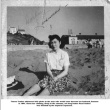
Tomoe Tomine sitting on beach (ddr-ajah-6-942)
Caption below photo: Tomoe Tomine addressed this photo to the man who would soon become her husband, Susumu in 1941. Given her clothing, likely in the summer, not long before Pearl Harbor was bombed by the Imperial Japanese. Inscription on photo: My Darling Susumu, [?]M to love, Tomo 1941
vh
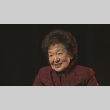
Sharon Tanagi Aburano Interview I Segment 23 (ddr-densho-1000-208-23)
Hearing about the bombing of Pearl Harbor while in a movie theater: "we were actually panic-stricken"
vh
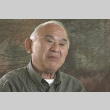
Tom Akashi Interview Segment 9 (ddr-densho-1000-164-9)
Memories of the bombing of Pearl Harbor: after attending church, helping father burn possessions related to Japan
vh
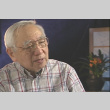
Frank Miyamoto Interview III Segment 5 (ddr-densho-1000-52-5)
Community reactions to the bombing of Pearl Harbor: false rumors of espionage, Japanese American Citizens League flagwaving
vh
Tom Matsuoka Segment 22 (ddr-densho-1000-47-22)
Being picked up by the FBI and detained by the INS after the bombing of Pearl Harbor
vh
Art Shibayama Interview Segment 8 (ddr-densho-1000-151-8)
Grandparents deported to Peru after the bombing of Pearl Harbor; rest of family taken away by ship
vh
Frank Isamu Kikuchi Interview Segment 2 (ddr-manz-1-5-2)
Hearing about the bombing of Pearl Harbor: "Things aren't going to be the same around here anymore"
vh
Jiro Sugidono Interview Segment 12 (ddr-densho-1015-2-12)
Division of town following the bombing of Pearl Harbor: "aliens" could not live on the west side
vh
Peggie Nishimura Bain Interview Segment 28 (ddr-densho-1000-170-28)
Memories of the bombing of Pearl Harbor; trying to prepare for mass removal: "I still have nightmares"
vh
Larry "Shorty" Kazumura Interview Segment 8 (ddr-densho-1000-199-8)
Making the decision to join the army after two friends were killed in the Pearl Harbor attack
vh
Joe Yamakido Interview (ddr-densho-1000-167)
Nisei male. Born March 3, 1922, in Los Angeles, California. Grew up in various cities in California, and was living in Harbor City, California, when Pearl Harbor was bombed on December 7, 1941. Removed to Santa Anita Assembly Center, California, and then to Tule Lake concentration camp, California. Later moved to the Jerome concentration camp in …
doc
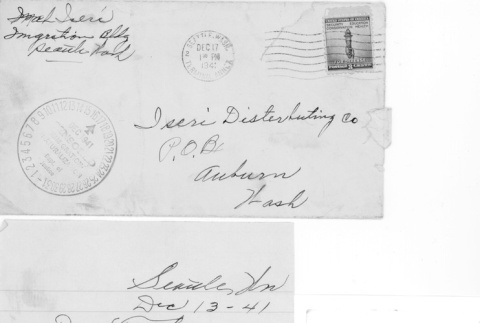
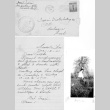
Letter from Issei man to his family (ddr-densho-25-67)
After Japan bombed Pearl Harbor on December 7, 1941, the FBI under the Department of Justice began arresting aliens of Japanese, German, and Italian ancestry. These aliens, although they had not been charged with specific crimes, were considered "dangerous" by the U.S. government, and were interned in special Justice Department camps.
doc
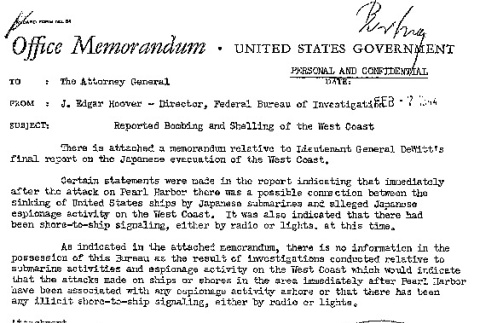
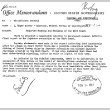
Memo: "Reported Bombing and Shelling of the West Coast" (ddr-densho-67-19)
Memo to the Attorney General from J. Edgar Hoover, Director of the FBI. Refutes statements made in J.L. DeWitt's Final Report that there was espionage activity conducted by Japanese on the West Coast immediately following Pearl Harbor. The FBI investigated all allegations, and found no evidence to support such claims.
doc
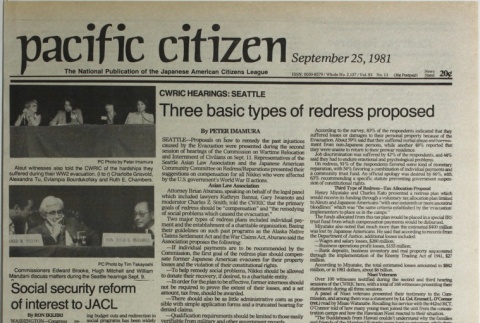
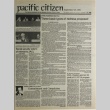
Pacific Citizen, Whole No. 2157, Vol. 93, No. 13 (September 25, 1981) (ddr-pc-53-38)
Selected article titles: "Three basic types of redress proposed" (p. 1), "Social security reform of interest to JACL" (p. 1), "How Pearl Harbor doomed an Atlanta Issei" (p. 2), "Evacuation still irritates Nisei back in Juneau" (p. 2), "Is there a future for the Japanese American Citizens League?" (p. 5).
doc
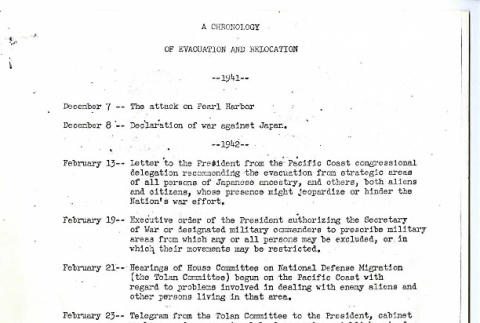
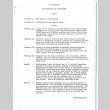
Chronology of Evacuation and Relocation (ddr-csujad-19-33)
This document describes in detail the chronology of "evacuation and relocation" after Japan attacked Pearl Harbor on December 7,1941. See this object in the California State Universities Japanese American Digitization project site: WRA_01-22_01
vh
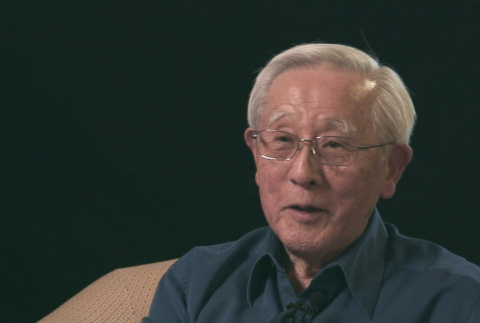
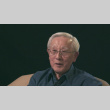
Shig Kaseguma Interview (ddr-manz-1-32)
Nisei male. Born June 4, 1921, in Seattle, Washington. Following the bombing of Pearl Harbor, removed to the Puyallup Assembly Center, Washington, and the Minidoka concentration camp, Idaho. Left camp to attend college in Cincinnati before being drafted. Served in Japan with the Military Intelligence Service, and eventually returned to Seattle.
vh
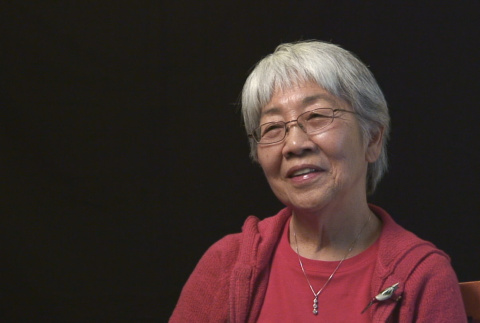
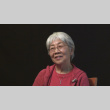
Yoshimi Hasui Watada Interview (ddr-manz-1-31)
Nisei female. Born August 23, 1935, in Brawley, California. Grew up in the town of Niland, California. Following the bombing of Pearl Harbor, moved along with family and a group of other Japanese American families to Boise City, Oklahoma. After living there for about six months, moved to Rocky Ford, Colorado.
vh
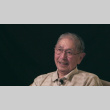
Katsumi Okamoto Interview (ddr-manz-1-24)
Nisei male. Born July 5, 1926, in Seattle, Washington. Grew up in Seattle, where parents owned and operated a grocery store. Following the bombing of Pearl Harbor, removed to Puyallup Assembly Center, Washington, and Minidoka concentration camp, Idaho. Served in Japan with the Military Intelligence Service following World War II.
img
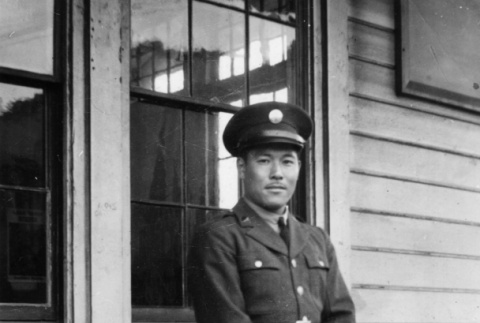
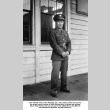
Man in military uniform (ddr-ajah-6-898)
Caption below photo: Taro Takeda waits at the Alameda, CA., train station, which was across the street from his house at 2418 Railroad Ave. He joined the military before Pearl Harbor and was not part of the 442nd RCT or the MIS. He was stationed in Honolulu and San Francisco.
doc
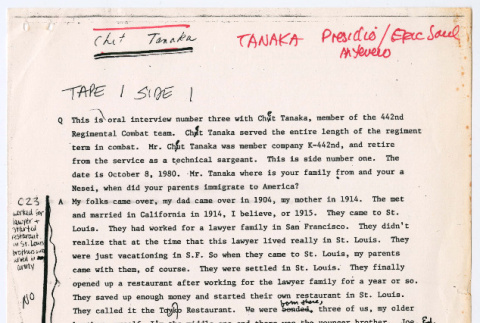
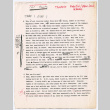
Chet Tanaka Interview Transcript (ddr-densho-1007-1869)
Eric Saul interview with Chet Tanaka, veteran of the 442nd Regimental Combat team, conducted on October 8, 1980. Tanaka describes his childhood in St. Louis, Missouri, his family's experience with discrimination after Pearl Harbor, his reaction to forced removal on Japanese Americans, and his military service during World War II.
vh
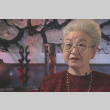
Ayame Tsutakawa Interview II Segment 5 (ddr-densho-1000-95-5)
Reaction to the bombing of Pearl Harbor: "I thought being Japanese, we might be killed on the street"