
954 items
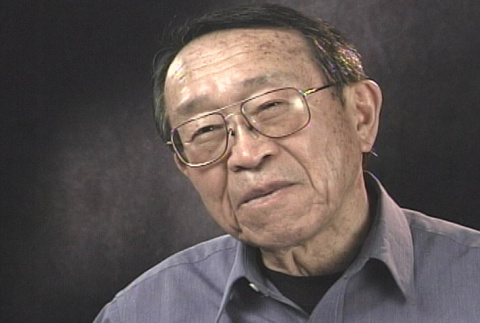

954 items
vh
George Yoshida Interview Segment 10 (ddr-densho-1000-132-10)
Father's decision to move family to Los Angeles, California because of unprofitable Seattle business
vh
George Yoshida Interview Segment 43 (ddr-densho-1000-132-43)
Taking a one-year sabbatical from teaching to live in Japan with family
vh
George Yoshida Interview Segment 13 (ddr-densho-1000-132-13)
Life in high school: working part-time at a fruit and vegetable stand
vh
George Yoshida Interview Segment 7 (ddr-densho-1000-132-7)
Attending Japanese language school: "It was something we hated, but it was ... expected of us"
vh
George Yoshida Interview Segment 5 (ddr-densho-1000-132-5)
Childhood games: kite-flying, "jintori"
vh
George Yoshida Interview Segment 23 (ddr-densho-1000-132-23)
Arrival at Poston concentration camp: registering, filling own mattress with straw
vh
George Yoshida Interview Segment 28 (ddr-densho-1000-132-28)
Vague memories of internal unrest at Poston
vh
George Yoshida Interview Segment 20 (ddr-densho-1000-132-20)
Feeling self-conscious after the bombing of Pearl Harbor; hearing racist propaganda, rumors
vh
George Yoshida Interview Segment 15 (ddr-densho-1000-132-15)
Feeling a lack of academic motivation; not many professional role models within the Japanese American community
vh
George Yoshida Interview Segment 36 (ddr-densho-1000-132-36)
Getting married, moving to Berkeley, California
vh
George Yoshida Interview Segment 38 (ddr-densho-1000-132-38)
Teaching at the Washington School in Berkeley; one of the first Japanese American instructors to teach there
vh
George Yoshida Interview Segment 31 (ddr-densho-1000-132-31)
Answering "yes-yes" on the so-called "loyalty questionnaire"
vh
George Yoshida Interview Segment 24 (ddr-densho-1000-132-24)
Life in Poston concentration camp: observing Nisei in a variety of professions
vh
George Yoshida Interview Segment 9 (ddr-densho-1000-132-9)
As a child, sharing a room with grandmother: listening to traditional Japanese music played on a shamisen
vh
George Yoshida Interview Segment 3 (ddr-densho-1000-132-3)
Mother's background: Christian upbringing, training in Western music
vh
George Yoshida Interview Segment 35 (ddr-densho-1000-132-35)
Playing swing music in a dance band at Fort Snelling, Minnesota
vh
George Yoshida Interview Segment 34 (ddr-densho-1000-132-34)
Training at the Military Intelligence Service Language School at Fort Snelling, Minnesota
vh
George Yoshida Interview Segment 47 (ddr-densho-1000-132-47)
Learning the drums and playing in bands
vh
George Yoshida Interview Segment 16 (ddr-densho-1000-132-16)
Adolescent years: first experiences learning about human sexuality
vh
George Yoshida Interview Segment 46 (ddr-densho-1000-132-46)
Impressed with music education in Japan; difficulties of everyday life
vh
George Yoshida Interview Segment 17 (ddr-densho-1000-132-17)
Limited opportunities after graduating from high school: "The future seemed gray, bleak"
vh
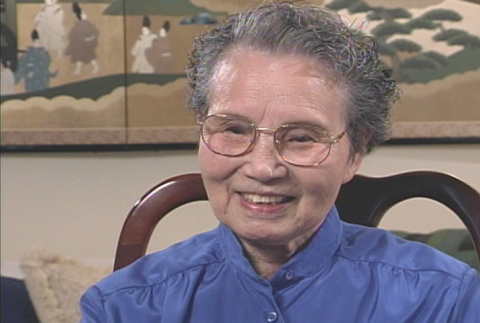
Marian Asao Kurosu Interview (ddr-densho-1000-118)
Issei female. Born March 10, 1907, in Fukui prefecture, Japan. Graduated from Jinai Girls School. After grandfather's death, came to Seattle, Washington in 1924 to join father and uncle, working in family-run agricultural greenhouse. Arranged marriage to Mr. Roy Naoe Kurosu, an Issei working in Tacoma sawmills. Started new greenhouse in Sunnydale, Washington until all people …
vh
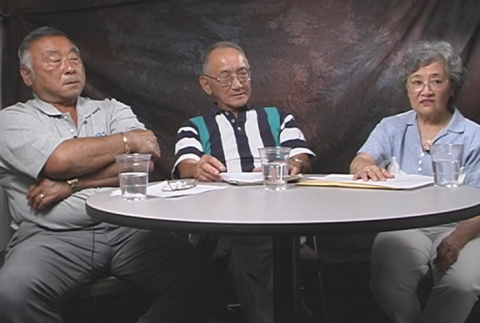
Chris Kato - Yoshi Mamiya - Tad Sato Interview (ddr-densho-1000-33)
In this interview, three Nisei, Chris Kato, Yoshi Mamiya, and Tad Sato recall their memories of growing up in Seattle's Nihonmachi (Japantown) and their respective Japantown family businesses. This informal three-way conversation captures a bit of what Nihonmachi was like before the World War II incarceration forever changed the Japanese American business and social community. Unless …

vh
Yone Bartholomew Interview II Segment 7 (ddr-densho-1000-5-7)
Never be ashamed "if you're out there to earn a decent dollar"