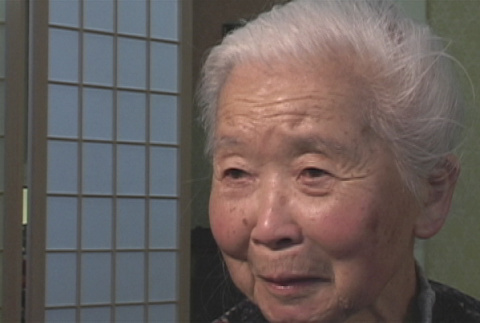
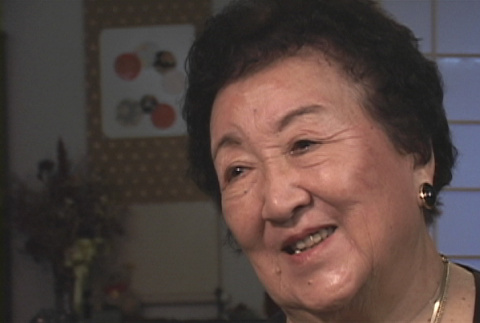
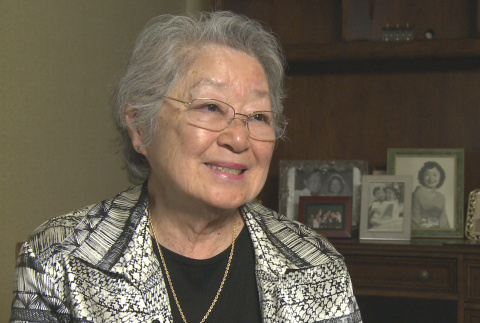
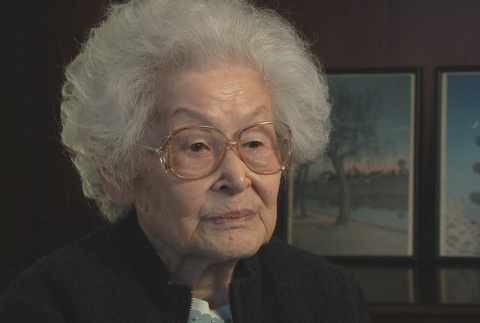
Nisei female. Born January 25, 1915, in Montavilla, Oregon. Grew up in Portland and attended college before World War II. During the war, removed to the Portland Assembly Center, Oregon, and the Minidoka concentration camp, Idaho. Left camp with husband and lived in New York and Washington, D.C. Eventually returned to Portland.
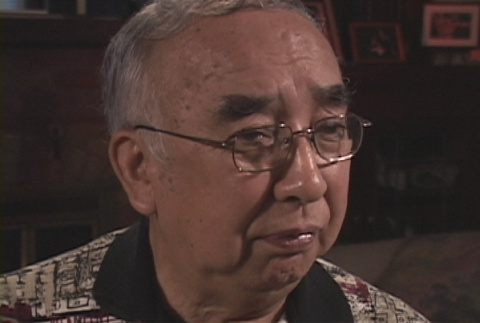
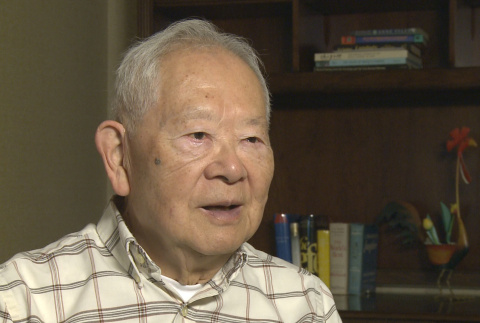
Nisei male. Born 1923 in Gresham, Oregon. Grew up in the Gresham/Troutdale area where parents ran a farm. During World War II, removed to the Portland Assembly Center, Oregon, and the Minidoka concentration camp, Idaho. After leaving camp, attended college briefly in Utah before returning home to Gresham.
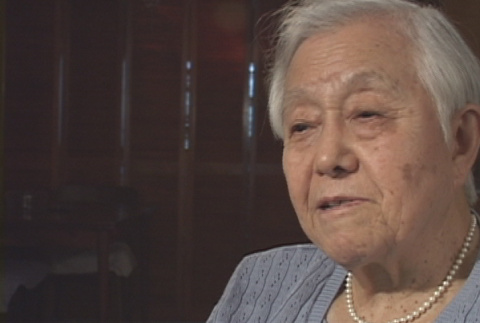
Nisei female. Born May 22, 1914, in Milwaukie, Oregon. Married before the bombing of Pearl Harbor and had two children. During World War II, removed to the Portland Assembly Center, Oregon, and the Minidoka concentration camp, Idaho. After leaving camp, returned to Milwaukie where husband started a laundry business.
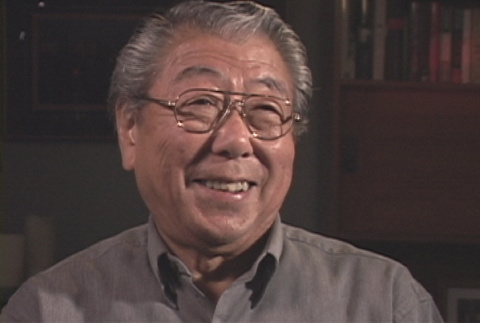
Nisei male. Born January 27, 1927, in Portland, Oregon. Grew up in Portland where parents ran a hotel business. During World War II, removed to the Portland Assembly Center, Oregon, and the Minidoka concentration camp, Idaho. After leaving camp, attended college in Cleveland, Ohio, before eventually returning to Portland.
Nisei female. Born July 2, 1918, in Emmett, Idaho. Grew up in Idaho before family moved to Eastern Oregon while Alice was still in high school. Married a Nisei man who served in the Military Intelligence Service, and lived in Ontario, Oregon, after World War II.
(This material is based upon work assisted by a grant …
Nisei male. Born November 24, 1928, in Portland, Oregon. Grew up in Portland, where parents ran a hotel. During World War II, removed to the Portland Assembly Center, Oregon, and the Minidoka concentration camp, Idaho. After leaving camp, joined the military and served in Japan. Eventually returned to Portland.
Nisei female. Born November 16, 1923, in Portland, Oregon. Grew up in Portland, where parents ran a hotel business. During World War II, was removed to the Portland Assembly Center, Oregon, and the Minidoka concentration camp, Idaho. Left camp to attend college in Ohio, and eventually returned to Portland.
The Ichikawa Family Collection contains a photograph album with approximately 200 pictures of the Ichikawa family and their communities in Oregon (c.1935-1942) and Anderson Dam, ID (1945-c.1960). Added to the collection in 2018, a booklet written by Satoru Ichikawa about his parents' experience during World War II and documents from 1944-1946.
Nisei female. Born July 5, 1922, in Portland, Oregon. Grew up in Portland where father owned a clothing store. During World War II, removed to the Portland Assembly Center, Oregon, and the Minidoka concentration camp, Idaho. After leaving camp, lived for a time in Ames, Iowa, and Detroit, Michigan, before returning to Oregon and raising a …
Nisei male. Born January 21, 1923, in Portland, Oregon. Grew up in Carver and Ontario, Oregon, where parents ran a farm. Remained in Ontario during World War II. Drafted into the military in 1945 and served in the Counterintelligence Corps in Japan during the U.S. occupation. Returned to Oregon after military service and continued to farm.
Nisei male. Born June 20, 1921, in Everett, Washington. Grew up primarily in Hillsboro, Oregon, where family ran a produce business and farm. During World War II, removed with family to the Portland Assembly Center, Oregon, and the Minidoka concentration camp, Idaho. After leaving camp, returned to Oregon and eventually moved to Woodland, Washington, establishing a …
Nisei female. Born April 14, 1925, in Portland, Oregon. Grew up in Beaverton, Oregon, where parents farmed and sold produce at a nearby market. During World War II, family moved to Ontario, Oregon, to avoid mass removal, and worked for a white farmer. Toshiko attended Boise State University in Idaho and then moved to Seattle after …
This material is based upon work assisted by a grant from the Department of the Interior, National Park Service. Any opinions, finding, and conclusions or recommendations expressed in this material are those of the author(s) and do not necessarily reflect the views of the Department of the Interior.
This material is based upon work assisted by a grant from the Department of the Interior, National Park Service. Any opinions, finding, and conclusions or recommendations expressed in this material are those of the author(s) and do not necessarily reflect the views of the Department of the Interior.
This material is based upon work assisted by a grant from the Department of the Interior, National Park Service. Any opinions, finding, and conclusions or recommendations expressed in this material are those of the author(s) and do not necessarily reflect the views of the Department of the Interior.
This material is based upon work assisted by a grant from the Department of the Interior, National Park Service. Any opinions, finding, and conclusions or recommendations expressed in this material are those of the author(s) and do not necessarily reflect the views of the Department of the Interior.
This material is based upon work assisted by a grant from the Department of the Interior, National Park Service. Any opinions, finding, and conclusions or recommendations expressed in this material are those of the author(s) and do not necessarily reflect the views of the Department of the Interior.
This material is based upon work assisted by a grant from the Department of the Interior, National Park Service. Any opinions, finding, and conclusions or recommendations expressed in this material are those of the author(s) and do not necessarily reflect the views of the Department of the Interior.
This material is based upon work assisted by a grant from the Department of the Interior, National Park Service. Any opinions, finding, and conclusions or recommendations expressed in this material are those of the author(s) and do not necessarily reflect the views of the Department of the Interior.
This material is based upon work assisted by a grant from the Department of the Interior, National Park Service. Any opinions, finding, and conclusions or recommendations expressed in this material are those of the author(s) and do not necessarily reflect the views of the Department of the Interior.
This material is based upon work assisted by a grant from the Department of the Interior, National Park Service. Any opinions, finding, and conclusions or recommendations expressed in this material are those of the author(s) and do not necessarily reflect the views of the Department of the Interior.
This material is based upon work assisted by a grant from the Department of the Interior, National Park Service. Any opinions, finding, and conclusions or recommendations expressed in this material are those of the author(s) and do not necessarily reflect the views of the Department of the Interior.
This material is based upon work assisted by a grant from the Department of the Interior, National Park Service. Any opinions, finding, and conclusions or recommendations expressed in this material are those of the author(s) and do not necessarily reflect the views of the Department of the Interior.
This material is based upon work assisted by a grant from the Department of the Interior, National Park Service. Any opinions, finding, and conclusions or recommendations expressed in this material are those of the author(s) and do not necessarily reflect the views of the Department of the Interior.
This material is based upon work assisted by a grant from the Department of the Interior, National Park Service. Any opinions, finding, and conclusions or recommendations expressed in this material are those of the author(s) and do not necessarily reflect the views of the Department of the Interior.