Illicitly listening to a shortwave radio in camp; dealings with Raymond Best, camp director
This interview was conducted by sisters Emiko and Chizuko Omori for their 1999 documentary, Rabbit in the Moon, about the Japanese American resisters of conscience in the World War II incarceration camps. As a result, the interviews in this collection are …
This interview was conducted by sisters Emiko and Chizuko Omori for their 1999 documentary, Rabbit in the Moon, about the Japanese American resisters of conscience in the World War II incarceration camps. As a result, the interviews in this collection are typically not life histories, instead primarily focusing on …
The Emiko and Chizuko Omori Collection consists of interviews conducted for filmmaker Emiko Omori's documentary Rabbit in the Moon, which aired on PBS in 1999. The film explores the conflict surrounding the resisters of conscience movement in the World War II concentration camps, as well as the divisiveness of the postwar Japanese American communities. The interviews …
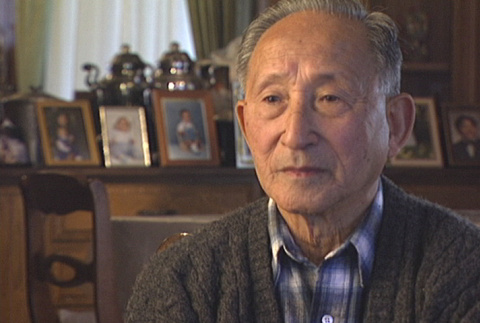
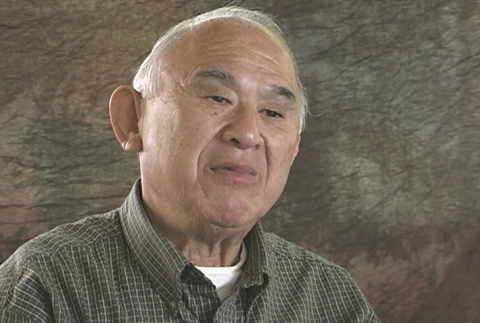
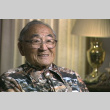
Nisei male. Born January 25, 1912, in San Jose, California. Grew up in San Jose, working on family's extensive farmholdings, and graduating from San Jose Teachers College. After the bombing of Pearl Harbor, was removed to Santa Anita Assembly Center, California, and Heart Mountain concentration camp, Wyoming. While at Heart Mountain, became the agriculture superintendent, and …
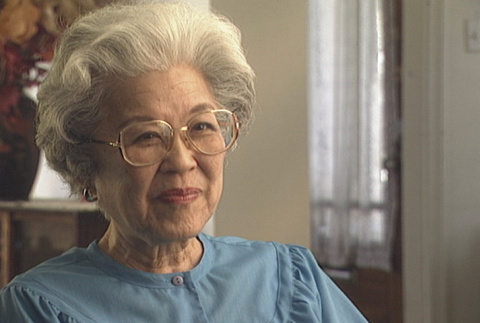
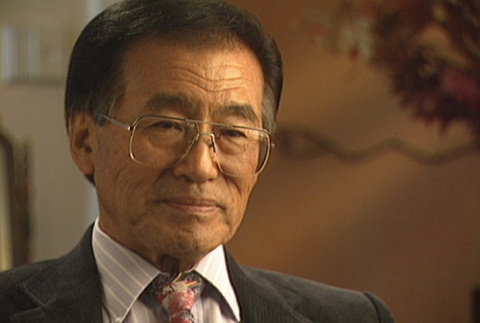
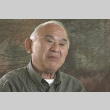
Nisei male. Born March 31, 1913, in San Francisco, California. Spent difficult childhood years in San Francisco under care of a guardian while family lived in Japan. Graduated with a degree in business administration from the University of California at Berkeley before World War II. Removed to Tanforan Assembly Center, California, and then to Topaz concentration …
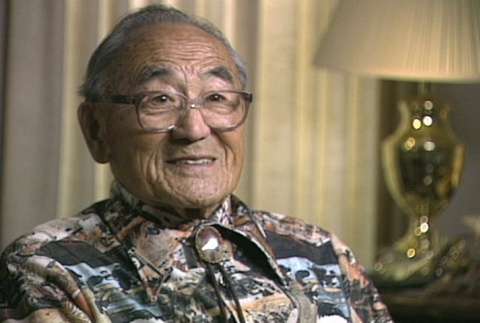
Description of Fred Tayama, a suspected "informer" for the camp administration
This interview was conducted by sisters Emiko and Chizuko Omori for their 1999 documentary, Rabbit in the Moon, about the Japanese American resisters of conscience in the World War II incarceration camps. As a result, the interviews in this collection are typically not life …
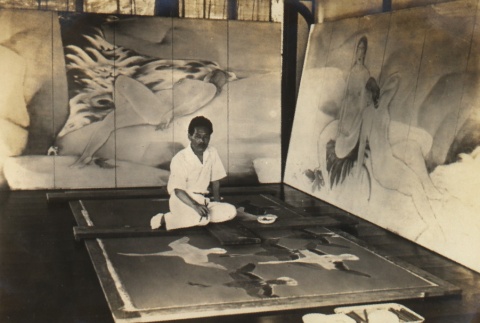
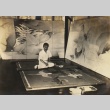
Caption on reverse [translation]: "Ryushi Kawabata, the king of the Seiryusha exhibition, has been devoted to bringing along his pupils to his studio in Omori. At the same time, he has been working on his great pieces, 'Pearl' and 'South Winds.' The 'Pearl' is very rare in Japanese painting. The photo shows 'Pearl' and Mr. Kawabata …
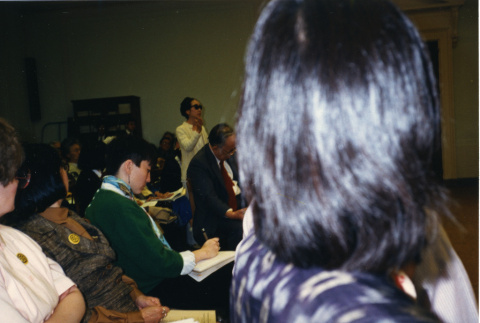
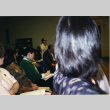
National Council for Japanese American Redress press conference. Photograph titled: "Rayburn House Office Building, NCJAR press conference: Alice Basoms (white blouse), Chizu Omori (suit) Penny Willgerodt (green sweater), and Michi Weglyn (standing)." See this object in the California State Universities Japanese American Digitization project site: P229
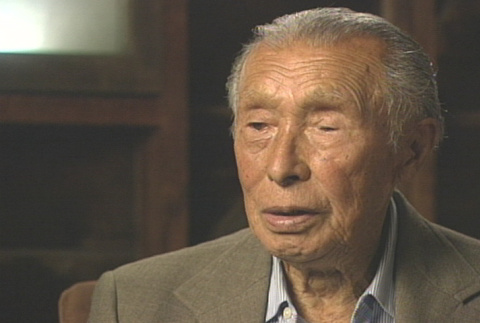
Nisei male. Born June 7, 1929, in Merced, California. Grew up in Mount Eden, California, and was removed to the Tanforan Assembly Center, California, after the bombing of Pearl Harbor. Incarcerated at the Topaz concentration camp in Utah, then moved to Tule Lake concentration camp after family volunteered to move to Japan. While at Tule Lake, …
Description of trial: found guilty and sent to jail
This interview was conducted by sisters Emiko and Chizuko Omori for their 1999 documentary, Rabbit in the Moon, about the Japanese American resisters of conscience in the World War II incarceration camps. As a result, the interviews in this collection are typically not life histories, instead …
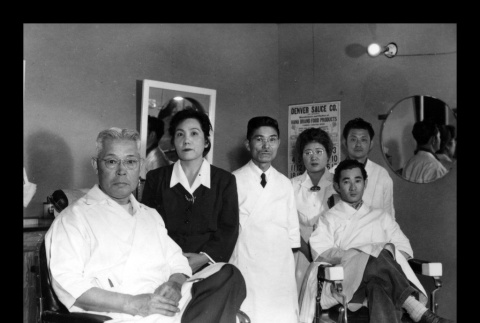
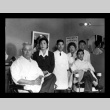
Black and white photograph of the barber shop staff at Amache Consumer Enterprises, Amache incarceration camp. Pictured from left to right Yamaoka, S. Omori, T. Tokunaga, M. Nonaka, I. Ota, and T. Miyahara. From the Amache Co-op Souvenir Album, page 28. See also sac_jaac_1530 through sac_jaac_1589. See this object in the California State Universities Japanese American …