
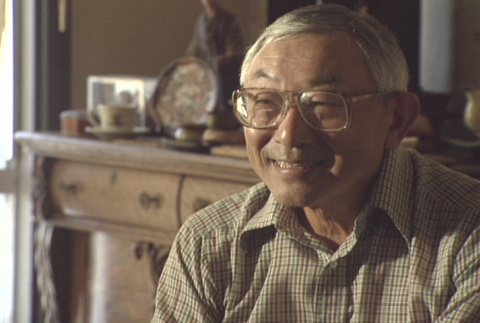
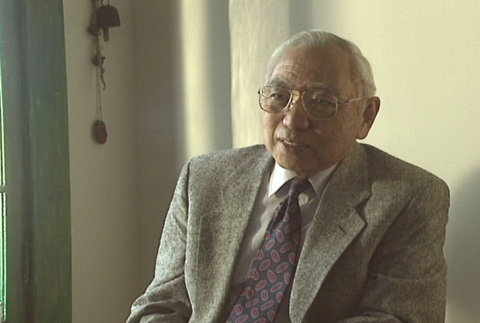
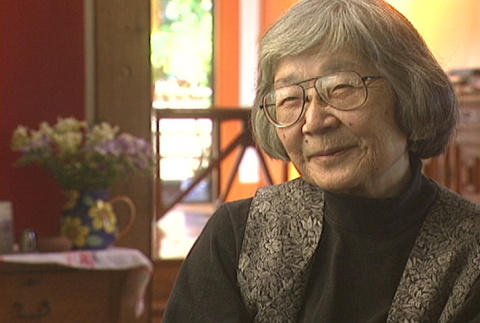

This interview was conducted by sisters Emiko and Chizuko Omori for their 1999 documentary, Rabbit in the Moon, about the Japanese American resisters of conscience in the World War II incarceration camps. As a result, the interviews in this collection are typically not …
This interview was conducted by sisters Emiko and Chizuko Omori for their 1999 documentary, Rabbit in the Moon, about the Japanese American resisters of conscience in the World War II incarceration camps. As a result, the interviews in this …
This interview was conducted by sisters Emiko and Chizuko Omori for their 1999 documentary, Rabbit in the Moon, about the Japanese American resisters of conscience in the World War II incarceration camps. As a result, the interviews in this collection are typically not life histories, instead primarily …
This interview was conducted by sisters Emiko and Chizuko Omori for their 1999 documentary, Rabbit in the Moon, about the Japanese American resisters of conscience in the World War II incarceration camps. As a result, the interviews in this collection are typically not life …
This interview was conducted by sisters Emiko and Chizuko Omori for their 1999 documentary, Rabbit in the Moon, about the Japanese American resisters of conscience in the World War II incarceration camps. As a result, the interviews in this collection are typically …

This interview was conducted by sisters Emiko and Chizuko Omori for their 1999 documentary, Rabbit in the Moon, about the Japanese American resisters of conscience in the World War II incarceration camps. As a result, the interviews in this collection are typically …
This interview was conducted by sisters Emiko and Chizuko Omori for their 1999 documentary, Rabbit in the Moon, about the Japanese American resisters of conscience in the World War II incarceration camps. As a result, the …
This interview was conducted by sisters Emiko and Chizuko Omori for their 1999 documentary, Rabbit in the Moon, about the Japanese American resisters of conscience in the World War II incarceration camps. As a result, the interviews in this collection are typically not life histories, instead primarily focusing …
This interview was conducted by sisters Emiko and Chizuko Omori for their 1999 documentary, Rabbit in the Moon, about the Japanese American resisters of conscience in the World War II incarceration camps. As a result, the interviews in this collection are typically not …
This interview was conducted by sisters Emiko and Chizuko Omori for their 1999 documentary, Rabbit in the Moon, about the Japanese American resisters of conscience in the World War II incarceration camps. As a result, the interviews in this collection are typically not …
This interview was conducted by sisters Emiko and Chizuko Omori for their 1999 documentary, Rabbit in the Moon, about the Japanese American resisters of conscience in the World War II incarceration camps. As a result, the interviews in this collection are typically not life …
This interview was conducted by sisters Emiko and Chizuko Omori for their 1999 documentary, Rabbit in the Moon, about the Japanese American resisters of conscience in the World War II incarceration camps. As a result, the interviews in this collection are typically not …
This interview was conducted by sisters Emiko and Chizuko Omori for their 1999 documentary, Rabbit in the Moon, about the Japanese American resisters of conscience in the World War II incarceration camps. As a result, the interviews in this collection are typically not life histories, instead primarily …
This interview was conducted by sisters Emiko and Chizuko Omori for their 1999 documentary, Rabbit in the Moon, about the Japanese American resisters of conscience in the World War II incarceration camps. As a result, the interviews in this collection are typically not life histories, instead primarily focusing on issues surrounding …
This interview was conducted by sisters Emiko and Chizuko Omori for their 1999 documentary, Rabbit in the Moon, about the Japanese American resisters of conscience in the World War II incarceration camps. As a result, the interviews in this collection are typically not life histories, instead primarily focusing …
This interview was conducted by sisters Emiko and Chizuko Omori for their 1999 documentary, Rabbit in the Moon, about the Japanese American resisters of conscience in the World War II incarceration camps. As a result, the interviews in this collection are typically not life histories, instead primarily focusing on …
This interview was conducted by sisters Emiko and Chizuko Omori for their 1999 documentary, Rabbit in the Moon, about the Japanese American resisters of conscience in the World War II incarceration camps. As a result, the interviews in this collection are …
This interview was conducted by sisters Emiko and Chizuko Omori for their 1999 documentary, Rabbit in the Moon, about the Japanese American resisters of conscience in the World War II incarceration camps. As a result, the interviews in this collection are typically not …
This interview was conducted by sisters Emiko and Chizuko Omori for their 1999 documentary, Rabbit in the Moon, about the Japanese American resisters of conscience in the World War II incarceration camps. As a result, the interviews …
This interview was conducted by sisters Emiko and Chizuko Omori for their 1999 documentary, Rabbit in the Moon, about the Japanese American resisters of conscience in the World War II incarceration camps. As a result, the interviews in this collection …
This interview was conducted by sisters Emiko and Chizuko Omori for their 1999 documentary, Rabbit in the Moon, about the Japanese American resisters of conscience in the World War II incarceration camps. As a result, the interviews in this collection …

This interview was conducted by sisters Emiko and Chizuko Omori for their 1999 documentary, Rabbit in the Moon, about the Japanese American resisters of conscience in the World War II incarceration camps. As a result, the interviews in this collection are typically not life histories, instead primarily focusing on …
This interview was conducted by sisters Emiko and Chizuko Omori for their 1999 documentary, Rabbit in the Moon, about the Japanese American resisters of conscience in the World War II incarceration camps. As a result, the interviews in this collection are typically not life …
This interview was conducted by sisters Emiko and Chizuko Omori for their 1999 documentary, Rabbit in the Moon, about the Japanese American resisters of conscience in the World War II incarceration camps. As a result, the interviews in this collection are typically not life histories, instead primarily …
This interview was conducted by sisters Emiko and Chizuko Omori for their 1999 documentary, Rabbit in the Moon, about the Japanese American resisters of conscience in the World War II incarceration camps. As a result, the interviews in this collection are typically not …