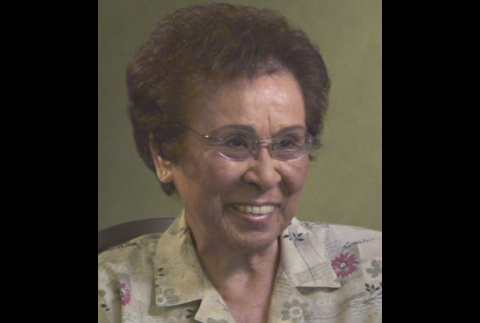
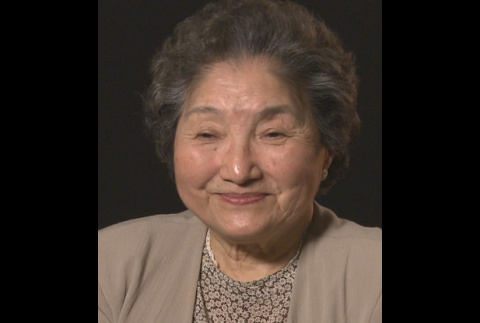
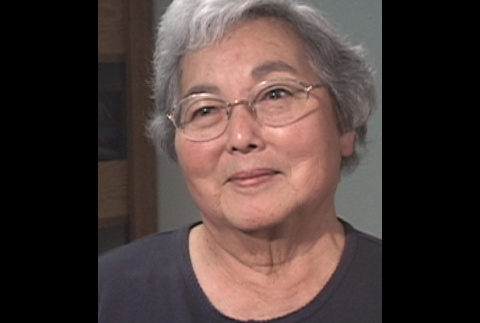
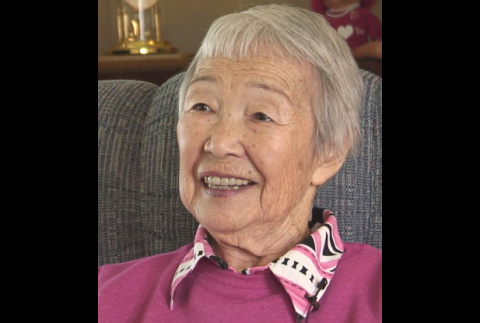
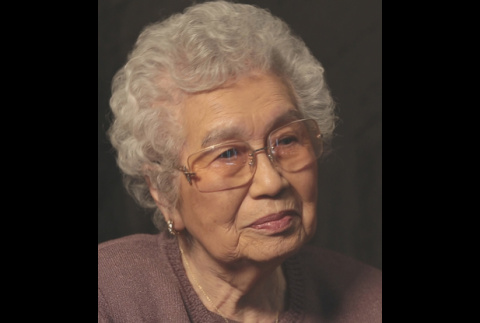
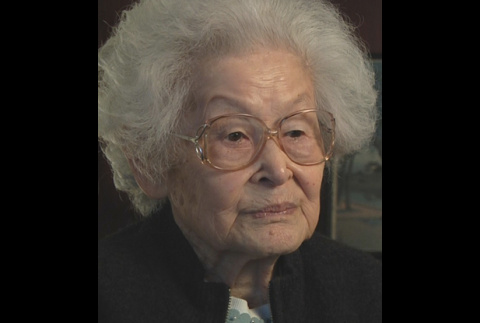
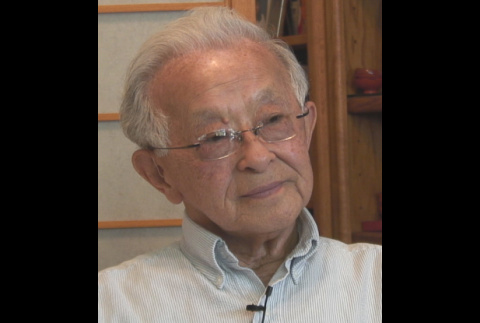
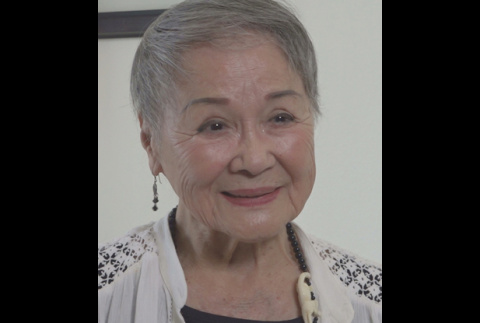
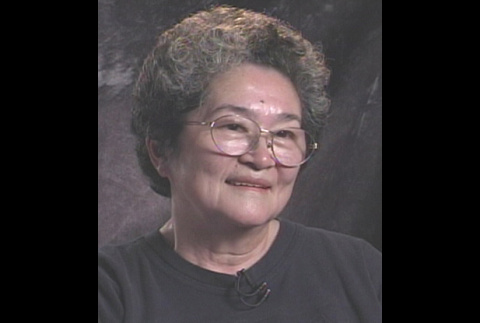
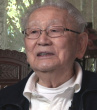
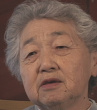
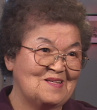
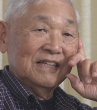
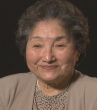
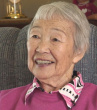
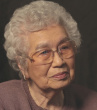
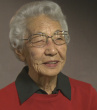
Nisei female. Born November 30, 1927, in Montebello, California. Grew up in Montebello where father ran a wholesale nursery business. During World War II, removed with family to the Pomona Assembly Center and Manzanar concentration camp, California. After leaving camp, attended UCLA before returning to California and establishing a nursery business.
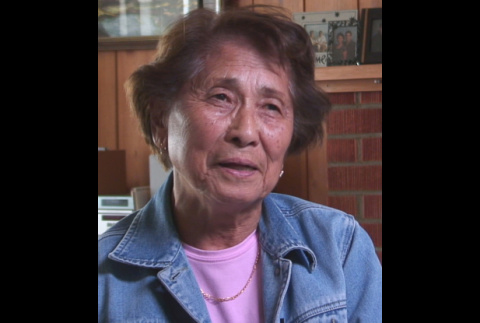
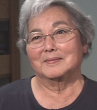
Nisei female. Born January 24, 1925, in Los Angeles, California. Grew up in the Los Angeles area, where parents ran a flower business. During World War II, removed to the Manzanar concentration camp, California. While in camp, held various jobs, including working for the camouflage net factory. Eventually returned to California.
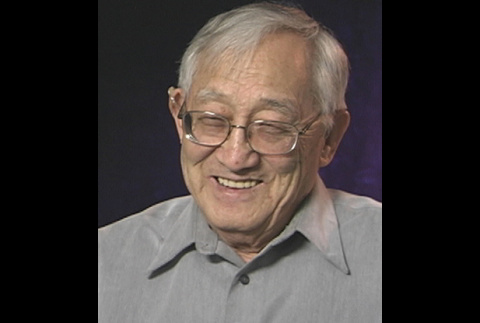
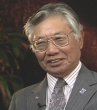
Nisei male. Born September 4, 1922, in Spokane, Washington. Spent childhood in Spokane, where parents operated a downtown Spokane hotel and father worked as a redcap at the local train station. Graduated from Lewis & Clark High School, attended Whitworth College, and then attended trade school where he became an electrician.
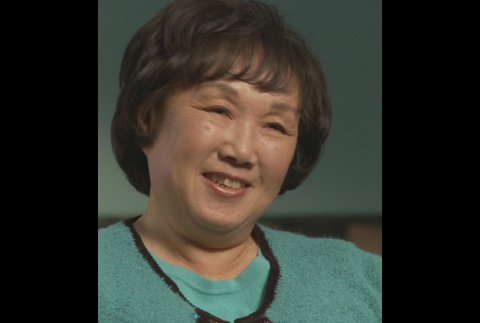
Nisei female. Born December 1, 1935, in Seattle, Washington. During World War II, removed with family to the Puyallup Assembly Center, Washington, and the Minidoka concentration camp, Idaho. After leaving camp, resettled in Minneapolis, Minnesota. Spent many years raising a family and teaching in Japan before eventually returning to Minnesota.
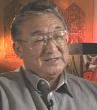
Nisei male. Born June 25, 1918, in Selleck, Washington. Grew up in Selleck, a lumber community, before moving with family to Santa Monica, California. During World War II, removed to the Manzanar concentration camp, California. After leaving camp, lived for a time in Salt Lake City, Utah, before returning to California.
Nisei female. Born April 14, 1922, in Yakima, Washington, and grew up in Central Washington state. During World War II, removed to the Portland Assembly Center, Oregon, and the Heart Mountain concentration camp, Wyoming. Left camp to attend college in Kansas and North Carolina. Eventually returned to the West Coast.
Nisei female. Born August 3, 1920, in Portland, Oregon. Lost father at an early age, and mother and siblings set up a family farm and greenhouse business. During World War II, removed to the Portland Assembly Center, Oregon, and the Minidoka concentration camp, Idaho. After leaving camp, returned to Oregon.
Nisei male. Born 1921 in Courtland, California. Grew up in the Clarksburg area, where parents ran a farm. During World War II, removed to Turlock Assembly Center, California, and the Gila River concentration camp, Arizona. Served with the Military Intelligence Service in Japan. Eventually returned to Clarksburg and reestablished farm.
Nisei female. Born July 9, 1930, in Salinas, California. Grew up in Salinas, where father ran a successful farm. In 1941, moved with family to Japan. Remained in Japan during World War II and worked as an interpreter. After the war, returned to the United States and presently lives in California.
Nisei female. Born September 18, 1926, in South Pasadena, California. Grew up in Los Angeles, California. During World War II, removed to the Santa Anita Assembly Center, California, and the Heart Mountain concentration camp, Wyoming. Attended college in Philadelphia, Pennsylvania, after leaving camp. Eventually married and moved to Portland, Oregon.
Nisei female. Born December 4, 1924, in California. Grew up in Watts, California, where parents ran a grocery business. During World War II, removed to the Manzanar concentration camp, California. After the so-called "loyalty questionnaire," transferred to the Tule Lake concentration camp, California. After leaving camp, returned to Los Angeles.
Nisei female. Born May 24, 1923, in Carlisle, Washington. Grew up in Seattle, Washington, where parents ran a hotel. During World War II, removed to the Puyallup Assembly Center, Washington, and the Minidoka concentration camp, Idaho. After leaving camp, lived for a time in Chicago, Illinois, before returning to Oregon.
Nisei female. Born January 4, 1919, in Portland, Oregon. Grew up in Fairview, Oregon, where family ran a farm. Married and had a child before World War II. During the war, removed to the Portland Assembly Center, Oregon, and the Minidoka concentration camp, Idaho. After leaving camp, returned to Fairview.
Nisei male. Born April 1, 1930, in Fresno, California. Grew up in Caruthers, California, where parents leased a vineyard. During World War II, sent to the Fresno Assembly Center, California, and the Jerome concentration camp, Arkansas. After leaving camp, lived in Ogden, Utah, and become a minister. Eventually returned to California.
Nisei female. Born August 4, 1930, in Bellevue, Washington. Grew up in Bellevue, where parents ran a farm. During World War II, removed to the Pinedale Assembly Center and Tule Lake concentration camp, California. After leaving camp, returned to Seattle, Washington, and eventually established a career as a flight attendant.
Nisei male. Born December 10, 1917, and grew up in Sanger, California. During World War II, incarcerated in the Poston concentration camp, Arizona. Served in the Military Intelligence Service as an interpreter in Japan. After military service, moved to Philadelphia, Pennsylvania, and became involved with the Japanese American Citizens League.
Nisei female. Born November 4, 1926, in Seattle, Washington. Family lived in Leavenworth, Washington, then moved to the West Coast. After the outbreak of World War II, family was removed from Bellingham, Washington, to Tule Lake concentration camp, California. Transferred to Heart Mountain concentration camp, Wyoming, before leaving to resettle in Spokane, Washington.
Nisei male. Born March 12, 1928, in Oyster Bay, Washington. Incarcerated at Tule Lake concentration camp, California. Served as fundraising chair for the Japanese American Citizens League's Legislative Education Committee from 1984 to 1985 and raised over half a million dollars for the redress effort. Became president of the National JACL in 1986.
Nisei male. Born January 14, 1930, in Seattle, Washington. Grew up in the Jackson Street neighborhood of Seattle, Washington. Incarcerated at Puyallup Assembly Center, Washington, and Tule Lake concentration camp, California. Resettled in Seattle. Former teacher and varsity basketball coach at Seattle's Franklin High School and administrator at Seattle Central Community College.
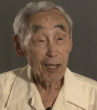
Nisei male. Born October 10, 1915, in California. Married prior to mass removal, and was sent to the Manzanar concentration camp, California. Transferred to the Heart Mountain concentration camp, Wyoming, and worked on the camp newspaper. Drafted into the army and served with the Military Intelligence Service in the Philippines and occupied Japan.
Nisei female. Born May 20, 1914, in Watsonville, California. Grew up in Watsonville and married before the bombing of Pearl Harbor. During World War II, removed to the Salinas Assembly Center, California, and the Poston concentration camp, Arizona. After leaving camp, lived in Denver for a time before eventually returning to Watsonville.
Nisei male. Born March 13, 1927, in San Francisco, California. Grew up in Los Angeles, California. During World War II, was removed to the Manzanar concentration camp, California. One of the major players in the movement for Japanese American redress and reparations, Mr. Hohri founded the National Council for Japanese American Redress (NCJAR).
Nisei male. Born December 21, 1929, in Walnut Grove, California. Grew up in Walnut Grove where father owned and operator a shoe sales and repair business. During World War II, removed with family to the Merced Assembly Center, California, and Granada concentration camp, Colorado. Returned to California as a high school student.
Nisei female. Born February 4, 1922, in Fresno, California, where parents owned a tofu shop. Mother passed away prior to World War II giving birth to twin girls. Married prior to the war. Removed to the Fresno Assembly Center, California, and the Jerome concentration camp, Arkansas. After leaving camp, returned to Fresno.
Nisei male. Born July 11, 1927, in Glendale, California. Grew up in Glendale where parents had a farm. After the bombing of Pearl Harbor, removed to the Manzanar concentration camp, California. After leaving camp, worked briefly with family at Seabrook Farms, New Jersey, then attended college in Cleveland, Ohio. Eventually returned to California.