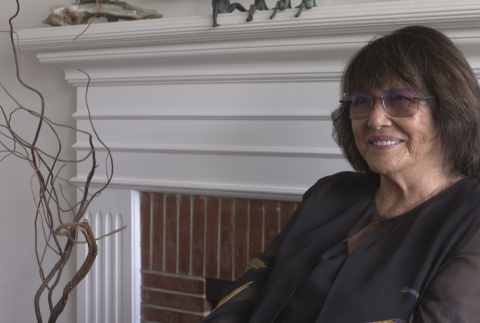
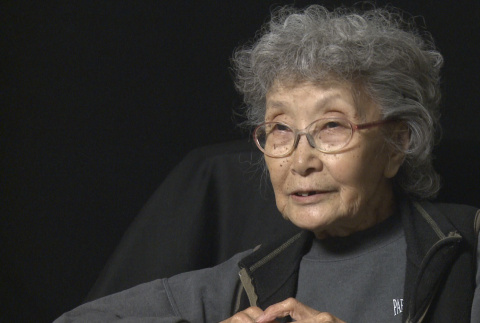
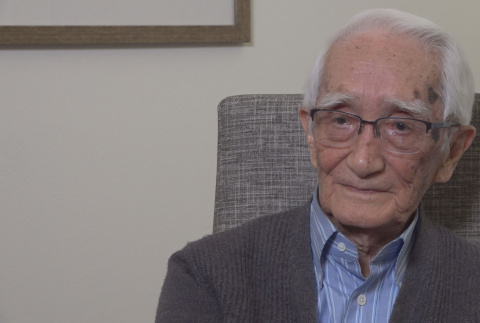
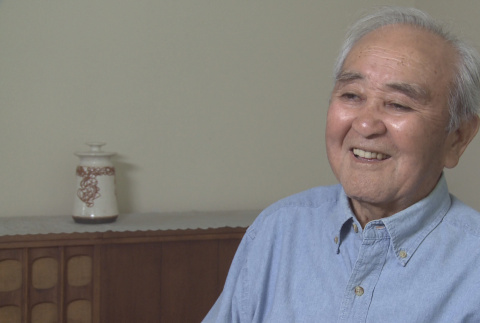
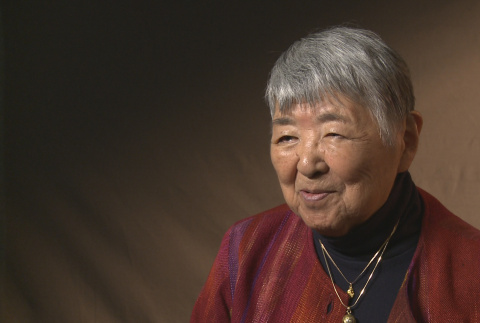
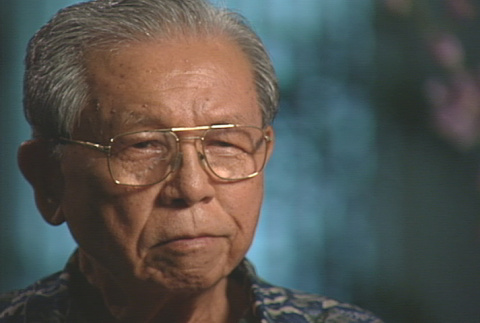
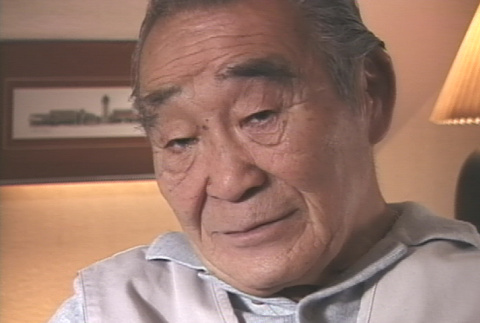
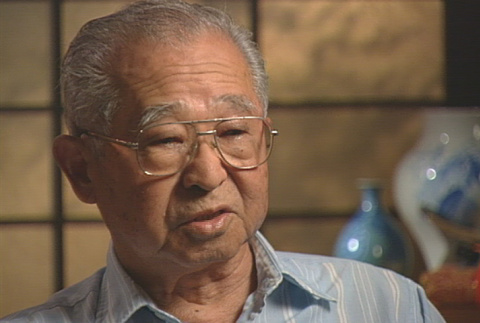
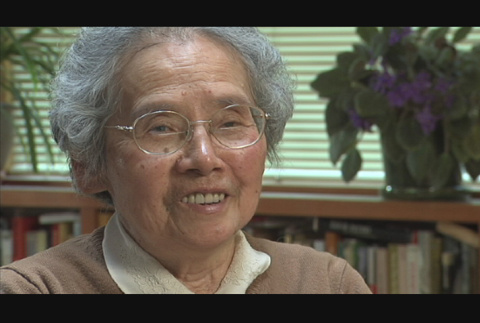
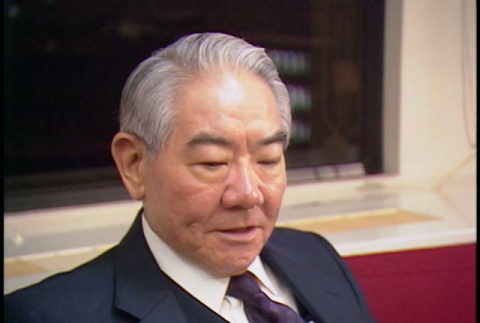
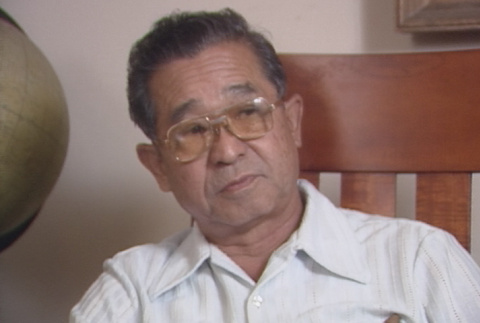
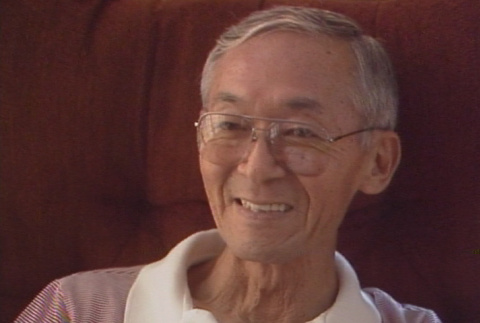
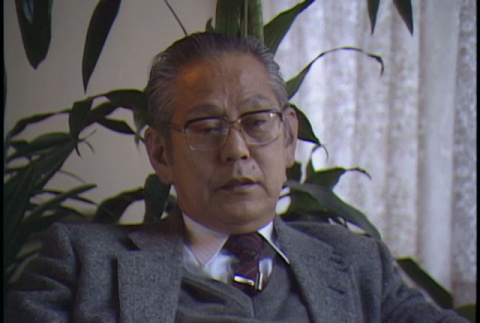
Nisei female. Born October 17, 1932, in Los Angeles, California. Grew up in Los Angeles, and was involved at an early age with traditional Japanese dancing and stage performance. During World War II, removed with family to the Santa Anita Assembly Center, California, and the Rohwer concentration camp, Arkansas. After leaving camp, family resettled in Denver, …
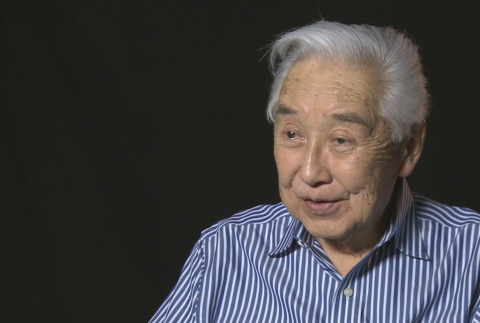
Nisei male. Born July 12, 1931, in Saratoga, California. Grew up in Saratoga, where father worked as a gardener on a large estate. After the bombing of Pearl Harbor, father moved the family inland to Reedley in an attempt to avoid mass removal. Eventually removed to Poston concentration camp, Arizona. After leaving camp, returned to California …
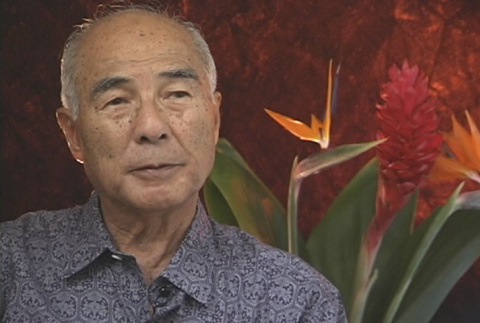
Nisei male. Born March, 1921 in Hilo, Hawaii. Was a lieutenant in the 442nd Regimental Combat Team. Instrumental in clearing the court-martial conviction of Shiro Kashino, a member of his unit.
(This interview was conducted at the 1998 Americans of Japanese Ancestry Veterans National Convention, held in Honolulu, Hawaii. Because of the full conference schedule, interviews …
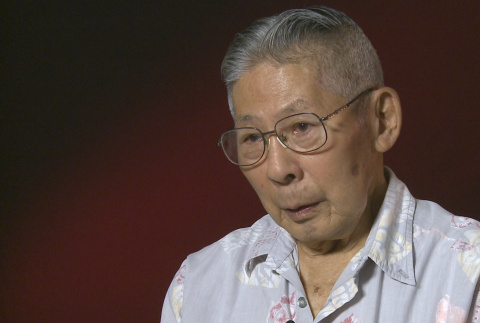
Nisei male. Born April 14, 1923, in Yuba City, California. Grew up in Elk Grove, California. After the bombing of Pearl Harbor, moved with family to Florin, California, and was removed to the Marysville Assembly Center, California, and the Tule Lake concentration camp, California. While in Tule Lake, refused to sign the so-called "loyalty questionnaire," and …
Nisei female. Born May 19, 1921, in San Pedro, California. During World War II, incarcerated in the Santa Anita Assembly Center, California, and the Jerome concentration camp, Arkansas. After leaving camp, lived and worked in Mississippi before marrying and moving to the Harlem neighborhood of New York City. Became involved in a number of political causes …
Nisei male. Born March 26, 1926, in Steveston, British Columbia, Canada. Grew up in Steveston, where father fished for a cannery. During World War II, the family was forced to leave Steveston and moved to the abandoned Minto Mine site in the Bridge River Valley of British Columbia. After staying for a few years, Makoto moved …
Nisei male. Born March 13, 1921, in Seattle, Washington. Grew up in Kent, Washington, where parents ran a farm. In the 1930s, moved to South Bend, Washington, to work for the New Washington Oyster Company. During World War II, removed to the Pinedale Assembly Center, California, and soon left to work on farms in Utah for …
Nisei female. Born April 9, 1925, in Malden, Washington. Grew up in Seattle, Washington, before being removed with family to the Puyallup Assembly Center, Washington, and the Minidoka concentration camp, Idaho. From Minidoka, relocated with family to Utica, New York. Worked in Japan for the U.S. Army of Occupation, and for the Tokyo General Army Hospital …
Nisei male. Born January 22, 1919. During World War II, volunteered for the 442nd Regimental Combat Team and eventually transferred to the Military Intelligence Service. Served as an interpreter interrogating Japanese prisoners of war in Palau.
(This material is based upon work assisted by a grant from the Department of the Interior, National Park Service. Any …
Nisei male. Born January 19, 1915, in Sacramento, California. During World War II, sent to the Topaz concentration camp, Utah. Volunteered for the military out of camp, and was recruited to serve in the Military Intelligence Service.
(This material is based upon work assisted by a grant from the Department of the Interior, National Park Service. …
Nisei male. Born December 8, 1916, in Hawaii. Was already in the army when Japan bombed Pearl Harbor on December 7, 1941. Served with the Military Intelligence Service as a translator at the Pentagon and in Europe.
(This material is based upon work assisted by a grant from the Department of the Interior, National Park Service. …
Nisei female. Grew up on Bainbridge Island, Washington. During World War II, removed to the Manzanar concentration camp, California, eventually transferring to the Minidoka concentration camp, Idaho. After leaving camp, returned to Bainbridge Island.
(This material is based upon work assisted by a grant from the Department of the Interior, National Park Service. Any opinions, finding, …
Nisei male. Born February 16, 1934, in Anaheim, California. Grew up in Selma, California, where parents ran a restaurant. During World War II, removed to the Gila River concentration camp, Arizona. Family returned to the Selma area after leaving camp. Mr. Ogata attended California State University Fresno and served in the army. Became a high school …
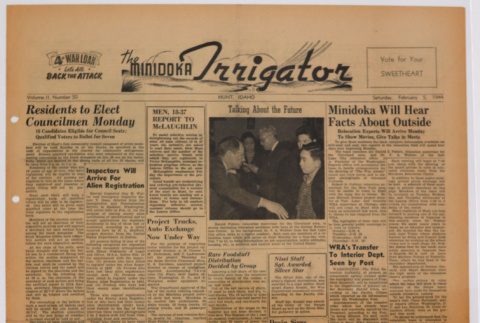
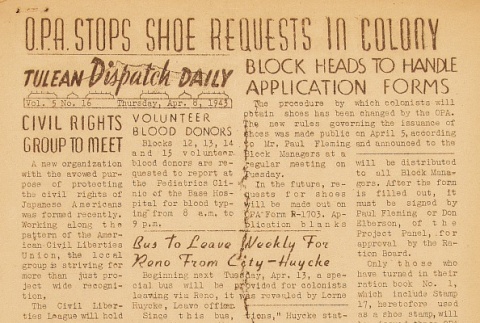
Selected article titles: "Residents to Elect Councilmen Monday. 16 Candidates Eligible for Council Seats; Qualified Voters to Ballot for Seven" (p. 1), "Inspectors Will Arrive for Alien Registration" (p. 1), "Rare Foodstuff Distribution Decided by Group" (p. 1), "Company of Army Troops Removed from Tule Center" (p. 1), "Minidoka Will Hear Facts About Outside. Relocation Experts …
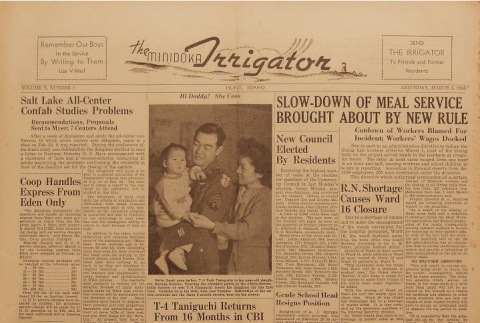
Selected article titles: "Salt Lake All-Center Confab Studies Problems" (p. 1), "No Tuition Needed in Idaho Schools by Nisei Students" (p. 1), "Three Convicted for Draft Evasion" (p. 1), "Japanese Ban Asked By Three Oregon Counties" (p. 1), "Slow-down of Meal Service Brought About by New Rule" (p. 1), "Father Tibesar Writes: Evacuees Need Courage to …
Nisei male. Grew up in Hilo, Hawaii. Was a veterinary student at Kansas State University when Japan bombed Pearl Harbor. Volunteered for the Military Intelligence Service, and served in Burma with the Merrill's Marauders.
(This material is based upon work assisted by a grant from the Department of the Interior, National Park Service. Any opinions, finding, …
Matsumura discusses his time teaching at the 4th Army Military Intelligence School in San Francisco, his experience with John Aiso, his trouble with white officers, the difficulties his students faced, visiting his family at Heart Mountain, and the conflicting feelings his Nisei students had about military service. Loni Ding can be heard asking questions behind the …
Nakamura discusses the relationship between the American military and the Chinese government, his impression of the Chinese military, and what he's told his children about incarceration and service. He also reads a letter written about his fellow Nisei Sho Numura, who had to have his appendix removed in China. Loni Ding can be heard asking questions …
Nisei male. Born December 8, 1916, in Hawaii. Was already in the army when Japan bombed Pearl Harbor on December 7, 1941. Served with the Military Intelligence Service as a translator at the Pentagon and in Europe.
(This material is based upon work assisted by a grant from the Department of the Interior, National Park Service. …
Nisei male. Grew up in Los Angeles, California. During World War II, removed to the Granada (Amache) concentration camp, Colorado, with family. Volunteered for the army, and served with the 442nd Regimental Combat Team in Europe.
(This material is based upon work assisted by a grant from the Department of the Interior, National Park Service. Any …
Saiki discusses the loyalty questionnaire given to Nisei in camp, visiting his father in New Mexico, being drafted, being recruited for intelligence work, moving to Japan in 1967, his work in international business, and the formation of the Military Intelligence Service Language School Association and other such organizations. Loni Ding can be heard asking questions behind …
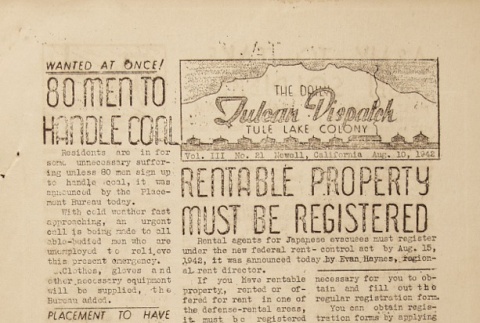
Selected article titles: "Wanted at Once! 80 Men to Handle Coal" (p. 1), "Placement to Have Two Branch Offices" (p. 1), "Rentable Property Must be Registered" (p. 1), "Woodwork Shop Draws Enthusiasts" (p. 1), "Respect Gov't Property Says Shirrell" (p. 1), "Army to Take Nisei Soldiers: Must Speak and Read Japanese" (p. 2), "Bank Now Open …
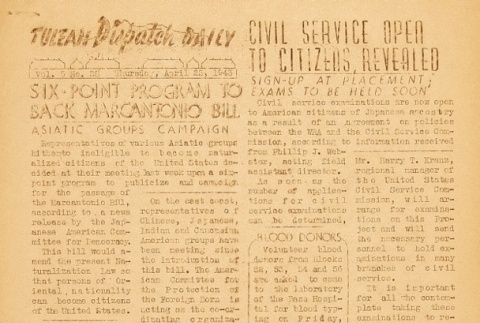
Selected article titles: "Six Point Program to Back Marcantonio Bill: Asiatic Groups Campaign" (p. 1), "Civil Service Open to Citizens, Revealed: Sign-up at Placement; Exams to Be Held Soon" (p. 1), "Christians to Hold Services" (p. 1), "Nisei May Take Steps Now to Enter Language School" (p. 1), "Block Contributors Raise $225" (p. 1), "Tule Lake …
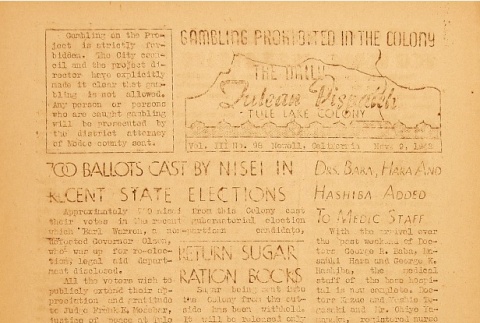
Selected article titles: "Gambling Prohibited in the Colony" (p. 1), "700 Ballots Cast by Nisei in Recent State Elections" (p. 1), "Education Week: Open House at Colony Schools" (p. 1), "Return Sugar Ration Books" (p. 1), "Drs. Baba, Hara and Hashiba Added to Medic Staff" (p. 1), "Dispatch Staff Digs Potatoes and Carrots on the Farm …