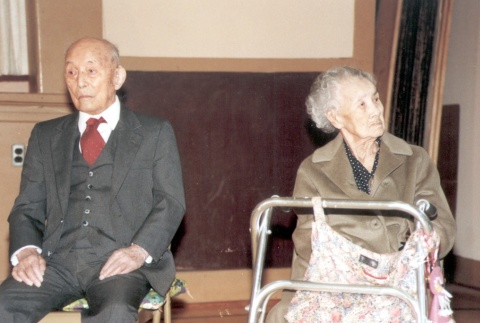
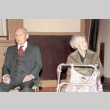
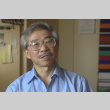
This ceremony at the Nisei Veterans Hall honored five Issei, all at least 100 years old, and presented them with their redress checks. Shown here are Mr. Katsuho (left) and Mrs. Wakamatsu.
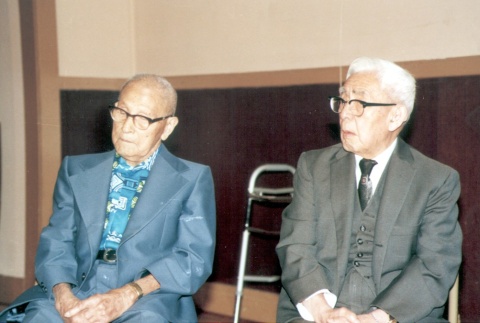
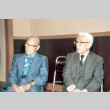
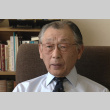
This ceremony at the Nisei Veterans Hall honored five Issei, all at least 100 years old, and presented them with their redress checks. Shown here are Mr. Ishimitsu (left) and Mr. Nakagawa.
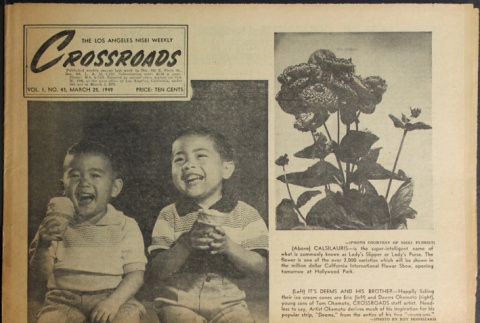
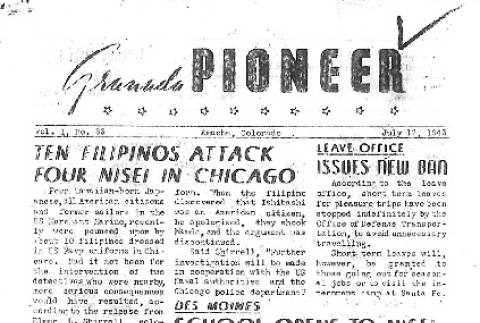
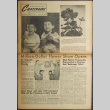
Selected article titles: "Million-Dollar Flower Show Opens" (p.1), "Tule Renunciants Restored U.S. Citizenship" (p.1), "'Nisei Week' Will Make 1949 Comeback with all the Trimmings in Early August" (p.1).
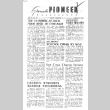
Selected article titles: "Procedure for Alien Parolee Custody Release Outlined" (p. 1), "Nisei Soldier and WAC Wife Show Patriotism" (p. 5), "No Letdown of Good Job Offers in Chicago Area" (p. 8).
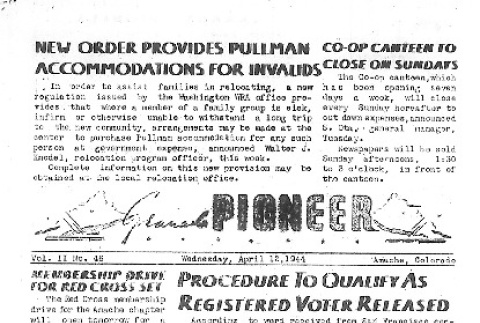
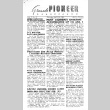
Selected article titles: "New Order Provides Pullman Accommodations for Invalids" (p. 1), "Procedure to Qualify as Registered Voter Released" (p. 1), "Irate New Jersey Farmers Vote to Evict Nisei Tenant" (p. 6).
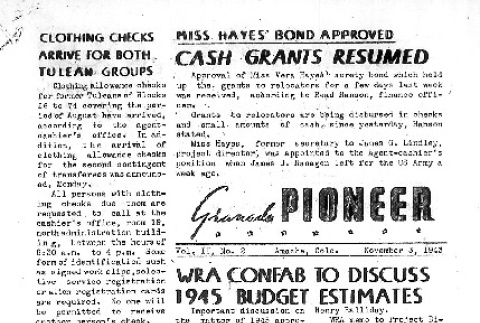
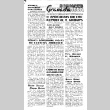
Selected article titles: "Pass to Lamar Set at One Per Month" (p. 1), "FBI Releases Nisei Women Who 'Spooned'" (p. 3), "Loyal Japanese En Route to Tule Lake for Harvest" (p. 8).
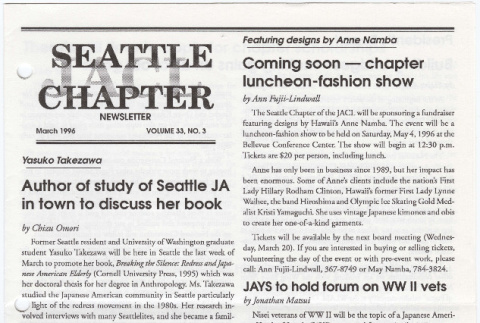
Newsletter covering the following topics: Seattle JACL to sponsor Anne Namba luncheon/fashion show; Seattle JAYS hold forum at UW on Nisei Vets; article by Jonathan Matsui on Seattle JACL Youth Activities.
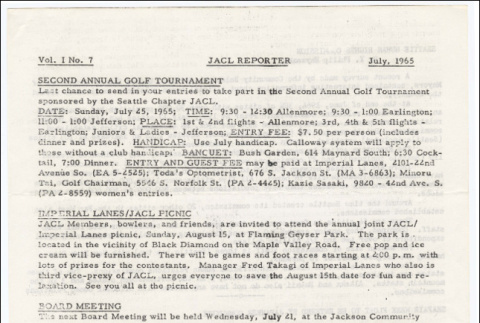
Bulletin covering the following topics: Golf Tournament, Picnic; 45 Youth met for Jr JACL; Float Donations, Nisei Community Queen ( Acey Toda); Japanese American Community Float Association, Frank Hattori, Chair; Phil Hayasaka Column.
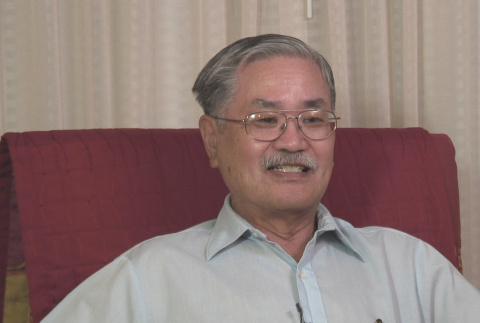
Nisei male. Born September 26, 1933, in Milwaukie, Oregon. During World War II, removed to the Portland Assembly Center, Oregon, and the Minidoka concentration camp, Idaho. After leaving camp, returned to Oregon.
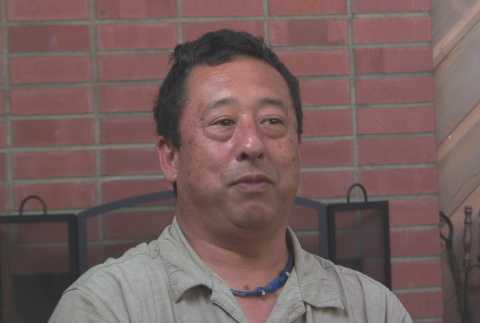
Nisei male. Born 1920 and raised in California. Removed to Manzanar concentration camp, California, following the bombing of Pearl Harbor. After World War II, attending baking school and became a professional baker.
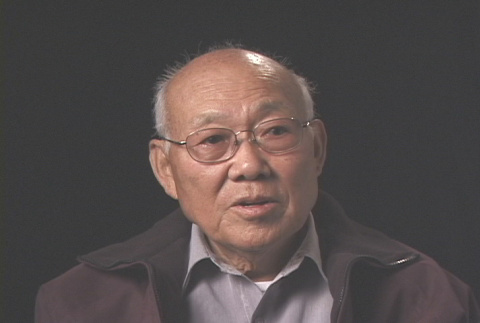
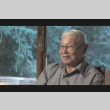
Sansei male. Born August 2, 1952, in Los Angeles, California. In this interview, discusses his father's life as a Nisei and soldier in the 442nd Regimental Combat Team during World War II.
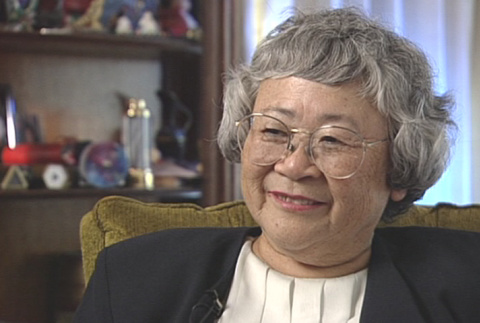
Nisei female. Born February 11, 1925, in Seattle, Washington. During World War II, incarcerated at the Puyallup Assembly Center, Washington, and Minidoka concentration camp, Idaho. Longtime civil rights activist, educator, and pacifist.
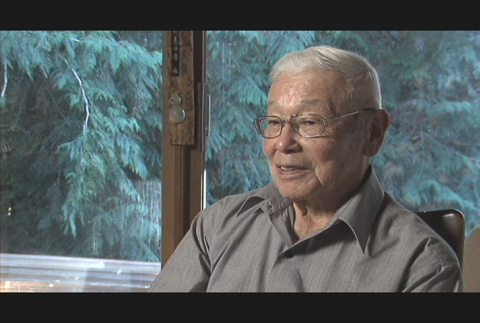
Nisei male. Born September 20, 1917, in Bainbridge Island, Washington. Drafted into the army in 1941 prior to the bombing of Pearl Harbor. After World War II, started a wholesale greenhouse business.
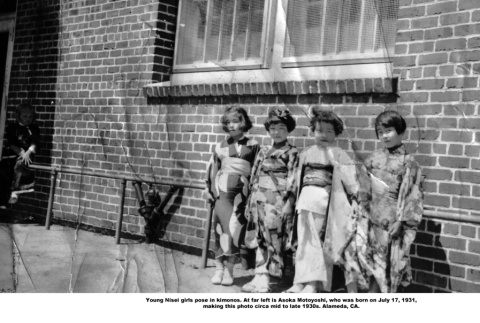
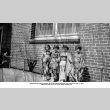
Caption below photo: Young Nisei girls pose in kimonos. At far left is Asoko Motoyoshi, who was born on July 17, 1931, making this photo circa mid to late 1930s. Alameda, CA.
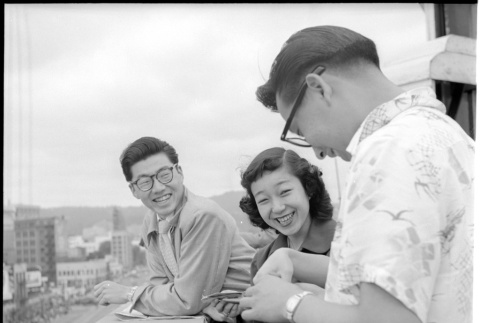
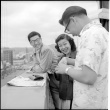
Black and white photographic negative of three Nisei standing on a balcony laughing. A newspaper and wallet sit on the ledge. From left to right: unidentified, Jean Yasuko (Kida) Tomita, and unidentified.
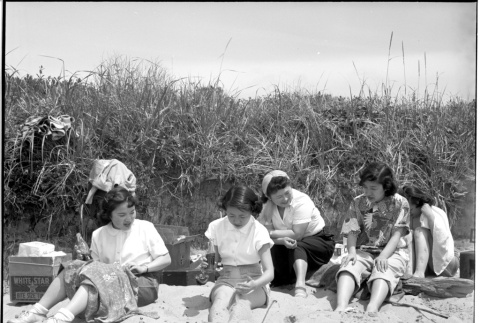
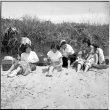
Black and white photographic negative of five Nisei girls sitting on the beach, two drinking bottles of soda. From left to right: Betty Nakashimada, unidentified, Martha Fujii, Jean (Kida) Tomita, and unidentified.
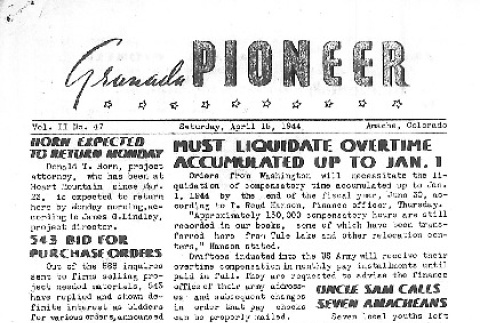
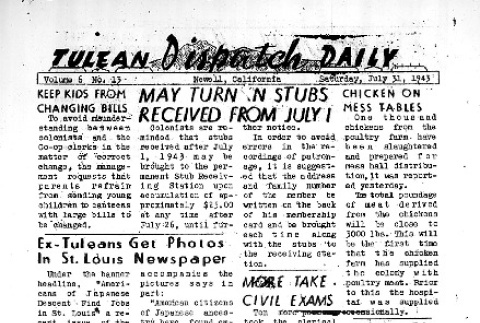
Selected article titles: "Ex-Tuleans Get Photos in St. Louis Newspaper" (p. 1), "Nisei Women in Centers Can't Volunteer for WACs" (p. 1), "Yasui Taken to Unnamed WRA Relocation Center" (p. 1).
This interview was conducted at the Voices of Japanese American Redress Conference, held on the UCLA campus and sponsored by the UCLA Asian American Studies Center and the UCLA School of Public Policy and Social Research. Because of the full conference schedule, our interviews were limited to one hour. The …
Publishing a Nisei magazine and working in a flower market when World War II broke out
This interview was conducted by sisters Emiko and Chizuko Omori for their 1999 documentary, Rabbit in the Moon, about the Japanese American resisters of conscience in the World War II incarceration camps. As a result, the interviews in this …
Differences between Nisei and Kibei in regards to the so-called "loyalty questionnaire"; personal reactions
This interview was conducted by sisters Emiko and Chizuko Omori for their 1999 documentary, Rabbit in the Moon, about the Japanese American resisters of conscience in the World War II incarceration camps. As a result, the interviews in this collection are …
Shifting roles of the Issei and Nisei as a result of the incarceration experience
This interview was conducted by sisters Emiko and Chizuko Omori for their 1999 documentary, Rabbit in the Moon, about the Japanese American resisters of conscience in the World War II incarceration camps. As a result, the interviews in this collection are …
Thoughts on the treatment of the draft resisters by the JACL, Japanese American community, and Nisei veterans
This interview was conducted by filmmaker Frank Abe for his 2000 documentary, Conscience and the Constitution, about the World War II resisters of conscience at the Heart Mountain incarceration camp. As a result, the interviews in this collection …