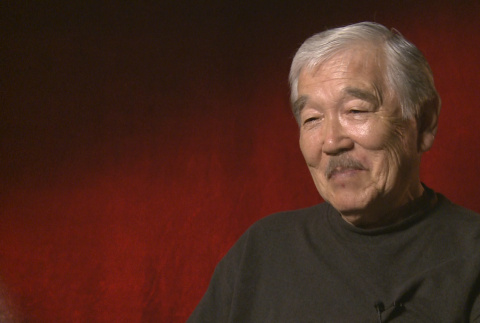
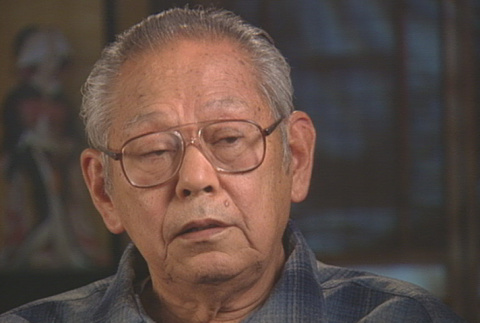
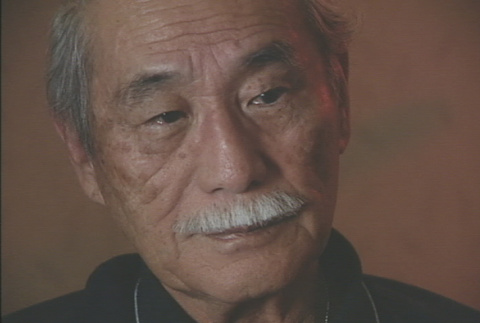
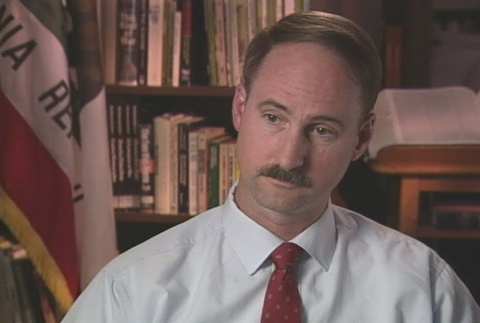
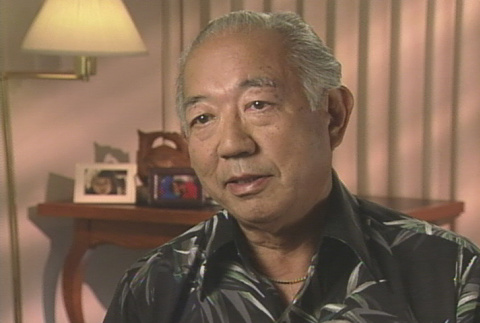
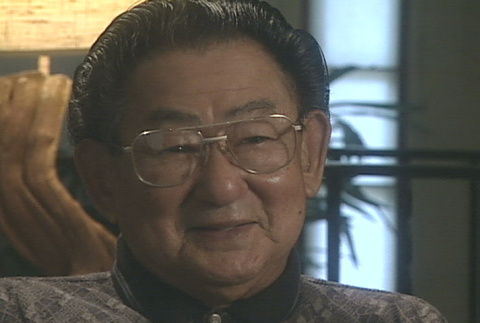
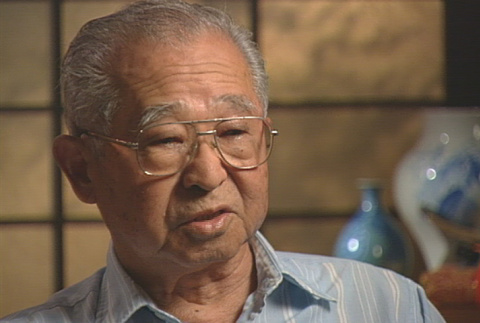
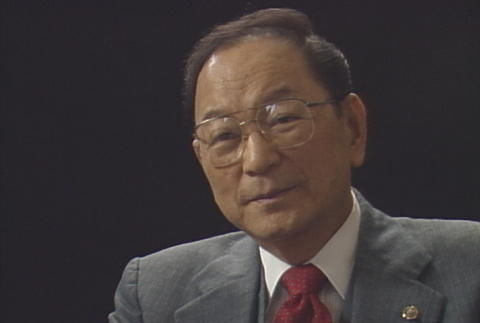
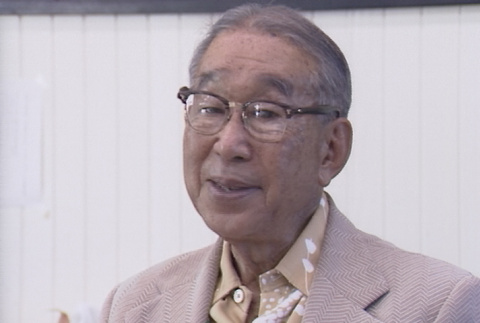
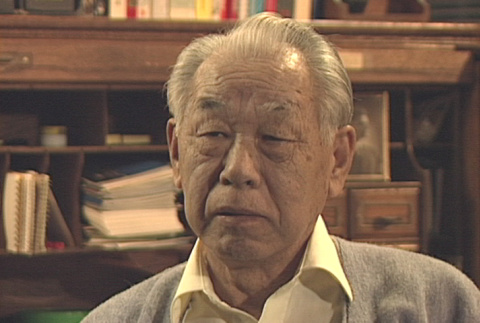
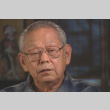
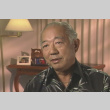
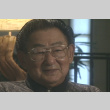
Nisei male. Born July 24, 1925, in Ketchikan, Alaska. Grew up in Ketchikan, where parents ran a store. During World War II, was removed to the Puyallup Assembly Center, Washington, and the Minidoka incarceration camp, Idaho. After leaving camp, went with family to work for a time in Idaho before …
Meeting Japanese Americans from Seattle in the canneries
Nisei male. Born July 24, 1925, in Ketchikan, Alaska. Grew up in Ketchikan, where parents ran a store. During World War II, was removed to the Puyallup Assembly Center, Washington, and the Minidoka incarceration camp, Idaho. After leaving camp, went with family to work for a time in …
Nisei male. Born July 24, 1925, in Ketchikan, Alaska. Grew up in Ketchikan, where parents ran a store. During World War II, was removed to the Puyallup Assembly Center, Washington, and the Minidoka incarceration camp, Idaho. After leaving camp, went with family to work for a time in Idaho …
Nisei male. Born July 24, 1925, in Ketchikan, Alaska. Grew up in Ketchikan, where parents ran a store. During World War II, was removed to the Puyallup Assembly Center, Washington, and the Minidoka incarceration camp, Idaho. After leaving camp, went with family to work for a time in Idaho …
Attending school in Minidoka, not studying very hard
Nisei male. Born July 24, 1925, in Ketchikan, Alaska. Grew up in Ketchikan, where parents ran a store. During World War II, was removed to the Puyallup Assembly Center, Washington, and the Minidoka incarceration camp, Idaho. After leaving camp, went with family to work for a time in …
Nisei male. Born July 24, 1925, in Ketchikan, Alaska. Grew up in Ketchikan, where parents ran a store. During World War II, was removed to the Puyallup Assembly Center, Washington, and the Minidoka incarceration camp, Idaho. After leaving camp, went with family to work for a time in Idaho before eventually …
Relationship between Native Americans and other ethnic groups
Nisei male. Born July 24, 1925, in Ketchikan, Alaska. Grew up in Ketchikan, where parents ran a store. During World War II, was removed to the Puyallup Assembly Center, Washington, and the Minidoka incarceration camp, Idaho. After leaving camp, went with family to work for a time in …
Interacting with Japanese Americans from the Lower 48
Nisei male. Born July 24, 1925, in Ketchikan, Alaska. Grew up in Ketchikan, where parents ran a store. During World War II, was removed to the Puyallup Assembly Center, Washington, and the Minidoka incarceration camp, Idaho. After leaving camp, went with family to work for a time in …
Nisei male. Born July 24, 1925, in Ketchikan, Alaska. Grew up in Ketchikan, where parents ran a store. During World War II, was removed to the Puyallup Assembly Center, Washington, and the Minidoka incarceration camp, Idaho. After leaving camp, went with family to work for a time in Idaho before eventually …
The important role of the Nisei in the Military Intelligence Service
This material is based upon work assisted by a grant from the Department of the Interior, National Park Service. Any opinions, finding, and conclusions or recommendations expressed in this material are those of the author(s) and do not necessarily reflect the views of the Department …
The roles of Kibei and Nisei in the Military Intelligence Service
This material is based upon work assisted by a grant from the Department of the Interior, National Park Service. Any opinions, finding, and conclusions or recommendations expressed in this material are those of the author(s) and do not necessarily reflect the views of the Department …
The reorganization of U.S. intelligence to include Nisei and the Military Intelligence Service
This material is based upon work assisted by a grant from the Department of the Interior, National Park Service. Any opinions, finding, and conclusions or recommendations expressed in this material are those of the author(s) and do not necessarily reflect the views of …
The role of the Nisei during the occupation of Japan
This material is based upon work assisted by a grant from the Department of the Interior, National Park Service. Any opinions, finding, and conclusions or recommendations expressed in this material are those of the author(s) and do not necessarily reflect the views of the Department of …
Being placed into "protective custody" with other Nisei while in the army
This material is based upon work assisted by a grant from the Department of the Interior, National Park Service. Any opinions, finding, and conclusions or recommendations expressed in this material are those of the author(s) and do not necessarily reflect the views of the …
Discussion of differences between Nisei from Hawaii and the mainland
This material is based upon work assisted by a grant from the Department of the Interior, National Park Service. Any opinions, finding, and conclusions or recommendations expressed in this material are those of the author(s) and do not necessarily reflect the views of the Department of …
Limited opportunities for Nisei prior to Hawai'i becoming a state (audio only)
This material is based upon work assisted by a grant from the Department of the Interior, National Park Service. Any opinions, finding, and conclusions or recommendations expressed in this material are those of the author(s) and do not necessarily reflect the views of the …
The important role of Nisei in the postwar occupation of Japan
This material is based upon work assisted by a grant from the Department of the Interior, National Park Service. Any opinions, finding, and conclusions or recommendations expressed in this material are those of the author(s) and do not necessarily reflect the views of the Department …
The difficulties faced by Nisei in the Military Intelligence Service because of secrecy
This material is based upon work assisted by a grant from the Department of the Interior, National Park Service. Any opinions, finding, and conclusions or recommendations expressed in this material are those of the author(s) and do not necessarily reflect the views of …
The lack of commissioned officers among Nisei Military Intelligence Service men
This material is based upon work assisted by a grant from the Department of the Interior, National Park Service. Any opinions, finding, and conclusions or recommendations expressed in this material are those of the author(s) and do not necessarily reflect the views of the Department …
Editing Current Life, hiring Nisei fiction writers
This interview was conducted by filmmaker Frank Abe for his 2000 documentary, Conscience and the Constitution, about the World War II resisters of conscience at the Heart Mountain incarceration camp. As a result, the interviews in this collection are typically not life histories, instead primarily focusing on issues …
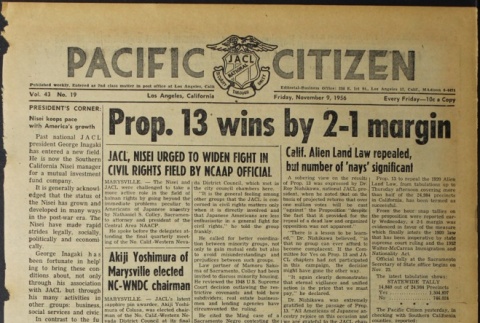
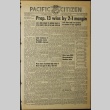
Selected article titles: "Prop. 13 wins by 2-1 margin. Calif. Alien Land Law repealed, but number of 'nays' significant" (p. 1), "JACL, Nisei urged to widen fight in civil rights field by NCAAP official" (p. 1), "Major share of postwar high status of Nisei-Issei goes to JACL, ADL told" (p. 1), "Hayakawa retains stand Nisei social …
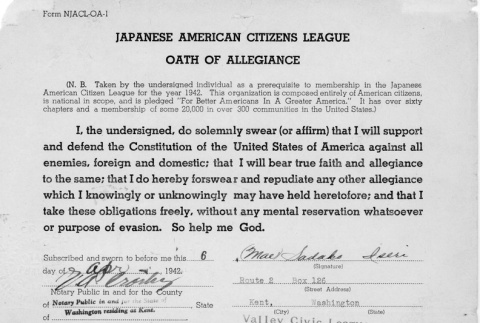
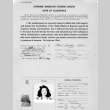
After the bombing of Pearl Harbor, Issei were required to carry government-issued identification documents because of their alien status. The Nisei, who were American citizens, did not have to carry such documents. However, the JACL encouraged Nisei to carry identification papers voluntarily. This document belonged to Mae Iseri. The document featured an oath of allegiance that …
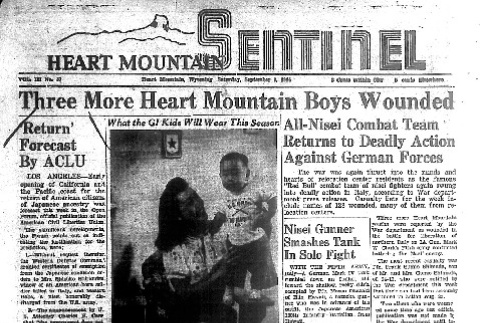
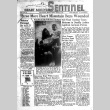
Selected article titles: "'Return' Forecast by ACLU" (p. 1), "Three More Heart Mountain Boys Wounded. All-Nisei Combat Team Returns to Deadly Action Against German Forces" (p. 1), "Millionth Egg Produced Here" (p. 1), "Editorial: Scholarship and Selfishness" (p. 4), "Nisei Residents Reminded to Register for November Election" (p. 8), "'Now is as Good a Time for …
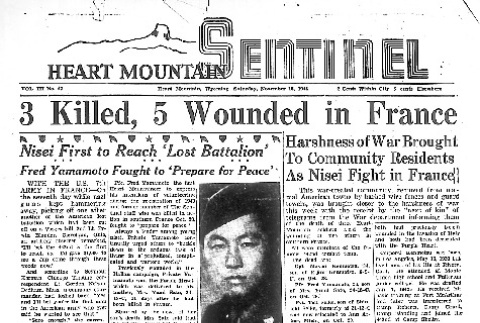
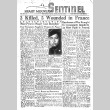
Selected article titles: "Barber Sabotages Democracy" (p. 1), "$50,000 Tract Goes to State in California Property Suit" (p. 1), "Center-wide Baby Show Slated for Next Week" (p. 3), "Editorial: The Price of Admission" (p. 4), "West Coast Return; Freedom of Movement Urged for Nisei" (p. 5), "'Distinguish Enemy, U.S. Japanese,' Declares Fistere" (p. 5), "Nisei Return …
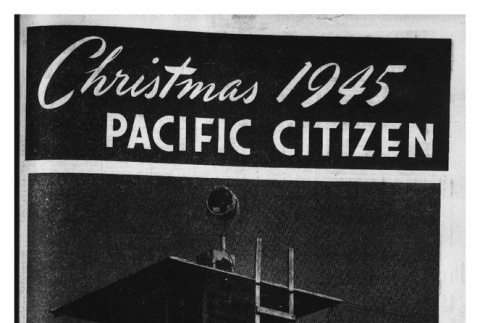
Selected article titles: "WRA Will Assist Returned Evacuees to Find Permanent Location on Pacific Coast" (p. 3), "California Attorney General Says Sheriff Attempted to Prevent Evacuee Employment" (p. 3), "Rehearings May Be Held for Tule Lake Group" (p. 3), "The Future of the Nisei is His Own by Dillon S. Myer" (p. 9), "Nisei Assisted in …