
2652 items
![Christmas card from Emma Hesse to Mr. and Mrs. Henry [Katsumi] Fujita, December 21, 1941 (ddr-csujad-23-12)](https://ddr.densho.org/media/cache/a4/63/a4630abd22b2f2164d3b557cf89276cf.jpg)
![Letter from Henry [Katsumi] Fujita to Mr. H. A. Strong, Electrolux Corporation, August 9, 1942 (ddr-csujad-23-13)](https://ddr.densho.org/media/cache/d2/af/d2afd33bc388bbb92c1d2865f7c443a8.jpg)
![Memo from Harry L. Black, Advisory Committee, to Mr. [Raymond R.] Best, February 8, 1944 (ddr-csujad-2-91)](https://ddr.densho.org/media/cache/97/9f/979fe83faee38355fb14a9b76d0e063b.jpg)
![Letter from Takashi Matsuura to Mr. and Mrs. S. Okine, February 12, 1948 [in Japanese] (ddr-csujad-5-235)](https://ddr.densho.org/media/cache/e3/73/e37351eeec01e49bb788b45032e9e485.jpg)
![Letter from Masao Okine to Mr. and Mrs. S. Okine, March 30, 1946, [in Japanese] (ddr-csujad-5-189)](https://ddr.densho.org/media/cache/97/a7/97a7ecb6e729e62e3283e2b837f24216.jpg)
![Letter from Masao Okine to Mr. and Mrs. S. Okine, February 18, 1946 [in Japanese] (ddr-csujad-5-190)](https://ddr.densho.org/media/cache/aa/0a/aa0a7d2a46a9b6f91b2a9fdcba1d08a5.jpg)
![Postcard from Kazumitsu Matsumoto Accounting Office to Mr. Sadatsuka Hamada, June 28, 1949 [in Japanese] (ddr-csujad-5-300)](https://ddr.densho.org/media/cache/20/76/207666d01c50a040c3ec113bd8501831.jpg)
![Letter from Miyuki Matsuura to Mr. and Mrs. S. Okine, July 8, 1948 [in Japanese] (ddr-csujad-5-239)](https://ddr.densho.org/media/cache/86/2f/862fa8ce464e0842035e06446b4bb85f.jpg)
![Letter from Ayame Okine to Mr. and Mrs. S. Okine, July 2, 1946 [in Japanese] (ddr-csujad-5-154)](https://ddr.densho.org/media/cache/55/79/5579eedb66a90e05721b8f1e25fecadb.jpg)
![Letter from Jokichi [Yamanaka] to Mr. and Mrs. S. Okine, June 16, 1946 [in Japanese] (ddr-csujad-5-149)](https://ddr.densho.org/media/cache/5f/66/5f664ce7378bffe8ff56c0197db08508.jpg)
![Letter from Ayame Okine to Mr. and Mrs. S. Okine, September 23, 1946 [in Japanese] (ddr-csujad-5-161)](https://ddr.densho.org/media/cache/3f/fd/3ffdeb3a6e812628054d2aa28d8b7542.jpg)
![Letter from Masao Okine to Mr. and Mrs. S. Okine, September 12, 1946 [in Japanese] (ddr-csujad-5-160)](https://ddr.densho.org/media/cache/08/9e/089e14d0745e8d4873311c8aab6a61cf.jpg)
![Letter from Kimiye Tanimoto to Mr. and Mrs. S. Okine, October 2, 1947 [in Japanese] (ddr-csujad-5-211)](https://ddr.densho.org/media/cache/74/da/74dab994c380eb358b1a16e368375be0.jpg)
![Letters from Jokichi and Yaeko Yamanaka to Mr. S. Okine, July 29, 1947 [in Japanese] (ddr-csujad-5-222)](https://ddr.densho.org/media/cache/e3/0c/e30c950030ef5a0e641a02034491dd20.jpg)
2652 items
vh
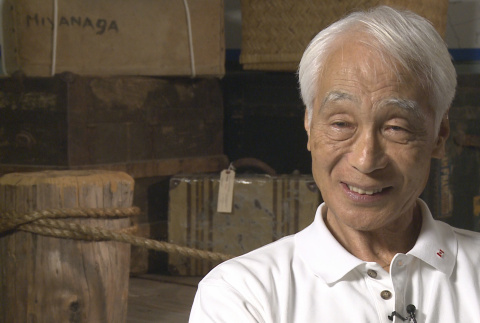
Toru Saito Interview (ddr-densho-1000-307)
Sansei male. Born December 11, 1937, in San Francisco, California. Nearly age four when Japan bombed Pearl Harbor. Removed with family to the Tanforan Assembly Center, California, and the Topaz concentration camp, Utah. In this interview, Mr. Saito discusses many of the harmful psychological effects of the World War II experience on himself and other Japanese …
img
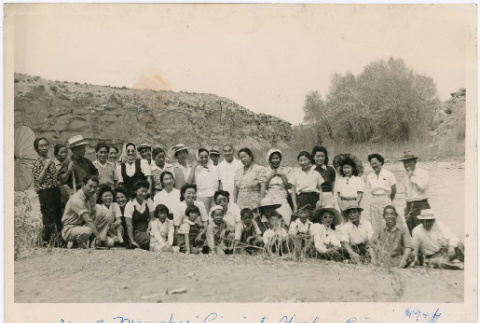
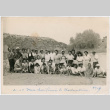
Mess Hall picnic (ddr-densho-363-39)
The caption at the bottom of the photograph reads "21-27 Mess hall Picnic to Shoshone River 1944". First row (left to right): Unidentified, Toshiko Tsuyuki, Unidentified, Unidentified, Joanne Kuwahara, Nabata, Hatsuye Shimizu, Nancy Oyama, Saito, ... Mr. Nakamura (3rd from right) Second row: Tomi Ichida (4th from right), Kimi Kuwahara (3rd from right), Asano Maruyama (2nd …
doc
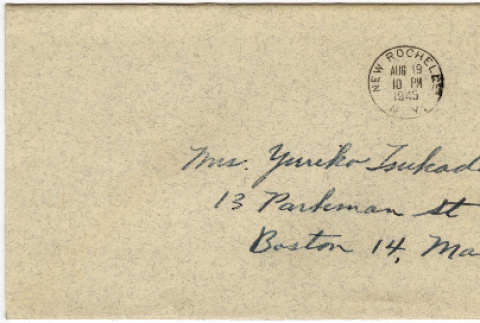
Letter to Yuri Tsukada from Richard Tsukada (ddr-densho-356-510)
Letter to Yuriko Domoto Tsukada from her husband Richard "Dick" Tsukada. Dick details how he spent the weekend and tells about a mutual friend teaching to Berkley. Included in the envelope was a playbill for previews of "Mr. Strauss Goes to Boston." Item tied together with all objects between ddr-densho-356-457 and ddr-densho-540.
img
Junior Floricultural Society of Norther California (ddr-densho-356-16)
Large group photograph of the Junior Floricultural Society of Northern California. Identified on the first row far left is Kaneji Domoto, and fourth row far left is Yuriko Domoto, and second row fifth from the left is Mr. Fujii (Sally Domoto (Fujii)'s father), and Sally Domoto (Fujii) is in the fourth row second from the left.
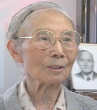
Narrator Asano Terao
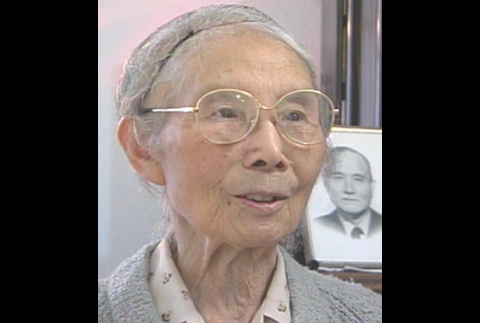
Issei female. Born 1897 in Hiroshima, Japan. Graduated from Shintoku Jikka Girls' High School. Married Mr. Shizuto Terao, an Issei who returned to Japan temporarily from the U.S., through an arranged marriage, and immigrated to the U.S. Lived in Seattle until they moved to Salt Lake City, Utah, to stay with her cousin in the spring …
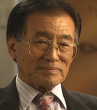
Narrator Frank Emi
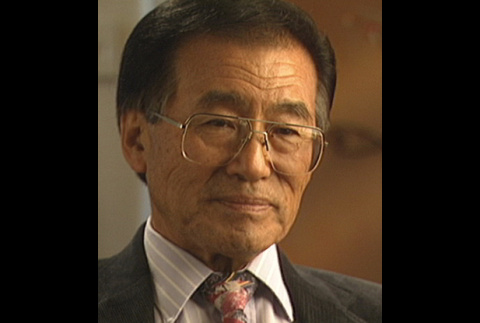
Nisei male. Born September 23, 1916, in Los Angeles, California. Attended Los Angeles City College for one year before leaving to run the family produce business. Married and had a daughter before being removed to Pomona Assembly Center, California, and Heart Mountain concentration camp, Wyoming. The leader of Heart Mountain's Fair Play Committee, was convicted of …
![Christmas card from Emma Hesse to Mr. and Mrs. Henry [Katsumi] Fujita, December 21, 1941 (ddr-csujad-23-12)](https://ddr.densho.org/media/cache/a2/d7/a2d73072c48b196c556fa78b03001bff.jpg)
doc
Christmas card from Emma Hesse to Mr. and Mrs. Henry [Katsumi] Fujita, December 21, 1941 (ddr-csujad-23-12)
Card depicts winter scene with snow and people walking down a path. Message from Emma Hesse states: "I pray for you, and ask that all kindness and understanding surround you these days." Object includes envelope showing address in Petaluma, California. See this object in the California State Universities Japanese American Digitization project site: lp028-08-012
![Letter from Henry [Katsumi] Fujita to Mr. H. A. Strong, Electrolux Corporation, August 9, 1942 (ddr-csujad-23-13)](https://ddr.densho.org/media/cache/14/24/142413aac9733a9c7ff730c050eb232e.jpg)
doc
Letter from Henry [Katsumi] Fujita to Mr. H. A. Strong, Electrolux Corporation, August 9, 1942 (ddr-csujad-23-13)
Letter from Henry K. Fujita to his boss Mr. H. A. Strong of the Electrolux Corporation in San Francisco dated August 9, 1942. Rich in details, the letter describes the physical layout of the Merced Assembly Center, the poor-quality construction of the barracks, the daily schedules, the camp organization and facilities, the hardships and illnesses and …
doc
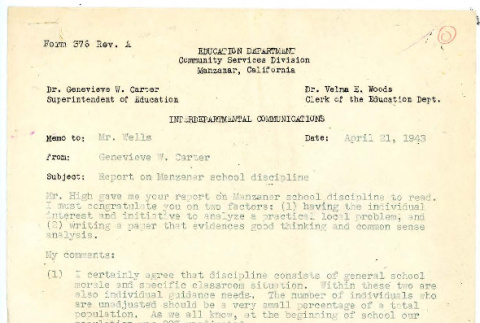
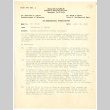
Interdepartmental communication from Dr. Genevieve W. Carter to Mr. Harry Bentley Wells, April 21, 1943 (ddr-csujad-48-80)
Interdepartmental communication addressing the suggestions of Harry Bentley Wells, a teacher at Manzanar High School, written by Dr. Genevieve W. Carter, Superintendent of Education. Carter responds to each suggestion and then provides two recommendations. She would like to have the rules come from a handbook developed by the students and establish more parent contact. Transcription is …
img
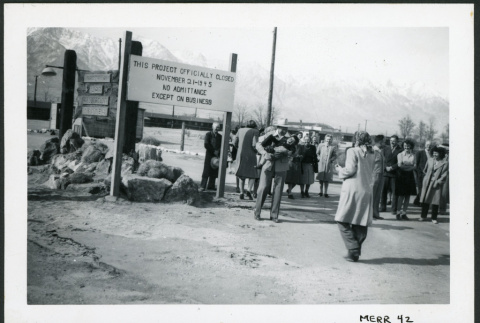
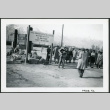
Molly Hayes getting ready to snap Mr. Merritt holding the last evacuee in his arms (ddr-csujad-47-15)
Photograph of Molly Hayes getting ready to take a photograph of Ralph Merritt holding the last incarceree (a young boy) with a group of civil service employees observing. The group is standing at the front entrance of Manzanar with the sign, "This project officially closed November 21-1945 no admittance except on business," the administrative buildings and …
![Memo from Harry L. Black, Advisory Committee, to Mr. [Raymond R.] Best, February 8, 1944 (ddr-csujad-2-91)](https://ddr.densho.org/media/cache/99/94/999459383d93bcf40af45ee69118aea9.jpg)
doc
Memo from Harry L. Black, Advisory Committee, to Mr. [Raymond R.] Best, February 8, 1944 (ddr-csujad-2-91)
Memorandum regarding meeting with Co-ordinating Committee. Concerns meeting to discuss Committee's recommendation to release "18 additional detainees from the stockade." The memo on "Executive Office of the President, Office for Emergency Management" letterhead, also discusses employment of incarcerees from Manzanar and Tule Lake and moving incarcerees out of and into various housing blocks. See this object …
doc
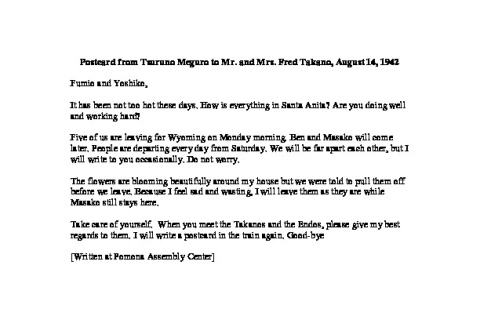
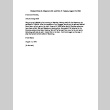
Postcard from Tsuruno Meguro to Mr. and Mrs. Fred Takano, August 14, 1942, English translation (ddr-csujad-42-63)
English translation of the letter: csudh_tak_0062. See this object in the California State Universities Japanese American Digitization project site: tak_01_32_001_eng
doc
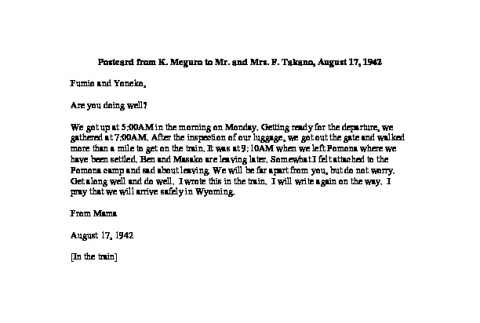
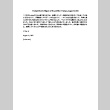
Postcard from K. Meguro to Mr. and Mrs. F. Takano, August 17, 1942, English translation (ddr-csujad-42-66)
English translation of the letter: csudh_tak_0065. See this object in the California State Universities Japanese American Digitization project site: tak_01_33_001_eng
doc
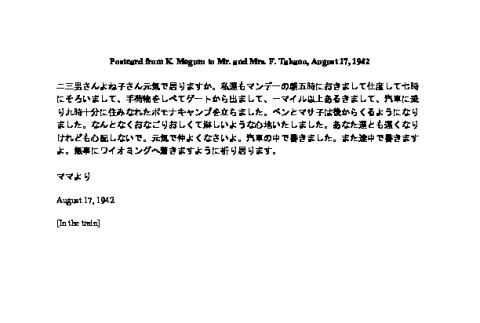
Postcard from K. Meguro to Mr. and Mrs. F. Takano, August 17, 1942, Japanese typescript (ddr-csujad-42-67)
Japanese typescript of the letter: csudh_tak_0065. See this object in the California State Universities Japanese American Digitization project site: tak_01_33_001_jpn
![Letter from Takashi Matsuura to Mr. and Mrs. S. Okine, February 12, 1948 [in Japanese] (ddr-csujad-5-235)](https://ddr.densho.org/media/cache/63/c0/63c02d334d7cd2afe9557130b19574d9.jpg)
doc
Letter from Takashi Matsuura to Mr. and Mrs. S. Okine, February 12, 1948 [in Japanese] (ddr-csujad-5-235)
A letter from Takashi Matsuura to his uncle and aunt, Seiichi and Tomeyo Okine. He stayed in the Okines' place while he was performing in Los Angeles. In the letter, he apologizes for the delay in writing to them because of his community work at his place. He informs that he got on a train at …
![Letter from Masao Okine to Mr. and Mrs. S. Okine, March 30, 1946, [in Japanese] (ddr-csujad-5-189)](https://ddr.densho.org/media/cache/ea/f6/eaf62b8dd1fa4b1e717edbd30dfe0e4a.jpg)
doc
Letter from Masao Okine to Mr. and Mrs. S. Okine, March 30, 1946, [in Japanese] (ddr-csujad-5-189)
A letter from Masao Okine to his parents, Seiichi and Tomeyo Okine. He writes from Japan where he is stationed as a Nisei soldier. In the letter, he writes about his duties in Japan, driving a truck. He also writes about the illness of his brother, Makoto, who is also stationed in Italy as a Nisei …
![Letter from Masao Okine to Mr. and Mrs. S. Okine, February 18, 1946 [in Japanese] (ddr-csujad-5-190)](https://ddr.densho.org/media/cache/47/4a/474a0e512634525517d473f352ad5888.jpg)
doc
Letter from Masao Okine to Mr. and Mrs. S. Okine, February 18, 1946 [in Japanese] (ddr-csujad-5-190)
A letter from Masao Okine to his parents, Seiichi and Tomeyo Okine, along with a note in English. He writes from Tokyo, Japan, where he is stationed as a Nisei soldier. The letter is mailed via San Francisco by the U.S. Postal Service. In the letter, Masao informs that he has been transferred from Sagamihara to …
![Postcard from Kazumitsu Matsumoto Accounting Office to Mr. Sadatsuka Hamada, June 28, 1949 [in Japanese] (ddr-csujad-5-300)](https://ddr.densho.org/media/cache/96/ab/96abc7f6ac1ebad2ba5876aa70c2d921.jpg)
doc
Postcard from Kazumitsu Matsumoto Accounting Office to Mr. Sadatsuka Hamada, June 28, 1949 [in Japanese] (ddr-csujad-5-300)
A postcard from Kazumitsu Matsumoto Accounting Office in Los Angeles, California to Sadatsuka Hamada in Compton, California, regarding reparation application. See this object in the California State Universities Japanese American Digitization project site: oki_06_15_002
![Letter from Miyuki Matsuura to Mr. and Mrs. S. Okine, July 8, 1948 [in Japanese] (ddr-csujad-5-239)](https://ddr.densho.org/media/cache/13/6e/136e625cc0b4e7dc8b7372f77ea00259.jpg)
doc
Letter from Miyuki Matsuura to Mr. and Mrs. S. Okine, July 8, 1948 [in Japanese] (ddr-csujad-5-239)
A letter from Miyuki Matsuura to her uncle and aunt, Seiichi and Tomeyo Okine. She shares her appreciation for their visit to her place and thanks them for the gift of a pen set for her son, Shin'ichi, who is starting high school. She also describes her work picking strawberries from 6:00 AM through 5:00 PM. …
![Letter from Ayame Okine to Mr. and Mrs. S. Okine, July 2, 1946 [in Japanese] (ddr-csujad-5-154)](https://ddr.densho.org/media/cache/55/33/553316e3f5b52298d152c7be0df8fafe.jpg)
doc
Letter from Ayame Okine to Mr. and Mrs. S. Okine, July 2, 1946 [in Japanese] (ddr-csujad-5-154)
A letter from Ayame Okine in Chicago, Illinois to her father-in-law, Seiichi Okine in Whittier, California. She thanks her parents-in-law for their thoughtful letters. She is glad to know that Seiichi likes her gift for the Father's Day. She hopes that they will be able to celebrate the fourth of July by having fireworks this year. …
![Letter from Jokichi [Yamanaka] to Mr. and Mrs. S. Okine, June 16, 1946 [in Japanese] (ddr-csujad-5-149)](https://ddr.densho.org/media/cache/d9/8e/d98ea22b7a1e0d9e066fc1d978a62647.jpg)
doc
Letter from Jokichi [Yamanaka] to Mr. and Mrs. S. Okine, June 16, 1946 [in Japanese] (ddr-csujad-5-149)
A letter from Jokichi Yamanaka in Hiroshima, Japan to his brother-in-law and sister-in-law, Seiichi and Tomeyo Okine. This letter is mailed by Masao Okine, who is stationed as a Nisei soldier in Japan, via the U.S. Army Postal Service. In the letter, Jokichi informs Seiichi and Tomeyo Okine that Masao Okine brought their letters and gifts …
![Letter from Ayame Okine to Mr. and Mrs. S. Okine, September 23, 1946 [in Japanese] (ddr-csujad-5-161)](https://ddr.densho.org/media/cache/3d/7c/3d7c2462dd6555f23258da7b8a78924c.jpg)
doc
Letter from Ayame Okine to Mr. and Mrs. S. Okine, September 23, 1946 [in Japanese] (ddr-csujad-5-161)
A letter from Ayame Okine in Chicago, Illinois, to her parents-in-law, Seiichi and Tomeyo Okine. In the letter, she expresses her excitement about her husband, Masao's returning home from Japan where he is stationed as a Nisei solder. She anticipates that she is going to go back to California where Seiichi and Tomeyo reside once Masao …
![Letter from Masao Okine to Mr. and Mrs. S. Okine, September 12, 1946 [in Japanese] (ddr-csujad-5-160)](https://ddr.densho.org/media/cache/96/d6/96d638e1560b47cd51c4da27e183bb3c.jpg)
doc
Letter from Masao Okine to Mr. and Mrs. S. Okine, September 12, 1946 [in Japanese] (ddr-csujad-5-160)
A letter from Masao Okine, who is stationed in Japan as a Nisei soldier to his parents, Seiichi and Ayame Okine. This letter is mailed via San Francisco, California by the U.S. Army Postal Service. In the letter, Masao writes about his visit to Hiroshima during the vacation. He meets Naoji Okine, Jokichi Yamanaka, Mr. Sasaki, …
![Letter from Kimiye Tanimoto to Mr. and Mrs. S. Okine, October 2, 1947 [in Japanese] (ddr-csujad-5-211)](https://ddr.densho.org/media/cache/22/2a/222a4e565b86a344a518f3bcf5a239e5.jpg)
doc
Letter from Kimiye Tanimoto to Mr. and Mrs. S. Okine, October 2, 1947 [in Japanese] (ddr-csujad-5-211)
A letter from Kimiye Tanimoto to her relatives, Seiichi and Tomeyo Okine. Kimiye is a sister-in-law of the Okine's son, Masao Okine. She recently returned from Japan to the US and is producing grapes in Lodi, California. In the letter, she gives appreciation to Seiichi and Tomeyo for their visit and gifts. See this object in …
![Letters from Jokichi and Yaeko Yamanaka to Mr. S. Okine, July 29, 1947 [in Japanese] (ddr-csujad-5-222)](https://ddr.densho.org/media/cache/f6/5b/f65b7e22e08d3afefe768bbc45508bf9.jpg)
doc
Letters from Jokichi and Yaeko Yamanaka to Mr. S. Okine, July 29, 1947 [in Japanese] (ddr-csujad-5-222)
Contains two letters and one envelope mailed by Jokichi Yamanaka in Hiroshima, Japan to Seiichi and Tomeyo Okine. The letters are written by Yaeko Nakano and Jokichi Yamanaka. See this object in the California State Universities Japanese American Digitization project site: oki_02_61_001-003