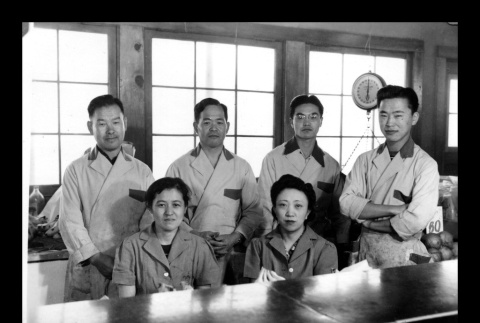
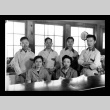
Black and white photograph of Mr. and Mrs. Nabeshima, H. Dairiki, and two incarcerees at the Amache Consumer Enterprises canteen at Amache incarceration camp. From the Amache Co-op Souvenir Album, page 23. See also see also sac_jaac_1530 through sac_jaac_1589. See this object in the California State Universities Japanese American Digitization project site: sac_jaac_1559
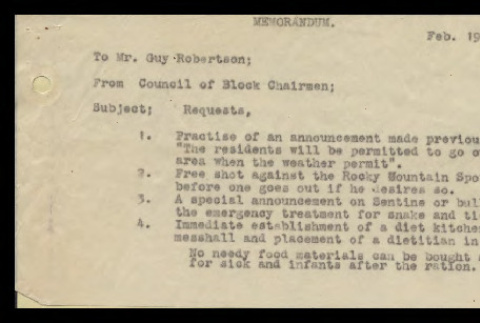
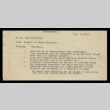
Memorandum of understanding from Heart Mountain Block Chairmen to Guy Robertson, Project Director at Heart Mountain incarceration camp, regarding camp facilities and services. See this object in the California State Universities Japanese American Digitization project site: sac_jaac_0428
Continuing to make grocery deliveries despite restrictions
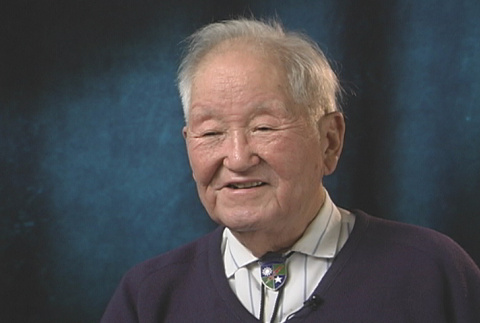
Although Mr. Matsumoto does not identify himself as a Kibei (American-born person of Japanese ancestry sent to Japan for formal education and socialization when young and later returned to the U.S.), some of his life experiences are similar to those who do identify themselves as such.
Although Mr. Matsumoto does not identify himself as a Kibei (American-born person of Japanese ancestry sent to Japan for formal education and socialization when young and later returned to the U.S.), some of his life experiences are similar to those who do identify themselves as such.
Family background: grandparents' immigration to Hawaii
Although Mr. Matsumoto does not identify himself as a Kibei (American-born person of Japanese ancestry sent to Japan for formal education and socialization when young and later returned to the U.S.), some of his life experiences are similar to those who do identify themselves as such.
Tutoring Caucasian junior officers in Japanese language
Although Mr. Matsumoto does not identify himself as a Kibei (American-born person of Japanese ancestry sent to Japan for formal education and socialization when young and later returned to the U.S.), some of his life experiences are similar to those who do identify themselves as such.
Although Mr. Matsumoto does not identify himself as a Kibei (American-born person of Japanese ancestry sent to Japan for formal education and socialization when young and later returned to the U.S.), some of his life experiences are similar to those who do identify themselves as such.
Although Mr. Matsumoto does not identify himself as a Kibei (American-born person of Japanese ancestry sent to Japan for formal education and socialization when young and later returned to the U.S.), some of his life experiences are similar to those who do identify themselves as such.
Although Mr. Matsumoto does not identify himself as a Kibei (American-born person of Japanese ancestry sent to Japan for formal education and socialization when young and later returned to the U.S.), some of his life experiences are similar to those who do identify themselves as such.
Although Mr. Matsumoto does not identify himself as a Kibei (American-born person of Japanese ancestry sent to Japan for formal education and socialization when young and later returned to the U.S.), some of his life experiences are similar to those who do identify themselves as such.
Although Mr. Matsumoto does not identify himself as a Kibei (American-born person of Japanese ancestry sent to Japan for formal education and socialization when young and later returned to the U.S.), some of his life experiences are similar to those who do identify themselves as such.
Although Mr. Matsumoto does not identify himself as a Kibei (American-born person of Japanese ancestry sent to Japan for formal education and socialization when young and later returned to the U.S.), some of his life experiences are similar to those who do identify themselves as such.
Although Mr. Matsumoto does not identify himself as a Kibei (American-born person of Japanese ancestry sent to Japan for formal education and socialization when young and later returned to the U.S.), some of his life experiences are similar to those who do identify themselves as such.
Although Mr. Matsumoto does not identify himself as a Kibei (American-born person of Japanese ancestry sent to Japan for formal education and socialization when young and later returned to the U.S.), some of his life experiences are similar to those who do identify themselves as such.
Although Mr. Matsumoto does not identify himself as a Kibei (American-born person of Japanese ancestry sent to Japan for formal education and socialization when young and later returned to the U.S.), some of his life experiences are similar to those who do identify themselves as such.
Being inducted into the Military Intelligence Service
Although Mr. Matsumoto does not identify himself as a Kibei (American-born person of Japanese ancestry sent to Japan for formal education and socialization when young and later returned to the U.S.), some of his life experiences are similar to those who do identify themselves as such.
Although Mr. Matsumoto does not identify himself as a Kibei (American-born person of Japanese ancestry sent to Japan for formal education and socialization when young and later returned to the U.S.), some of his life experiences are similar to those who do identify themselves as such.
Although Mr. Matsumoto does not identify himself as a Kibei (American-born person of Japanese ancestry sent to Japan for formal education and socialization when young and later returned to the U.S.), some of his life experiences are similar to those who do identify themselves as such.
Although Mr. Matsumoto does not identify himself as a Kibei (American-born person of Japanese ancestry sent to Japan for formal education and socialization when young and later returned to the U.S.), some of his life experiences are similar to those who do identify themselves as such.
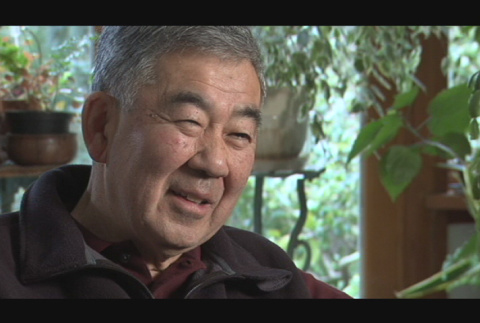
Nisei male born June 23, 1933, in Bainbridge Island, Washington. His family built and operated Bainbridge Gardens, 27 acres of meticulously landscaped property, with a nursery, grocery store and gas station. At the onset of World War II, family moved to Moses Lake to avoid being incarcerated where they farmed and lived amidst a fairly hostile …
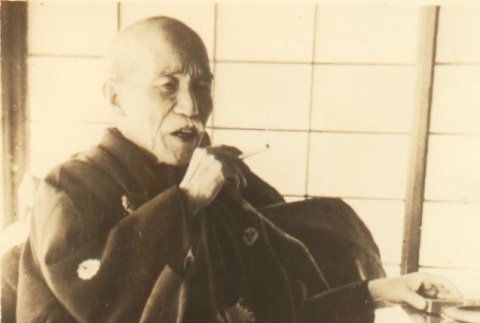
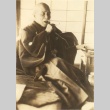
Caption on reverse [translation]: "Drafting Constitution. (Tokyo) February 8, 1938. On the 50th anniversary of the enactment of the constitution, Kentaro Kaneko, who drafted the articles, will be deeply emotional. He is 86 years old and resides in a cottage in Hayama. The photo is Mr. Kaneko at his home."
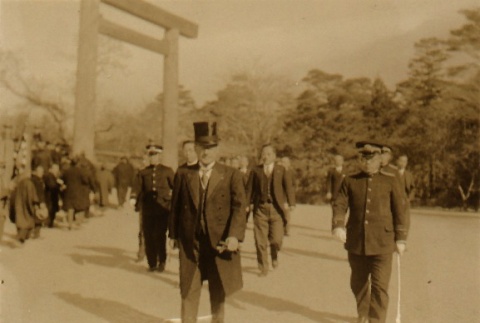
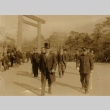
Caption on reverse [translation]: "Kodama visiting the Ise Shrine to report for his new position. January 20, 1940. Minister of home affaris, Mr. Kodama visited the Ise Shrine right after he arrived at Yamada Station at 9:09 a.m. on the 20th. The photo is Minister Kodama visitng the Ise Shrine."