234 items

234 items

vh
Patricia Mariko Morikawa Sakamoto Interview Segment 8 (ddr-manz-1-167-8)
Mother's difficult situation in camp: pregnant and unmarried
vh
Patricia Mariko Morikawa Sakamoto Interview Segment 26 (ddr-manz-1-167-26)
Getting involved with the Manzanar Committee
vh
Patricia Mariko Morikawa Sakamoto Interview Segment 5 (ddr-manz-1-167-5)
Mother's childhood in Los Angeles
vh
Patricia Mariko Morikawa Sakamoto Interview Segment 16 (ddr-manz-1-167-16)
Mother's attempts to get divorced
vh
Patricia Mariko Morikawa Sakamoto Interview Segment 21 (ddr-manz-1-167-21)
Finding out that stepfather was not biological father
vh
Patricia Mariko Morikawa Sakamoto Interview Segment 18 (ddr-manz-1-167-18)
Mother remarries and moves the family to Los Angeles
vh
Patricia Mariko Morikawa Sakamoto Interview Segment 2 (ddr-manz-1-167-2)
Mother's early childhood living with a white family
vh
Patricia Mariko Morikawa Sakamoto Interview Segment 7 (ddr-manz-1-167-7)
Mother's arrival in Manzanar
vh
Patricia Mariko Morikawa Sakamoto Interview Segment 23 (ddr-manz-1-167-23)
Mother's reaction to the redress movement
vh
Patricia Mariko Morikawa Sakamoto Interview Segment 4 (ddr-manz-1-167-4)
Mother's family's move to Los Angeles
vh
Patricia Mariko Morikawa Sakamoto Interview Segment 19 (ddr-manz-1-167-19)
Childhood memories of Los Angeles
vh
Patricia Mariko Morikawa Sakamoto Interview Segment 11 (ddr-manz-1-167-11)
Parents' separation after answering the so-called "loyalty questionnaire"
vh
Patricia Mariko Morikawa Sakamoto Interview Segment 1 (ddr-manz-1-167-1)
Mother's family background
vh
Patricia Mariko Morikawa Sakamoto Interview Segment 13 (ddr-manz-1-167-13)
Older brother's wartime experiences
vh
Patricia Mariko Morikawa Sakamoto Interview Segment 25 (ddr-manz-1-167-25)
Reflecting on mother's wartime experiences
vh
Patricia Mariko Morikawa Sakamoto Interview Segment 14 (ddr-manz-1-167-14)
Father's return to Japan with his family
vh
Patricia Mariko Morikawa Sakamoto Interview Segment 20 (ddr-manz-1-167-20)
Social and recreational activities after the war
vh
Patricia Mariko Morikawa Sakamoto Interview Segment 6 (ddr-manz-1-167-6)
Mother's friendship with Sue Kunitomi
vh
Patricia Mariko Morikawa Sakamoto Interview Segment 12 (ddr-manz-1-167-12)
Mother's experiences in camp: religion, raising children
doc
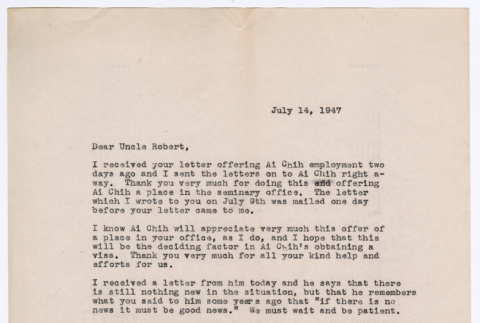
Letter from Ryo Tsai to Robert Cashman (ddr-densho-446-295)
Thank you very much for job offer at Chicago Theological Seminary for Ai Chih Tsai. Hopeful that this will be a deciding factor in his obtaining a visa. ACT wrote that there is no updates on his case from Shanghai.
doc
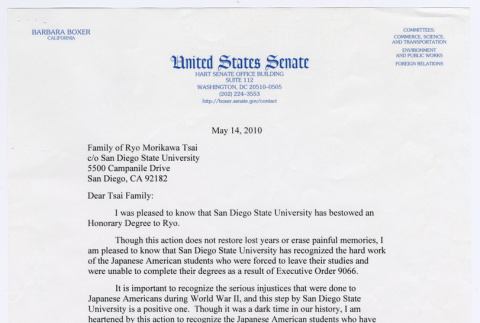
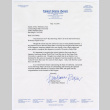
Letter from Senator Barbara Boxer to family of Ryo Morikawa Tsai (ddr-densho-446-364)
Congratulatory letter from Senator Barbara Boxer
doc
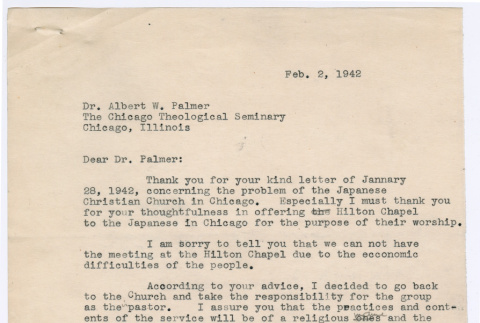
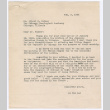
Letter from Ai Chih Tsai to Albert W. Palmer (ddr-densho-446-14)
ACS thanks AWP for concern and use of CTS chapel. ACS will return to lead the church, but CTS chapel is not suitable for congregation's use due to economic difficulties. (Note: ACS and Ryo Morikawa married in the Hilton Chapel, 24 Dec 1942)
img
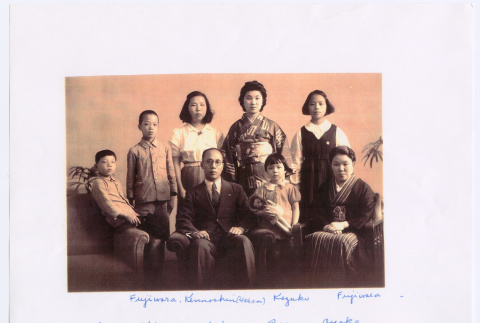
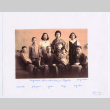
Group Photo of Ryo with Uncle's family (ddr-densho-446-430)
Ryo lived with her Uncle's (Kennoshin Fujiwara) family while attending Keisen. (circa 1940 or 1941)
Collection
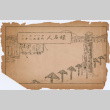
Morikawa Family Collection (ddr-densho-385)
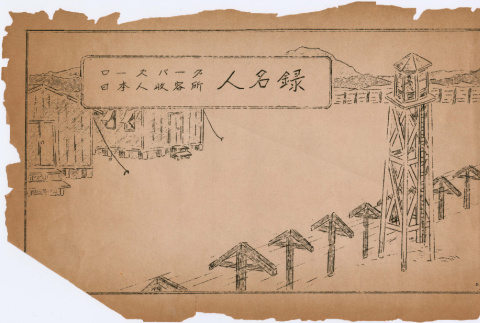
Fujio Morikawa kept a journal while incarcerated at Lordsburg U.S. Army internment camp. In his journal included translations of letters, news articles, and announcements; notes on English grammar and mathematics; essays on different topics; and calligraphy. The collection includes selections of this journal. The collection also includes a roster of Lordsburg inmates; a daily paper from …