
728 items
728 items
img
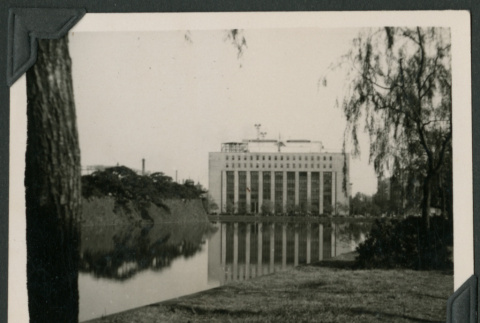
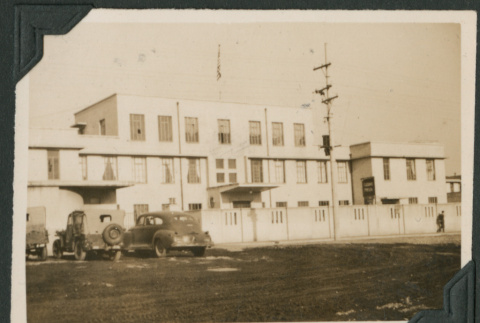
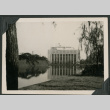
Dai-Ichi Seimei Building (ddr-densho-397-253)
The caption in the photo album reads "Daiichi Bldg". Takashi Matsui was stationed in Japan with the U.S. military during the Allied occupation of Japan after the end of World War II.
img
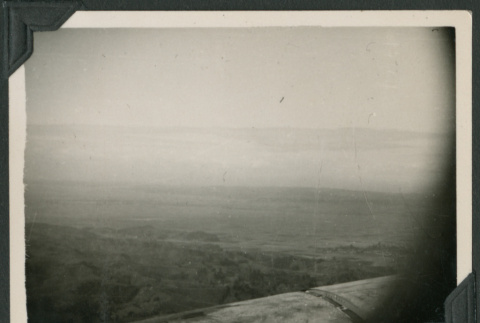
Hokkaido plains (ddr-densho-397-217)
The caption from the photo album reads "Hokkaido plains". Takashi Matsui was stationed in Japan with the U.S. military during the Allied occupation of Japan after the end of World War II.
img
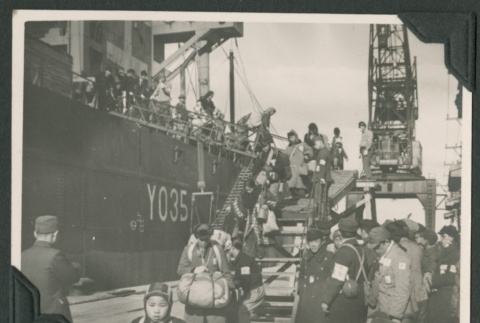
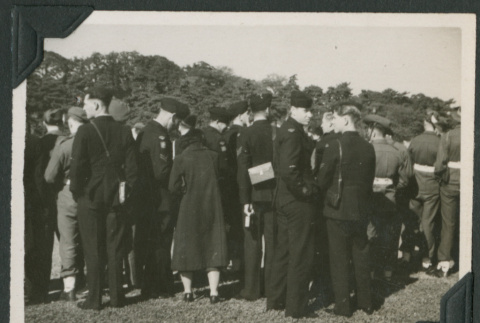
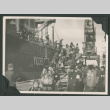
Repatriates arrive in Japan (ddr-densho-397-381)
The caption in the photo album reads "More baggages!". Takashi Matsui was stationed in Japan with the U.S. military during the Allied occupation of Japan after the end of World War II.
doc
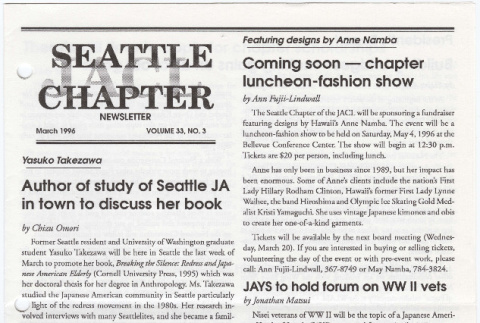
Seattle Chapter, JACL Reporter, Vol. 33, No. 3, March 1996 (ddr-sjacl-1-434)
Newsletter covering the following topics: Seattle JACL to sponsor Anne Namba luncheon/fashion show; Seattle JAYS hold forum at UW on Nisei Vets; article by Jonathan Matsui on Seattle JACL Youth Activities.
img
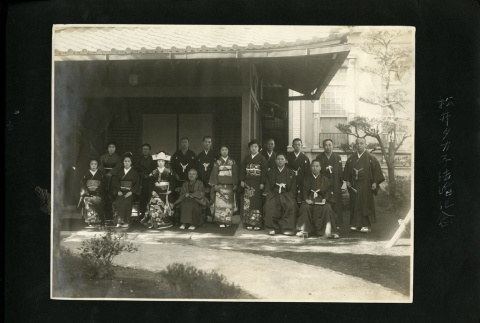
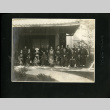
Commemorative photograph of Takako Matsui's wedding (ddr-csujad-25-208)
A page from tthe the Taenaka family photo album. Pasted on the page is a group photograph of the Matsui family and other relatives taken on Takako Matsui's wedding day, most likely in Osaka Japan. Includes Saki, Takako, Ukichi, Yone, Harue, Kinoko, and Yanosuke Matsui. See this object in the California State Universities Japanese American Digitization …
img
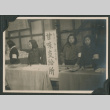
Young repatriates (ddr-densho-397-361)
The caption in the photo album reads "Worse than Evacuation!". Takashi Matsui was stationed in Japan with the U.S. military during the Allied occupation of Japan after the end of World War II.
img
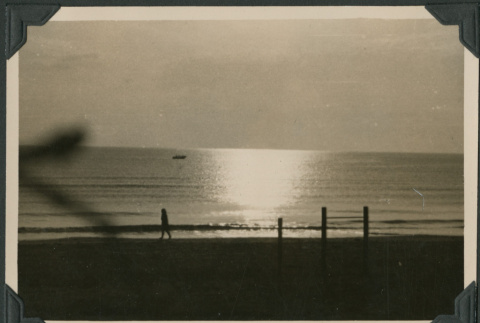
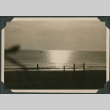
Beach sunset (ddr-densho-397-256)
The caption in the photo album reads "Sunset in Kamakura". Takashi Matsui was stationed in Japan with the U.S. military during the Allied occupation of Japan after the end of World War II.
img
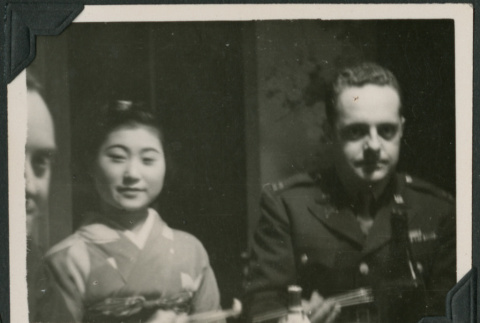
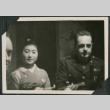
American soldier with Japanese woman (ddr-densho-397-172)
The caption in the photo album reads "Serious Capt. Cross". Takashi Matsui was stationed in Japan with the U.S. military during the Allied occupation of Japan after the end of World War II.
img
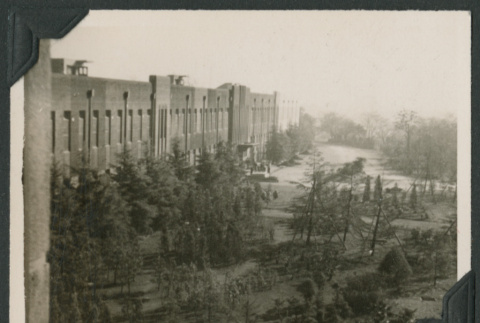
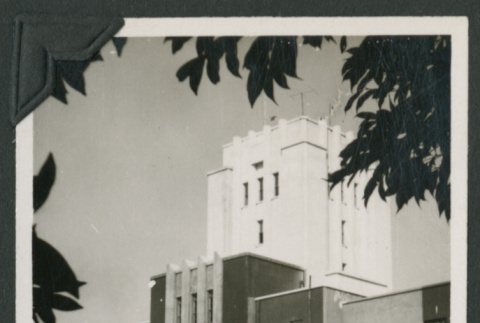
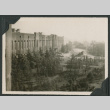
War Ministry Building (ddr-densho-397-123)
The caption in the photo album reads "War Ministry Building". Takashi Matsui was stationed in Japan with the U.S. military during the Allied occupation of Japan after the end of World War II.
img
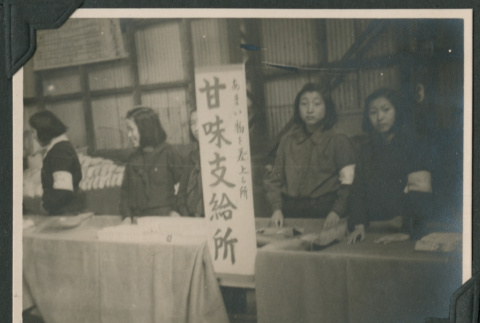
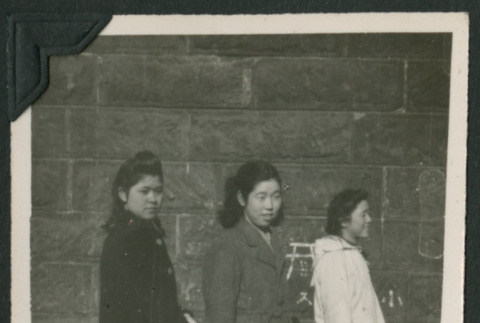
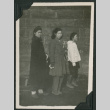
Japanese women (ddr-densho-397-188)
The caption in the photo album reads "Girls of Sapporo". Takashi Matsui was stationed in Japan with the U.S. military during the Allied occupation of Japan after the end of World War II.
img
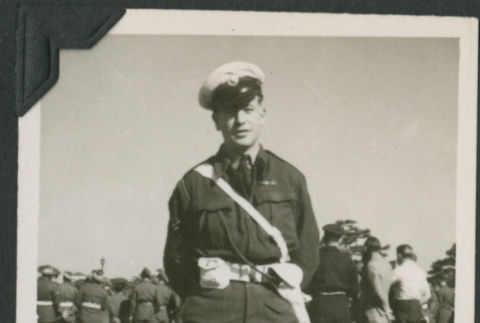
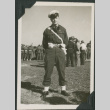
Australian MP (ddr-densho-397-107)
The caption in the photo album reads "An Australian MP". Takashi Matsui was stationed in Japan with the U.S. military during the Allied occupation of Japan after the end of World War II.
img
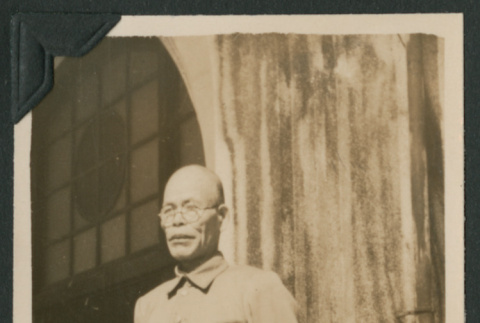
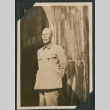
Japanese man (ddr-densho-397-94)
The caption in the photo album reads "Ex Wo Nakaharu". Takashi Matsui was stationed in Japan with the U.S. military during the Allied occupation of Japan after the end of World War II.
img
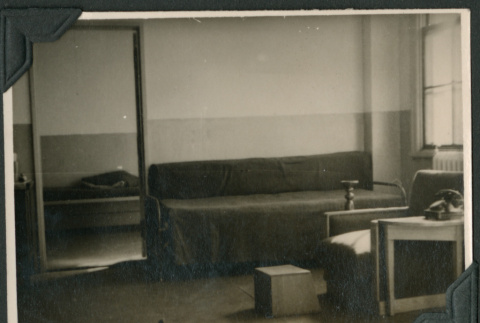
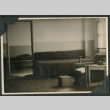
Billet room (ddr-densho-397-288)
The caption in the photo album reads "My foot rest". Takashi Matsui was stationed in Japan with the U.S. military during the Allied occupation of Japan after the end of World War II.
img
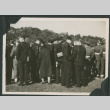
Australian Air Corps (ddr-densho-397-113)
The caption in the photo album reads "Australian Air Corps". Takashi Matsui was stationed in Japan with the U.S. military during the Allied occupation of Japan after the end of World War II.
img
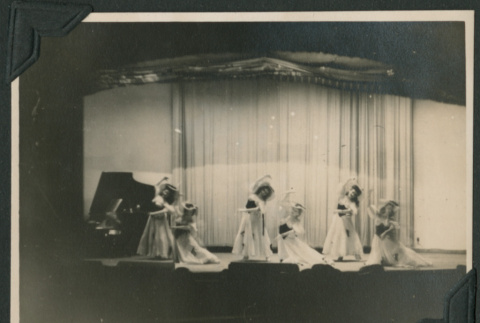
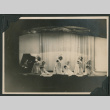
USO Show (ddr-densho-397-295)
The caption in the photo album reads "USO Show COI". Takashi Matsui was stationed in Japan with the U.S. military during the Allied occupation of Japan after the end of World War II.
img
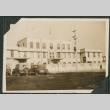
Sugamo Prison (ddr-densho-397-226)
The caption in the photo album reads "Sugamo Prison Tokyo". Takashi Matsui was stationed in Japan with the U.S. military during the Allied occupation of Japan after the end of World War II.
img
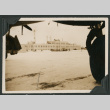
Leaving Hokkaido airfield (ddr-densho-397-221)
The caption in the photo album reads "So long, Chitose". Takashi Matsui was stationed in Japan with the U.S. military during the Allied occupation of Japan after the end of World War II.
img
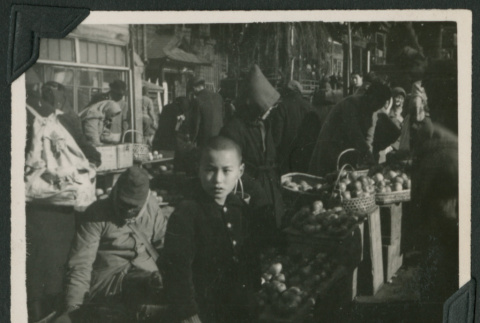
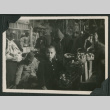
Sapporo market (ddr-densho-397-194)
The caption in the photo album reads "a fruit stand". Takashi Matsui was stationed in Japan with the U.S. military during the Allied occupation of Japan after the end of World War II.
img
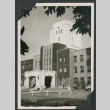
War Ministry Building (ddr-densho-397-125)
The caption in the photo album reads "War Ministry Building". Takashi Matsui was stationed in Japan with the U.S. military during the Allied occupation of Japan after the end of World War II.
img
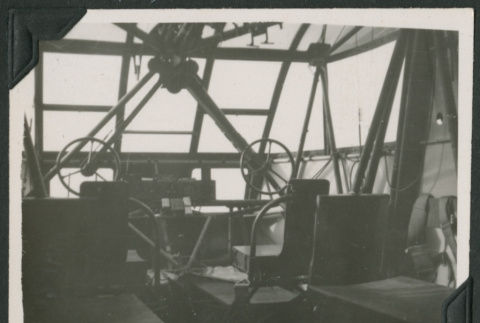
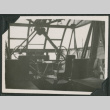
Cockpit of a glider (ddr-densho-397-200)
The caption in the photo album reads "Inside of Glider". Takashi Matsui was stationed in Japan with the U.S. military during the Allied occupation of Japan after the end of World War II.
img
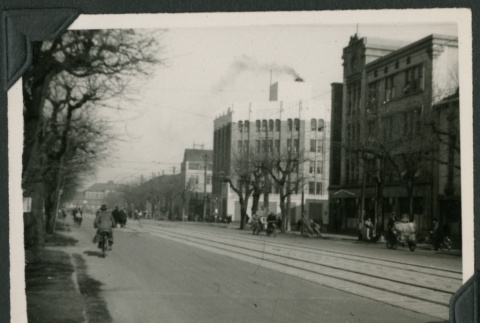
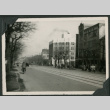
Downtown Sapporo (ddr-densho-397-178)
The caption in the photo album reads "Sapporo's main drag". Takashi Matsui was stationed in Japan with the U.S. military during the Allied occupation of Japan after the end of World War II.
img
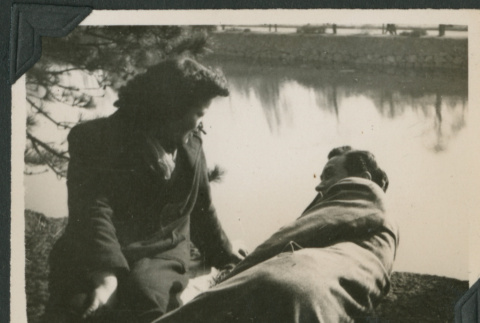
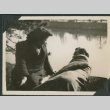
Lounging by Imperial Moat (ddr-densho-397-257)
The caption in the photo album reads "Along Imperial Moat". Takashi Matsui was stationed in Japan with the U.S. military during the Allied occupation of Japan after the end of World War II.
img
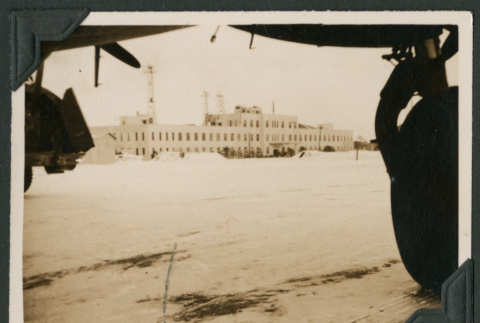
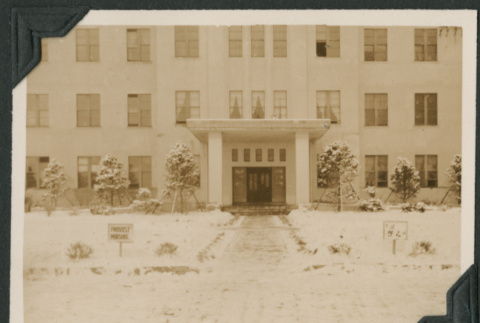
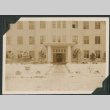
Airfield in Hokkaido (ddr-densho-397-220)
The caption in the photo album reads "HQ Chitose airfield". Takashi Matsui was stationed in Japan with the U.S. military during the Allied occupation of Japan after the end of World War II.
img
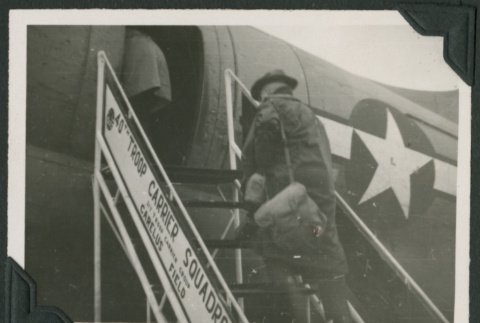
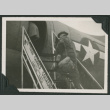
Boarding plane (ddr-densho-397-208)
The caption in the photo album reads "Dr. Cotner boarding". Takashi Matsui was stationed in Japan with the U.S. military during the Allied occupation of Japan after the end of World War II.
vh
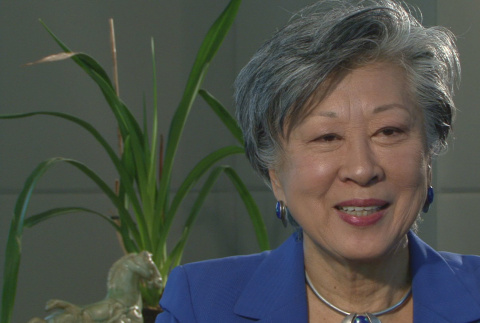
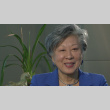
Rose Matsui Ochi Interview I Segment 9 (ddr-densho-1000-276-9)
Mother's role in the family after leaving camp
This material is based upon work assisted by a grant from the Department of the Interior, National Park Service. Any opinions, finding, and conclusions or recommendations expressed in this material are those of the author(s) and do not necessarily reflect the views of the Department of the Interior.