
660 items
660 items
vh
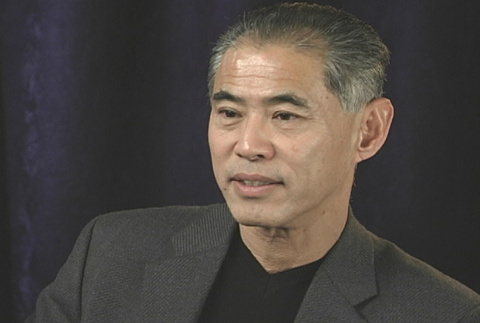
Dale Minami Interview Segment 18 (ddr-densho-1000-141-18)
After passing the bar exam, working to form the Asian Law Caucus
vh
Dale Minami Interview Segment 40 (ddr-densho-1000-141-40)
The government's repeated attempts to delay Korematsu's coram nobis case
vh
Dale Minami Interview Segment 24 (ddr-densho-1000-141-24)
Initial meeting with Peter Irons, introduction to the idea of coram nobis
vh
Dale Minami Interview Segment 26 (ddr-densho-1000-141-26)
Formation of the coram nobis legal teams; discussion of legal strategy
vh
Dale Minami Interview Segment 43 (ddr-densho-1000-141-43)
Thoughts on being the chair of the Civil Liberties Public Education Fund
vh
Dale Minami Interview Segment 29 (ddr-densho-1000-141-29)
Recalling a telephone conversation in which Dale "crossed swords" with Min Yasui
vh
Dale Minami Interview Segment 13 (ddr-densho-1000-141-13)
Enrolling at UC Berkeley Law School during a time of social turmoil
vh
Dale Minami Interview Segment 1 (ddr-densho-1000-141-1)
Family background: maternal and paternal grandparents from Kagoshima and Kumamoto prefectures in Japan
vh
Dale Minami Interview Segment 11 (ddr-densho-1000-141-11)
College years: witnessing the riots in Watts, California, development of racial consciousness
vh
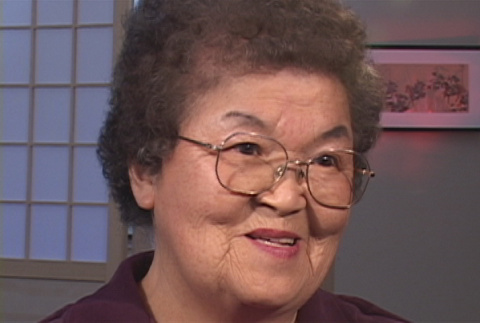
Mabel Shoji Boggs Interview (ddr-one-7-14)
Nisei female. Born August 3, 1920, in Portland, Oregon. Lost father at an early age, and mother and siblings set up a family farm and greenhouse business. During World War II, removed to the Portland Assembly Center, Oregon, and the Minidoka concentration camp, Idaho. After leaving camp, returned to Oregon.
(This material is based upon work …
vh
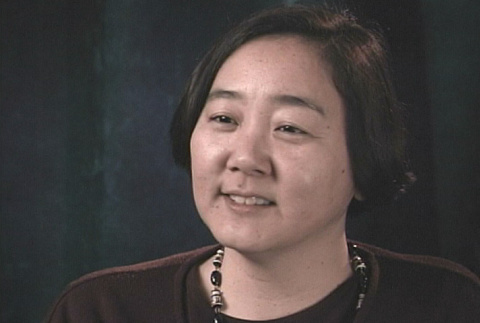
Lorraine Bannai Interview Segment 37 (ddr-densho-1000-113-37)
Finally vindicated: a victory for Fred Korematsu, the legal team, and the entire Japanese American community
vh
Lorraine Bannai Interview Segment 8 (ddr-densho-1000-113-8)
Involvement in the political process through father's campaign
vh
Lorraine Bannai Interview Segment 16 (ddr-densho-1000-113-16)
"Maintaining a connection to the culture" through judo, deciding to go to law school
vh
Lorraine Bannai Interview Segment 36 (ddr-densho-1000-113-36)
Original Supreme Court decision still stands: a continued threat to our civil liberties
vh
Lorraine Bannai Interview Segment 31 (ddr-densho-1000-113-31)
Explanation of skepticisms of and optimism for the law, "the law is a fluid institution"
vh
Lorraine Bannai Interview Segment 10 (ddr-densho-1000-113-10)
Earliest recollections of incarceration: parents' downplaying of camp experience and its impact
vh
Lorraine Bannai Interview Segment 23 (ddr-densho-1000-113-23)
"Conscious of having to be very good," to prove herself as a young, Asian American, female lawyer
vh
Lorraine Bannai Interview Segment 33 (ddr-densho-1000-113-33)
Importance of public education campaign in conjunction with legal efforts, working with Fred Korematsu
vh
Lorraine Bannai Interview Segment 12 (ddr-densho-1000-113-12)
Enjoying high school and consciously avoiding stereotypical role of studious Japanese American girl
vh
Lorraine Bannai Interview Segment 28 (ddr-densho-1000-113-28)
A case for vindication, not money, power of coalition as community comes together seeking redress at the same time
vh
Lorraine Bannai Interview Segment 15 (ddr-densho-1000-113-15)
Increasing awareness of Japanese American community: "I came from a very unique, special culture that had overcome enormous adversity"
vh
Lorraine Bannai Interview Segment 27 (ddr-densho-1000-113-27)
Explanation of legal procedure used in reopening case, writ of error coram nobis, assessing the risks, and support from the community
vh
Lorraine Bannai Interview Segment 35 (ddr-densho-1000-113-35)
Supportive Japanese American community provides financial and emotional support for legal team and also appreciation for long-awaited vindication