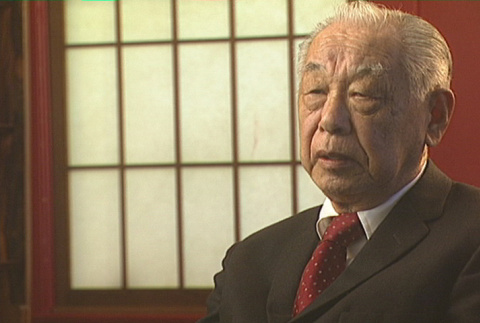
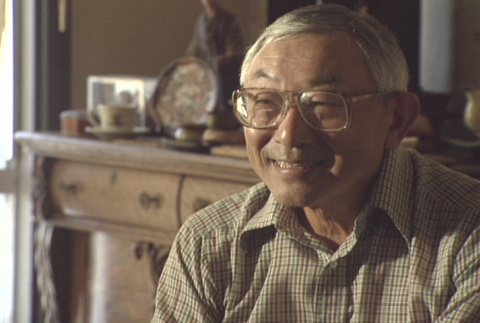
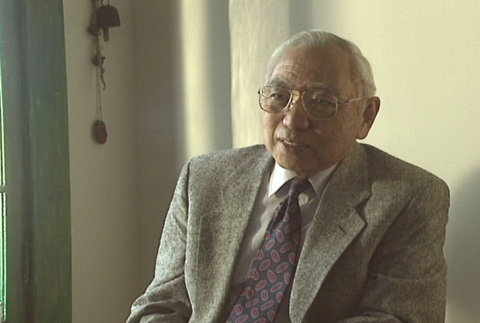
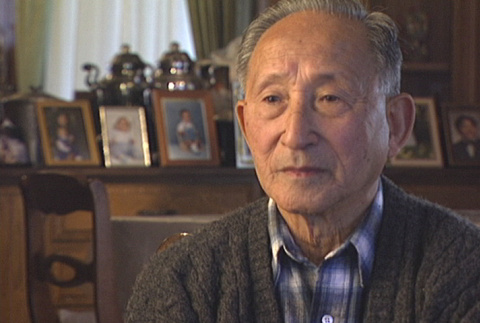
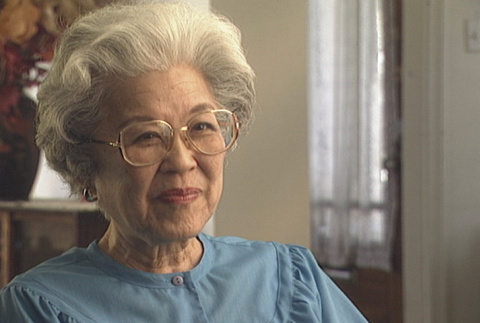
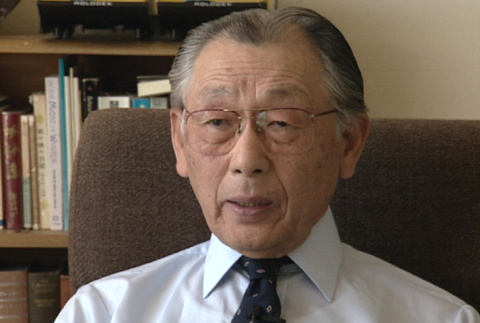
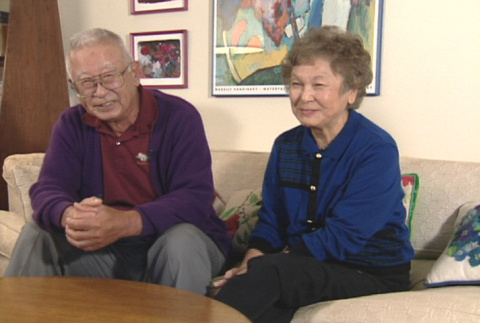
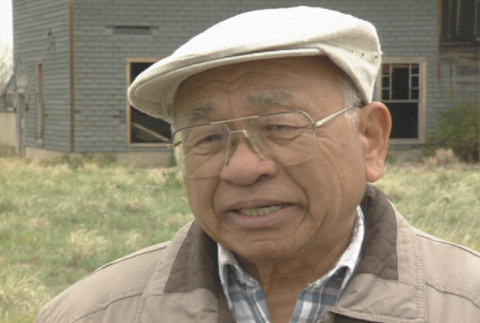
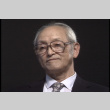
First experience with Nisei journalism: editor of the New Japanese American News in Los Angeles, California
This interview was conducted by sisters Emiko and Chizuko Omori for their 1999 documentary, Rabbit in the Moon, about the Japanese American resisters of conscience in the World War II incarceration camps. As a result, the interviews in this …
Testifying for the Tolan Committee as an outspoken critic of the JACL, and an opponent of mass removal
This interview was conducted by sisters Emiko and Chizuko Omori for their 1999 documentary, Rabbit in the Moon, about the Japanese American resisters of conscience in the World War II incarceration camps. As a result, the interviews …
Involvement in a conflict over editor position and internal politics within the New World Daily newspaper
This interview was conducted by sisters Emiko and Chizuko Omori for their 1999 documentary, Rabbit in the Moon, about the Japanese American resisters of conscience in the World War II incarceration camps. As a result, the interviews in this …
Becoming involved in a conflict between the New World Daily newspaper and the Japanese American Citizens League
This interview was conducted by sisters Emiko and Chizuko Omori for their 1999 documentary, Rabbit in the Moon, about the Japanese American resisters of conscience in the World War II incarceration camps. As a result, the interviews in …
Helping to run the family farm while father was in a sanitarium for tuberculosis; description of the Marysville Assembly Center
This interview was conducted by sisters Emiko and Chizuko Omori for their 1999 documentary, Rabbit in the Moon, about the Japanese American resisters of conscience in the World War II incarceration camps. As a result, …
An opportunity to leave camp for a day to perform onstage for a local high school and Lions Club
This interview was conducted by sisters Emiko and Chizuko Omori for their 1999 documentary, Rabbit in the Moon, about the Japanese American resisters of conscience in the World War II incarceration camps. As a result, the …
Prewar activities: attending the University of Washington, conducting a study of the Seattle Japanese American community for master's thesis
This interview was conducted by sisters Emiko and Chizuko Omori for their 1999 documentary, Rabbit in the Moon, about the Japanese American resisters of conscience in the World War II incarceration camps. As a result, the …
Participating in a research study as an observer and participant through the mass removal and assembly center process
This interview was conducted by sisters Emiko and Chizuko Omori for their 1999 documentary, Rabbit in the Moon, about the Japanese American resisters of conscience in the World War II incarceration camps. As a result, the interviews …
Working to build a pond for the camp residents to enjoy while waiting in line for the mess hall
This interview was conducted by sisters Emiko and Chizuko Omori for their 1999 documentary, Rabbit in the Moon, about the Japanese American resisters of conscience in the World War II incarceration camps. As a result, the …
Answering "no-no" on the so-called "loyalty questionnaire," and being taken to the stockade in Tule Lake concentration camp
This interview was conducted by sisters Emiko and Chizuko Omori for their 1999 documentary, Rabbit in the Moon, about the Japanese American resisters of conscience in the World War II incarceration camps. As a result, the interviews …
A senior in high school when Pearl Harbor bombing took place: "we were treated with a sort of disdain"
This interview was conducted by sisters Emiko and Chizuko Omori for their 1999 documentary, Rabbit in the Moon, about the Japanese American resisters of conscience in the World War II incarceration camps. As a result, the …
Thoughts on some of those who wrote about the incarceration and/or resistance issue: Michi Weglyn, Aiko Herzig and James Omura
This interview was conducted by filmmaker Frank Abe for his 2000 documentary, Conscience and the Constitution, about the World War II resisters of conscience at the Heart Mountain incarceration camp. As a result, the interviews …
The effects of both the resistance movement and the World War II actions of the JACL on Japanese American identity today
This interview was conducted by filmmaker Frank Abe for his 2000 documentary, Conscience and the Constitution, about the World War II resisters of conscience at the Heart Mountain incarceration camp. As a result, the …
Decision to stay out of the limelight: "I don't want to be criticized anymore for what I've done or said many years ago"
This interview was conducted by filmmaker Frank Abe for his 2000 documentary, Conscience and the Constitution, about the World War II resisters of conscience at the Heart Mountain incarceration camp. As a …
Opinion of the Fair Play Committee and the resisters of conscience: "I have nothing but the highest respect for them"
This interview was conducted by filmmaker Frank Abe for his 2000 documentary, Conscience and the Constitution, about the World War II resisters of conscience at the Heart Mountain incarceration camp. As a result, the interviews …
As national director of the JACL, attempting to bridge the gap with resisters, and turn the JACL into a civil rights organization
This interview was conducted by filmmaker Frank Abe for his 2000 documentary, Conscience and the Constitution, about the World War II resisters of conscience at the Heart Mountain incarceration camp. As a result, …
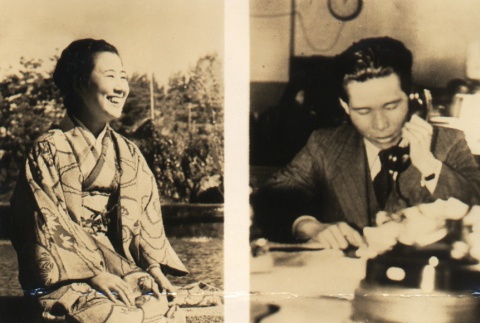
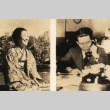
Caption on reverse [translation]: "Athlete Murakoso, who runs alone, is getting married. The bride is Yasuko Kamibayashi. (Kobe) December 20, 1939. The world famous long distance runner Murakoso is getting married. He did his best living by himself, believing "a life is also run alone," until he was 25 years old, but he found a new …
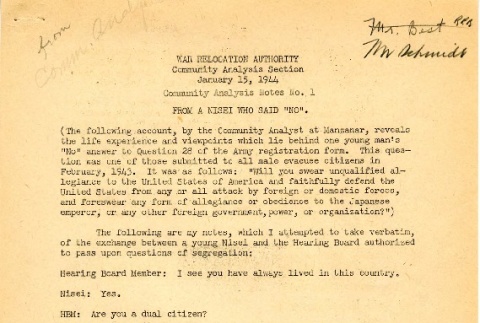
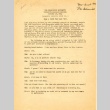
Titled as: From a Nisei who said "No." Account by an unnamed Community Analyst at Manzanar of the "life experience and viewpoints" influencing a young man's "No" response to the Army registration form's Question 28. The account stems from the analyst's notes, reproduced verbatim, from an exchange between the young man and the Hearing Board authorized …
An oral history with Lillie Y. McCabe, an incarceree at the Santa Anita Temporary Assembly Center and the Granada (Amache) incarceration camp. This interview was conducted for the Japanese American Oral History Project by California State University, Fullerton. The interview covers the Anglo reverends and ministers who helped her while she was incarcerated at Amache, how …
Selected article titles: "Five Main Pillars Guide Democracy" (p. 1), "Stabilization Nears in Orient Opinion of Dr. Herbert H. Gowen " (p. 2), "Place to Launch Peace is in Home Says Mrs. Powell" (p. 3), "Resolve" (p. 4), "New Years' in Japan" (p. 5), "Young Must Help Keep Friendship" (p. 6); All Second Generation Invited to …
Nisei male. Born April 14, 1907, in Pauilo, Hawaii. Lived in Japan from 1915 to 1923, and settled on the mainland upon his return to the United States. Was married in 1930, and was removed along with family to Manzanar concentration camp, California, during World War II. While in Manzanar, organized the Mess Hall Workers Union. …
Nisei male. Born December 16, 1916, in Cupertino, California. Attended San Jose State College, where he was an NCAA wrestling champion. Immediately after the bombing of Pearl Harbor, tried to enlist in the U.S. Air Corps, but was refused on account of his Japanese ancestry. Was one semester short of earning a business degree when he …
An oral history with Sumiye Takeno, a current resident of Denver, Colorado. This interview was conducted for the Japanese American Oral History Project by California State University, Fullerton. The purpose of this interview was to gather information regarding Takeno's incarceration and resettlement experience during World War II. Specifically, the interview covers her childhood in Florin, California, …
An oral history with Sumiye Takeno, a current resident of Denver, Colorado. This interview was conducted for the Japanese American Oral History Project by California State University, Fullerton. The purpose of this interview was to gather information regarding Takeno's incarceration and resettlement experience during World War II. Specifically, the interview covers her childhood in Florin, California, …
Life at the Portland Assembly Center: the shame of being visited by former schoolmates
This interview was conducted at the Voices of Japanese American Redress Conference, held on the UCLA campus and sponsored by the UCLA Asian American Studies Center and the UCLA School of Public Policy and Social Research. Because of the full conference schedule, …