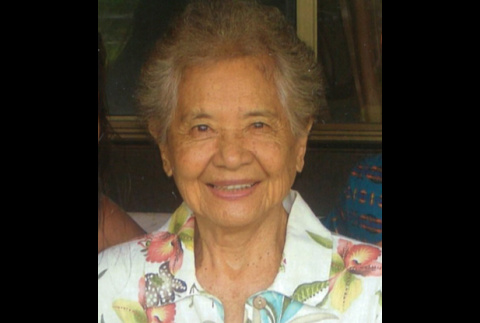
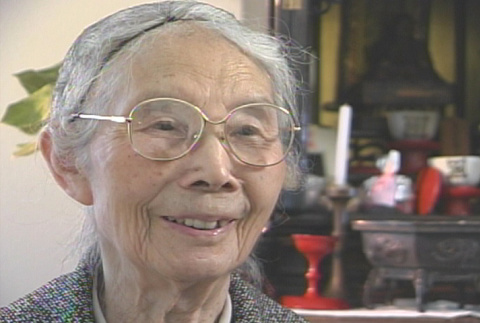
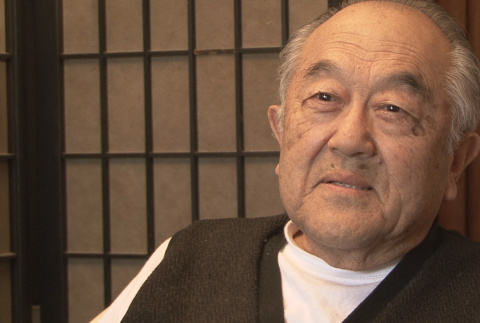
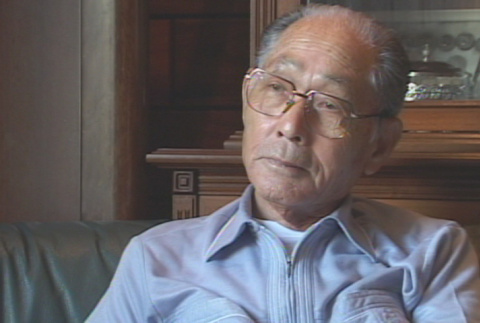
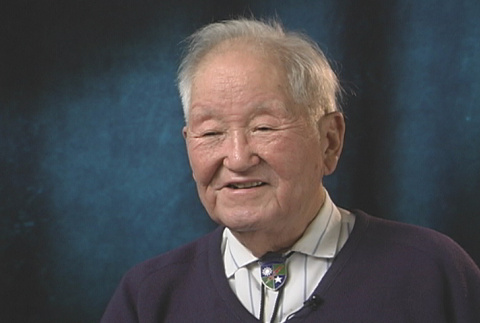
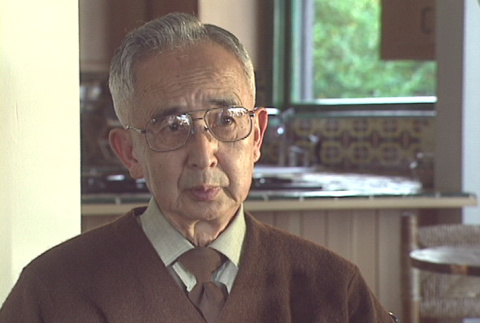
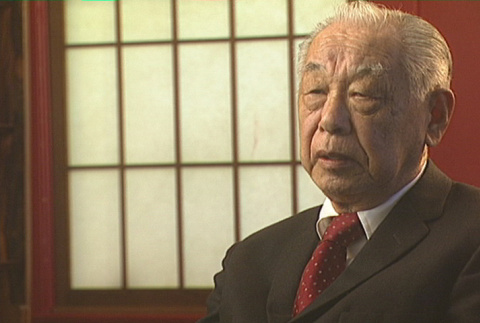
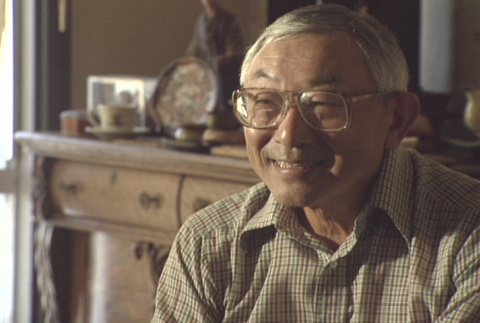
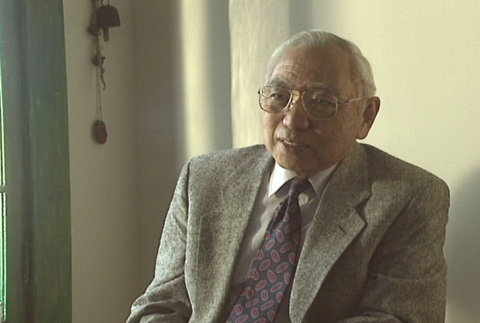
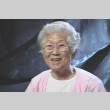
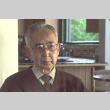
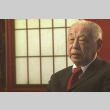
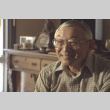
Born in 1921 in Parlier in Fresno County, California, Matsuko Hayashi (pseudonym) grew up as the second oldest of the eight children of a first-generation immigrant who had come to the United States as a sixteen years old, and his wife who had come as a "picture bride." They raised grapes on three farms that Matsuko's …
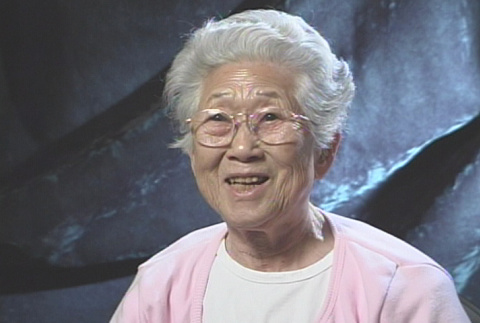
Yuriko Furubayashi was born January 20, 1927, in Waimea, Hawai'i, as one of the ten children of the family. Her father had come to Hawai'i from Hiroshima in the mid-1910s as a contract worker on a pineapple plantation. He grew vegetables and kept chickens around the house to help feed the family. Her mother cooked Japanese …
Daughter's social life and marriage in Salt Lake City, Utah (Japanese language)
This interview was conducted in Japanese and was translated so as to convey Mrs. Terao's way of speaking as closely as possible. For example, there are instances in which she makes some grammatical errors. These mistakes are conveyed through similar grammatical errors in English …
Due to technical difficulties during the taping of this interview, the interviewer's voice is considerably louder than the narrator's. This material is based upon work assisted by a grant from the Department of the Interior, National Park Service. Any opinions, finding, and conclusions or recommendations expressed in this material are those …
Daily life in the Tule Lake stockade (Japanese language)
This interview was conducted in Japanese. The transcript is a translation of the original interview. This material is based upon work assisted by a grant from the Department of the Interior, National Park Service. Any opinions, finding, and conclusions or recommendations expressed in this material are those …
Reflections on life and thoughts on current events (Japanese language)
This interview was conducted in Japanese. The transcript is a translation of the original interview. This material is based upon work assisted by a grant from the Department of the Interior, National Park Service. Any opinions, finding, and conclusions or recommendations expressed in this material are …
A typical day while in high school: waking up at 3 o'clock in the morning to start work, attending school, then studying in the evening
Although Mr. Matsumoto does not identify himself as a Kibei (American-born person of Japanese ancestry sent to Japan for formal education and socialization when young and later returned to the U.S.), …
Life in Tule Lake, giving birth to a son in camp (Japanese language)
This interview was conducted in Japanese. It was translated so as to convey Mrs. Terasaki's way of speaking as closely as possible. For example, there are instances in which she makes some grammatical errors. These mistakes are conveyed through similar grammatical errors in …
Climate of San Francisco, California, at the time of the bombing of Pearl Harbor
This interview was conducted by sisters Emiko and Chizuko Omori for their 1999 documentary, Rabbit in the Moon, about the Japanese American resisters of conscience in the World War II incarceration camps. As a result, the interviews in this collection are …
The ACLU's position on the incarceration, and thoughts on the Japanese American Citizen's League
This interview was conducted by sisters Emiko and Chizuko Omori for their 1999 documentary, Rabbit in the Moon, about the Japanese American resisters of conscience in the World War II incarceration camps. As a result, the interviews in this collection are …
Frustration with the "ambiguous" and "senseless" questions on the so-called "loyalty questionnaire"; posting suggested answers
This interview was conducted by sisters Emiko and Chizuko Omori for their 1999 documentary, Rabbit in the Moon, about the Japanese American resisters of conscience in the World War II incarceration camps. As a result, the interviews in this collection …
Growing up with sister as the only people of Japanese ancestry in a small town
This interview was conducted by sisters Emiko and Chizuko Omori for their 1999 documentary, Rabbit in the Moon, about the Japanese American resisters of conscience in the World War II incarceration camps. As a result, the interviews in this collection …
Thoughts on the Japanese American Citizens League and the organization's involvement in the World War II incarceration
This interview was conducted by sisters Emiko and Chizuko Omori for their 1999 documentary, Rabbit in the Moon, about the Japanese American resisters of conscience in the World War II incarceration camps. As a result, the interviews in …
Thoughts on the bombing of Pearl Harbor, memories of anti-Japanese sentiment in the American press
This interview was conducted by sisters Emiko and Chizuko Omori for their 1999 documentary, Rabbit in the Moon, about the Japanese American resisters of conscience in the World War II incarceration camps. As a result, the interviews in this collection …
Investigated by the FBI as a result of pro-resister editorials in the Rocky Shimpo
This interview was conducted by sisters Emiko and Chizuko Omori for their 1999 documentary, Rabbit in the Moon, about the Japanese American resisters of conscience in the World War II incarceration camps. As a result, the interviews in this collection are …
Family background: father was a stowaway at age nineteen on a ship from Japan to the U.S.
This interview was conducted by sisters Emiko and Chizuko Omori for their 1999 documentary, Rabbit in the Moon, about the Japanese American resisters of conscience in the World War II incarceration camps. As a result, the interviews in …
Publishing a Nisei magazine and working in a flower market when World War II broke out
This interview was conducted by sisters Emiko and Chizuko Omori for their 1999 documentary, Rabbit in the Moon, about the Japanese American resisters of conscience in the World War II incarceration camps. As a result, the interviews in this …
The night before mass removal: having to sleep on the floor, because furniture was gone
This interview was conducted by sisters Emiko and Chizuko Omori for their 1999 documentary, Rabbit in the Moon, about the Japanese American resisters of conscience in the World War II incarceration camps. As a result, the interviews in this collection …
Discussion of decision in camp to renounce U.S. citizenship, family's near-deportation to Japan
This interview was conducted by sisters Emiko and Chizuko Omori for their 1999 documentary, Rabbit in the Moon, about the Japanese American resisters of conscience in the World War II incarceration camps. As a result, the interviews in this collection are typically …
Thoughts on the bombing of Pearl Harbor; preparing for mass removal: slaughtering chickens, disposing of belongings
This interview was conducted by sisters Emiko and Chizuko Omori for their 1999 documentary, Rabbit in the Moon, about the Japanese American resisters of conscience in the World War II incarceration camps. As a result, the interviews in this …
Hearing about the end of the war: "I felt relief that it was over"
This interview was conducted by sisters Emiko and Chizuko Omori for their 1999 documentary, Rabbit in the Moon, about the Japanese American resisters of conscience in the World War II incarceration camps. As a result, the interviews in this collection are …
Deciding to resist the draft registration; memories of the "segregation" period in Tule Lake concentration camp
This interview was conducted by sisters Emiko and Chizuko Omori for their 1999 documentary, Rabbit in the Moon, about the Japanese American resisters of conscience in the World War II incarceration camps. As a result, the interviews in this …
Differences between Nisei and Kibei in regards to the so-called "loyalty questionnaire"; personal reactions
This interview was conducted by sisters Emiko and Chizuko Omori for their 1999 documentary, Rabbit in the Moon, about the Japanese American resisters of conscience in the World War II incarceration camps. As a result, the interviews in this collection are …
Continuing to work on the Japanese Evacuation and Resettlement study postwar during the resettlement period
This interview was conducted by sisters Emiko and Chizuko Omori for their 1999 documentary, Rabbit in the Moon, about the Japanese American resisters of conscience in the World War II incarceration camps. As a result, the interviews in this collection …
The War Relocation Authority's shift in policy: attempt to resettle Japanese Americans outside of camp
This interview was conducted by sisters Emiko and Chizuko Omori for their 1999 documentary, Rabbit in the Moon, about the Japanese American resisters of conscience in the World War II incarceration camps. As a result, the interviews in this collection …