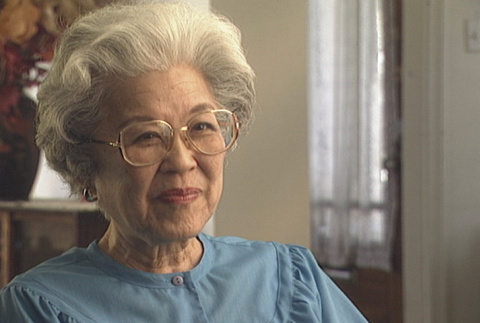
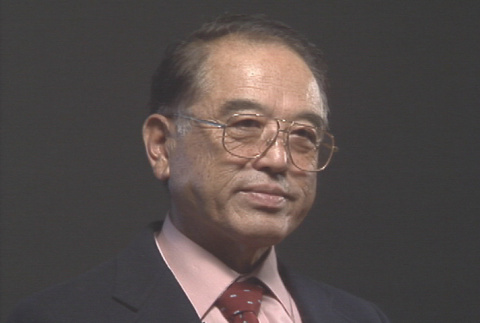
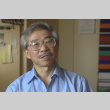
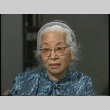
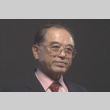
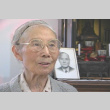
Nisei female. Born August 5, 1924, in Sacramento, California. Grew up in Sacramento and Los Angeles. During World War II, removed to the Manzanar concentration camp, California, and transferred to the Jerome concentration camp, Arkansas. Washington representative and researcher for National Council for Japanese American Redress (NCJAR) and primary archival researcher for Commission on Wartime Relocation …
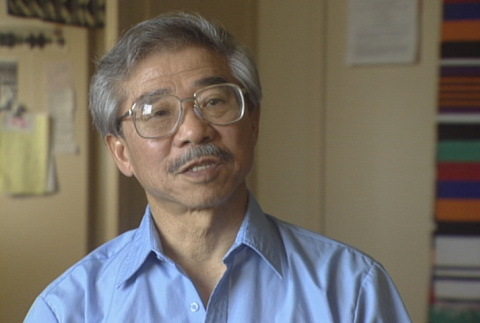
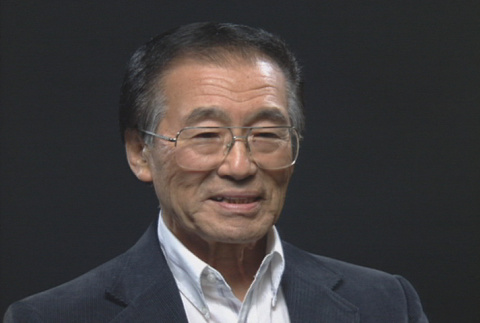
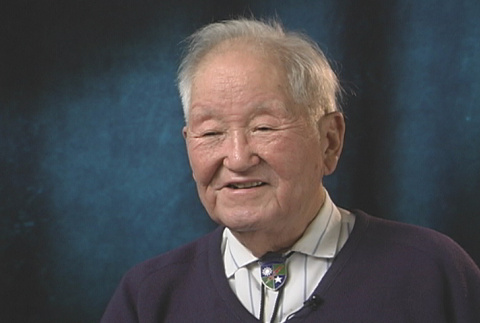
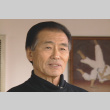
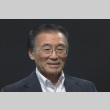
Nisei male. Born October 30, 1926, in small town of Thomas, Washington, on family farm. Attended school in Auburn, Washington, before being removed to the Pinedale Assembly Center and Tule Lake concentration camp, California. Left camp to work in Idaho, and was subsequently joined by family. Postwar, became a social anthropologist, and later became only the …
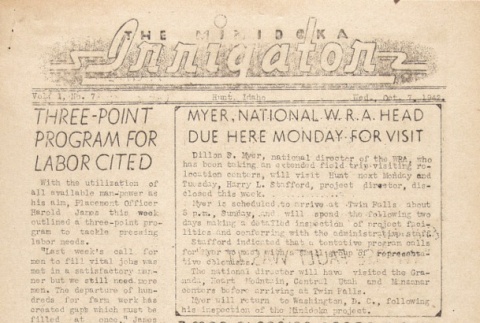
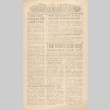
Selected article titles: "Three-Point Program For Labor Cited" (p. 1), "Myer, National W.R.A. Head Due Here Monday for Visit" (p. 1), "7 Man Planning Board Picked Okajima Polls Highest Vote" (p. 1), "Two Voted in Labor Board" (p. 1), "Ten Leave for Domestic Jobs" (p. 1), "Editorial: 'Whose Fault Was It?'" (p. 2), "Family Transfer Forms …
Grace discusses working with her husband-to-be before the war, her husband asking for a divorce (knowing that he would be imprisoned for refusing to serve), her husband Henry's reasons for refusing to serve, her husband's family preventing him from going to college, trying and failing to live outside of camp in Arizona, evacuation and closing her …
Nisei male. Born September 23, 1916, in Los Angeles, California. Attended Los Angeles City College for one year before leaving to run the family produce business. Married and had a daughter before being removed to Pomona Assembly Center, California, and Heart Mountain concentration camp, Wyoming. The leader of Heart Mountain's Fair Play Committee, was convicted of …
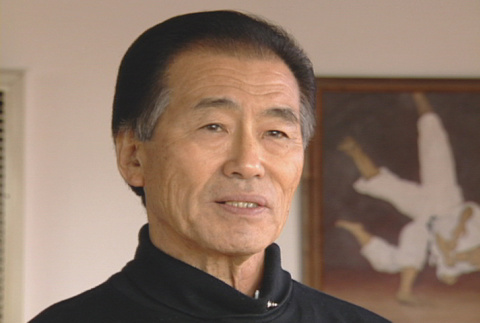
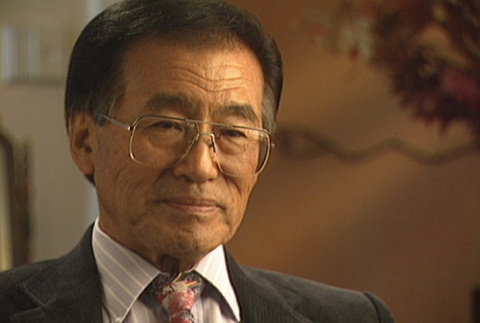
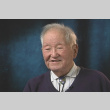
Nisei male. Born August 7, 1924, in Mountain View, California. Grew up in the Santa Clara Valley, California, working on his family's leased strawberry farm. In June of 1942, he was involuntarily "evacuated" to Santa Anita Assembly Center, California, then to Heart Mountain concentration camp, Wyoming. Graduated from high school in camp and at the age …
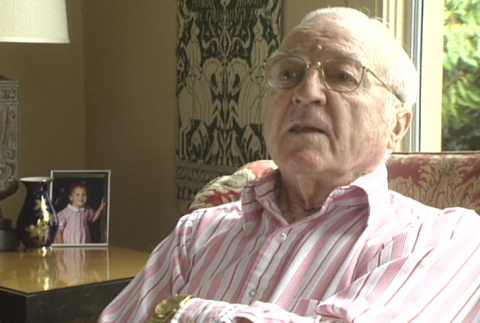
Nisei male. Born September 23, 1916, in Los Angeles, California. Attended Los Angeles City College for one year before leaving to run the family produce business. Married and had a daughter before being removed to Pomona Assembly Center, California, and Heart Mountain concentration camp, Wyoming. The leader of Heart Mountain's Fair Play Committee, was convicted of …
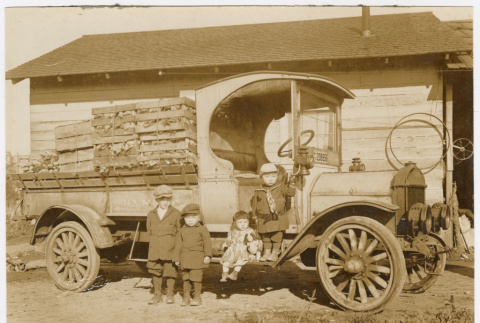
The Tada Family collection consists of documents, correspondence, a photo album, and a scrapbook that together chronicle the lives of the Tada family--and the Kodama family--in Seattle. These detail the family members' business at Pike Place Market, activities with school groups, social life in Seattle, military service in WWII, and their incarceration at Camp Harmony and …
Description of husband's life in America (Japanese language)
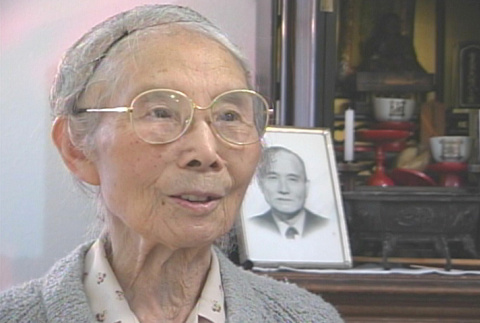
This interview was conducted in Japanese and was translated so as to convey Mrs. Terao's way of speaking as closely as possible. For example, there are instances in which she makes some grammatical errors. These mistakes are conveyed through similar grammatical errors in English in order to recreate …
Story of a relative who was "tricked" by the Japanese government into going to Japan and being drafted into the Japanese army
Although Mr. Matsumoto does not identify himself as a Kibei (American-born person of Japanese ancestry sent to Japan for formal education and socialization when young and later returned to the U.S.), some of his …
Memories of mass removal: traveling to the Santa Anita Assembly Center, becoming head of the "vegetable department" at Santa Anita
Although Mr. Matsumoto does not identify himself as a Kibei (American-born person of Japanese ancestry sent to Japan for formal education and socialization when young and later returned to the U.S.), some of his life experiences …
The mental strain of being surrounded on Nhpum Ga hill; sent on a mission to secretly try to overhear enemy plans
Although Mr. Matsumoto does not identify himself as a Kibei (American-born person of Japanese ancestry sent to Japan for formal education and socialization when young and later returned to the U.S.), some of his life …
Description of relationship between Kibei and Nisei at Camp Savage, Minnesota; thoughts on the level of Japanese language education at the language school
Although Mr. Matsumoto does not identify himself as a Kibei (American-born person of Japanese ancestry sent to Japan for formal education and socialization when young and later returned to the U.S.), some of …
Opinions in San Francisco, California and the ACLU split over issue of incarceration
This interview was conducted by sisters Emiko and Chizuko Omori for their 1999 documentary, Rabbit in the Moon, about the Japanese American resisters of conscience in the World War II incarceration camps. As a result, the interviews in this collection are typically …
Background as a lawyer; involvement in Imperial Valley labor strikes
This interview was conducted by sisters Emiko and Chizuko Omori for their 1999 documentary, Rabbit in the Moon, about the Japanese American resisters of conscience in the World War II incarceration camps. As a result, the interviews in this collection are typically not life histories, …
An act of defiance: threatening to walk out of camp
This interview was conducted by sisters Emiko and Chizuko Omori for their 1999 documentary, Rabbit in the Moon, about the Japanese American resisters of conscience in the World War II incarceration camps. As a result, the interviews in this collection are typically not life histories, …
First impressions of Heart Mountain concentration camp, Wyoming: a "miserable sight"
This interview was conducted by sisters Emiko and Chizuko Omori for their 1999 documentary, Rabbit in the Moon, about the Japanese American resisters of conscience in the World War II incarceration camps. As a result, the interviews in this collection are typically not life …
Deciding to qualify answers to the so-called "loyalty questions"
This interview was conducted by sisters Emiko and Chizuko Omori for their 1999 documentary, Rabbit in the Moon, about the Japanese American resisters of conscience in the World War II incarceration camps. As a result, the interviews in this collection are typically not life histories, instead …
Sending press releases and news bulletins to newspapers outside of camp
This interview was conducted by sisters Emiko and Chizuko Omori for their 1999 documentary, Rabbit in the Moon, about the Japanese American resisters of conscience in the World War II incarceration camps. As a result, the interviews in this collection are typically not life …
Talking about resister status postwar; discussion of principles involved in becoming a resister
This interview was conducted by sisters Emiko and Chizuko Omori for their 1999 documentary, Rabbit in the Moon, about the Japanese American resisters of conscience in the World War II incarceration camps. As a result, the interviews in this collection are typically …
Reflections: pardoned in 1947; thoughts on the American justice system
This interview was conducted by sisters Emiko and Chizuko Omori for their 1999 documentary, Rabbit in the Moon, about the Japanese American resisters of conscience in the World War II incarceration camps. As a result, the interviews in this collection are typically not life histories, …
The resisters' story: experiences in jail, the trial of sixty-three
This interview was conducted by sisters Emiko and Chizuko Omori for their 1999 documentary, Rabbit in the Moon, about the Japanese American resisters of conscience in the World War II incarceration camps. As a result, the interviews in this collection are typically not life histories, …
Attending hearings regarding qualified answers to the so-called "loyalty questions"
This interview was conducted by sisters Emiko and Chizuko Omori for their 1999 documentary, Rabbit in the Moon, about the Japanese American resisters of conscience in the World War II incarceration camps. As a result, the interviews in this collection are typically not life histories, …
Memories of mass removal: "it was kind of a frustrating and disappointing time"
This interview was conducted by sisters Emiko and Chizuko Omori for their 1999 documentary, Rabbit in the Moon, about the Japanese American resisters of conscience in the World War II incarceration camps. As a result, the interviews in this collection are typically …
Discussion of the establishment of the draft for Japanese Americans in camp
This interview was conducted by sisters Emiko and Chizuko Omori for their 1999 documentary, Rabbit in the Moon, about the Japanese American resisters of conscience in the World War II incarceration camps. As a result, the interviews in this collection are typically not …