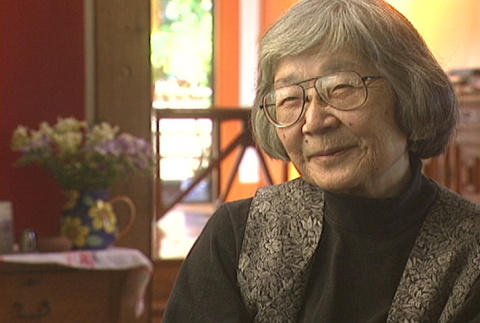
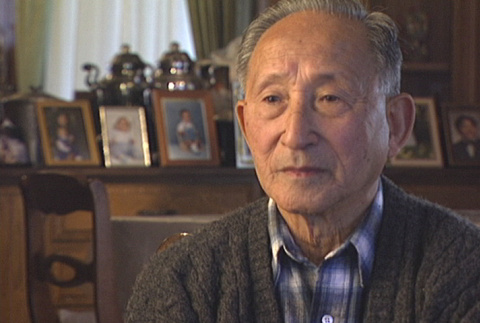
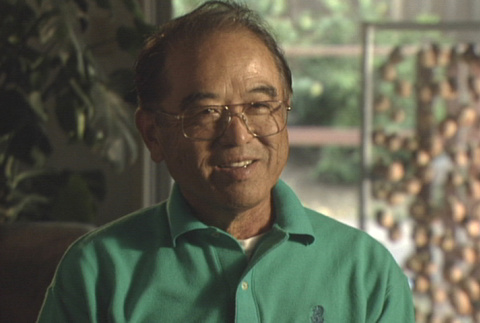
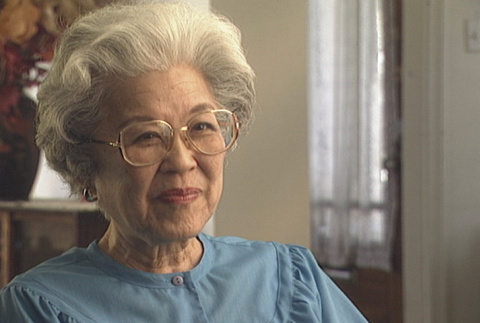
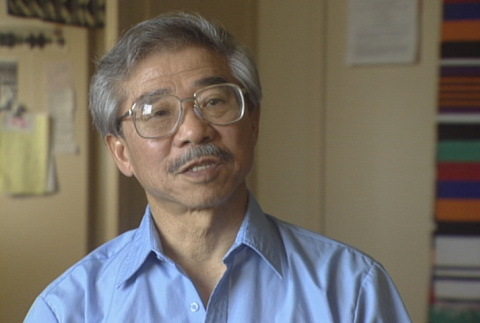
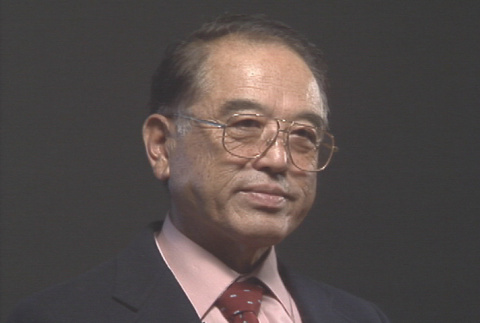
This interview was conducted by sisters Emiko and Chizuko Omori for their 1999 documentary, Rabbit in the Moon, about the Japanese American resisters of conscience in the World War II incarceration camps. As a result, the interviews in this collection are typically not life histories, instead primarily focusing on …
This interview was conducted by sisters Emiko and Chizuko Omori for their 1999 documentary, Rabbit in the Moon, about the Japanese American resisters of conscience in the World War II incarceration camps. As a result, the interviews in this collection are typically not life histories, instead primarily focusing …
Discussion of accused "informers" for the camp administration
This interview was conducted by sisters Emiko and Chizuko Omori for their 1999 documentary, Rabbit in the Moon, about the Japanese American resisters of conscience in the World War II incarceration camps. As a result, the interviews in this collection are typically not life histories, instead primarily …
Being accused of assaulting a suspected camp "informer"
This interview was conducted by sisters Emiko and Chizuko Omori for their 1999 documentary, Rabbit in the Moon, about the Japanese American resisters of conscience in the World War II incarceration camps. As a result, the interviews in this collection are typically not life histories, instead primarily …
Description of organization of mess hall workers in Manzanar
This interview was conducted by sisters Emiko and Chizuko Omori for their 1999 documentary, Rabbit in the Moon, about the Japanese American resisters of conscience in the World War II incarceration camps. As a result, the interviews in this collection are typically not life histories, instead …
Memories of Leupp, Arizona: the registration period
This interview was conducted by sisters Emiko and Chizuko Omori for their 1999 documentary, Rabbit in the Moon, about the Japanese American resisters of conscience in the World War II incarceration camps. As a result, the interviews in this collection are typically not life histories, instead primarily focusing …
Reflections; inaccuracies in the movie "Farewell to Manzanar"
This interview was conducted by sisters Emiko and Chizuko Omori for their 1999 documentary, Rabbit in the Moon, about the Japanese American resisters of conscience in the World War II incarceration camps. As a result, the interviews in this collection are typically not life histories, instead primarily …
This interview was conducted by sisters Emiko and Chizuko Omori for their 1999 documentary, Rabbit in the Moon, about the Japanese American resisters of conscience in the World War II incarceration camps. As a result, the interviews in this collection are typically not life histories, instead primarily focusing on …
Brother's military service; being pardoned in 1947
This interview was conducted by sisters Emiko and Chizuko Omori for their 1999 documentary, Rabbit in the Moon, about the Japanese American resisters of conscience in the World War II incarceration camps. As a result, the interviews in this collection are typically not life histories, instead primarily focusing …
This interview was conducted by sisters Emiko and Chizuko Omori for their 1999 documentary, Rabbit in the Moon, about the Japanese American resisters of conscience in the World War II incarceration camps. As a result, the interviews in this collection are typically not life histories, instead primarily focusing on …
Remembering the "Manzanar riot": "it was worrisome"
This interview was conducted by sisters Emiko and Chizuko Omori for their 1999 documentary, Rabbit in the Moon, about the Japanese American resisters of conscience in the World War II incarceration camps. As a result, the interviews in this collection are typically not life histories, instead primarily focusing …
Family background: parents worked hard before World War II
This interview was conducted by sisters Emiko and Chizuko Omori for their 1999 documentary, Rabbit in the Moon, about the Japanese American resisters of conscience in the World War II incarceration camps. As a result, the interviews in this collection are typically not life histories, instead …
This interview was conducted by sisters Emiko and Chizuko Omori for their 1999 documentary, Rabbit in the Moon, about the Japanese American resisters of conscience in the World War II incarceration camps. As a result, the interviews in this collection are typically not life histories, instead …
First impressions of Manzanar, California: "it was so depressing"
This interview was conducted by sisters Emiko and Chizuko Omori for their 1999 documentary, Rabbit in the Moon, about the Japanese American resisters of conscience in the World War II incarceration camps. As a result, the interviews in this collection are typically not life histories, instead …
This interview was conducted by sisters Emiko and Chizuko Omori for their 1999 documentary, Rabbit in the Moon, about the Japanese American resisters of conscience in the World War II incarceration camps. As a result, the interviews in this collection are typically not life histories, instead primarily focusing on …
This interview was conducted by sisters Emiko and Chizuko Omori for their 1999 documentary, Rabbit in the Moon, about the Japanese American resisters of conscience in the World War II incarceration camps. As a result, the interviews in this collection are typically not life histories, instead primarily focusing …
This interview was conducted by sisters Emiko and Chizuko Omori for their 1999 documentary, Rabbit in the Moon, about the Japanese American resisters of conscience in the World War II incarceration camps. As a result, the interviews in this collection are typically not life histories, instead primarily …
Discussion of the effects of incarceration on Japanese Americans
This interview was conducted by sisters Emiko and Chizuko Omori for their 1999 documentary, Rabbit in the Moon, about the Japanese American resisters of conscience in the World War II incarceration camps. As a result, the interviews in this collection are typically not life histories, instead …
This interview was conducted by sisters Emiko and Chizuko Omori for their 1999 documentary, Rabbit in the Moon, about the Japanese American resisters of conscience in the World War II incarceration camps. As a result, the interviews in this collection are typically not life histories, instead primarily focusing …
Description of brother Gordon Hirabayashi's wartime stand and trial
This interview was conducted by sisters Emiko and Chizuko Omori for their 1999 documentary, Rabbit in the Moon, about the Japanese American resisters of conscience in the World War II incarceration camps. As a result, the interviews in this collection are typically not life histories, instead …
This interview was conducted by sisters Emiko and Chizuko Omori for their 1999 documentary, Rabbit in the Moon, about the Japanese American resisters of conscience in the World War II incarceration camps. As a result, the interviews in this collection are typically not life histories, instead primarily focusing …
The journey to Pinedale Assembly Center, California
This interview was conducted by sisters Emiko and Chizuko Omori for their 1999 documentary, Rabbit in the Moon, about the Japanese American resisters of conscience in the World War II incarceration camps. As a result, the interviews in this collection are typically not life histories, instead primarily focusing …
Memories of Pinedale Assembly Center: playing sports, attending school
This interview was conducted by sisters Emiko and Chizuko Omori for their 1999 documentary, Rabbit in the Moon, about the Japanese American resisters of conscience in the World War II incarceration camps. As a result, the interviews in this collection are typically not life histories, instead …
The influence of the Rocky Shimpo on decision to resist
This interview was conducted by filmmaker Frank Abe for his 2000 documentary, Conscience and the Constitution, about the World War II resisters of conscience at the Heart Mountain incarceration camp. As a result, the interviews in this collection are typically not life histories, instead primarily …
Thoughts on the relationship between resisters and veterans
This interview was conducted by filmmaker Frank Abe for his 2000 documentary, Conscience and the Constitution, about the World War II resisters of conscience at the Heart Mountain incarceration camp. As a result, the interviews in this collection are typically not life histories, instead primarily focusing on …