Talking with resisters postwar about their experiences
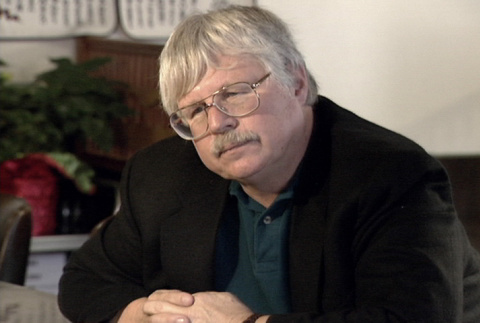
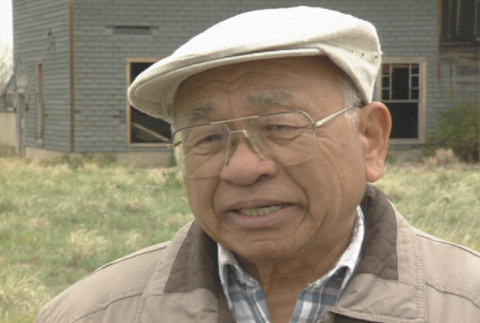
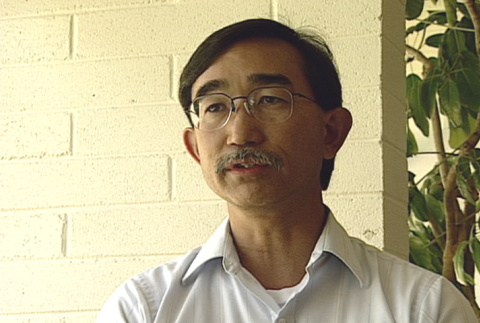
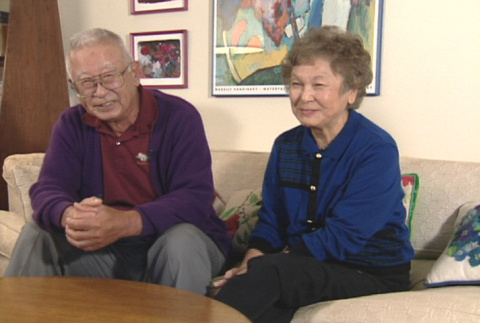
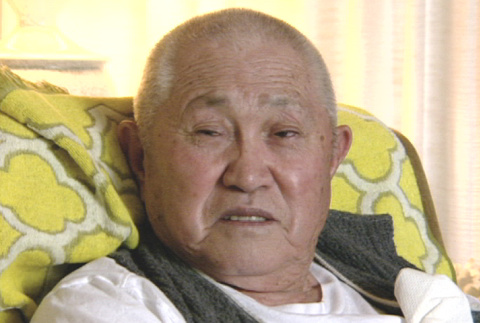
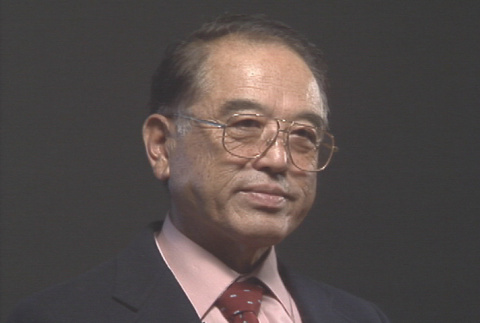
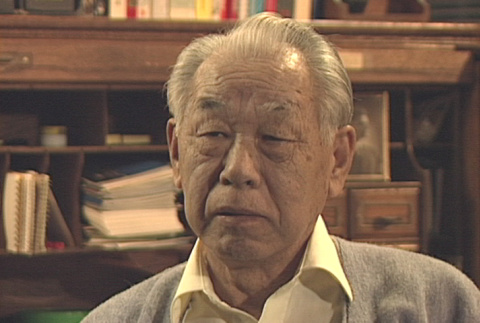
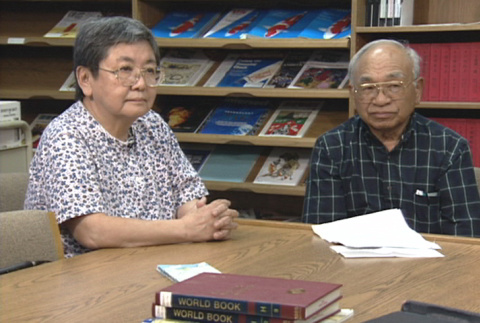
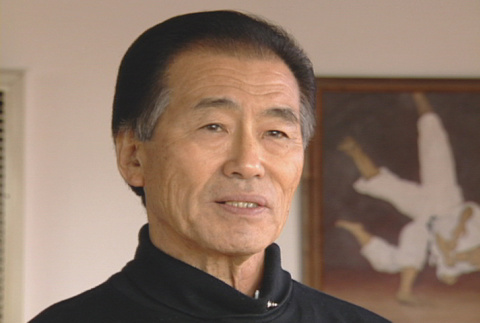
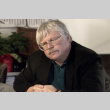
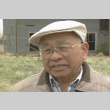
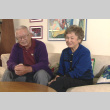
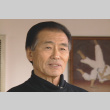
This interview was conducted by filmmaker Frank Abe for his 2000 documentary, Conscience and the Constitution, about the World War II resisters of conscience at the Heart Mountain incarceration camp. As a result, the interviews in this collection are typically not life histories, instead primarily focusing on issues …
This interview was conducted by filmmaker Frank Abe for his 2000 documentary, Conscience and the Constitution, about the World War II resisters of conscience at the Heart Mountain incarceration camp. As a result, the interviews in this collection are typically not life histories, instead primarily focusing on issues surrounding …
This interview was conducted by filmmaker Frank Abe for his 2000 documentary, Conscience and the Constitution, about the World War II resisters of conscience at the Heart Mountain incarceration camp. As a result, the interviews in this collection are typically not life histories, instead primarily focusing on issues surrounding the resistance …
This interview was conducted by filmmaker Frank Abe for his 2000 documentary, Conscience and the Constitution, about the World War II resisters of conscience at the Heart Mountain incarceration camp. As a result, the interviews in this collection are typically not life histories, instead primarily focusing on issues surrounding …
This interview was conducted by filmmaker Frank Abe for his 2000 documentary, Conscience and the Constitution, about the World War II resisters of conscience at the Heart Mountain incarceration camp. As a result, the interviews in this collection are typically not life histories, instead primarily focusing on issues surrounding …
This interview was conducted by filmmaker Frank Abe for his 2000 documentary, Conscience and the Constitution, about the World War II resisters of conscience at the Heart Mountain incarceration camp. As a result, the interviews in this collection are typically not life histories, instead primarily focusing on issues surrounding the …
This interview was conducted by filmmaker Frank Abe for his 2000 documentary, Conscience and the Constitution, about the World War II resisters of conscience at the Heart Mountain incarceration camp. As a result, the interviews in this collection are typically not life histories, instead primarily focusing on issues …
This interview was conducted by filmmaker Frank Abe for his 2000 documentary, Conscience and the Constitution, about the World War II resisters of conscience at the Heart Mountain incarceration camp. As a result, the interviews in this collection are typically not life histories, instead primarily focusing on issues …
This interview was conducted by filmmaker Frank Abe for his 2000 documentary, Conscience and the Constitution, about the World War II resisters of conscience at the Heart Mountain incarceration camp. As a result, the interviews in this collection are typically not life histories, instead primarily focusing on issues surrounding the …
This interview was conducted by filmmaker Frank Abe for his 2000 documentary, Conscience and the Constitution, about the World War II resisters of conscience at the Heart Mountain incarceration camp. As a result, the interviews in this collection are typically not life histories, instead primarily focusing on issues surrounding …
This interview was conducted by filmmaker Frank Abe for his 2000 documentary, Conscience and the Constitution, about the World War II resisters of conscience at the Heart Mountain incarceration camp. As a result, the interviews in this collection are typically not life histories, instead primarily focusing on issues …
This interview was conducted by filmmaker Frank Abe for his 2000 documentary, Conscience and the Constitution, about the World War II resisters of conscience at the Heart Mountain incarceration camp. As a result, the interviews in this collection are typically not life histories, instead primarily focusing on issues …
This interview was conducted by filmmaker Frank Abe for his 2000 documentary, Conscience and the Constitution, about the World War II resisters of conscience at the Heart Mountain incarceration camp. As a result, the interviews in this collection are typically not life histories, instead primarily focusing on issues surrounding the …
This interview was conducted by filmmaker Frank Abe for his 2000 documentary, Conscience and the Constitution, about the World War II resisters of conscience at the Heart Mountain incarceration camp. As a result, the interviews in this collection are typically not life histories, instead primarily focusing on issues surrounding …
This interview was conducted by filmmaker Frank Abe for his 2000 documentary, Conscience and the Constitution, about the World War II resisters of conscience at the Heart Mountain incarceration camp. As a result, the interviews in this collection are typically not life histories, instead primarily focusing on issues …
Writing about Heart Mountain's Fair Play Committee
This interview was conducted by filmmaker Frank Abe for his 2000 documentary, Conscience and the Constitution, about the World War II resisters of conscience at the Heart Mountain incarceration camp. As a result, the interviews in this collection are typically not life histories, instead primarily focusing on issues …
This interview was conducted by filmmaker Frank Abe for his 2000 documentary, Conscience and the Constitution, about the World War II resisters of conscience at the Heart Mountain incarceration camp. As a result, the interviews in this collection are typically not life histories, instead primarily focusing on issues …
This interview was conducted by filmmaker Frank Abe for his 2000 documentary, Conscience and the Constitution, about the World War II resisters of conscience at the Heart Mountain incarceration camp. As a result, the interviews in this collection are typically not life histories, instead primarily focusing on issues surrounding …
This interview was conducted by filmmaker Frank Abe for his 2000 documentary, Conscience and the Constitution, about the World War II resisters of conscience at the Heart Mountain incarceration camp. As a result, the interviews in this collection are typically not life histories, instead primarily focusing on issues surrounding the …
This interview was conducted by filmmaker Frank Abe for his 2000 documentary, Conscience and the Constitution, about the World War II resisters of conscience at the Heart Mountain incarceration camp. As a result, the interviews in this collection are typically not life histories, instead primarily focusing on issues surrounding …
This interview was conducted by filmmaker Frank Abe for his 2000 documentary, Conscience and the Constitution, about the World War II resisters of conscience at the Heart Mountain incarceration camp. As a result, the interviews in this collection are typically not life histories, instead primarily focusing on issues surrounding the …
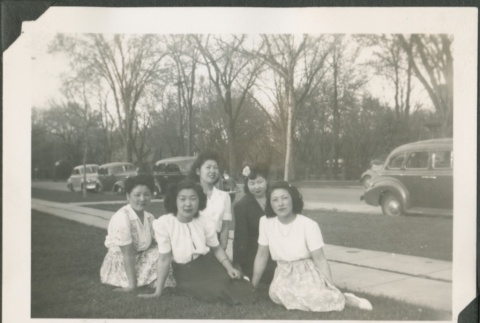
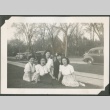
The Umeyo Sakagami Collection consists of photographs from four albums ranging in date from the 1930s to the 1950s. Topics include: life in the Pacific Northwest before the war, experiences in the camps, Umeyo Sakagami's brothers' (Masao and Matsuo) service in the 442nd Regimental Combat Team and the Military Intelligence Service, her travels after the war …
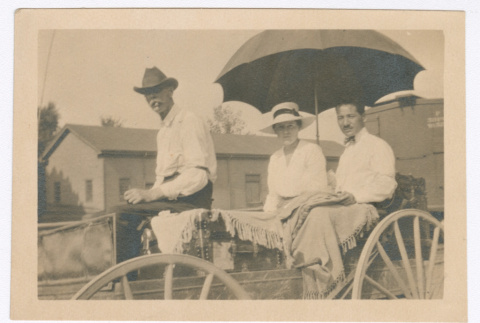
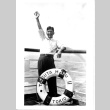
The Thomas and Agnes Rockrise collection consists of letters, photographs, and ephemera. These materials cover their life in New York City and upstate New York. Thomas Rockrise was an architect. He practiced under both his English name, Thomas S Rockrise, and his Japanese name, Iwahiko Tsumanuma. Agnes (Asbury) Rockrise worked a practical nurse and companion in …
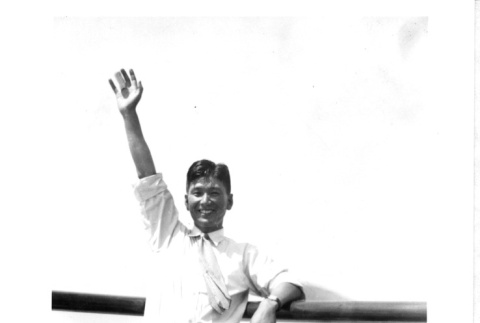
The Japanese American Archival Collection documents the people, places, and daily life of Japanese Americans, primarily those who lived in the once thriving community of pre-war Florin in the Sacramento region, as well as the conditions in American incarceration camps during World War II. The approximately 7,000 original items include personal and official letters, photographs, diaries, …
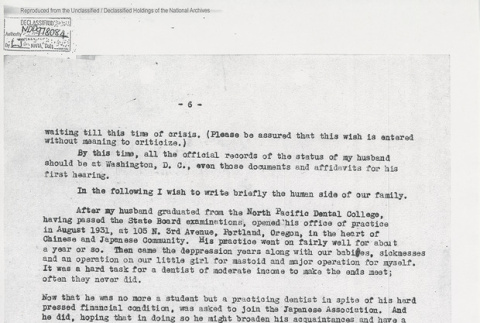
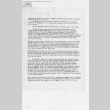
Photocopy of a typed letter from Teru Koyama to Edward J. Ennis concerning the rehearing of Keizaburo Koyama's case. Mrs. Koyama then moves on to the more personal side of her husband's life. She speaks briefly on how difficult the Great Depression was for the family due to being a new dentist, her illness and the …