A letter from Ayame Okine to her parents-in-law, Seiichi and Tomeyo Okine. In the letter, Ayame writes about her sister-in-law, Hatsuno Hotty Okine who works at a Caucasian family's place and is getting married to Masuo Robert Befu soon. She also updates on her life in Illinois, working for 12 hours with fifteen to sixteen people …
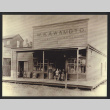
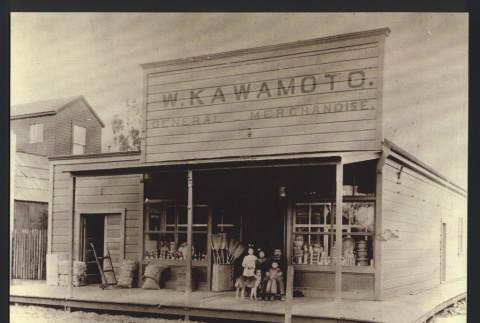
W. Kawamoto general merchandise store. erso reads: Mr. Wakichi Kawamoto and children, L to R Chiyeko, Matsuko, Wakichi, Takeo. Life history of this store in Florin, CA. This photo of general merchandise store which was opened and operated by Mr. Wakichi Kawamoto in Florin, California some time in early 1900. This establishment was later sold to …
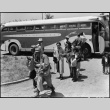
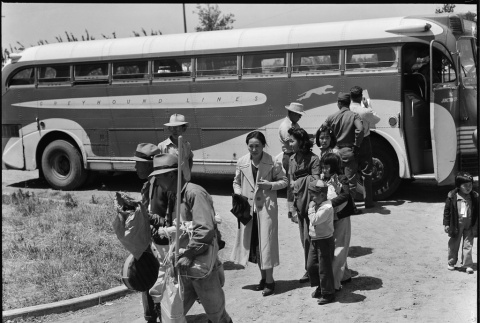
Original WRA caption: Stockton, California. Arrival at Assembly center at 12:45 pm. This assembly center has been open for one week. This group was evacuated from their homes in the Lodi district (grape area) this morning. Their identification numbers and family groups are checked by officials as they get off the bus. They are then directed …
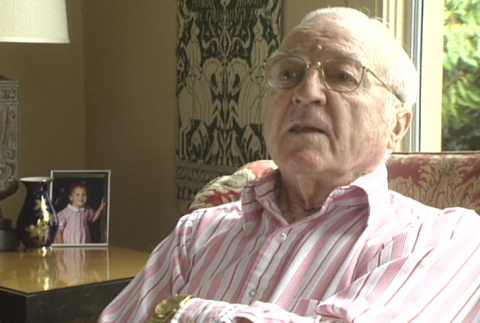
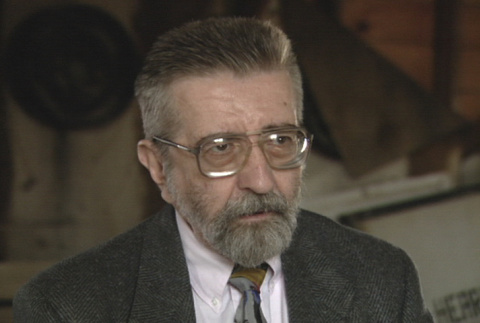
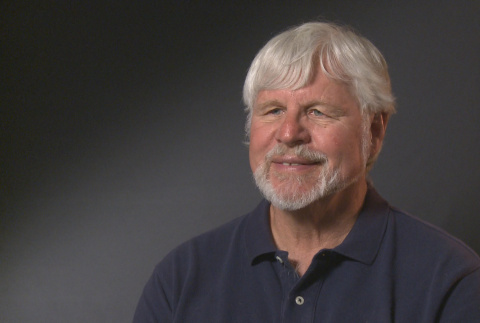
White male. Born in May 30, 1904, in Albany, New York. Founder and Executive Director of the American Civil Liberties Union of Northern California from 1934 to 1971. Fought for civil rights throughout his career, and was involved in the General Strike in San Francisco, the McCarthy Era, and the Free Speech, civil rights, and anti-war …
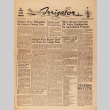
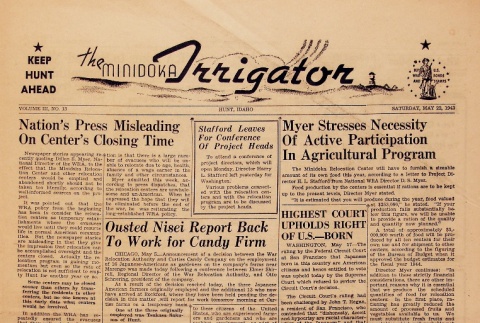
Selected article titles: "Nation's Press Misleading On Center's Closing Time" (p. 1), "Ousted Nisei Report Back To Work For Candy Firm" (p. 1), "WRA Centers Termed Undesirable; Myer Foresees 'Eventual Closing'" (p. 1), "Myer Stresses Necessity of Active Participation in Agricultural Program" (p. 1), "Highest Court Upholds Right of U.S. Born" (p. 1), "Holland Teams Absorption …
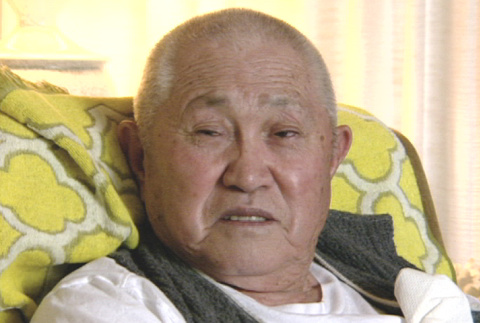
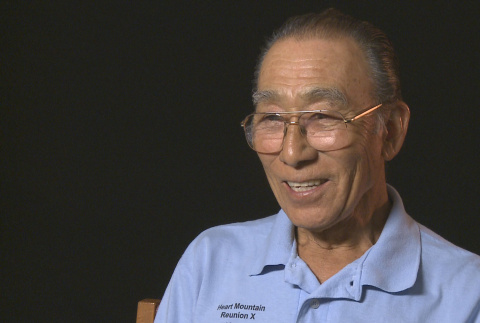
Nisei male. Born April 1923 in Sierra Madre, California. Was pursuing a degree in art at Pasadena Junior College at the time of mass removal. While incarcerated at Heart Mountain, Wyoming, continued his artistic pursuits, drawing sketches and designing posters, etc. for various camp projects. Resisted the draft at age 21, and was indicted in 1944 …
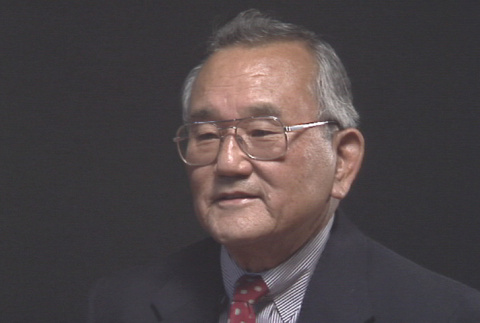
Nisei male. Born July 17, 1914, in Gardena, California. Passively resisted "evacuation" in 1942, forcing two soldiers to carry him out of his home. Incarcerated at Heart Mountain concentration camp, Wyoming, and became one of the steering committee leaders of the Fair Play Committee (FPC). Was tried along with the other FPC leaders and was convicted …
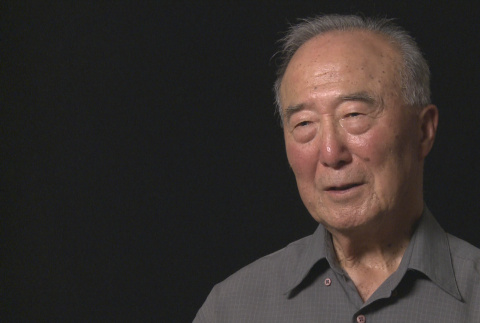
White male. Born December 1, 1927, in New York City, New York. Charles Phelps Taft Professor Emeritus of History, University of Cincinnati. Served as a consultant to the Commission on Wartime Relocation and Internment of Civilians from 1981 to 1983. Has researched and written numerous books about the Japanese American experience, including Prisoners Without Trial: Japanese …
This material is based upon work assisted by a grant from the Department of the Interior, National Park Service. Any opinions, finding, and conclusions or recommendations expressed in this material are those of the author(s) and do not necessarily reflect the views of the Department of the Interior.
Father's early life in the U.S.: entrepreneurial spirit
This material is based upon work assisted by a grant from the Department of the Interior, National Park Service. Any opinions, finding, and conclusions or recommendations expressed in this material are those of the author(s) and do not necessarily reflect the views of the Department of the Interior.
This material is based upon work assisted by a grant from the Department of the Interior, National Park Service. Any opinions, finding, and conclusions or recommendations expressed in this material are those of the author(s) and do not necessarily reflect the views of the Department of the Interior.
This material is based upon work assisted by a grant from the Department of the Interior, National Park Service. Any opinions, finding, and conclusions or recommendations expressed in this material are those of the author(s) and do not necessarily reflect the views of the Department of the Interior.
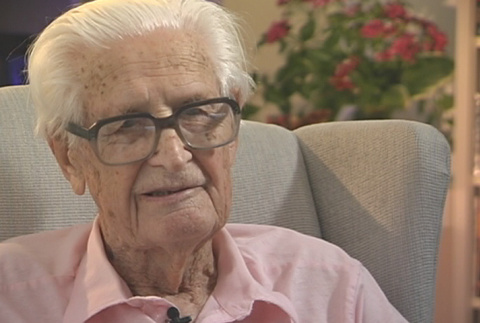
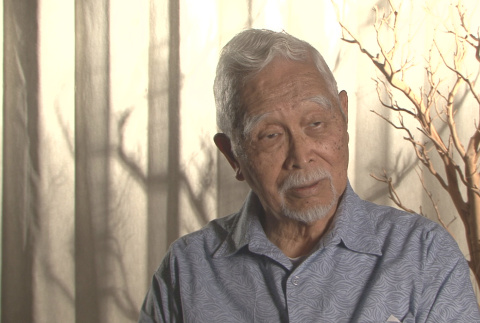
In this interview Mr. Schmoe refers to Aki Kurose, a former employee, fellow Quaker, peace activist, and long-time friend. At the time of this interview, Ms. Kurose had recently passed away after a long struggle with cancer. At the time of this interview, Mr. Schmoe is 102 years old.
Parents' try to re-establish life near prewar home
This material is based upon work assisted by a grant from the Department of the Interior, National Park Service. Any opinions, finding, and conclusions or recommendations expressed in this material are those of the author(s) and do not necessarily reflect the views of the Department of the Interior.
This material is based upon work assisted by a grant from the Department of the Interior, National Park Service. Any opinions, finding, and conclusions or recommendations expressed in this material are those of the author(s) and do not necessarily reflect the views of the Department of the Interior.
This material is based upon work assisted by a grant from the Department of the Interior, National Park Service. Any opinions, finding, and conclusions or recommendations expressed in this material are those of the author(s) and do not necessarily reflect the views of the Department of the …
Parents' difficulties returning to life in Los Angeles
This material is based upon work assisted by a grant from the Department of the Interior, National Park Service. Any opinions, finding, and conclusions or recommendations expressed in this material are those of the author(s) and do not necessarily reflect the views of the Department of the Interior.
This material is based upon work assisted by a grant from the Department of the Interior, National Park Service. Any opinions, finding, and conclusions or recommendations expressed in this material are those of the author(s) and do not necessarily reflect the views of the Department of the Interior.
This material is based upon work assisted by a grant from the Department of the Interior, National Park Service. Any opinions, finding, and conclusions or recommendations expressed in this material are those of the author(s) and do not necessarily reflect the views of the Department of the Interior.
This material is based upon work assisted by a grant from the Department of the Interior, National Park Service. Any opinions, finding, and conclusions or recommendations expressed in this material are those of the author(s) and do not necessarily reflect the views of the Department of the Interior.
This material is based upon work assisted by a grant from the Department of the Interior, National Park Service. Any opinions, finding, and conclusions or recommendations expressed in this material are those of the author(s) and do not necessarily reflect the views of the Department of the Interior.
This material is based upon work assisted by a grant from the Department of the Interior, National Park Service. Any opinions, finding, and conclusions or recommendations expressed in this material are those of the author(s) and do not necessarily reflect the views of the Department of the …
This material is based upon work assisted by a grant from the Department of the Interior, National Park Service. Any opinions, finding, and conclusions or recommendations expressed in this material are those of the author(s) and do not necessarily reflect the views of the Department of the …
This material is based upon work assisted by a grant from the Department of the Interior, National Park Service. Any opinions, finding, and conclusions or recommendations expressed in this material are those of the author(s) and do not necessarily reflect the views of the Department of the Interior.
This material is based upon work assisted by a grant from the Department of the Interior, National Park Service. Any opinions, finding, and conclusions or recommendations expressed in this material are those of the author(s) and do not necessarily reflect the views of the Department of the Interior.

![Letter from Ayame Okine to Mr. S. Okine, December 28, 1945 [in Japanese] (ddr-csujad-5-179)](https://ddr.densho.org/media/cache/2e/71/2e71618c5c93b7b610d9fdb6ae3106f4.jpg)
![Letter from Ayame Okine to Mr. S. Okine, December 28, 1945 [in Japanese] (ddr-csujad-5-179)](https://ddr.densho.org/media/cache/5a/e5/5ae56683aafa7cb2331889a781408a46.jpg)