This material is based upon work assisted by a grant from the Department of the Interior, National Park Service. Any opinions, finding, and conclusions or recommendations expressed in this material are those of the author(s) and do not necessarily reflect the views of the Department of the Interior.
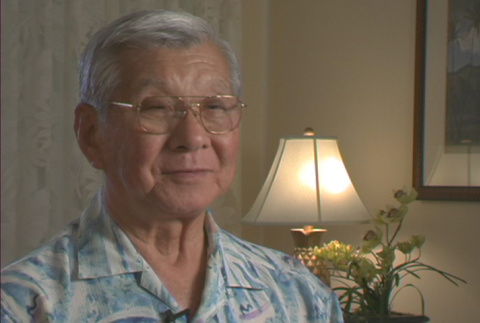
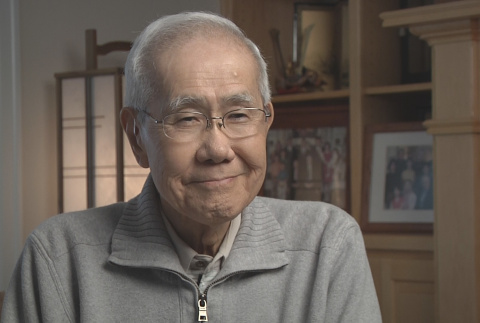
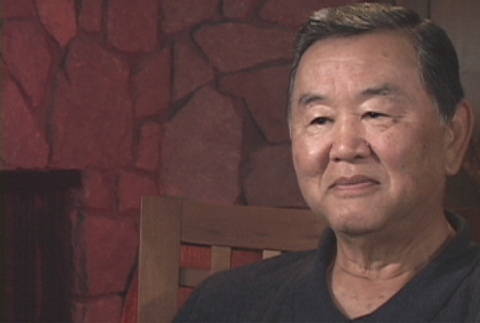
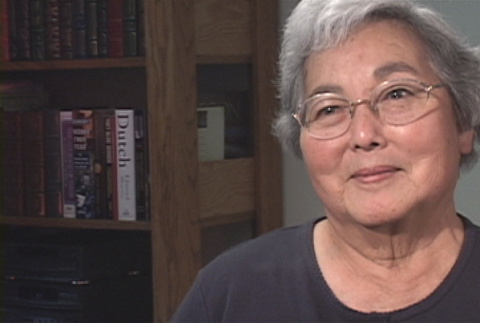
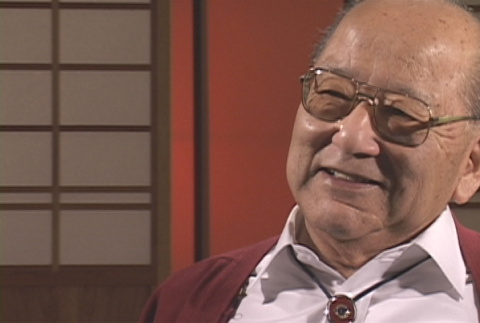
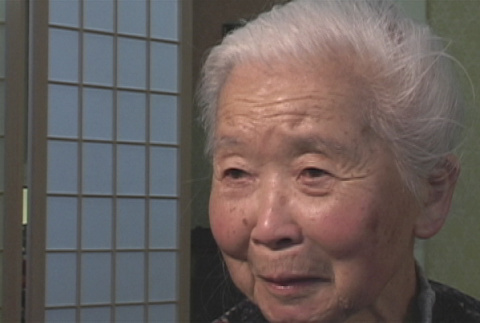
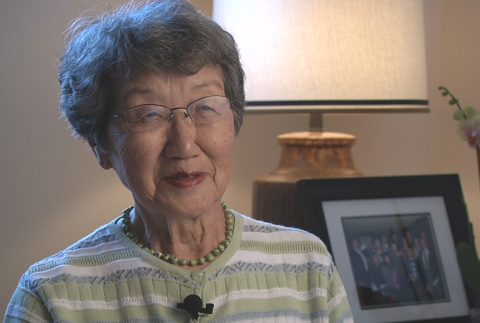
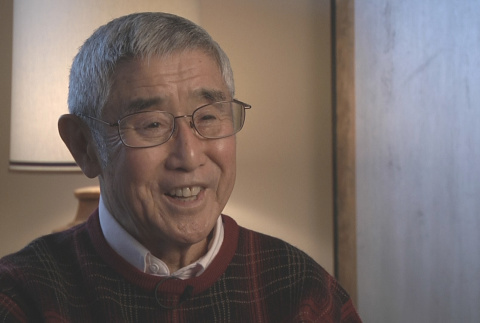
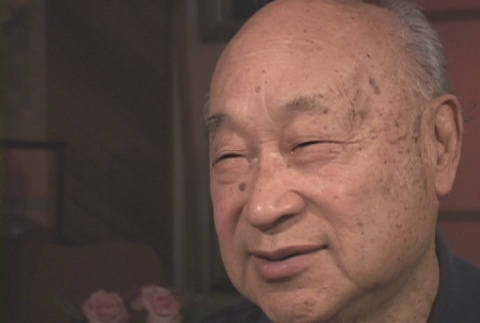
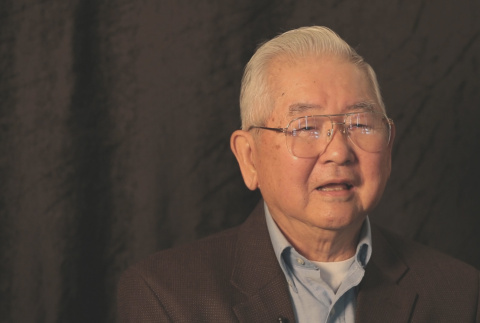
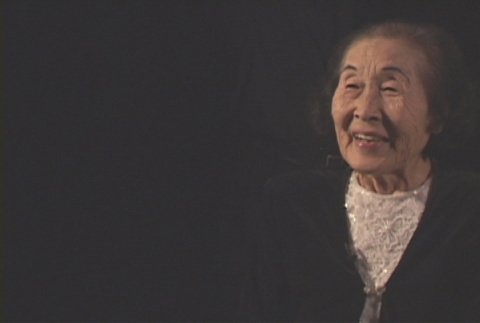
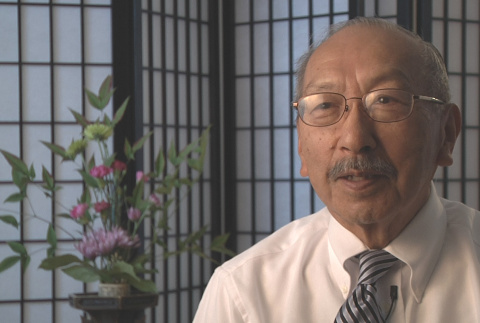
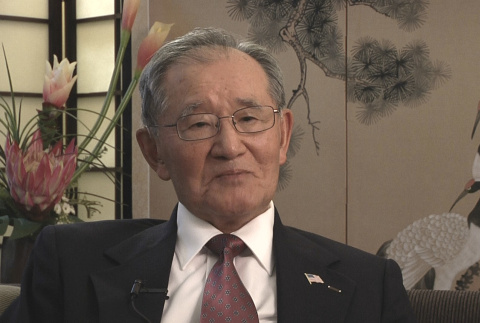
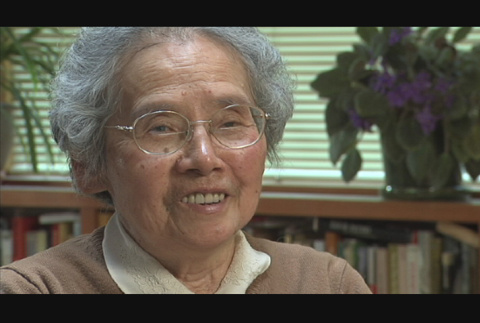
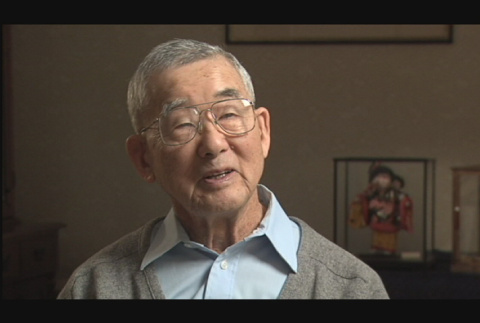
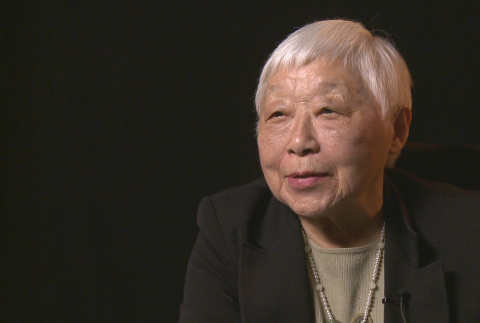
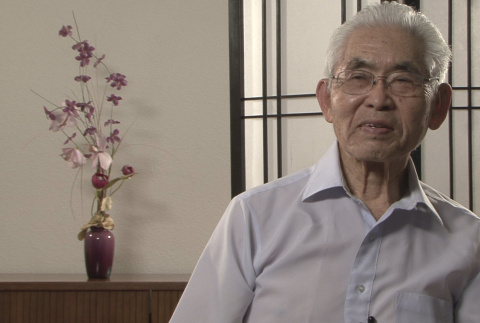
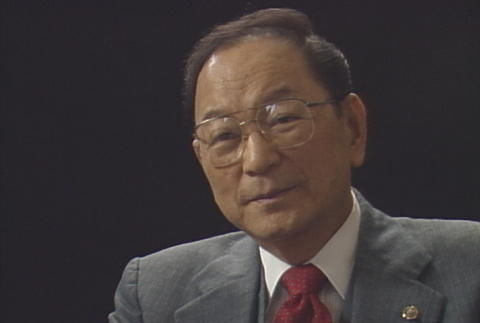
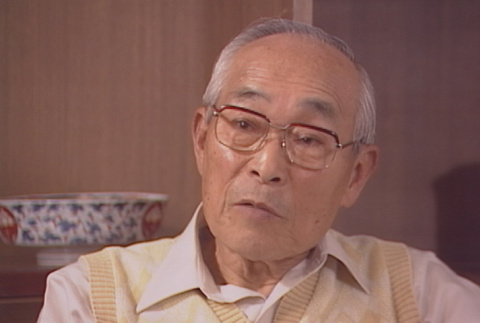
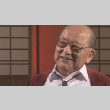
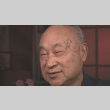
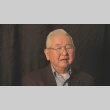
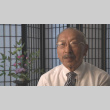
Postwar life in San Jose's Japantown: active in the merchants association, getting married
This interview was conducted by the Japanese American Museum of San Jose, and is part of a project entitled "Lasting Stories: The Resettlement of San Jose Japantown," a collaborative project between the Japanese American Museum of San Jose and Densho.
This material is based upon work assisted by a grant from the Department of the Interior, National Park Service. Any opinions, finding, and conclusions or recommendations expressed in this material are those of the author(s) and do not necessarily reflect the views of the Department of the Interior.
This material is based upon work assisted by a grant from the Department of the Interior, National Park Service. Any opinions, finding, and conclusions or recommendations expressed in this material are those of the author(s) and do not necessarily reflect the views of the Department of the Interior.
This material is based upon work assisted by a grant from the Department of the Interior, National Park Service. Any opinions, finding, and conclusions or recommendations expressed in this material are those of the author(s) and do not necessarily reflect the views of the Department of the Interior.
This material is based upon work assisted by a grant from the Department of the Interior, National Park Service. Any opinions, finding, and conclusions or recommendations expressed in this material are those of the author(s) and do not necessarily reflect the views of the Department of the Interior.
This material is based upon work assisted by a grant from the Department of the Interior, National Park Service. Any opinions, finding, and conclusions or recommendations expressed in this material are those of the author(s) and do not necessarily reflect the views of the Department of the Interior.
This material is based upon work assisted by a grant from the Department of the Interior, National Park Service. Any opinions, finding, and conclusions or recommendations expressed in this material are those of the author(s) and do not necessarily reflect the views of the Department of the Interior.
This material is based upon work assisted by a grant from the Department of the Interior, National Park Service. Any opinions, finding, and conclusions or recommendations expressed in this material are those of the author(s) and do not necessarily reflect the views of the Department of the Interior.
This material is based upon work assisted by a grant from the Department of the Interior, National Park Service. Any opinions, finding, and conclusions or recommendations expressed in this material are those of the author(s) and do not necessarily reflect the views of the Department of the Interior.
This material is based upon work assisted by a grant from the Department of the Interior, National Park Service. Any opinions, finding, and conclusions or recommendations expressed in this material are those of the author(s) and do not necessarily reflect the views of the Department of the Interior.
This material is based upon work assisted by a grant from the Department of the Interior, National Park Service. Any opinions, finding, and conclusions or recommendations expressed in this material are those of the author(s) and do not necessarily reflect the views of the Department of the Interior.
This material is based upon work assisted by a grant from the Department of the Interior, National Park Service. Any opinions, finding, and conclusions or recommendations expressed in this material are those of the author(s) and do not necessarily reflect the views of the Department of the Interior.
This material is based upon work assisted by a grant from the Department of the Interior, National Park Service. Any opinions, finding, and conclusions or recommendations expressed in this material are those of the author(s) and do not necessarily reflect the views of the Department of the Interior.
This material is based upon work assisted by a grant from the Department of the Interior, National Park Service. Any opinions, finding, and conclusions or recommendations expressed in this material are those of the author(s) and do not necessarily reflect the views of the Department of the Interior.
This material is based upon work assisted by a grant from the Department of the Interior, National Park Service. Any opinions, finding, and conclusions or recommendations expressed in this material are those of the author(s) and do not necessarily reflect the views of the Department of the Interior.
This material is based upon work assisted by a grant from the Department of the Interior, National Park Service. Any opinions, finding, and conclusions or recommendations expressed in this material are those of the author(s) and do not necessarily reflect the views of the Department of the Interior.
This material is based upon work assisted by a grant from the Department of the Interior, National Park Service. Any opinions, finding, and conclusions or recommendations expressed in this material are those of the author(s) and do not necessarily reflect the views of the Department of the Interior.
This material is based upon work assisted by a grant from the Department of the Interior, National Park Service. Any opinions, finding, and conclusions or recommendations expressed in this material are those of the author(s) and do not necessarily reflect the views of the Department of the Interior.
This material is based upon work assisted by a grant from the Department of the Interior, National Park Service. Any opinions, finding, and conclusions or recommendations expressed in this material are those of the author(s) and do not necessarily reflect the views of the Department of the Interior.
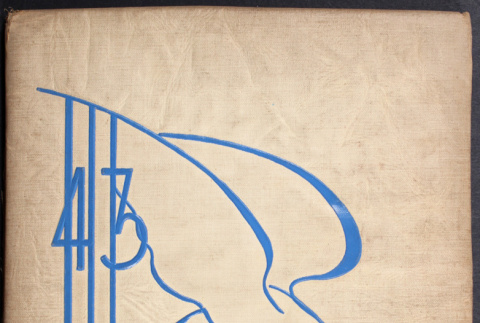
The collection consists of three yearbooks, two for Kenneth Yamamoto from Gila River both from his senior year and as a faculty member the following year, and for Masako Kawaguchi from Heart Mountain. The additional 57 photos represent the Yamamoto family's life in Hawaii, including photos of Hilo Boarding School, the family's house and miscellaneous views …
The Kikawa Family Collection consists of six photograph albums of Gary Kikawa and Ruth (Saitow) Kikawa's lives in the mid-1900s, individual photographs predominately of nature and fishing boats, and documents related to immigration and education. The photograph albums are primarily of friends and family of Gary Kikawa, his life in California, and time at Rohwer concentration …
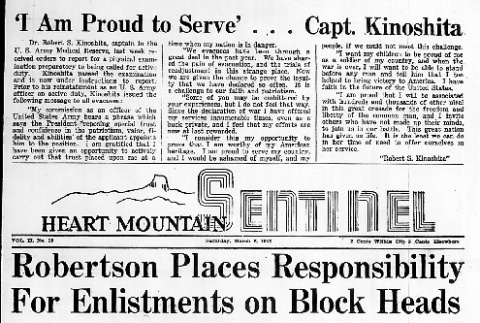
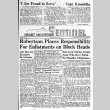
Selected article titles: "Robertson Places Responsibility for Enlistments on Block Heads. Lift Ban for Evacuees in Arizona" (p. 1), "Recruiting for New Class at Camp Savage Will Begin Soon" (p. 1), "Life-Long Stigma Awaits Nisei Who Have Failed to Shoulder Obligations" (p. 1), "Non-Citizens May Volunteer for Uncle Sam's Army" (p. 2), "Editorial: The Only Course" …
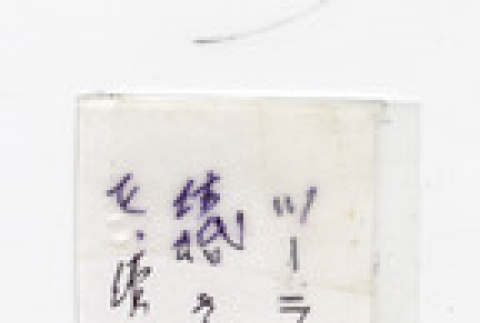
George Nobuo Naohara's handwritten note describing Jiro Sanada. English translation: During his incarcerated at the Tule Lake in California, Jiro Sanada was spending time writing senryu. With Atsushi Art Ishida's help, Jiro was able to leave the camp for Chicago. He was married in Chicago and opened a grocery store with his wife somewhere. His business …
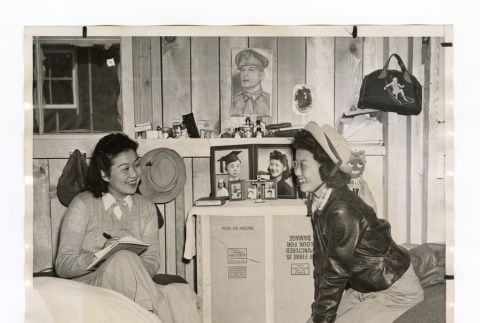
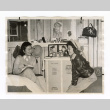
Two girls sit on beds in the barracks at Manzanar, in front of shelves containing their personal belongings. A caption, printed in the Feb. 25, 1983, edition of the Long Beach Independent reads, "1942 photo showed Japanese-Americans apparently happily interned at Manzanar camp. The accompanying caption said a picture of Gen. Douglas MacArthur hung in a …