


34 items
- 1
- 2
av
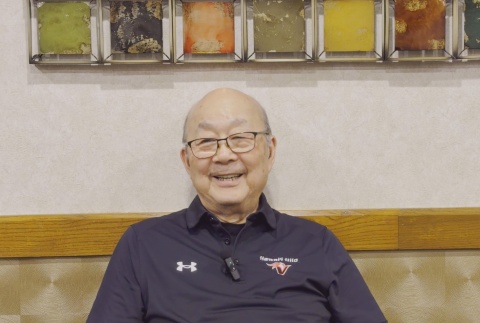
Ross Harano Interview (ddr-densho-584-1)
Sansei male. Born September 17, 1942, in the Fresno Assembly Center, California. In this interview, he talks about his parents' prewar lives and time at the Fresno Assembly Center and the Jerome concentration camp, Arkansas, during World War II. The family moved to Chicago, Illinois, after leaving camp, and Mr. Hirano describes growing up and attending …
av
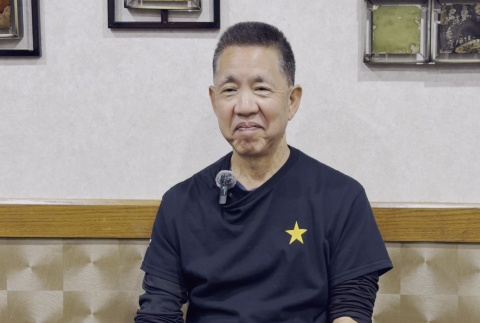
Brad Shirakawa Interview (ddr-densho-584-5)
Sansei male. Born July 8, 1955, in Fresno, California. In this interview, Mr. Shirakawa describes his family's background in Japan and California. He talks about his parents and their families' experiences during World War II. Mr. Shirakawa's parents met at Fresno State University after the war, and he was born in Fresno where his father had …
av
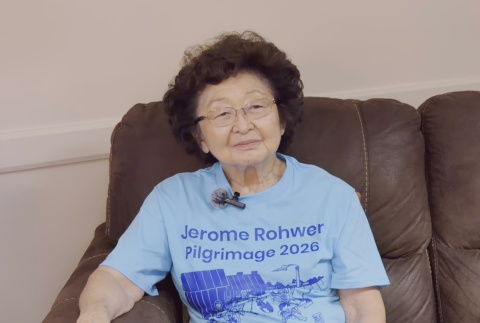
Marielle Tsukamoto Interview (ddr-densho-584-7)
Sansei female. Born April 7, 1937, in Sacramento, California. In this interview, Ms. Tsukamoto talks about her family's history, including her maternal grandmother's upbringing in Okinawa. Her parents lived in Florin, California, before World War II, and were involved in Florin's Japanese American community. During the war, the family was removed to the Jerome concentration camp, …
av
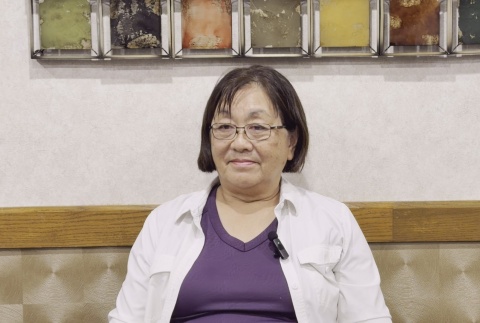
Ellen Sakai Yano Interview (ddr-densho-584-3)
Sansei female. Born July 23, 1952, in Hayward, California. In this interview, she describes her family history and her parents' and grandparents' prewar experiences as flower growers. They were removed to the Jerome and Rohwer concentration camps, Arkansas, during World War II. After the war, the family returned to California to rebuild their nursery business. Ms. …

vh
Alan Kondo Interview (ddr-densho-1000-551)
Sansei male. Born in 1946 in Toronto, Canada, where parents settled after their wartime incarceration. Father initially worked for The New Canadian newspaper and then opened a print shop. As a teenager in Toronto, Alan became the lead singer of a band, the Asian Minors. After attending the University of Toronto, moved to Los Angeles and …

vh
Alan Kondo Interview Segment 18 (ddr-densho-1000-551-18)
Recording the Commission on Wartime Relocation and Internment of Civilians hearings

vh
Alan Kondo Interview Segment 26 (ddr-densho-1000-551-26)
Learning more about Japanese Canadian wartime history

vh
Alan Kondo Interview Segment 2 (ddr-densho-1000-551-2)
Father's family background: born in Canada and moved to Japan

vh
Alan Kondo Interview Segment 12 (ddr-densho-1000-551-12)
Involvement in Japanese Canadian community groups


vh
Alan Kondo Interview Segment 24 (ddr-densho-1000-551-24)
Visiting the former concentration camp sites

vh
Alan Kondo Interview Segment 11 (ddr-densho-1000-551-11)
Experiences in high school, becoming the lead singer of a garage band

vh
Alan Kondo Interview Segment 21 (ddr-densho-1000-551-21)
Talking to children about family's experiences during World War II

vh
Alan Kondo Interview Segment 14 (ddr-densho-1000-551-14)
Working on films with Visual Communications

vh
Alan Kondo Interview Segment 3 (ddr-densho-1000-551-3)
Description of parents: growing up in the Vancouver Japanese Canadian community


vh
Alan Kondo Interview Segment 10 (ddr-densho-1000-551-10)
Mother and aunts doing piece work in a Jewish garment factory


vh
Alan Kondo Interview Segment 17 (ddr-densho-1000-551-17)
Getting involved with Japanese American community activist organizations


vh
Alan Kondo Interview Segment 4 (ddr-densho-1000-551-4)
Family's experiences in Canada during World War II

vh
Alan Kondo Interview Segment 23 (ddr-densho-1000-551-23)
Japanese Canadian versus Japanese American identity
- 1
- 2