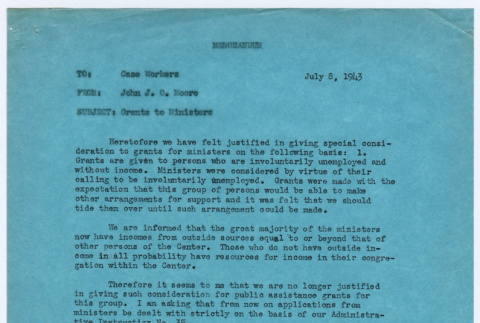
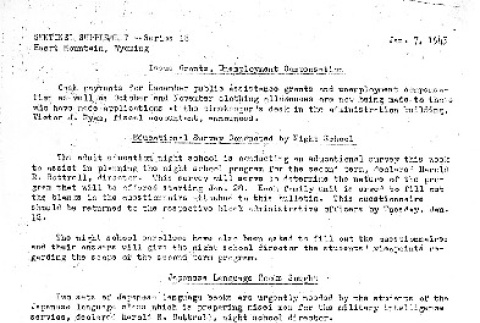
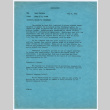
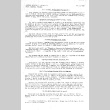
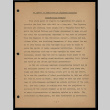
Memo from John J. O. Moore to caseworkers to inform them of the reason to end public assistance grants to ministers, and scrutinize visit requests and grants for unemployment due to enrollment in Japanese Language School.
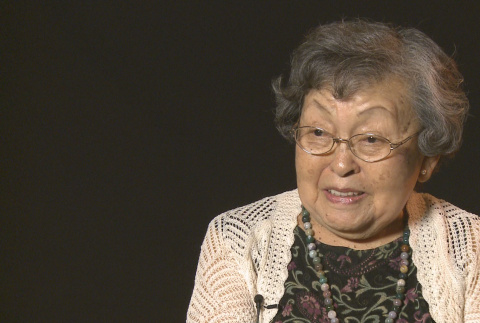
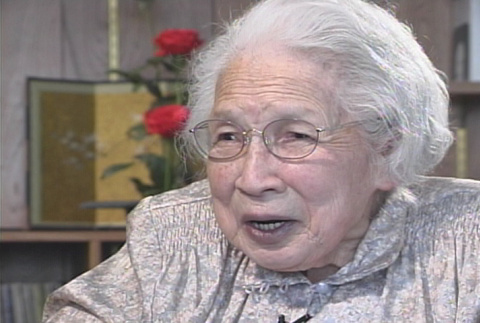
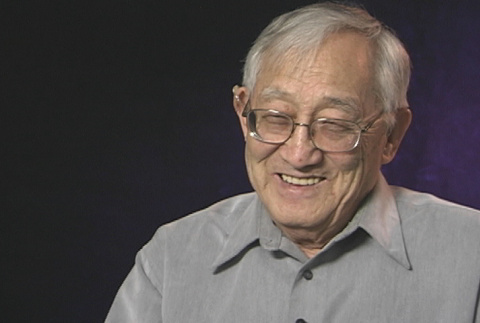
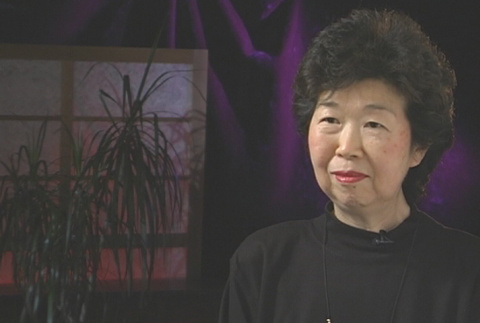
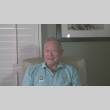
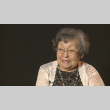
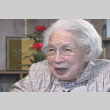
Nisei female. Born March 6, 1921, in Hilo, Hawaii. Grew up in Hilo, where parents were Japanese language school teachers. In 1939, moved to Japan to obtain medical treatment, and attended school there. During World War II, was conscripted into the Japanese military and worked as an interpreter, translating U.S. radio transmissions for General Headquarters in …
Selected article titles: "Issue Grants, Unemployment Compensation" (p. 1), "Educational Survey Conducted by Night School" (p. 1), "Japanese Language Books Sought" (p. 1), "Laundry Service Offered Residents Here" (p. 1), "Here's How to Make Service Calls to Plumbers" (p. 1).
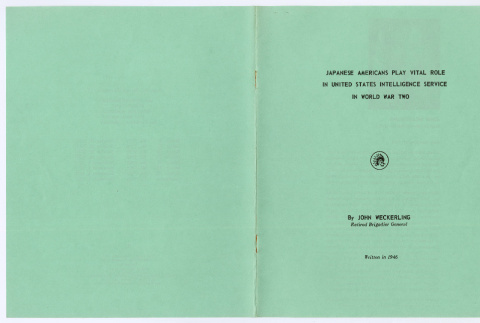
This booklet was written in 1946 by retired Brigadier General John Weckerling and examines the overlooked role Japanese Americans played in U.S. military intelligence during World War II. Nisei linguists and the Military Intelligence Service Language School are given particular emphasis.
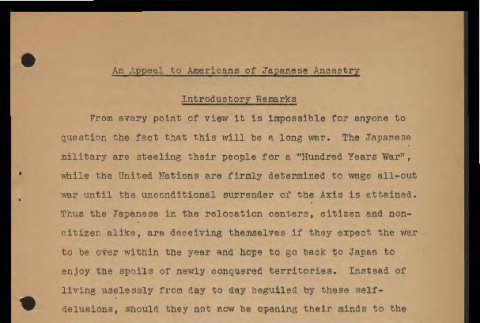
Statement regarding recruitment of Nisei linguists for the Military Intelligence Language School at Camp Savage, Minnesota. Provides a background on the school and appeal to prospective students. See this object in the California State Universities Japanese American Digitization project site: sac_jaac_0756
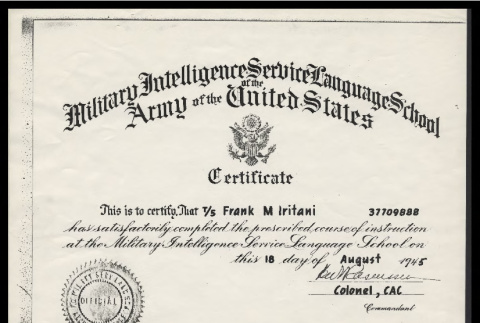
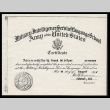
Certificate of completion for Frank M. Iritani from the Military Intelligence Service Language School. See this object in the California State Universities Japanese American Digitization project site: sac_jaac_0155
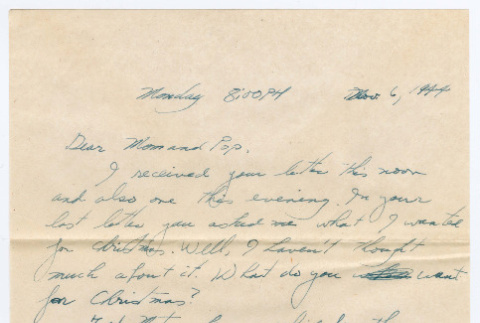
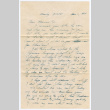
Ted Matsushima is leaving for a Japanese language school at Camp Schelling. Tad's parents asked about the rain; Tad says "it rains so hard that even fishes have to come out or they'll drown." Parents' note on envelope back: 61 Thursday Nov. 9, 1944
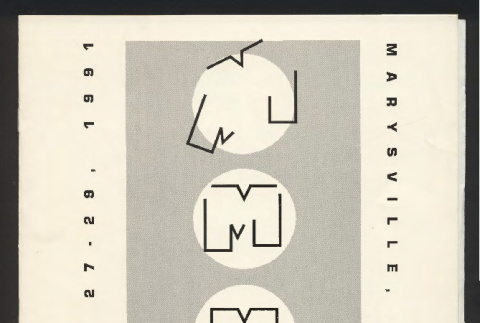
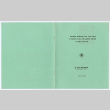
Pamphlet of "the third post-evacuation Marysville area Japanese American reunion" held September 27-29, 1991. Features the Japanese language school, Marysville Gakuen, built in 1926. See this object in the California State Universities Japanese American Digitization project site: sac_jaac_2861
Attending Japanese language school, or "tip school"
This interview was conducted as part of a project to capture stories of the Japanese American community of Spokane, Washington. Densho worked in collaboration with the Northwest Museum of Arts and Culture.
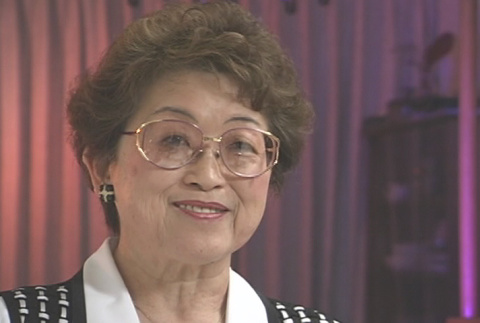
Ni-ten-gosei (half Nisei, half Sansei) female. Born June 3, 1932, in Seattle, Washington. Incarcerated at the Puyallup Assembly Center, Washington; Minidoka concentration camp, Idaho; and Tule Lake segregation center, California. Returned to Seattle after the war and stayed temporarily at the Seattle Japanese Language School.