
209 items


209 items
vh
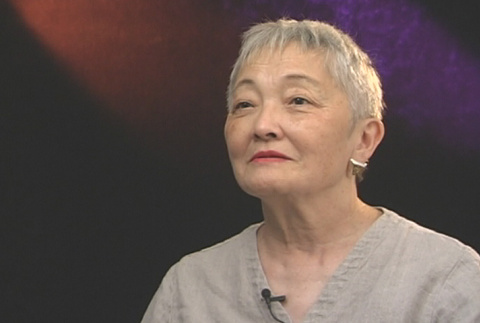
Chiye Tomihiro Interview (ddr-densho-1000-93)
Nisei female. Born December 20, 1924, in Portland, Oregon. Incarcerated at the Portland Assembly Center, Oregon, and Minidoka concentration camp, Idaho. Resettled first in Denver, Colorado and later in Chicago, Illinois. Former witness chair for Chicago area hearings of the Commission on Wartime Relocation and Internment of Civilians (CWRIC) and former chairperson of the JACL Chicago …
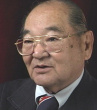
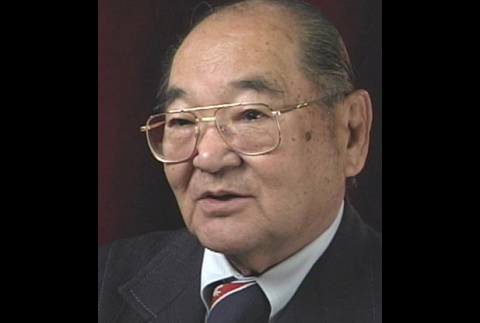
Narrator Paul Bannai
Nisei male. Born July 4, 1920, in Delta, Colorado. Grew up in small mining and farming towns in Colorado, Utah and Arizona, until his family moved to Boyle Heights in the Los Angeles, California area. After graduating from high school, he tested discrimination and employment practices and eventually succeeded in obtaining a job at a bank. …

av
Putting Them Where They Could Do No Harm (ddr-densho-1024-10)
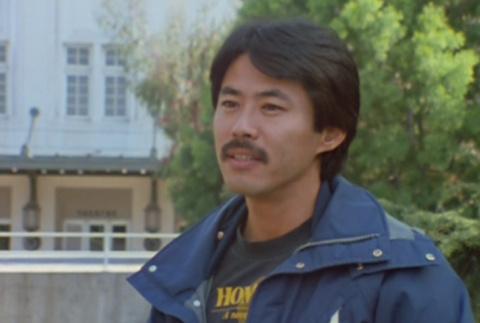
Short film that makes the case for renaming Fletcher Bowron Square in downtown Los Angeles, named after the wartime mayor of Los Angeles who agitated for the removal and incarceration of Japanese Americans. Eschewing narration, the film uses Bowron's wartime radio addresses (voiced by Maciek Kolodziejeczak) as evidence of his anti-Japanese and pro-exclusion stance, juxtaposed with …
av
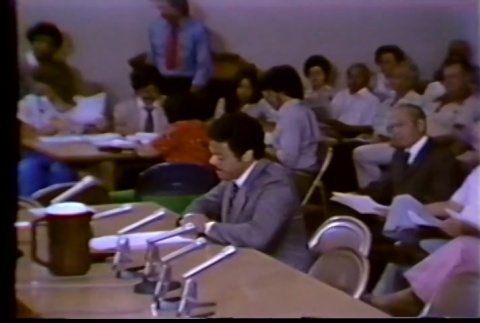
Speak Out for Justice: August 5, 1981 - Part 1 (ddr-densho-1024-103)
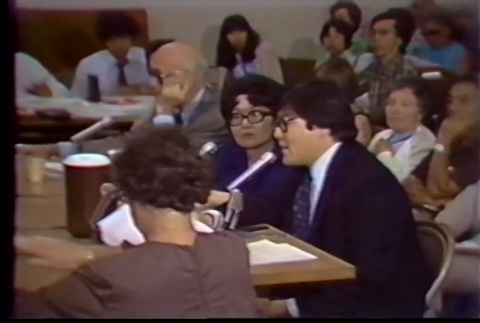
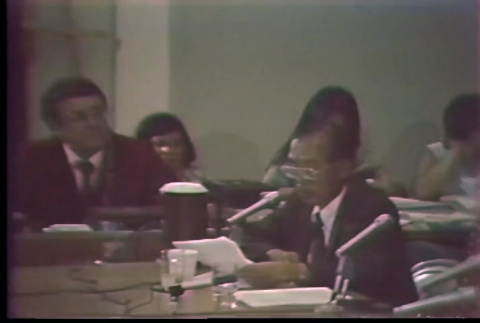
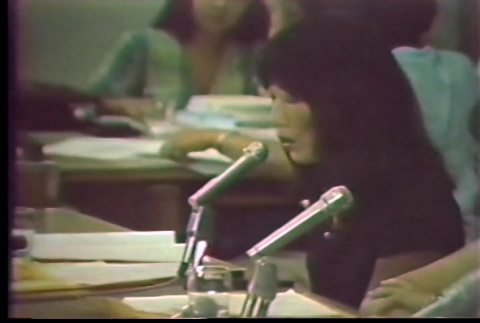
Nisei (second-generation Japanese Americans) veterans speak out about the injustice shown to Japanese Americans during World War II and in solidarity demand redress. A confrontation occurs between testifier Jim Kawaminami and author Lillian Baker, who denied that Japanese Americans were incarcerated during World War II. Introduction by Roy Nakano, Director of UCLA Asian American Studies Center. …
Collection
Takeharu Inouye Collection (ddr-densho-365)
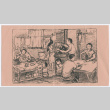
At the age of thirteen, Takeharu Inouye and his immediate family experienced forced relocation to the Sacramento Assembly Center (Walerga), and were subsequently moved to the Tule Lake concentration camp. They remained at Tule Lake for the duration of WWII due to their "disloyal" sentiments. Takeharu recorded his experiences at Tule Lake in three diaries, which …
av
Speak Out for Justice: August 4, 1981 - Part 3 (ddr-densho-1024-101)
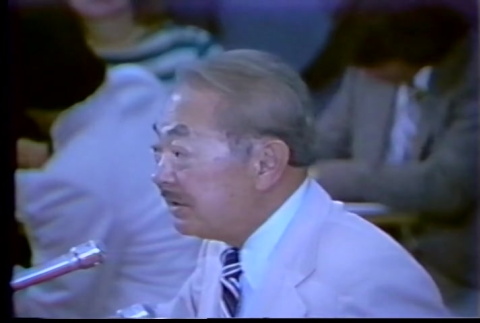
Testifiers speak out on the heartbreaking accounts of camp experiences, post-war trauma, and the racial prejudice endured by many Japanese Americans. Introduction by Harry Kawahara, Former Redress Committee Chairman. Part 3 Testifiers: Henry S. Yamaga, Alfred Nabeta, Robert O'Brien, Morris Kight, Harry Kawahara, Hannah Tomiko Holmes, Raymond Wiedman To commemorate the 40th anniversary of the 1981 …
av
Speak Out for Justice: August 4, 1981- Part 1 (ddr-densho-1024-99)
Elected Officials give their testimonies on the circumstances and facts surrounding the forced relocation and internment of over 120,000 Japanese Americans during World War II. Introduction by Co-Chair of NCRR/Los Angeles Kay Ochi. Part 1 Testifiers: Senator S. I. Hayakawa, Barbara Marumoto, Edmund Edelman, Tom Bradley, Mas Fukai To commemorate the 40th anniversary of the 1981 …

doc
Resettlement handbook (ddr-densho-493-34)
"Resettlement Handbook" with front cover illustration of a person considering locations on a large globe. Published by the Evacuee Information Office of the Granada Project. Resource and instruction book for leaving camp. Instructions for how to make transportation arrangements and apply for transportation funding, close out clothing allowance, employment and last paychecks, return of government property, …
doc
Punishable criminal offenses (ddr-csujad-55-743)
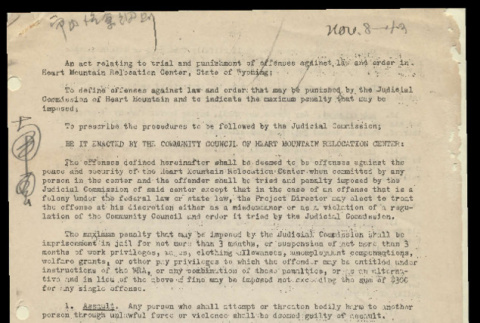
List of criminal offenses punishable by the Judicial Commission at Heart Mountain incarceration camp. Includes the following offenses with definitions: assault, assault and battery, aggravated assault and battery, riot, unlawful assembly, gambling, gambling house, operating a confidence game, carrying concealed weapons, abduction, theft, embezzlement, fraud, forgery, receiving stolen property, extortion, disorderly conduct, reckless driving, malicious mischief, …
doc
Criminal code (ddr-csujad-55-977)
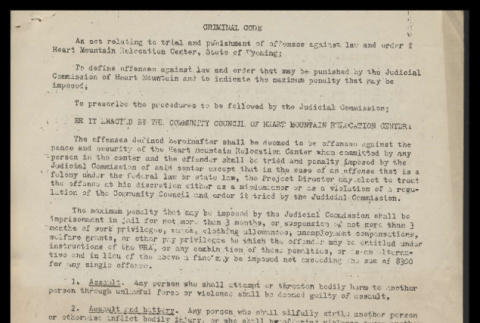
List of criminal offenses punishable by the Judicial Commission at Heart Mountain incarceration camp. Includes the following offenses with definitions: assault, assault and battery, aggravated assault and battery, riot, unlawful assembly, gambling, gambling house, operating a confidence game, carrying concealed weapons, abduction, theft, embezzlement, fraud, forgery, receiving stolen property, extortion, disorderly conduct, reckless driving, malicious mischief, …
vh
Bob Suzuki Interview (ddr-densho-1000-452)
Nisei-han male. Born January 2, 1936, in Portland, Oregon, where father worked for the railroad. During World War II, removed to the Portland Assembly Center, Oregon, and the Minidoka concentration camp, Idaho. After leaving camp, family moved to a small community outside of Spokane, Washington, to farm. Went to UC Berkeley and Caltech, then taught at …
vh
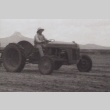
Eiichi Edward Sakauye Interview I (ddr-densho-1005-1)
Nisei male. Born January 25, 1912, in San Jose, California. Grew up in San Jose, working on family's extensive farmholdings, and graduating from San Jose Teachers College. After the bombing of Pearl Harbor, was removed to Santa Anita Assembly Center, California, and Heart Mountain concentration camp, Wyoming. While at Heart Mountain, became the agriculture superintendent, and …
doc
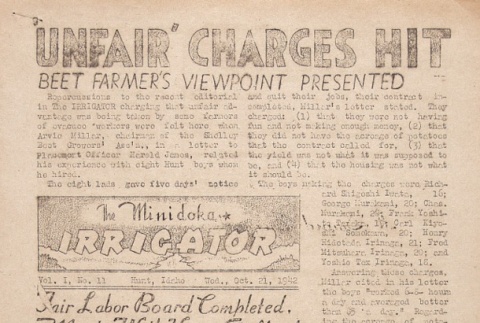
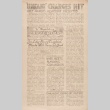
Minidoka Irrigator Vol. I No. 11 (October 21, 1942) (ddr-densho-119-10)
Selected article titles: "Unfair Charges Hit. Beet Farmer's Viewpoint Presented" (p. 1), "Fair Labor Board Completed, Meets With Harry Stafford" (p. 1), "Myer Meets Planning Commission" (p. 1), "Editorial: A Sound Suggestion" (p. 2), "Better Understanding Aimed in Resolution of Farmers" (p. 2), "Permits Must Be Secured to Leave Center" (p. 3), "Farmer Gives His Viewpoint" …
av
Speak Out for Justice: August 6, 1981 - Part 3 (ddr-densho-1024-111)
Testifiers continue to speak out on the economic loss and psychological impact of Japanese internment during World War II. Recollections of post-camp resettlement also demonstrate the discrimination and prejudice experienced by many Japanese Americans. Introduction by June Hibino of Nikkei Progressives and NCRR. Part 3 Testifiers: Rei Osaki, Peter K. Ota, John J. Saito, Linda Morimoto, …
av
Speak Out for Justice: August 5, 1981 - Part 6 (ddr-densho-1024-108)
Testifiers continue to speak out on economic and property loss as a result of forced relocation and internment. Japanese Americans share their experiences of search, seizure, and mistreatment during their time spent in internment camps. Introduction by Alison Kochiyama, Executive Director of the Gardena Valley Japanese Cultural Institute. Part 6 Testifiers: Kiyoshi Sonoda, Larry Boss, Mary …
av
Speak Out for Justice: August 5, 1981 - Part 2 (ddr-densho-1024-104)
Testifiers continue to show bravery in speaking out on the impact of Japanese internment during World War II. These stories show the economic loss, psychological trauma, and impact on education for many interned Japanese. Introduction by Jen Noji of Nikkei Progressives and Alan Nishio, Former Co-Chair of NCRR Los Angeles Part 2 Testifiers: Jack Fujimoto, Y. …
av
Speak Out for Justice: August 6, 1981 - Part 6 (ddr-densho-1024-114)
The three days of CWRIC LA hearings concludes with final comments from the three remaining Commissioners present. [Commissioners Arthur S. Flemming, Hugh B. Mitchell, and William M. Marutani] Introduction by Abraham Ferrer of Visual Communications. To commemorate the 40th anniversary of the 1981 Commission on Wartime Relocation and Internment of Civilians (CWRIC) Los Angeles hearings, Visual …
vh
Dale Minami Interview (ddr-densho-1000-141)
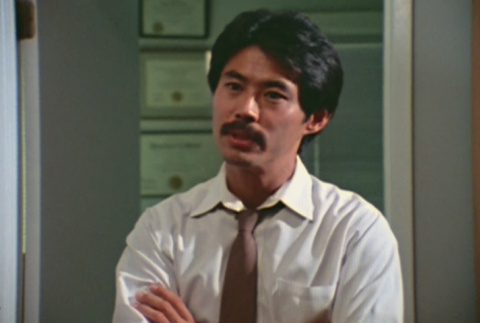
Sansei male. Born in Los Angeles, California on October 13, 1946, and grew up in Gardena, California. Received B.A. in Political Science from University of Southern California, graduated magna cum laude and Phi Beta Kappa in 1968. Received J.D., 1971, from Boalt Hall School of Law, University of California. Mr. Minami was a co-founder of the …
av
Speak Out for Justice: August 6, 1981 - Part 4 (ddr-densho-1024-112)
Members from various associations and organizations provide legal viewpoints on the constitutional issues and impact of camp experiences on Japanese American psyche. All of them demand for monetary reparations and constitutional remedy. Introduction by Steve Nagano of NCRR and Nikkei Progressives. Part 4 Testifiers: Fred Okrand, Junji Kumamoto, Alan Terakawa, Carole Sei Morita, Rose Matsui Ochi, …
av
Speak Out for Justice: August 4, 1981 - Part 2 (ddr-densho-1024-100)
Japanese Americans break their silence to speak out on the pain, suffering, and loss experienced as a result of the issuance of Executive Order 9066. The first-hand accounts detail the enormous loss of property and business among many Japanese Americans after World War II. Introduction by Jim Matsuoka, Co-Founder of Los Angeles Committee Coalition for Redress …
av
Speak Out for Justice: August 4, 1981 - Part 4 (ddr-densho-1024-102)
Testifiers continue to speak out on the intergenerational impact of Executive Order 9066 on Japanese Americans. The demand for Community Redress and Reparations grows as the testimonies continue to speak out on the psychological trauma and feelings of shame felt by many interned Japanese Americans. Introduction by Duane Kubo, Co-Founder of Visual Communications. Part 4 Testifiers: …
av
Speak Out for Justice: August 6, 1981 - Part 2 (ddr-densho-1024-110)
Mental health professionals provide insight into the detrimental effects of camp trauma and the impact on psychological and physical health. Japanese Americans speak out on the extreme racial prejudice and discrimination experienced in post-camp life. Introduction by Karen Umemoto, Executive Director of the UCLA Asian American Studies Center, and Michael Nishimura, member of Nikkei Progressives. Part …
av
Speak Out for Justice: August 6, 1981 - Part 5 (ddr-densho-1024-113)
As the final day of the CWRIC hearings conclude, testifiers continue to speak out on the impact of EO 9066 on Japanese American communities and unite in their demand for monetary redress. The testimonies recall business property loss, resettlement difficulties, and racial prejudice. Introduction by Richard Katsuda, educator and co-chair of NCRR. Part 5 Testifiers: Akemi …
vh
Dale Minami Interview II (ddr-densho-1012-7)
Sansei male. Born in Los Angeles, California on October 13, 1946, and grew up in Gardena, California. Received B.A. in Political Science from University of Southern California, graduated magna cum laude and Phi Beta Kappa in 1968. Received J.D., 1971, from Boalt Hall School of Law, University of California. Mr. Minami was a co-founder of the …
vh
Dale Minami Interview I (ddr-densho-1012-6)
Sansei male. Born in Los Angeles, California on October 13, 1946, and grew up in Gardena, California. Received B.A. in Political Science from University of Southern California, graduated magna cum laude and Phi Beta Kappa in 1968. Received J.D., 1971, from Boalt Hall School of Law, University of California. Mr. Minami was a co-founder of the …