
5890 items
![Koyasan [Los Angeles Branch] Tourist Party, [departure] (ddr-csujad-25-135)](https://ddr.densho.org/media/cache/17/a9/17a9f7bf472933efde71971b0e73dfaf.jpg)
![Rosanzerusu Koyasan Kankodan [Koyasan Los Angeles Branch Tourist Party, Kokyogaien National Gardens] (ddr-csujad-25-133)](https://ddr.densho.org/media/cache/ee/5a/ee5a5e343d8dfa0b9158ecfc1174f7ed.jpg)
5890 items
doc
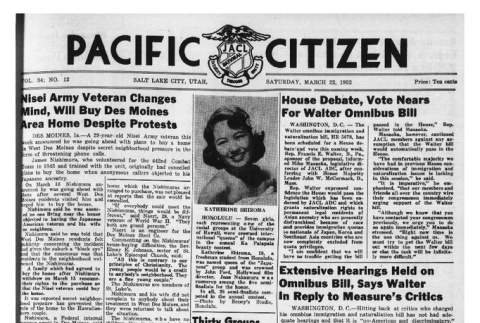
The Pacific Citizen, Vol. 34 No. 12 (March 22, 1952) (ddr-pc-24-12)
Selected article titles: "Nisei Army Veteran Changes Mind, Will Buy Des Moines Area Home Despite Protests" (p. 1), "JACL Joins Fight Against Racist Vandalism in L.A." (p. 1), "Enemy Alien Status of Issei in U.S. Abolished as Senate Ratifies Japan Peace Treaty" (p. 2), "Many Nisei Among GIs Wed To Japanese Girls in Rush Ceremonies Before …
doc
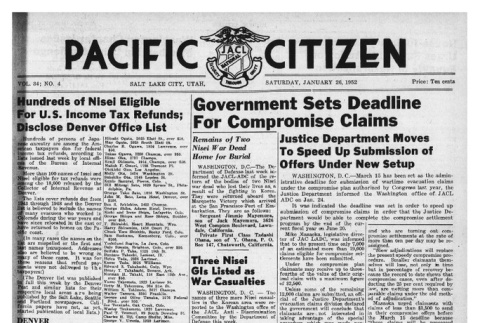
The Pacific Citizen, Vol. 34 No. 4 (January 26, 1952) (ddr-pc-24-4)
Selected article titles: "Government Sets Deadline For Compromise Claims. Justice Department Moves To Speed Up Submission of Offers Under New Setup" (p. 1), "Early Ratification of Japan Peace Treaty Urged by JACL" (p. 1), "House Judiciary Committee Urges Favorable Action on Equality in Naturalization" (p. 2), "Tule Lake Renunciant Asks For Restoration of Rights Forfeited in …
doc
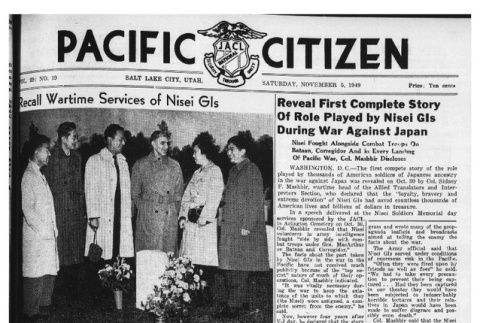
The Pacific Citizen, Vol. 29 No. 19 (November 5, 1949) (ddr-pc-21-44)
Selected article titles: "Reveal First Complete Story of Role Played by Nisei Gis During War Against Japan" (p. 1), "Missouri Law Bars Marriage of Nisei Vet, Springfield Girl" (p. 1), "South California ACLU Tells Effect of Government Action in Tule Lake Renunciants Case" (p. 2), "Masaoka Sees Little Chance For Extension of Deadline Under Evacuee Claims …
doc
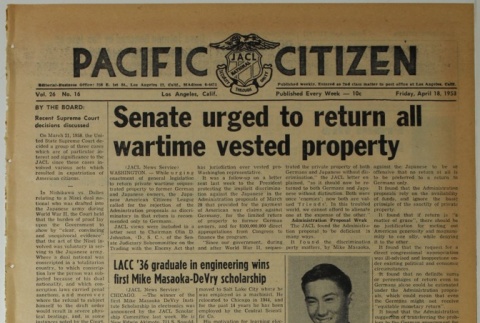
Pacific Citizen, Vol. 46, No. 16 (April 18, 1958) (ddr-pc-30-16)
Select article titles: "Senate urged to return all wartime vested property" (p.1); "New York's law first in nation banning racial, religious bias in private housing" (p.1); "Old Japan custom prevails: wife cashes stolen checks at insistence of husband" (p.2) Starting in No. 13, the volume number in the header changes from 46 to 26. This printing …
doc
Pacific Citizen, Vol. 65, No. 14 (October 6, 1967) (ddr-pc-39-41)
Selected article titles: "Comeback of Japanese Americans Since Evacuation Gilded by Rise in Politics" (p. 1), "American men marry Orientals because they're not as nagging" (p. 1), "American soybeans popularized in Japan after 20-year effort" (p. 1), "Student prefers Oxford to American university system, returning to study Japanese this year" (p. 1), "Anti-Oriental racism charged" (p. …
doc
Pacific Citizen, Vol. 71, No. 21 (November 20, 1970) (ddr-pc-42-46)
Selected article titles: 'Asian Americans not as college conscious today" (p. 1), "Nisei in Canadian Elks honored" (p. 1), "Racial identity not hindrance, panel of Japanese American politicos hold" (p. 1), "Japan Army general who commanded troops at Kiska saved 20,000 Jews" (p. 3), "New S.F. Bay Area community JACL being formed, will stress action" (p. …
doc
Pacific Citizen, Vol. 71, No. 20 (November 13, 1970) (ddr-pc-42-45)
Selected article titles: "California rejects textbook" (p. 1), "Methodists hear role of ethnic church stressed" (p. 1), "Japan born man slain on street in San Francisco" (p. 1), "American Samoa tuna canneries neglect fishermen, says doctor" (p. 1), "San Francisco opening attracts 350 Asian pickets in heavy rain" (p. 1), "Young thugs victimize Japanese dwelling in …
doc
Pacific Citizen, Vol. 71, No. 9 (August 28, 1970) (ddr-pc-42-34)
Selected article titles: "Unopposed Patsy reelected, Hawaii primary filing closed" (p. 1), "Sansei policeman talking to cyclist slain by bystander in Berkeley street" (p. 1), "Northern Pacific migrations link Aleuts with Okhotsks of north Japan" (p. 1), "4,000 Japanese admitted last year" (p. 1), "Leadership Conference on Civil Rights" (p. 2), "House Internal Security Committee awaits …
doc
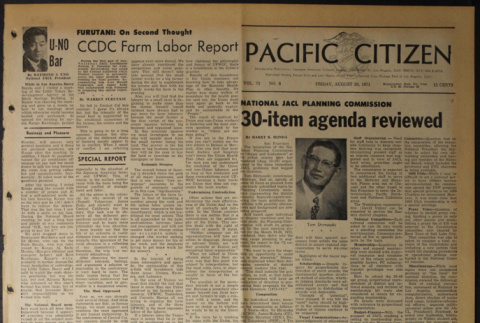
Pacific Citizen, Vol. 73, No. 8 (August 20, 1971) (ddr-pc-43-33)
Selected article titles: "National JACL planning commission: 30-item agenda reviewed" (p. 1), "Furutani: On second thought: CCDC Farm Labor Report" (p. 1), "EDC-MDC convention Sept. 4-5 at Seabrook, 'New Directions' theme" (p. 1), "200.000 waifs in Vietnam estimated abandoned by American fathers" (p. 1), "Alexis Johnson mentioned as U.S. envoy to Peking" (p. 2), "Sumitomo Bank's …
doc
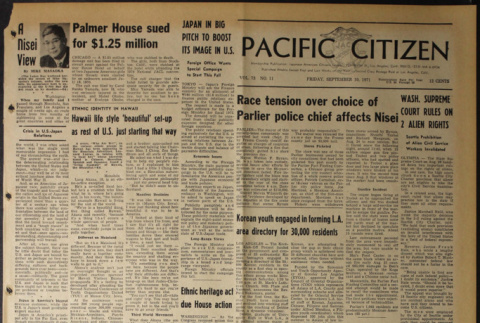
Pacific Citizen, Vol. 73, No. 11 (September 10, 1971) (ddr-pc-43-36)
Selected article titles: "Race tension over choice of Parlier police chief affects Nisei" (p. 1), Japan in big pitch to boost its image in U.S." (p. 1), "Hawaii life style 'beautiful' set-up as rest of U.S. just starting that way" (p. 1), "Korean youth engaged in forming L.A. area directory got 30,000 residents" (p. 1), "GIs …
doc
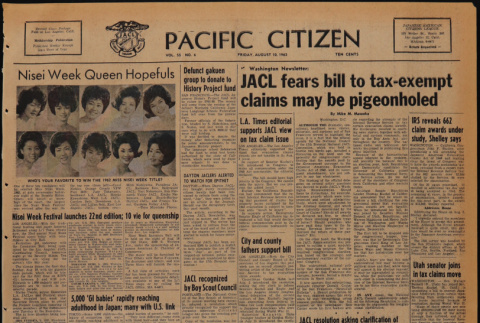
Pacific Citizen, Vol. 55, No. 6 (August 10, 1962) (ddr-pc-34-32)
Selected article titles: "JACL Fears Bill to Tax-Exempt Claims May Be Pigeonholed" (p.1), "Jewish Press Raises Issue Against IRS on Taxing Evacuation Claim Awards" (p.1-2), "Nisei Week Festival Launches 22nd Edition; 10 Vie for Queenship" (p.1), "Chinese American Judge Hears Case Suing County Grand Jury System Bans Negroes" (p.3), "Memorial Service to Enshrine 3,000 Nisei War …
doc
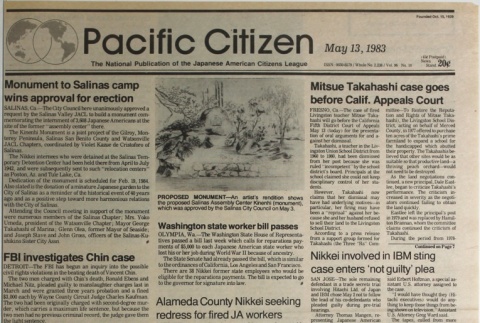
Pacific Citizen, Whole No. 2,238, Vol. 96, No. 18 (May 13, 1983) (ddr-pc-55-18)
Selected article titles: "Monument to Salinas camp wins approval for erection" (p. 1), "FBI investigates Chin case" (p. 1), "Alameda County Nikkei seeking redress for fired JA workers" (p. 1), "Central Calif. Nikkei helping Laotian refugees in many ways" (p. 3), "Quality, not quantity is the key, says Japan to the U.S." (p. 5), "Male Chauvinism: …
img
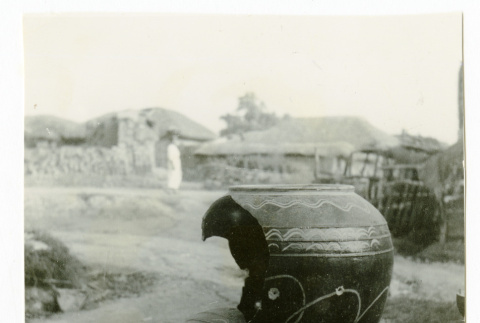
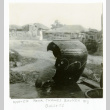
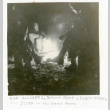
Water tank (ddr-csujad-38-506)
A photograph of the wreckage of a water jar in Korea. The caption reads: Water tank (kame) broken by bullets. Title from caption. Item from: George Naohara scrapbook: Korean War and before leaving Japan (csudh_nao_0600), page 67. See this object in the California State Universities Japanese American Digitization project site: nao_04_067_002
img
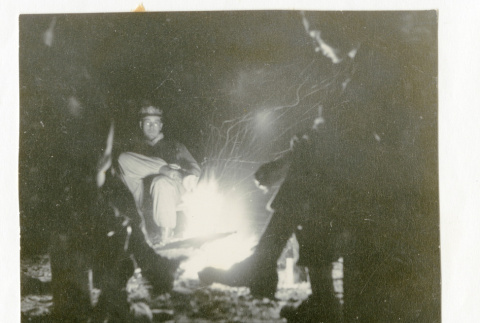
Soldiers taking a rest (ddr-csujad-38-510)
A photograph of U.S. soldiers taking a rest in a house. The caption reads: Our soldiers taking [a] rest in empty house. Sleep in the dark room. Item from: George Naohara scrapbook: Korean War and before leaving Japan (csudh_nao_0600). See this object in the California State Universities Japanese American Digitization project site: nao_04_067_006
doc
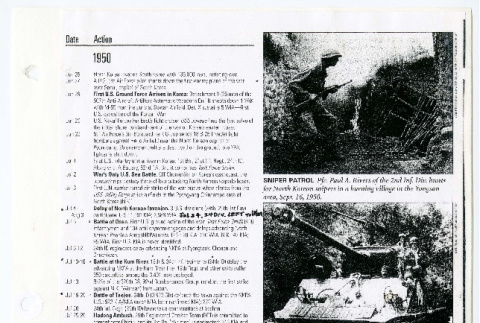
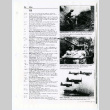
Action, 1950-1951 (ddr-csujad-38-440)
Chronology of the U. S. military actions in 1950-1951. Pages 13-14 from an issue of "Veterans of Foreign Wars magazine" published in June/July 2000. Item from: George Naohara scrapbook: Korean War and before leaving Japan (csudh_nao_0600). See this object in the California State Universities Japanese American Digitization project site: nao_04_013-014
img
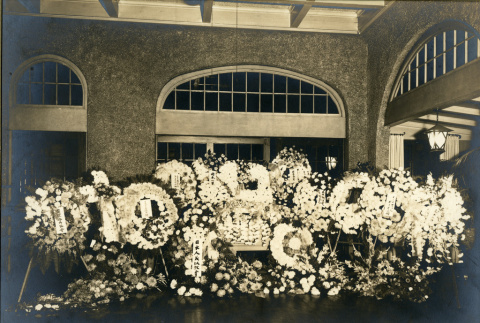
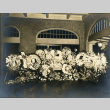
Funeral (ddr-csujad-25-344)
A photograph of a funeral taken by the "Takano Studio," a photo studio in Seattle, Washington probably in the early 1900s. Funeral flowers offered by: Japanese Methodist Church, Japan Tennis Club, Issaku Okamoto, Seattle Japanese Language School, and others. See this object in the California State Universities Japanese American Digitization project site: jia_12_006
img
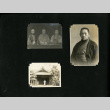
Ukichi Matsui (ddr-csujad-25-211)
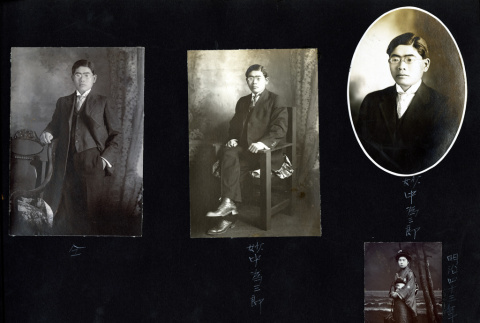
A page of album containing the Taenaka family. Pasted on the page are three photographs of Ukichi Matusi taken in Japan. Include a portrait of Ukichi Matsui taken at "Gyoku__kwan, Kishinosato, Osaka," probably in the early 1900s. See this object in the California State Universities Japanese American Digitization project site: jia_09_01_006
img
Ukichi and Saki Matsui (ddr-csujad-25-207)
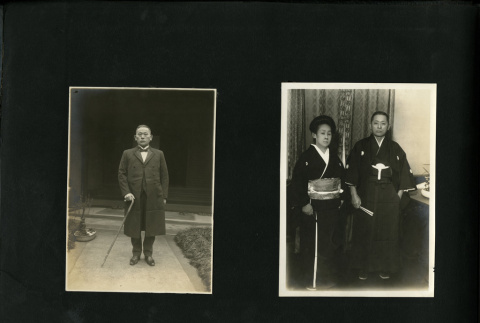
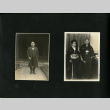
A page from the Taenaka family photo album. Pasted on the page are: a photograph of Ukichi and Saki Matsui taken probably on Takako Matsui, their daughter's wedding day in Osaka, Japan; and a photograph of Ukichi Matsui in suits. See this object in the California State Universities Japanese American Digitization project site: jia_09_01_002
doc
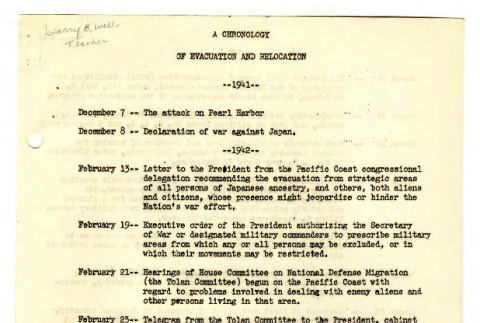
Chronology of evacuation and relocation (ddr-csujad-48-109)
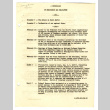
Title: "A Chronology of Evacuation and Relocation." This document describes in detail the chronology of "evacuation and relocation" after Japan attacked Pearl Harbor on December 7, 1941. Report No. 6-1879-BU-COS-WP. Transcription is found in item: ecm_wells_9918. See this object in the California State Universities Japanese American Digitization project site: ecm_wells_0918
img
Ukichi Taenaka, Waseda University (ddr-csujad-25-277)
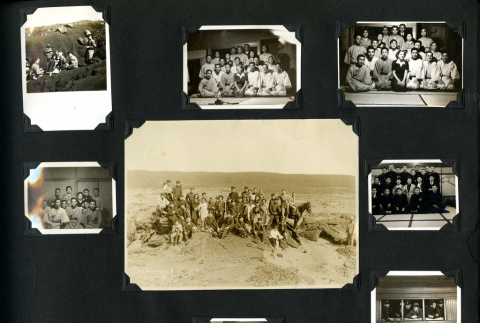
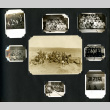
A page from the Taenaka family photo album. Pasted on the page are eight photographs of Ukichi Taenaka and his classmates of Waseda University taken during the trip to Mount Mihara Desert, Izu Oshima, Japan. Caucasian participants are included. See this object in the California State Universities Japanese American Digitization project site: jia_09_02_006
img
Tamesaburo and Kamie Taenaka (ddr-csujad-25-233)
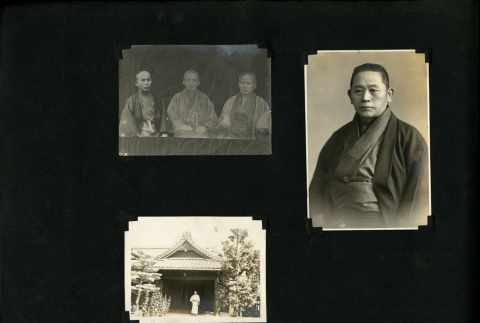
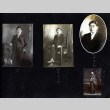
A page from the Taenaka family photo album. Pasted on the page are three portraits of Tamesaburo Taenaka most likely taken in Seattle, Washington, and one portrait of Kamie Taenaka, which is probably taken in Japan before their marriage. See this object in the California State Universities Japanese American Digitization project site: jia_09_01_028
![Koyasan [Los Angeles Branch] Tourist Party, [departure] (ddr-csujad-25-135)](https://ddr.densho.org/media/cache/cd/26/cd26cad6dfe5e19afba11cb189d3dfed.jpg)
img
Koyasan [Los Angeles Branch] Tourist Party, [departure] (ddr-csujad-25-135)
A group photograph of the tourists of the Koyasan Los Angeles Branch Tourist Party in front of a Japan Air Line airplane at San Francisco International Airport before departure. The same image is found in item: ucsb_jia_0128. See this object in the California State Universities Japanese American Digitization project site: jia_08_03_007
![Rosanzerusu Koyasan Kankodan [Koyasan Los Angeles Branch Tourist Party, Kokyogaien National Gardens] (ddr-csujad-25-133)](https://ddr.densho.org/media/cache/02/c5/02c5c821e18bae3c56b66bc402fcf81e.jpg)
img
Rosanzerusu Koyasan Kankodan [Koyasan Los Angeles Branch Tourist Party, Kokyogaien National Gardens] (ddr-csujad-25-133)
A group photograph of the tourists of Koyasan Los Angeles Branch Tourist Party, including Kamie Taenaka, taken in front of Nijubashi [= Double Bridge] at Kokyo Gaien National Gardens, Tokyo, Japan. The same image is found in item: ucsb_jia_0128. See this object in the California State Universities Japanese American Digitization project site: jia_08_03_005
img
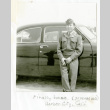
George Naohara (ddr-csujad-38-504)
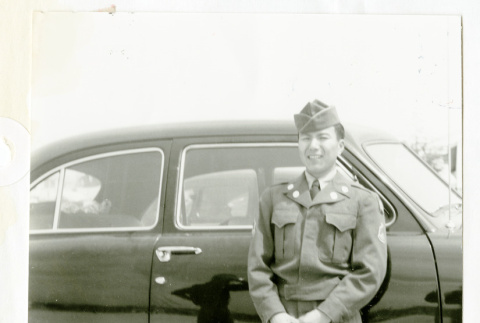
A photograph of George Nobuo Naohara in a military uniform standing in front of a car. The caption reads: Finally home (31 years old), Harbor City, Calif. Item from: George Naohara scrapbook: Korean War and before leaving Japan (csudh_nao_0600). See this object in the California State Universities Japanese American Digitization project site: nao_04_063_004
img
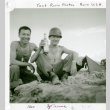
George Naohara and Sgt. Tamura (ddr-csujad-38-484)
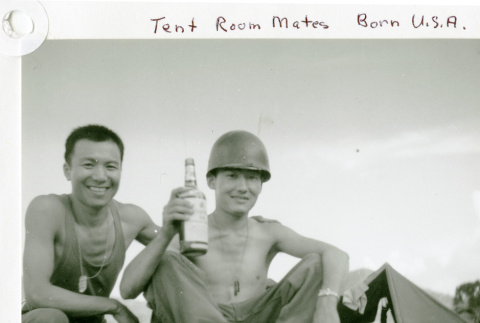
Photographed are George Nobuo Naohara and Sgt. Tamura, holding a bottle of alcohol. The captions read: "Tent room mates born U.S.A." and "Geo, Sgt. Tamura." Item from: George Naohara scrapbook: Korean War and before leaving Japan (csudh_nao_0600). See this object in the California State Universities Japanese American Digitization project site: nao_04_049_002