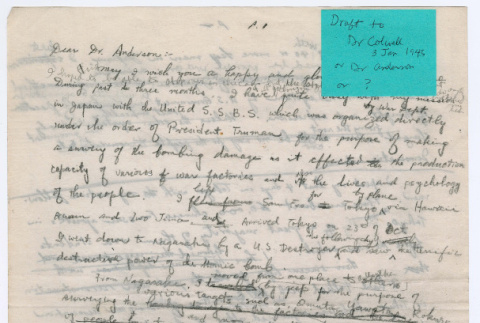
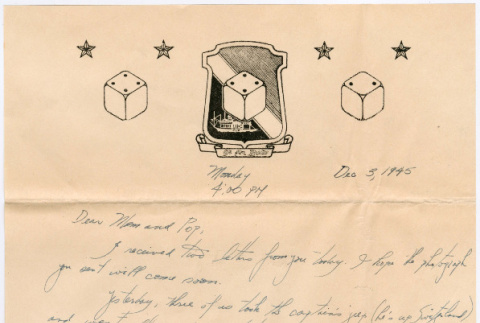
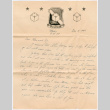
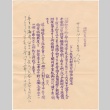
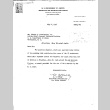
Handwritten draft similar in content to letter to Dr. Colwell on January 3, 1946. ACS writes that he met many Formosans in Japan but they were not receiving sufficient rations from the Japanese or Formosans. Tsai writes that it will be a challenging transition for the young Formosans to transition to becoming Chinese citizens in Formosa …
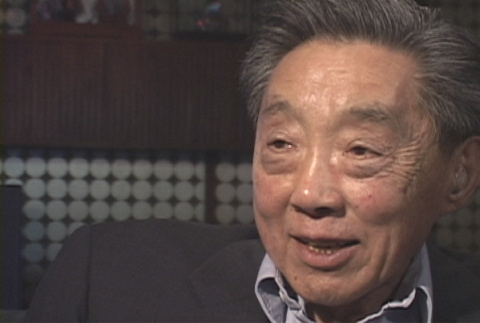
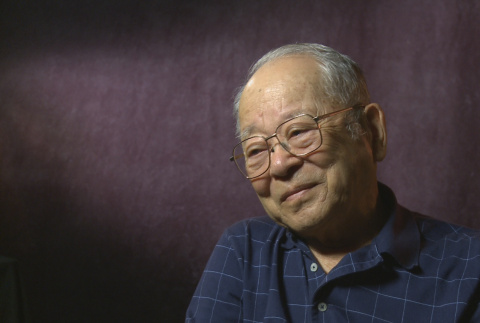
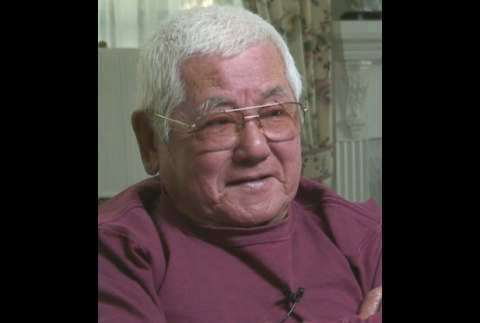
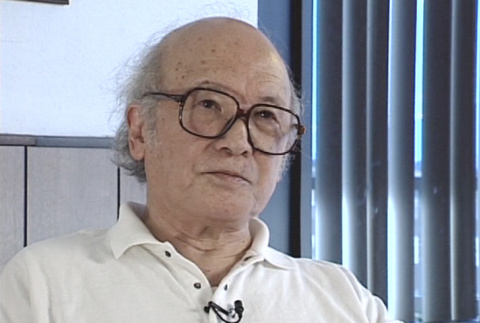
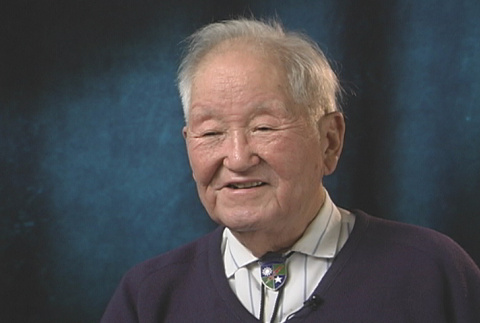
Nisei male. Born January 12, 1925, in Portland, Oregon, where parents ran a hotel business. During World War II, removed to the Portland Assembly Center, Oregon, and the Minidoka concentration camp, Idaho. Left camp early to attend college in Ohio. Was drafted into the Military Intelligence Service and served in Japan during the U.S. occupation. Returned …
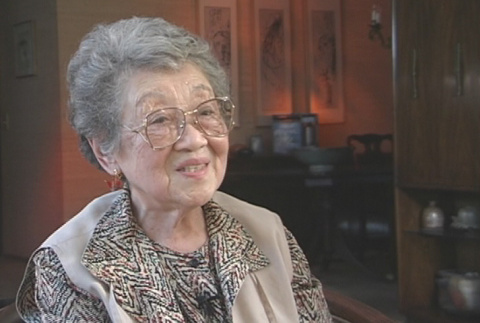
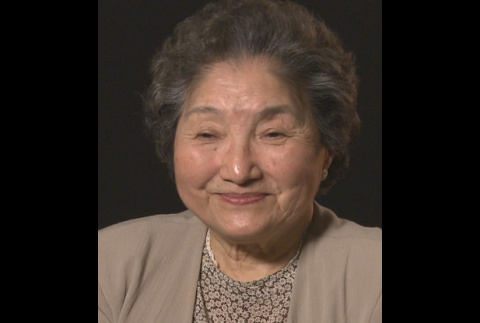
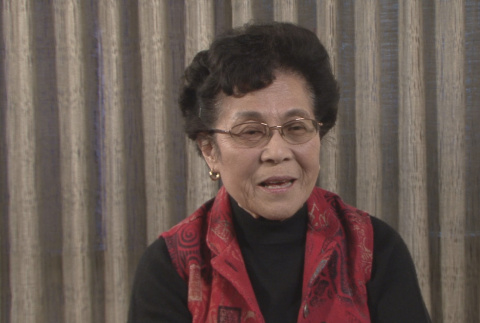
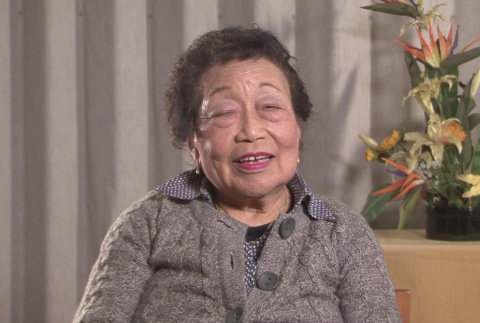
Issei female. Born June 19, 1911, in Tono City, Iwate-ken, Japan. Immigrated to the United States in 1929. Incarcerated at the Santa Anita Assembly Center, California, and Amache concentration camp, Colorado. Father established and ministered the first Western-style Christian church in Tono City. Husband was assigned to the Santa Anita Assembly Center as the official head …
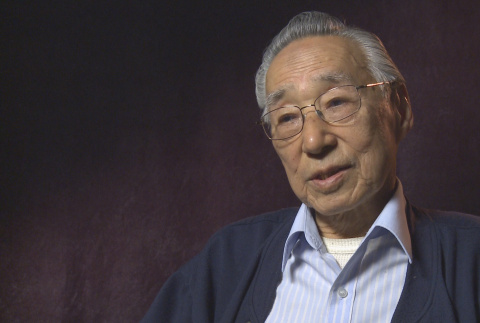
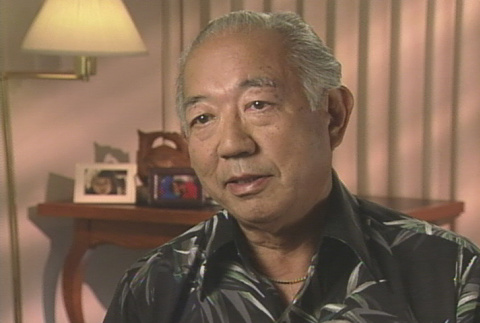
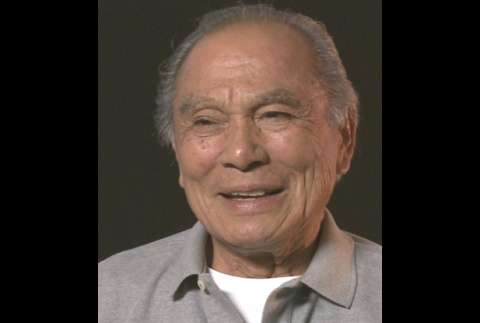
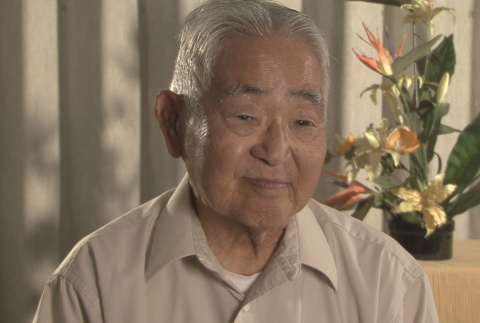
Nisei male. Born August 8, 1919, in Seattle, Washington. Grew up in Seattle, and was attending the University of Washington when Japan bombed Pearl Harbor on December 7, 1941. Drafted into the military a few months after the bombing, and then transferred to the Military Intelligence Service. Served as a linguist in Burma and India during …
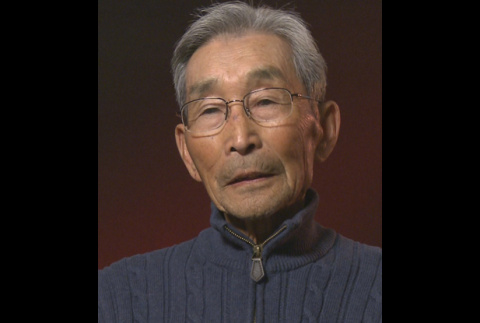
Nisei male. Born on August 10, 1919, in Osaka, Japan. Attended college at the University of Washington before being removed to the Puyallup Assembly Center, Washington, and the Tule Lake concentration camp, California. Established Tule Lake's newspaper, the Tulean Dispatch. Transferred to the Minidoka concentration camp, Idaho, before resettling in Chicago. Drafted into the Military Intelligence …
Nisei male, born 1924. Served with the Military Intelligence Service during the postwar occupation of Japan.
(This material is based upon work assisted by a grant from the Department of the Interior, National Park Service. Any opinions, finding, and conclusions or recommendations expressed in this material are those of the author(s) and do not necessarily reflect …
He and friends took the captains jeep and traveled all over, visiting sites from their time in Italy; had lunch at an Italian restaurant; asks for magazines and candy; glad to hear so many friends are coming back to San Francisco; hopes his grandpa will be okay returning to Japan. Parents' note on envelope back: 304 …
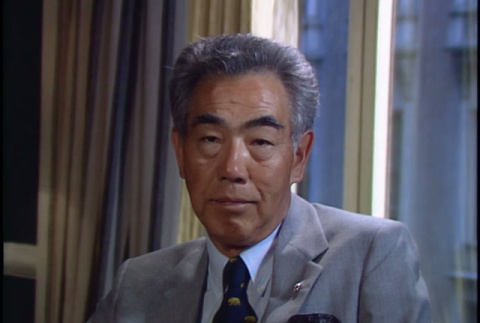
Kawamoto discusses post-war occupation of Japan, work with the military tribunal & ATIS, working for the US government at home, and the decision to volunteer. Video starts at 0:50. Loni Ding can be heard asking questions behind the camera. Original title: II NY #34, 6-85, Kawamoto.. Interview continues at ddr.densho.org/ddr-densho-1007-1551/
Nisei male. Born June 18, 1927, in Terminal Island, California. Grew up in Terminal Island before being removed to the Manzanar concentration camp, California, during World War II. Joined the Military Intelligence Service, working as an interpreter in Japan during the U.S. occupation. Married in Japan and eventually returned to California.
Nisei female. Born July 9, 1930, in Salinas, California. Grew up in Salinas, where father ran a successful farm. In 1941, moved with family to Japan. Remained in Japan during World War II and worked as an interpreter. After the war, returned to the United States and presently lives in California.
Nisei male. Born February 13, 1929, in Seattle, Washington. Grew up in Hollywood, California, and was living there when Japan bombed Pearl Harbor in 1941. Removed to the Manzanar concentration camp, California. Parents signed "no-no" on the so-called "loyalty questionnaire" and the family was transferred to the Tule Lake concentration camp, California, then designated as a …
Nisei male. Born June 16, 1927, in Hood River, Oregon. Grew up in Hood River, where parents ran a farm. At the age of thirteen, went to Japan with family for a vacation and ended up staying there. Attended school in Japan and then was trained in the Japanese air force as a kamikaze pilot. Instead …
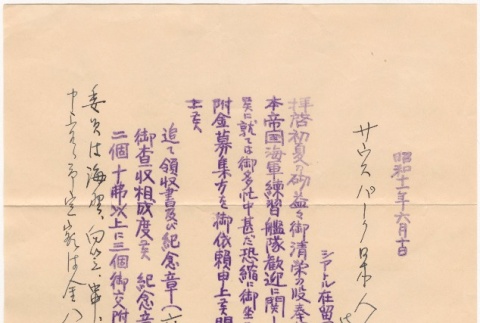
The Kinuta Uno Collection consists of letters and documents regarding the Uno Family's life in Seattle, Washington pre-World War II through their removal and life in Pinedale Assembly Center, Tule Lake and Minidoka concentration camp. Pre-war topics include: family business dealings and Kinuta Uno's work with the Northwest American Japanese Association, Seattle Zairyudobo, and the Consulate …
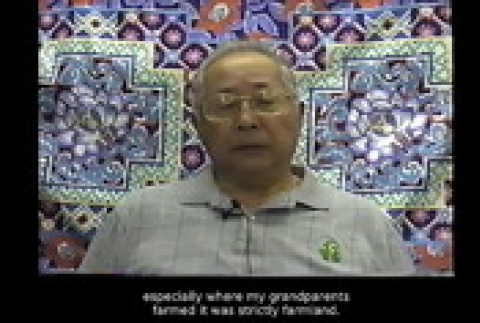
The Japanese Americans in the San Fernando Valley Oral History Project documents the lives of Japanese Americans who lived, or are currently living, in the San Fernando Valley. The participants are multi-generational, with many who experienced firsthand internment and prejudice during World War II. The narrators also shared stories of farming, family emigration from Japan, and …
Issei female. Born November 28, 1932, in Okinawa, Japan. Grew up in Japan where parents ran a farm. During World War II, when the Allied forces landed in Okinawa, fled home village with a large group and hid in the jungle. After the war, returned home, married, and eventually moved to Hawaii.
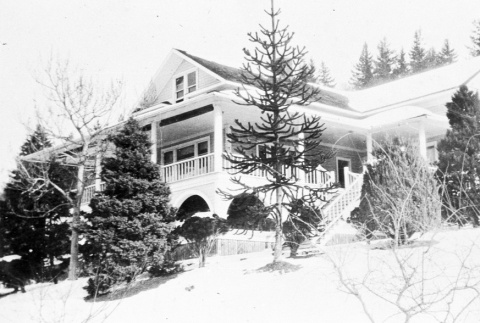
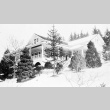
This is the summer home of Masajiro Furuya, a successful merchant and banker in the Pacific Northwest. Masajiro Furuya was born in Yamanishi Prefecture, Japan, in 1862 and made his fortune in Washington State as a banker, merchant, and labor contractor. Furuya, a tailor by trade, immigrated to Seattle in 1890 and eventually opened his own …
Kibei male, born October 12, 1923, in Seattle, Washington. Raised primarily in San Francisco, California, spending four years in Hiratsuka, Japan. Was incarcerated with his family at Topaz concentration camp, Utah. Refused to sign the so-called "loyalty questionnaire," and as a consequence was moved to Tule Lake Segregation Center, California. In Tule, he renounced his U.S. …
This material is based upon work assisted by a grant from the Department of the Interior, National Park Service. Any opinions, finding, and conclusions or recommendations expressed in this material are those of the author(s) and do not necessarily reflect the views of the Department of the Interior.
This material is based upon work assisted by a grant from the Department of the Interior, National Park Service. Any opinions, finding, and conclusions or recommendations expressed in this material are those of the author(s) and do not necessarily reflect the views of the Department of the Interior.
This material is based upon work assisted by a grant from the Department of the Interior, National Park Service. Any opinions, finding, and conclusions or recommendations expressed in this material are those of the author(s) and do not necessarily reflect the views of the Department of the Interior.
Although Mr. Matsumoto does not identify himself as a Kibei (American-born person of Japanese ancestry sent to Japan for formal education and socialization when young and later returned to the U.S.), some of his life experiences are similar to those who do identify themselves as such.
Although Mr. Matsumoto does not identify himself as a Kibei (American-born person of Japanese ancestry sent to Japan for formal education and socialization when young and later returned to the U.S.), some of his life experiences are similar to those who do identify themselves as such.
Although Mr. Matsumoto does not identify himself as a Kibei (American-born person of Japanese ancestry sent to Japan for formal education and socialization when young and later returned to the U.S.), some of his life experiences are similar to those who do identify themselves as such.