Due to technical difficulties during the taping of this interview, the interviewer's voice is considerably louder than the narrator's. This material is based upon work assisted by a grant from the Department of the Interior, National Park Service. Any opinions, finding, and conclusions or recommendations expressed in this material are those of the …
Introducing certain seed vegetables in Japan (Japanese language)
This interview was conducted in Japanese. The transcript is a translation of the original interview. This material is based upon work assisted by a grant from the Department of the Interior, National Park Service. Any opinions, finding, and conclusions or recommendations expressed in this material are those of …
A typical day while in high school: waking up at 3 o'clock in the morning to start work, attending school, then studying in the evening
Although Mr. Matsumoto does not identify himself as a Kibei (American-born person of Japanese ancestry sent to Japan for formal education and socialization when young and later returned to the U.S.), …
Family background: father was a stowaway at age nineteen on a ship from Japan to the U.S.
This interview was conducted by sisters Emiko and Chizuko Omori for their 1999 documentary, Rabbit in the Moon, about the Japanese American resisters of conscience in the World War II incarceration camps. As a result, the interviews in …
Discussion of decision in camp to renounce U.S. citizenship, family's near-deportation to Japan
This interview was conducted by sisters Emiko and Chizuko Omori for their 1999 documentary, Rabbit in the Moon, about the Japanese American resisters of conscience in the World War II incarceration camps. As a result, the interviews in this collection are typically …
Memories of the bombing of Pearl Harbor and attending school the next day: being identified with Japan
This interview was conducted by sisters Emiko and Chizuko Omori for their 1999 documentary, Rabbit in the Moon, about the Japanese American resisters of conscience in the World War II incarceration camps. As a result, the interviews in …
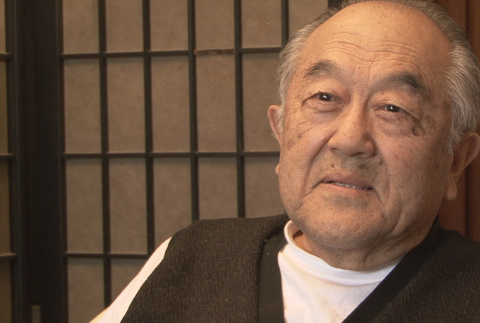
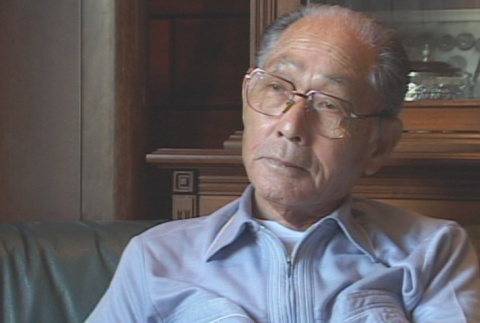
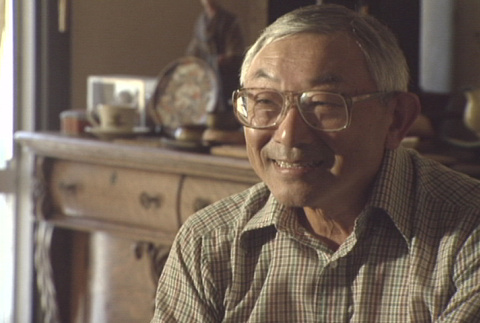
Nisei male. Born July 31, 1923, in Bainbridge Island, Washington. Age 18 when Japan bombed Pearl Harbor, was removed with family to Manzanar concentration camp, California. Later transferred to the Minidoka concentration camp, Idaho. Became an auto mechanic after World War II.
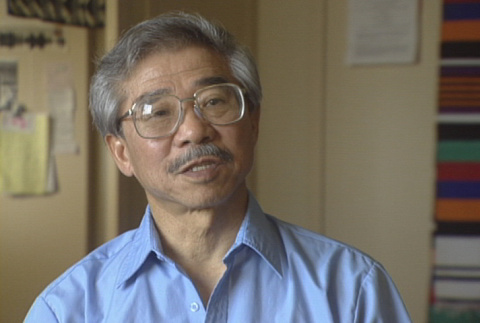
Kibei male. Born June 17, 1923, in Los Angeles, California. Grew up in Los Angeles before moving to Japan and attending school. Returned to the U.S. in 1938, and was attending high school when Japan bombed Pearl Harbor on December 7, 1941. Removed to the Tanforan Assembly Center, California, and the Topaz concentration camp, Utah. While …
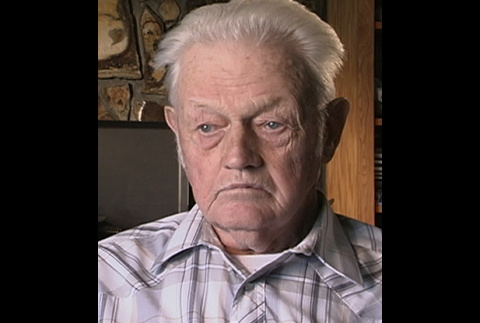
White male of German descent. Born December 5, 1921, in Oketo, Kansas. Worked for a shipyard on Terminal Island, California, when Japan bombed Pearl Harbor on December 7, 1941. Served in the United States Air Force during World War II, and presently lives in Hammett, Idaho.
Nisei female. Born April 20, 1922. Grew up on Bainbridge Island, Washington. Was working as a maid in Seattle when Japan bombed Pearl Harbor on December 7, 1941. During the war, removed to the Manzanar concentration camp, California, and transferred to the Minidoka concentration camp, Idaho.
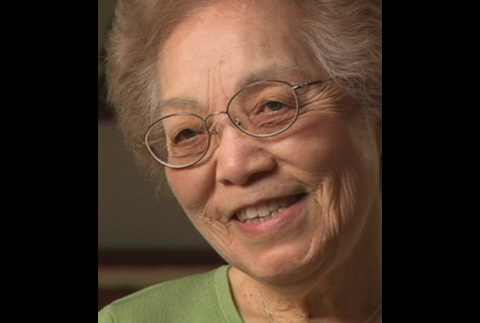
Japanese female. Born November 29, 1930, in Shizuoka, Japan. Attended school during World War II. After the war, entered the nursing profession and became involved in a number of social and political causes. In the 1960s, married a Kibei Nisei and moved to the United States.
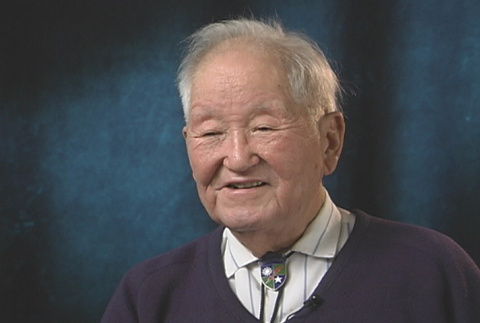
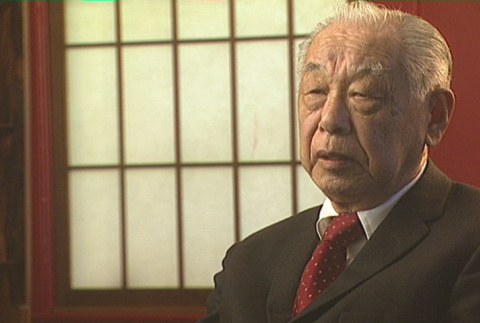
Nisei male. Born August 16, 1917. Volunteered for the military in March 1941. During the war, served with the Military Intelligence Service as head of the interrogation section in New Guinea and the Philippines as well as for the war crimes trials during the occupation of Japan.
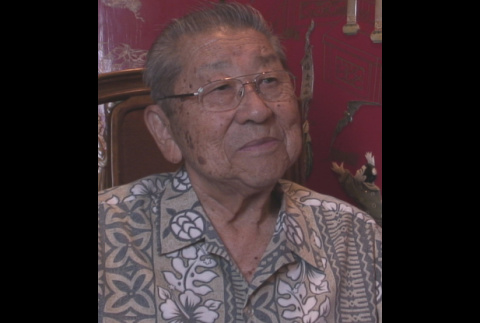
Nisei male. Born August 28, 1923, in Honolulu, Hawaii. After the bombing of Pearl Harbor, volunteered for the army and served in Europe with the 442nd Regimental Combat Team. After discharge, was called back to active duty and served with the U.S. Counterintelligence Corps in Japan.
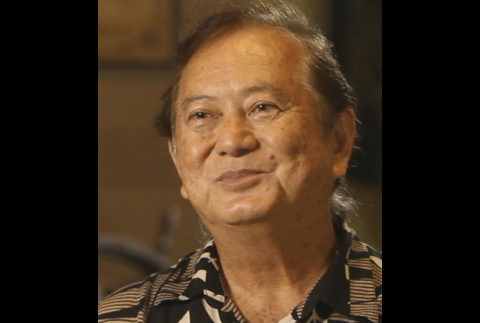
Nisei male. Born June 2, 1942, in Lima, Peru. Parents had originally immigrated to Peru from Okinawa, Japan. During World War II, removed with family to Crystal City internment camp, Texas. After leaving Crystal City, moved to Kauai, Hawaii. Established a successful career as an architect.
Yonsei female. Born in 1990 in Champaign, Illinois. Father's family is from Canada and her mother is from Japan. Paternal grandparents were incarcerated in Tashme and Lillooet in Canada. After attending college on the East Coast, moved to Chicago and became active in the Japanese American community.
Sansei female. Born April 20, 1944, in Manzanar, California. Parents married in camp, but separated soon after when father returned with his family to Japan. Left Manzanar for the Burbank trailer camp, then moved with mother and stepfather to Los Angeles, California. Active with the Manzanar Committee.
Nisei female. Born 1918 in Tokyo, Japan. Immigrated to the U.S. with parents at age five, and grew up in Hollywood, California. During World War II, incarcerated at the Pomona assembly center, California, and the Heart Mountain concentration camp, Wyoming. Left camp to resettle in Philadelphia, California.
Losing touch with friends and teachers in Japan; some killed by the atomic bomb (Japanese language)
This interview was conducted in Japanese and was translated so as to convey Mrs. Terao's way of speaking as closely as possible. For example, there are instances in which she makes some grammatical errors. These mistakes are conveyed through similar …
Reaction to the bombing of Pearl Harbor; believing "there was no way Japan would win" (Japanese language)
This interview was conducted in Japanese and was translated so as to convey Mrs. Terao's way of speaking as closely as possible. For example, there are instances in which she makes some grammatical errors. These mistakes are conveyed through …
Clashing opinions; disagreeing with the Kibeis' belief that Japan would win the war (Japanese language)
This interview was conducted in Japanese and was translated so as to convey Mrs. Terao's way of speaking as closely as possible. For example, there are instances in which she makes some grammatical errors. These mistakes are conveyed through similar grammatical …
Choosing to remain in Japan and establish a career (Japanese language)
This interview was conducted in Japanese. The transcript is a translation of the original interview. This material is based upon work assisted by a grant from the Department of the Interior, National Park Service. Any opinions, finding, and conclusions or recommendations expressed in this material …
Feeling patriotic towards Japan while being held in the Tule Lake stockade (Japanese language)
This interview was conducted in Japanese. The transcript is a translation of the original interview. This material is based upon work assisted by a grant from the Department of the Interior, National Park Service. Any opinions, finding, and conclusions or recommendations expressed …
Discovering status as an American citizen in Japan at an early age: "I was speechless" (Japanese language)
This interview was conducted in Japanese. It was translated so as to convey Mrs. Terasaki's way of speaking as closely as possible. For example, there are instances in which she makes some grammatical errors. These mistakes are conveyed through …
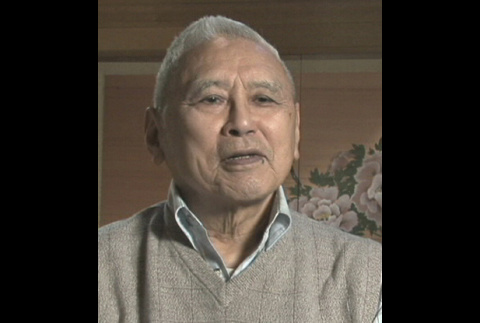
Nisei male. Born July 7, 1925, near San Jose. Grew up in Salinas, California, until he went to Japan at the age of thirteen. Studied in Japan until about 1939. Incarcerated at the Salinas Assembly Center, California, and Poston concentration camp, Arizona. Volunteered out of camp to serve in the U.S. military. Fought in Europe as …