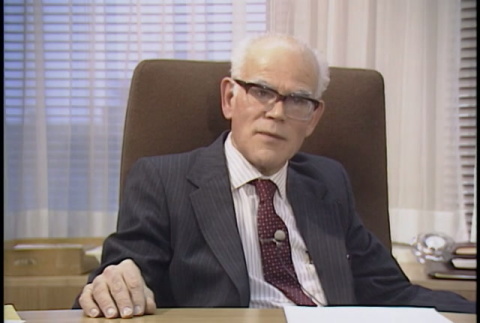
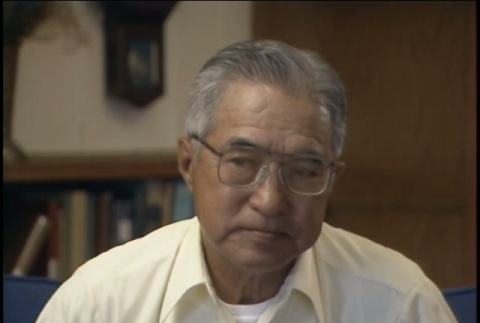
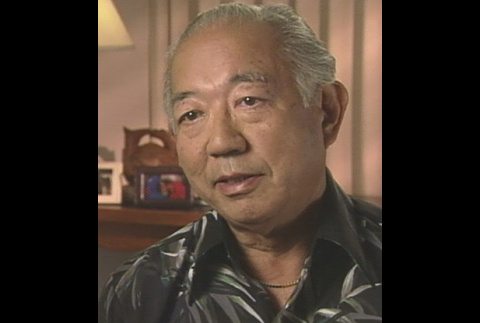
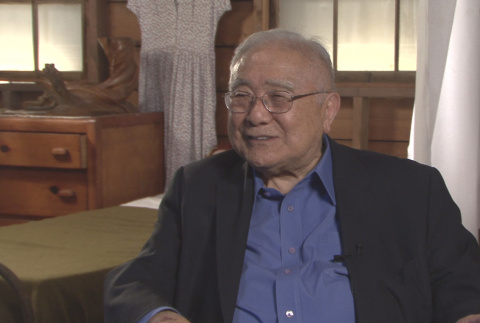
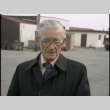
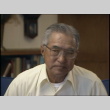
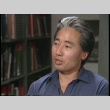
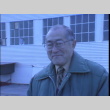
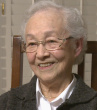
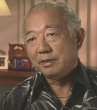
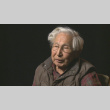
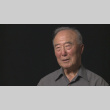
Dizer discusses his work in occupied Japan (particularly Kyushu), his first encounters with Nisei at the University of Michigan, segregation between Nisei and Caucasian soldiers, and the differences between Nisei and Japanese nationals. Loni Ding can be heard asking questions behind the camera. Original title: 194, II JA #11, Bill Dizer, Fri. Jan. 31. Interview continues …
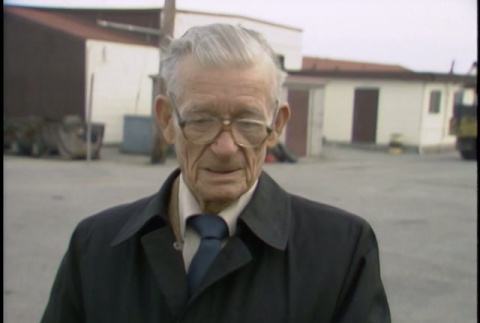
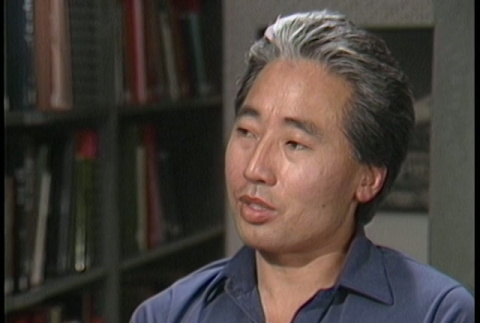
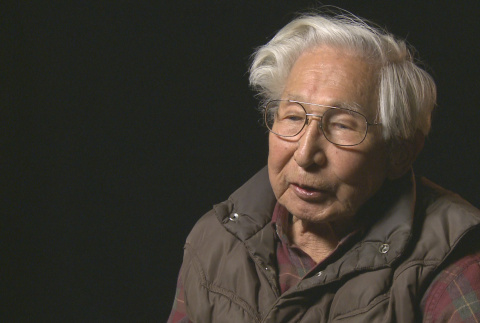
Nakamura discusses moving to Japan in 1955, growing up in Arroyo Grande, CA, evacuation, his time at Tulare and Gila River, volunteering for the military from camp, and camp attitudes toward volunteering. Loni Ding can be heard asking questions behind the camera. Original title: II JA #13, George Nakamura, Fri. Jan. 31. Interview continues at ddr.densho.org/ddr-densho-1007-1680/
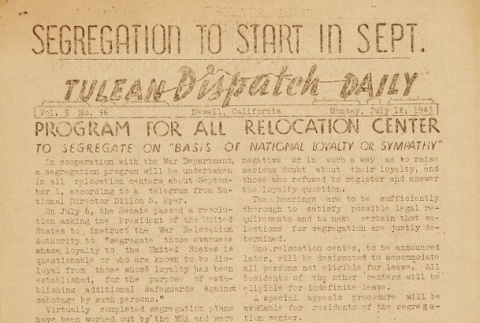
Selected article titles: "Program For All Relocation Center: To Segregate on 'Basis of National Loyalty Or Sympathy'" (p. 1), "Japan Sends Exchange List; To Post Names" (p. 1), "CIO to Contact Former Nisei Union Member" (p. 1), "Civil Exams Are Given" (p. 1), "A Story Worth Telling: Truck Driver Wins Fight Against Discrimination" (p. 2), "Sakoda …
Burden and Kihara discuss Burden's childhood in Japan, his service in Southeast Asia with the 37th Division, leading the first Nisei soldiers into battle at Guadalcanal, the early days of the Military Intelligence Service Language School, Video starts at 0:43. Original title: 138, II B/K #1, Burden/Kihara, Cressey Field, 12/18/85. Conversation continues at ddr.densho.org/ddr-densho-1007-1654/
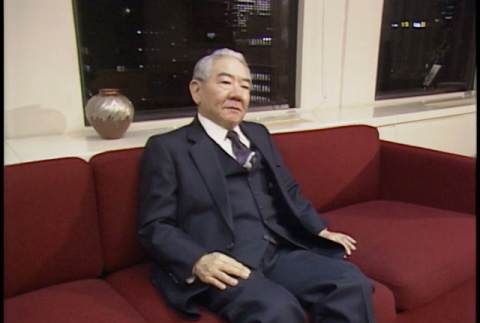
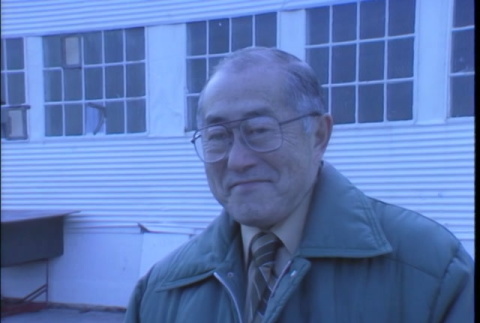
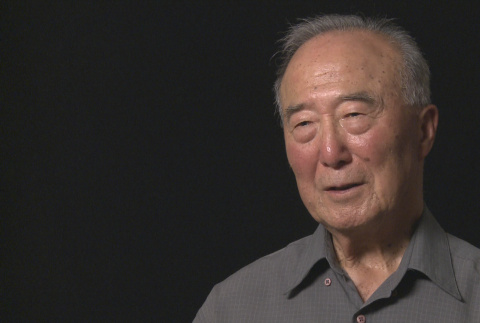
Tokuno discusses his work in the land reform program in occupied Japan, his lifelong interest in Japanese agriculture, his relationship with Mr. Matsumoto (a high-ranking Japanese official working in agriculture), California's water distribution system, and what the US could learn from Japanese agriculture. Loni Ding can be heard asking questions behind the camera. Original title: II …
Gary discusses the decision the DB Boys made to refuse to serve, the decision to intern the Japanese American population, the importance of the Kibei to the DB Boys, his experience in Japan and his connection to his heritage, and his father's court martial. Loni Ding can be heard asking questions behind the camera. Original title: …
Burden and Kihara discuss their service in the Pacific theater, Kihara's time in Japan after college, Kihara's time teaching at the Military Language Service Language School, and Kihara's father's thoughts on his joining the military. Original title: 139, II B/K #2, Burden/Kihara, Cressey Field, 12/15/85, needs color correction. Conversation continues at ddr.densho.org/ddr-densho-1007-1785/
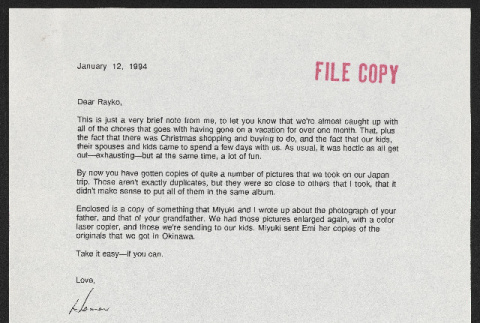
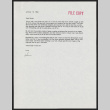
Copy of a typed letter from Homer Yasui to his sister-in-law Rayko Yabe Konoshima, dated January 12, 1994. Homer writes to briefly update Rayko on their Christmas after returning from a month-long trip to Japan, noting the photographs from the trip he has already sent her and a document enclosed with the letter that he and …
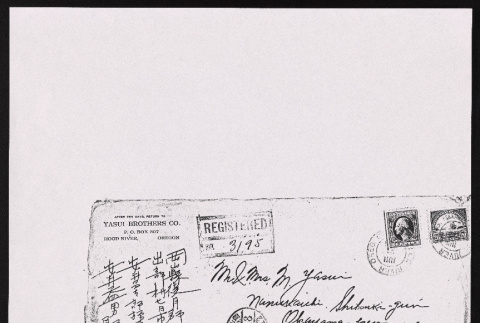
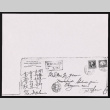
Two photocopies of envelopes. On page 1, the envelope is addressed to Mr. & Mrs. M. Yasui, Nanokaichi, Okayama, Japan with a return address of Yasui Brothers Co. P.O. Box 307, Hood River, Oregon. The envelope on page 2 is addressed to Mr. S. Matsuo, P.O. Box 52 Dee, Oregon with a return address of Dr. …
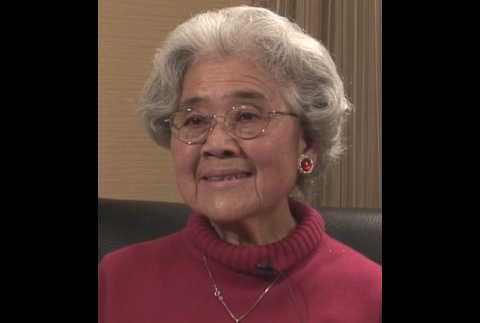
Nisei female. Born April 20, 1924, in Portland, Oregon. Spent one summer in Japan just before the onset of war between the U.S. and Japan. Incarcerated at the Portland Assembly Center, Oregon, and the Minidoka concentration camp, Idaho. Left camp as part of the National Youth Administration, and worked in Salt Lake City, Utah, and Chicago, …
Nisei male. Born June 23, 1930, in Fairfax, Washington. Grew up in Venice, California, where parents had a produce farm. During World War II, removed to the Manzanar concentration camp, California. Parents signed "no-no" on the so-called "loyalty questionnaire" and decided to return with the family to Japan to live. After several years in Japan, came …
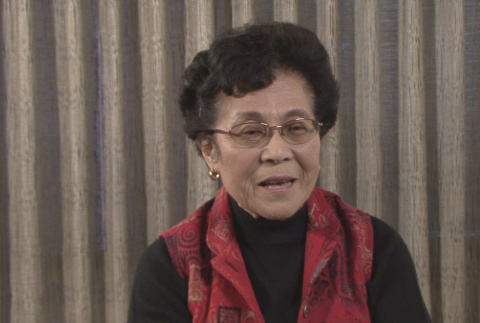
Nisei female. Born November 19, 1930, in Trujillo, Peru, where father ran a construction company. After the bombing of Pearl Harbor, father was arrested by the FBI and taken to the United States. The family joined him in Crystal City, Texas, then went to Japan after the war. Maria lived and worked in Japan until the …
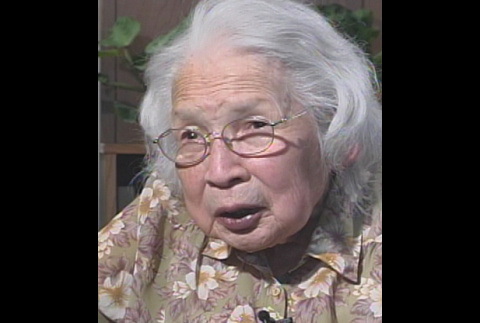
Issei female. Born 1907 in Shimonoseki, Japan. Attended school in Japan, and was encouraged by father to study English. Married a Buddhist minister and immigrated to the United States. Lived in Fresno, California, then returned to Japan for two years. Moved to Seattle, Washington, where husband was a minister at the Seattle Buddhist Temple. During World …
Nisei male. Born April 10, 1922, in Whittier, California. Spent childhood in California, before being removed to Manzanar concentration camp in 1942. Left Manzanar several times to work as a beet topper for local farmers. Decided to expatriate to Japan because of mother's wishes, and was transferred to Tule Lake concentration camp. In 1945, was moved …
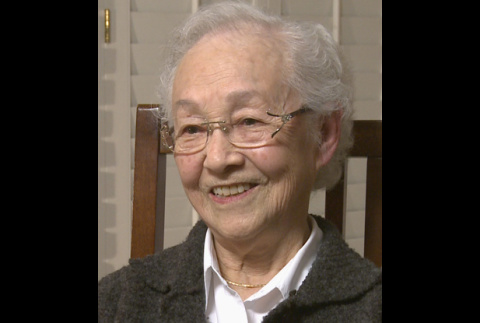
Nisei female. Born May 12, 1925, in Spreckels, California. Moved frequently with family as a child, eventually settling in Gilroy, California. After the bombing of Pearl Harbor, removed to the Salinas Assembly Center, California, and the Poston concentration camp, Arizona. Following father's desire to repatriate to Japan, transferred to Tule Lake concentration camp, California, when it …
Kibei male. Born March 3, 1942, in Los Angeles, California. At only a few months of age, removed to the Manzanar and Tule Lake concentration camps, California. Expatriated to Japan with family during World War II. Grew up in Japan before returning to Los Angeles for high school. Later studied accounting, and became one of the …
Nisei male. Born February 23, 1924, in Brawley, California. Grew up in El Centro, California, where parents ran a farm. During World War II, was removed to the Poston concentration camp, Arizona. Family signed "no-no" on the so-called "loyalty questionnaire" and transferred to the Crystal City internment camp, Texas, then to Japan. Lived and worked in …
This material is based upon work assisted by a grant from the Department of the Interior, National Park Service. Any opinions, finding, and conclusions or recommendations expressed in this material are those of the author(s) and do not necessarily reflect the views of the Department of the Interior.
This material is based upon work assisted by a grant from the Department of the Interior, National Park Service. Any opinions, finding, and conclusions or recommendations expressed in this material are those of the author(s) and do not necessarily reflect the views of the Department of the Interior.
Staying with family friends while father returns to Japan
This material is based upon work assisted by a grant from the Department of the Interior, National Park Service. Any opinions, finding, and conclusions or recommendations expressed in this material are those of the author(s) and do not necessarily reflect the views of the Department of the …
This material is based upon work assisted by a grant from the Department of the Interior, National Park Service. Any opinions, finding, and conclusions or recommendations expressed in this material are those of the author(s) and do not necessarily reflect the views of the Department of the Interior.