
164 items
164 items
vh
Willie K. Ito Interview Segment 15 (ddr-manz-1-149-15)
Coping with living conditions in camp, building gardens
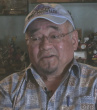
Narrator Willie K. Ito
Sansei male. Born July 17, 1934, in San Francisco, California. Grew up in San Francisco, where he developed an early interest in Disney and the art of cartooning. During World War II, removed to the Tanforan Assembly Center, California, and the Topaz concentration camp, Utah. After leaving camp, returned to San Francisco. Established a long career …
doc
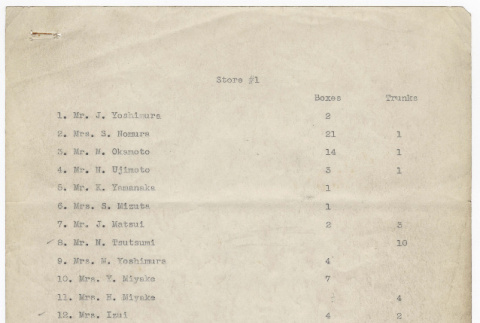
Property storage list (ddr-sbbt-2-37)
A lists of names and locations for stored property. Yoshimura, J.; Nomura, S.; Okamoto, M.; Ujimoto, N.; Yamanaka, K.; Mizuta, S.; Matsui, J.; Tsutsumi, N.; Yoshimura, M.; Miyake, Y.; Miyake, H.; Izui; Shioyama, K.; Matsuda, Haruye; Hirokane, T.; Iwamura, K.; Suzuki, Y.; Kuromiya, S.; Edamura, H.; Kokita, K.; Takahashi, T.; Morinaga, T.; Shimizu, N.; Fukuhara, H. …
Collection
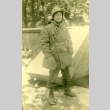
Saul Collection (ddr-densho-22)
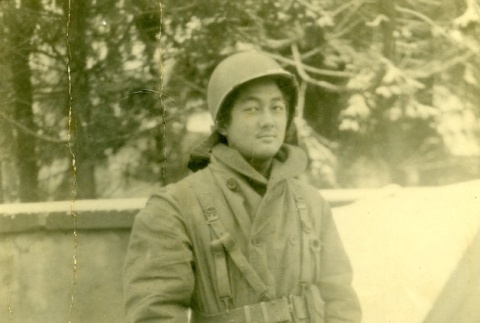
The Saul collection consists of images and documents related to Japanese American military service during World War II. Topics include: 522nd Field Artillery Battalion, 442nd Regimental Combat Team, 100th Infantry Battalion, Military Intelligence Service, rescue of the Lost Battalion, liberation of Dachau, etc. The content of this collection was brought together from multiple sources both organizational …
vh
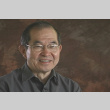
Wesley K. Watanabe Interview (ddr-densho-1000-166)
Ni-ten-gosei (Nisei/Sansei) male. Born May 20, 1935, in Tacoma, Washington. Spent early childhood in Kent, Washington, and was removed with family to the Pinedale Assembly Center at age seven. Family was incarcerated at Tule Lake concentration camp, California, and then moved to Minidoka concentration camp, Idaho. Resettled and attended grade school and high school in Chicago, …
vh
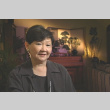
May K. Sasaki Interview (ddr-densho-1000-79)
Nisei female. Born May 31, 1935, in Seattle, Washington. Spent prewar years in Seattle's Nihonmachi, or Japantown. Incarcerated as child at Puyallup Assembly Center, Washington, and Minidoka concentration camp, Idaho. Resettled in Seattle. In her interview, discusses issues of shame and loss of Japanese American identity as a result of incarceration.
vh
Wesley K. Watanabe Interview Segment 19 (ddr-densho-1000-166-19)
Thoughts the aftermath of September 11, 2001: "we just hope that history doesn't repeat itself"
vh
Wesley K. Watanabe Interview Segment 13 (ddr-densho-1000-166-13)
Little awareness of changing racial climate during the 1960s
vh
Wesley K. Watanabe Interview Segment 16 (ddr-densho-1000-166-16)
Impact of the incarceration experience: "a sense of betrayal, anger"
vh
Wesley K. Watanabe Interview Segment 5 (ddr-densho-1000-166-5)
As a child, having only vague memories of the bombing of Pearl Harbor and mass removal to Pinedale Assembly Center
vh
Wesley K. Watanabe Interview Segment 3 (ddr-densho-1000-166-3)
Early memories of Kent, Washington
vh
Wesley K. Watanabe Interview Segment 12 (ddr-densho-1000-166-12)
Memories of dental school at University of Illinois
vh
Wesley K. Watanabe Interview Segment 7 (ddr-densho-1000-166-7)
After leaving camp, resettling in West Chicago: being the only Japanese Americans in neighborhood
vh
Wesley K. Watanabe Interview Segment 10 (ddr-densho-1000-166-10)
Attending college, deciding to go into dentistry
vh
Wesley K. Watanabe Interview Segment 21 (ddr-densho-1000-166-21)
Reading of a letter written by father reflecting on events in his life
vh
Wesley K. Watanabe Interview Segment 8 (ddr-densho-1000-166-8)
Being the only Japanese American in school in West Chicago
vh
Wesley K. Watanabe Interview Segment 11 (ddr-densho-1000-166-11)
Thoughts on racial identity during college years
vh
Wesley K. Watanabe Interview Segment 14 (ddr-densho-1000-166-14)
Starting up a dental practice in West Chicago
vh
Wesley K. Watanabe Interview Segment 17 (ddr-densho-1000-166-17)
Thoughts on the redress movement: thankful for the apology
vh
Wesley K. Watanabe Interview Segment 6 (ddr-densho-1000-166-6)
Age seven in camps, memories of playing with friends and attending school in Tule Lake, California, and Minidoka, Idaho
vh
Wesley K. Watanabe Interview Segment 20 (ddr-densho-1000-166-20)
Discussion about depictions of Japanese Americans in movies and books