
3002 items




3002 items
vh
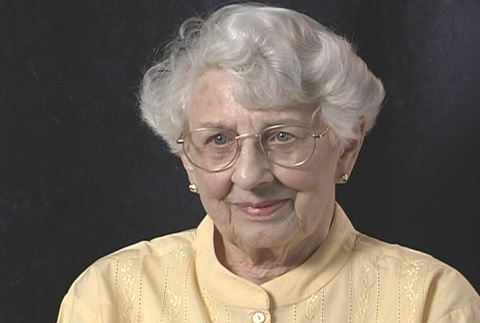
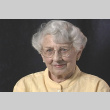
Helen Amerman Manning Interview Segment 11 (ddr-densho-1000-147-11)
Description of a typical school day for teachers in Minidoka; fond memories of the first school dance
vh
Helen Amerman Manning Interview Segment 4 (ddr-densho-1000-147-4)
Working various jobs before attending graduate courses at Stanford and eventually signing up to teach at the Minidoka concentration camp, Idaho
vh
Helen Amerman Manning Interview Segment 7 (ddr-densho-1000-147-7)
Tackling difficult issues involving incarceration through lessons and discussions within the classroom
vh
Helen Amerman Manning Interview Segment 10 (ddr-densho-1000-147-10)
Discussion of students taught at Minidoka: one the whole, positive memories
vh
Helen Amerman Manning Interview Segment 8 (ddr-densho-1000-147-8)
Description of the "core class" system in Minidoka
vh
Helen Amerman Manning Interview Segment 14 (ddr-densho-1000-147-14)
Leaving Minidoka for Seattle, Washington; thoughts on the returning Japanese Americans
vh
Helen Amerman Manning Interview Segment 18 (ddr-densho-1000-147-18)
Reflections on the incarceration experience
vh
Helen Amerman Manning Interview Segment 2 (ddr-densho-1000-147-2)
Growing up in Bloomfield, New Jersey, doing well in school
vh
Helen Amerman Manning Interview Segment 15 (ddr-densho-1000-147-15)
Becoming interested in the field of race relations, working for the San Francisco Council for Civic Unity and other organizations
vh
Helen Amerman Manning Interview Segment 16 (ddr-densho-1000-147-16)
Doctoral dissertation a possible factor in the Brown v. Board of Education decision in 1954
vh
Helen Amerman Manning Interview Segment 9 (ddr-densho-1000-147-9)
Comments on whether or not principles of American democracy were taught in Minidoka
vh
Helen Amerman Manning Interview Segment 1 (ddr-densho-1000-147-1)
Family background: grandfather was a prominent missionary in Japan
vh
Helen Amerman Manning Interview Segment 5 (ddr-densho-1000-147-5)
Memories of the arduous journey by train to Minidoka concentration camp, Idaho
vh
Helen Amerman Manning Interview Segment 12 (ddr-densho-1000-147-12)
Visiting town of Twin Falls, Idaho, on weekends, encountering prejudice
vh
Helen Amerman Manning Interview Segment 3 (ddr-densho-1000-147-3)
Attending Michigan State College and pursuing the field of social work
vh
Helen Amerman Manning Interview Segment 13 (ddr-densho-1000-147-13)
Discussion of policy changes taking place at Minidoka, both in regards to leave clearance and the education system
vh
Helen Amerman Manning Interview Segment 6 (ddr-densho-1000-147-6)
Adjusting to the "primitive" barracks used for housing and the school building

av
Going for Honor, Going for Broke (ddr-densho-1024-68)
Short 2006 documentary film that gives an overview of the 100th Infantry Battalion and 442nd Regimental Combat Team . Produced, written, directed, narrated & edited by George Toshio Johnston, he film was funded by a grant from the California Civil Liberties Public Education Program. See this item in the Densho Resource Guide at: Going for Honor, …

doc
Amache YWCA Staff and Committee list and letter to Yuriko Domoto from Alice Suzuki (ddr-densho-356-829)
Amache YWCA staff and committee list that was attached to a letter to Yuriko Domoto Tsukada from Alice Suzuki asking for Yuri to participate in the organization of a YWCA Board.
img
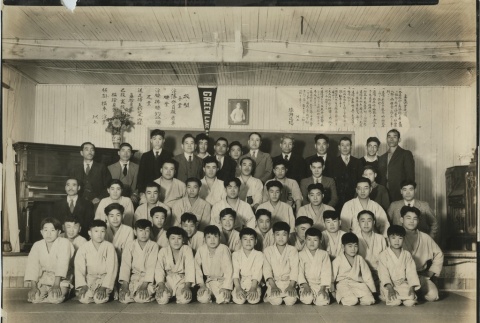
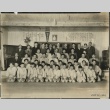
Green Lake Judo Team (ddr-densho-136-38)
Green Lake Dojo was established in 1932. Classes were held twice a week at the Community Hall in North Seattle. The mass removal of Japanese Americans from Seattle forced Green Lake Dojo to close in 1942. Back row (L to R): Sumio Mochizuki, Akira Kumasaka. Fifth row (L to R): Mr. Tanagi, unidentified, Kiyoshi Tada, Mr. …

doc
General information bulletin (Cody, Wyo.), series 26 (October 15, 1942) (ddr-csujad-55-658)
General information bulletin, series 26, published at the Heart Mountain incarceration camp, Wyoming on October 15, 1942. Bulletin including news, events, and topics related to Heart Mountain incarceration camp. Includes: Evacuees protected by disability benefits; Offer aid in application for ballots; Doctors rotate for duty at hospital; Dr. Ito in charge of milk station; Fourth appendectomy …
vh
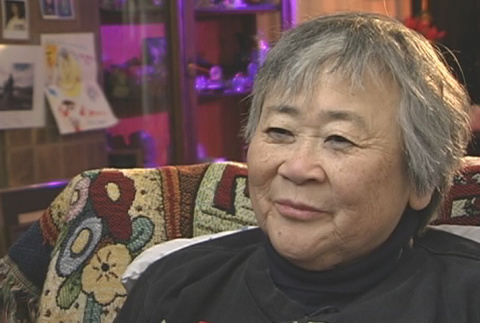
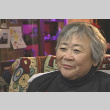
Akiko Kurose Interview II Segment 16 (ddr-densho-1000-42-16)
Meeting Floyd Schmoe
Mrs. Kurose was undergoing treatment for cancer and required frequent breaks and medication to help her with pain management.

doc
Crystal City Chatter Issue 71 (ddr-densho-537-80)
Issue 71 includes an article from L. A. Times Magazine, health advice, obituaries, and more.
doc
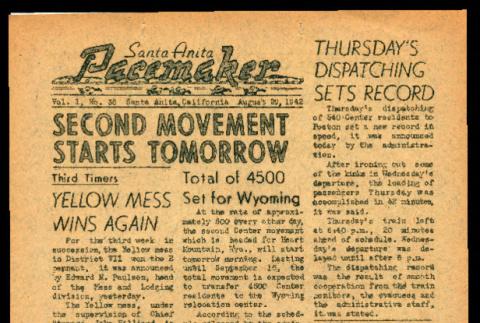
Santa Anita pacemaker, vol. 1, no. 38 (July 29, 1942) (ddr-csujad-55-1270)
Biweekly newspaper published at the Santa Anita Assembly Center from April through October 1942. Current issue includes information on recreational activities, religious services, sports, departure for incarceration camps, social events, nisei soldiers, an editorial on the right to vote, and the features ""Win, Place, and Show"", ""Post Time"", ""Story of the Week"", and ""Feminine Forum."" See …
doc
Santa Anita pacemaker, vol. 1, no. 39 (September 2, 1942) (ddr-csujad-55-1271)
Biweekly newspaper published at the Santa Anita Assembly Center from April through October 1942. Current issue includes information on recreational activities, religious services, sports, departure for incarceration camps, funerals, Heart Mountain housing, transfer regulations, an editorial on letters in the Arkansas Gazette, and the features ""Win, Place, and Show"", ""Post Time"", and ""Feminine Forum."" See this …